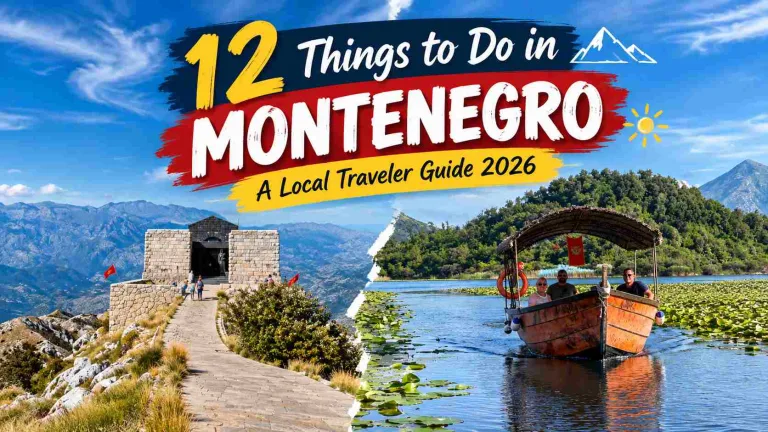
Reykjadalur Hot Spring Thermal River: Complete Guide 2026
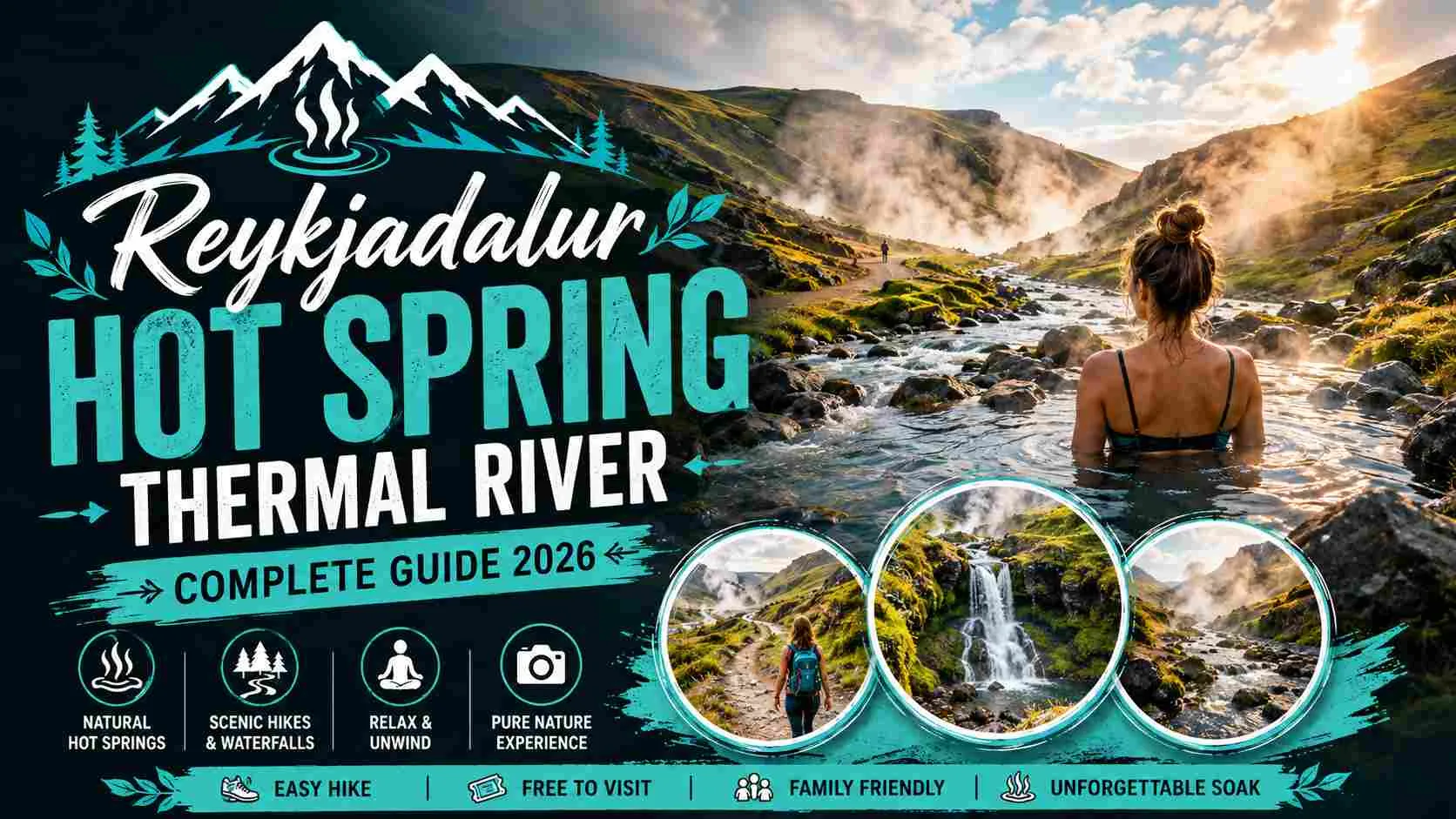
Tucked into the hills above Hveragerði, the Reykjadalur hot spring thermal river is one of the few places on earth where a short hike rewards you with a genuinely warm, natural river to soak in. Reykjadalur translates to “Steam Valley,” and the name fits the moment steam starts drifting across the trail. This guide walks through the hike, the bathing spots, the safest times to visit, and everything else needed to plan a smooth day trip from Reykjavík.
Where Is Reykjadalur Located?
Reykjadalur sits in South Iceland, part of the wider Hengill geothermal area, close to the small town of Hveragerði. Mt. Hengill last erupted roughly 2,000 years ago and is now dormant, but the surrounding ground is still very much alive with geothermal activity — hot springs, mud pots, and fumaroles line the hills above the valley floor.
- Region: South Iceland, within the Hengill volcanic system
- Nearest town: Hveragerði, about 45 km from Reykjavík
- Coordinates: roughly 64.0229° N, 21.2116° W
Hveragerði itself is sometimes called the hot spring capital of Iceland, and it has a supermarket, restaurants, and an information center — useful if you want to fuel up before or after the hike.
How to Get to Reykjadalur
There are two practical ways to reach the trailhead: self-drive or a guided tour.
Driving from Reykjavík
Follow the Ring Road south through Hveragerði, then take the marked turnoff onto a gravel road that leads to the Reykjadalur parking lot. The drive takes about 45 minutes to an hour from Reykjavík, and the parking area fills up quickly on sunny weekends, so arriving early in the day is worth it.
Joining a Guided Tour
Several operators run guided hikes to the valley, including horseback riding tours and buggy tours that combine off-road driving with the hot river soak. A guide is especially useful in shoulder season or winter, when trail conditions change quickly and the light fades early.
The Hike to the Valley
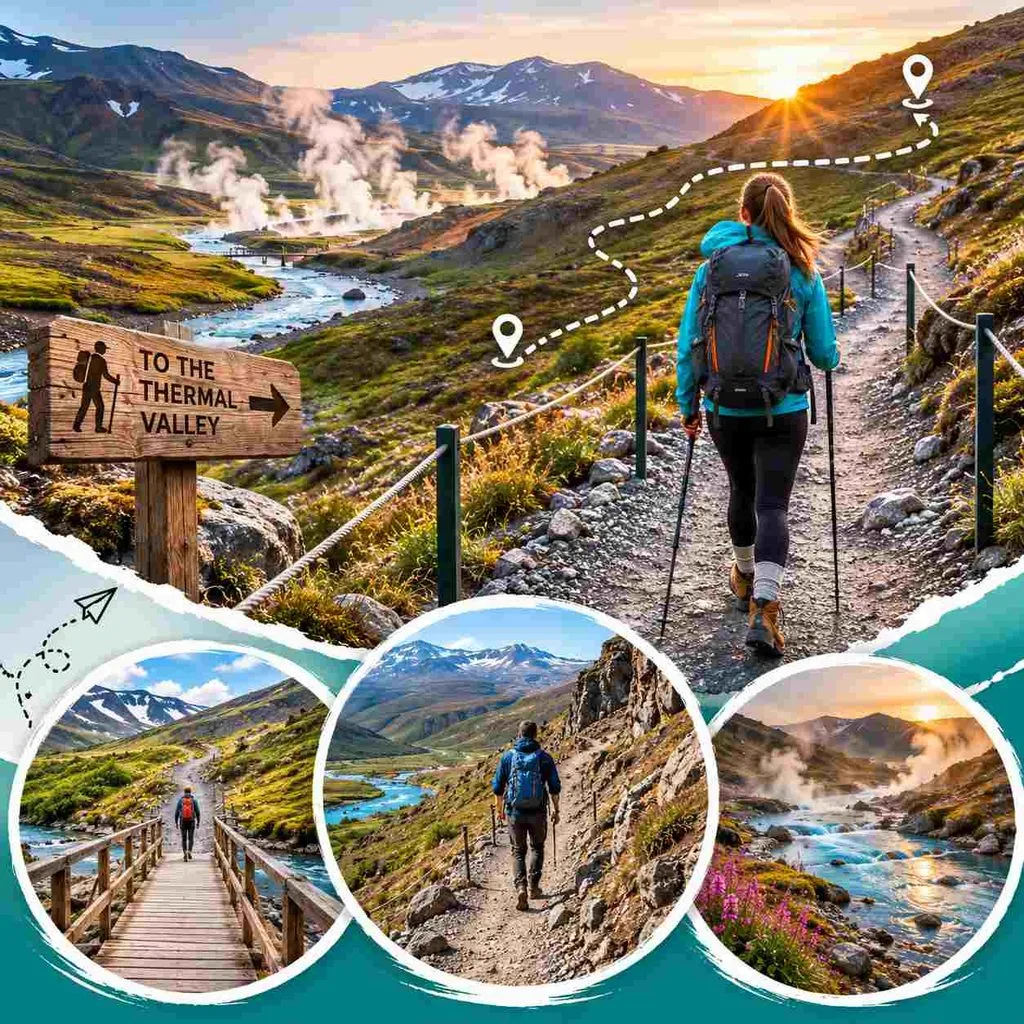
The trail to the valley’s thermal river begins at the parking lot, where you cross a footbridge and start climbing a gravel path up the Rjúpnabrekkur (Ptarmigan) slopes.
- Distance: roughly 3–3.5 km one way
- Hiking time: about 45–75 minutes each way, depending on pace and photo stops
- Difficulty: easy-to-moderate; uphill on the way in, mostly downhill on the return
- Elevation gain: steady but manageable for most fitness levels
The Steepest Stretch
There’s one narrow, gravelly section partway up where the trail hugs a slope — it can feel exposed to anyone uneasy with heights, though it’s short and manageable if you slow down and watch your footing.
What You’ll See Along the Trail
The hike itself is half the reward, with several landmarks worth pausing for.
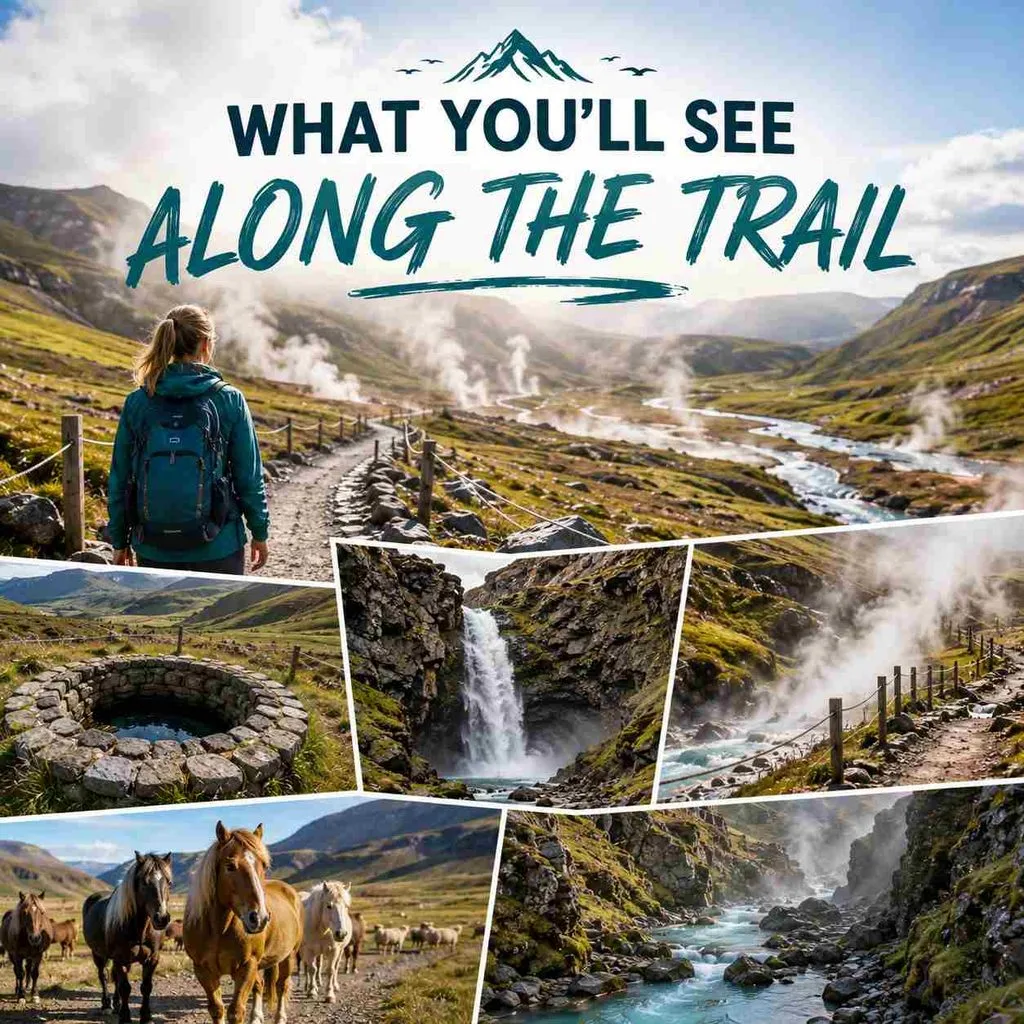
- Drottningarhola (Queen’s Borehole): an old borehole near the start of the trail, often photographed
- Djúpagilsfoss Waterfall: a waterfall tumbling into the Djúpagil canyon, visible from a viewpoint on the trail
- Rising steam: as you near the valley, steam frequently drifts across the path, briefly reducing visibility
- Grazing horses and sheep: the trail is also used for guided horse riding tours, so it’s common to share the path with them
Klambragil Gorge
Just above the main bathing area sits Klambragil, a small gorge with boiling hot springs tucked into the rock walls. It’s a short detour worth taking if time allows, but it isn’t a bathing spot — the water here is far too hot.
Bathing in the Hot River
This is the main event. The thermal river runs the length of the valley, and its temperature changes depending on where you enter.
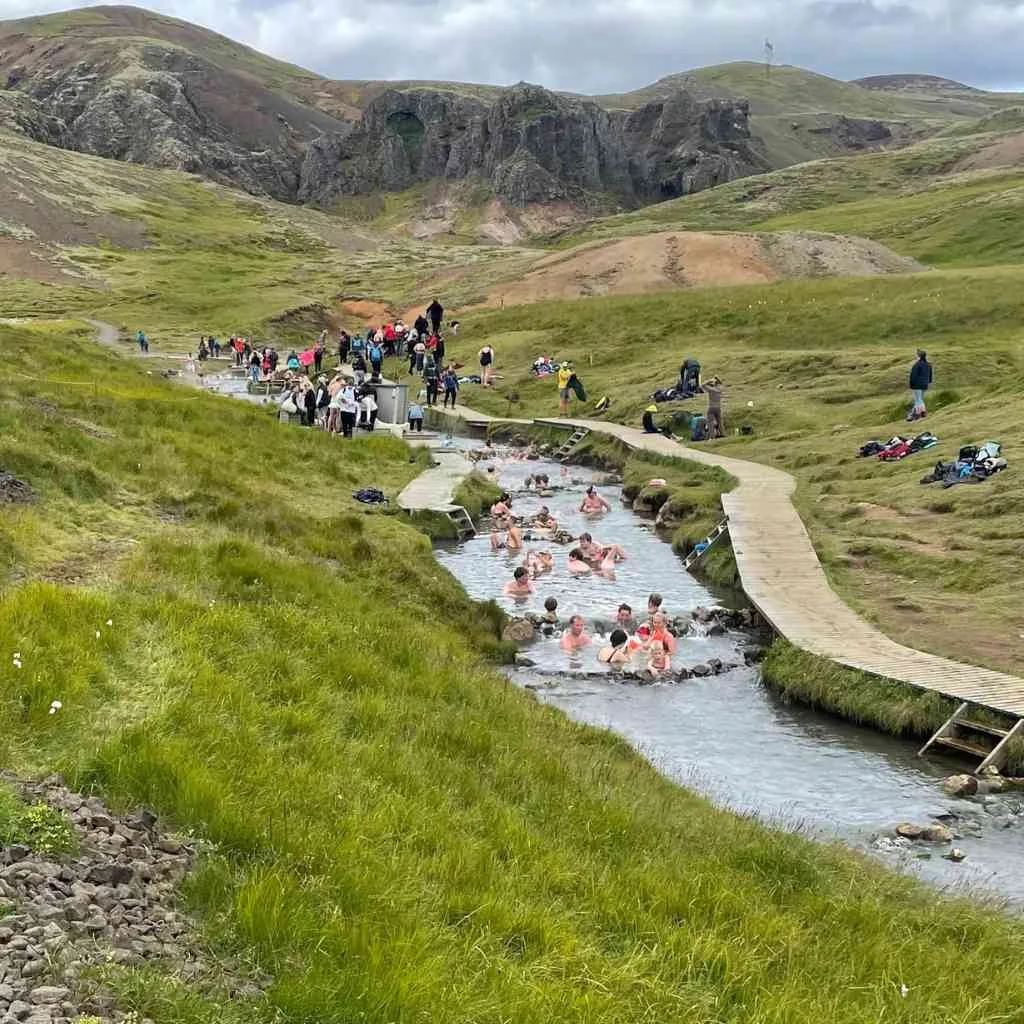
- Sections closer to where the hot and cold streams meet run noticeably hotter
- Areas farther downstream are gentler and more comfortable for longer soaks
- Visitors have arranged rocks into small dams, creating shallow pockets that are easier to settle into
- Wooden boardwalks and platforms have been built along the most popular stretch to protect the riverbank and make entry easier
Most people spend about an hour in the water. There are no changing rooms with walls at every point, though basic wooden shelters exist near the busiest section — bringing a towel to change under is a good backup plan.
Best Time to Visit Reykjadalur
- Summer (June–August): long daylight hours, the most reliable trail conditions, and the busiest crowds
- Shoulder seasons (May, September): fewer people, still generally hikeable, but weather is less predictable
- Winter: possible but genuinely risky without local knowledge ice, short daylight, and closures are common
Reykjadalur in Winter: Safety Considerations
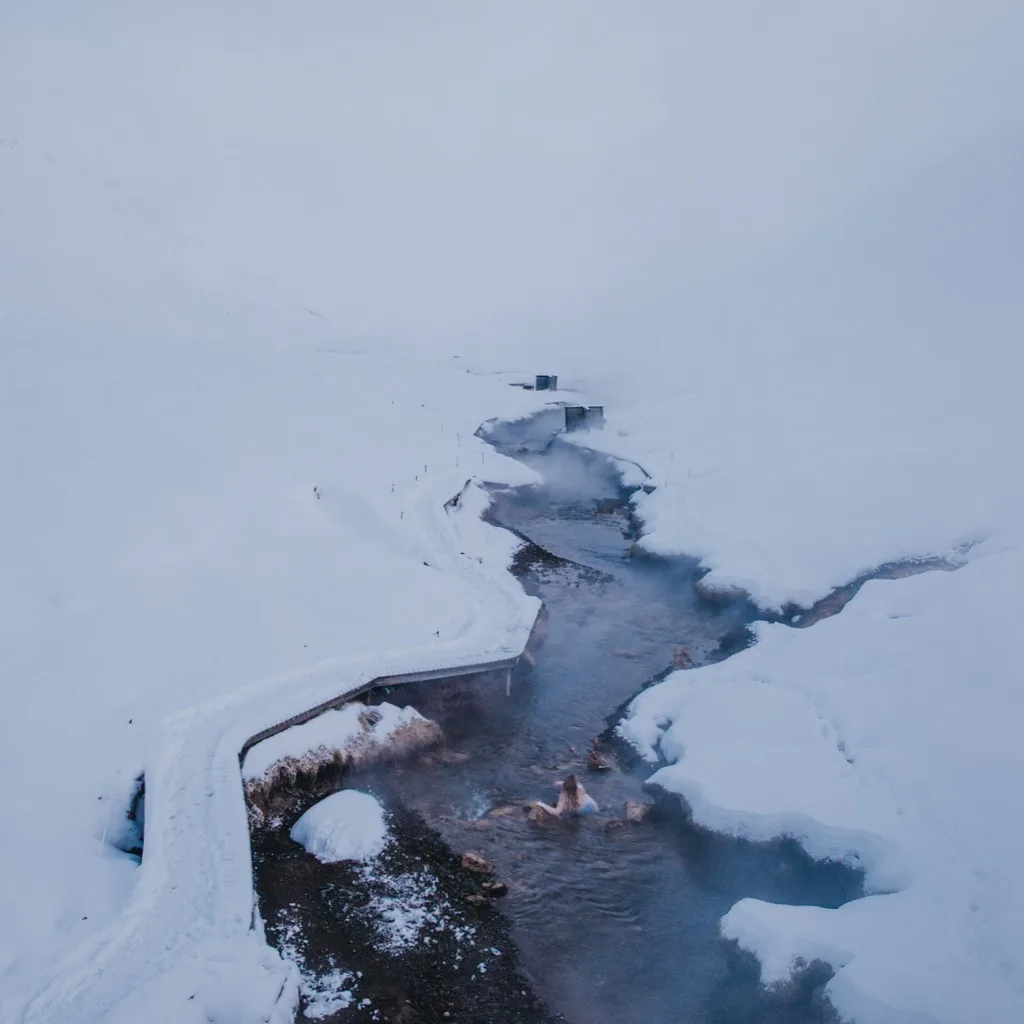
The trail has been closed multiple times in recent years to let the ground and vegetation recover from heavy winter foot traffic, and icy, snow-covered sections have caused injuries among unprepared hikers. If a winter visit is the plan, joining a guided tour is the safer option, and checking real-time trail status is non-negotiable. Iceland’s Safe Travel map, maintained by Icelandic search and rescue teams, is the best way to confirm which areas are closed before setting out.
What to Pack for the Hike
- Sturdy hiking boots with good grip
- A swimsuit worn under your clothes to save time at the river
- A quick-dry towel
- Layered, weatherproof clothing — Icelandic weather shifts fast
- Water and a snack, since there are no shops along the trail
- A reusable bag for your own trash, as there are no bins in the valley
Safety Tips Around the Geothermal Area
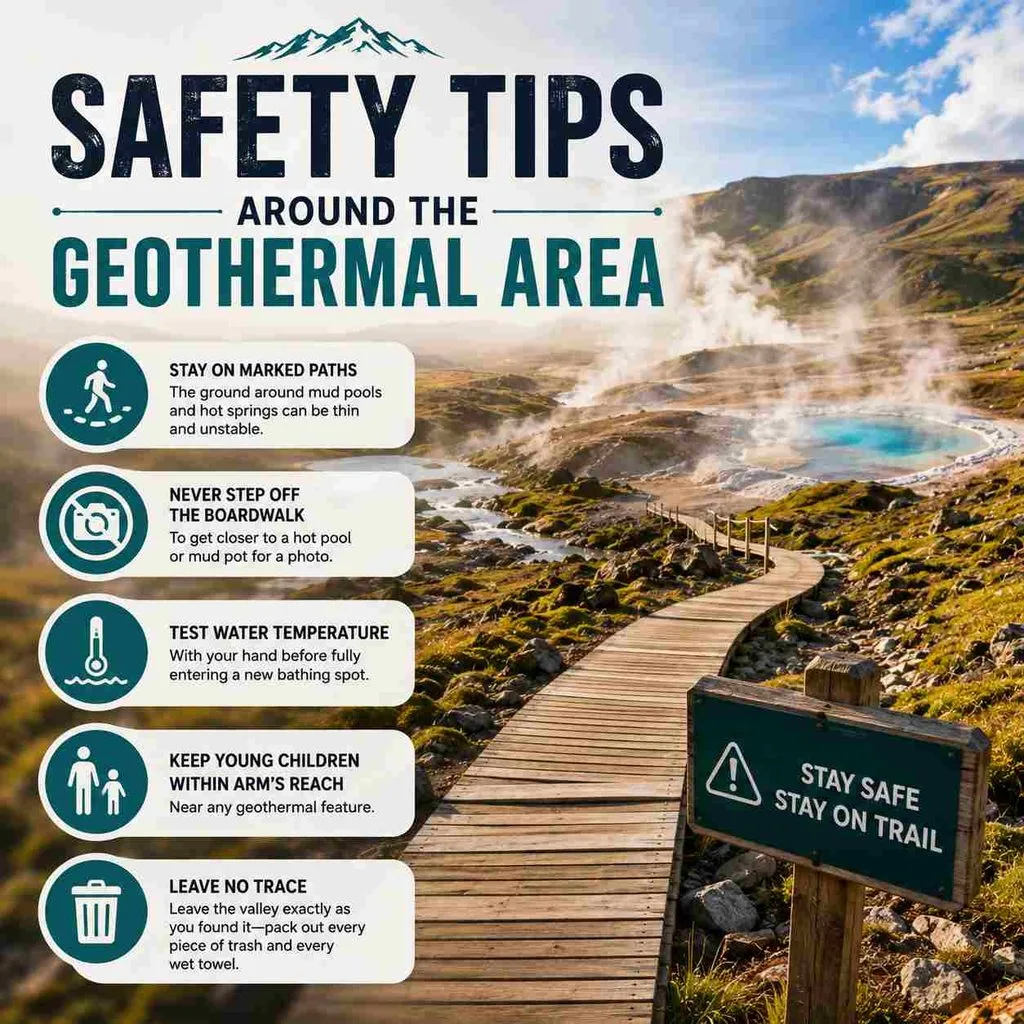
- Stay on marked paths at all times — the ground around mud pools and hot springs can be thin and unstable
- Never step off the boardwalk to get closer to a hot pool or mud pot for a photo
- Test water temperature with your hand before fully entering a new bathing spot
- Keep young children within arm’s reach near any geothermal feature
- Leave the valley exactly as you found it — pack out every piece of trash and every wet towel
Icelandic geothermal areas are genuinely fragile, and the guidance from Visit Iceland, the country’s official tourism board, is consistent across every geothermal attraction in the country: stick to marked trails and treat every steaming patch of ground as potentially dangerous.
Where to Stay Near Reykjadalur
Hveragerði and the surrounding area have a range of places to base yourself for the night before or after the hike:
- Hotels: including options with their own geothermal hot tubs by the Varmá river
- Guesthouses and hostels: several budget-friendly choices within a short drive of the trailhead
- Camping: the nearest official campsite is in Hveragerði itself, with showers, hot water, and a hot tub on-site; wild camping is not permitted in the area
Staying overnight nearby means you can hit the trail early, before the parking lot fills and before the crowds catch up with you in the valley.
Other Hot Springs and Geothermal Spots Worth Exploring

Iceland has no shortage of geothermal wonders beyond Reykjadalur, and pairing this hike with a broader hot springs itinerary is a natural next step for any South Iceland trip. Readers planning a wider Icelandic or California-style hot springs circuit can browse more soaking destinations and trip ideas over on CATravelTimes, which covers hot spring travel more broadly for those comparing natural bathing spots across different regions.
Nearby geothermal areas worth a look if time allows:
- The Hengill Geothermal Area at Nesjavellir
- Geysir Geothermal Area in the Golden Circle
- Kerið Crater, a short detour from Hveragerði
Final Thoughts Reykjadalur Hot Spring Thermal River
The Reykjadalur hot spring thermal river earns its reputation as one of the best free, natural bathing experiences in Iceland a modest hike followed by a genuinely relaxing soak in a river warmed by the earth itself. Respecting the trail, checking conditions before heading out, and packing the right gear are really the only things standing between a visitor and a memorable afternoon in the valley.
FAQs About Reykjadalur Hot Spring Thermal River
How long does the hike to Reykjadalur take?
Plan for 45–75 minutes each way, plus about an hour for bathing, so budget at least 3 hours total for the round trip.
Is the Reykjadalur hot spring thermal river free to visit?
Yes, there is no entrance fee to hike the trail or bathe in the river, though parking may involve a small fee at times.
Can beginners do this hike?
Yes, it’s considered easy-to-moderate and suitable for most fitness levels, though the uphill sections and one narrow gravel stretch require steady footing.
Is it safe to visit Reykjadalur in winter?
It can be, but only with proper gear, daylight planning, and a checked trail status — a guided tour is the safer option in winter months.
What should I bring to bathe in the river?
A swimsuit, a towel, and layered clothing for the changing weather, plus water and snacks since nothing is sold along the trail.