
Exchange Euro (EUR) to Bitcoin (BTC)
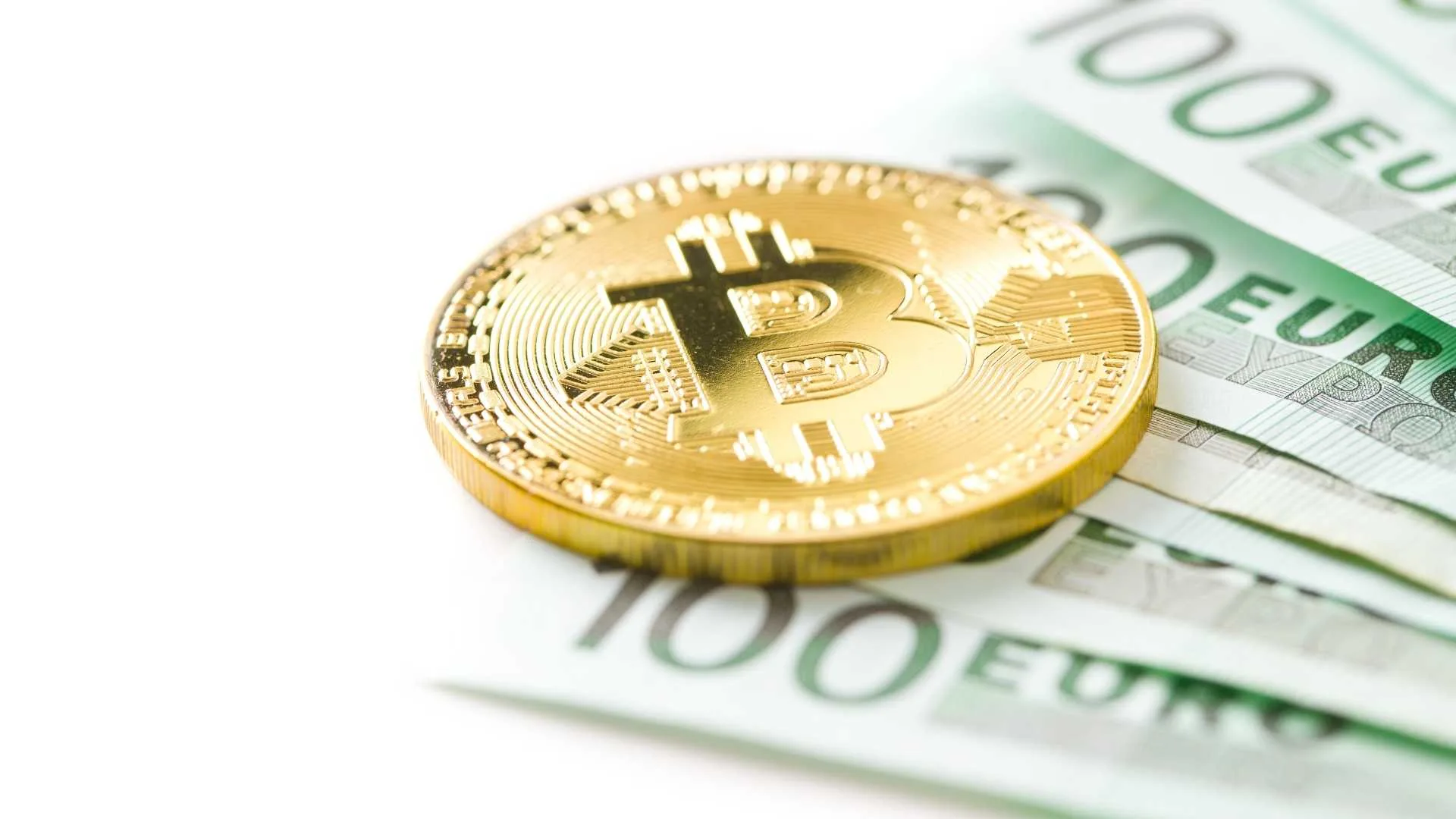
Exchanging euros (EUR) for Bitcoin (BTC) offers several advantages, such as Bitcoin’s limited supply, the ability to self-custody your coins, and access to the global cryptocurrency market. However, there is a flip side: high volatility, technical risks, and no guarantee of returns. Therefore, it is crucial to carefully weigh all factors before purchasing cryptocurrency.
Reasons to keep your capital in euros (EUR)
While Bitcoin is attractive due to its potential for growth, the euro serves a different financial purpose. It is a currency that can be used for daily expenses, paying for goods and services, and planning future payments—all without the need to first convert a virtual asset. Consequently, keeping funds in EUR may be a more rational choice, even if the prospects for Bitcoin appear appealing.
The following reasons are particularly significant:
- You will need the funds in the near future. If your euros are earmarked for rent, education, medical expenses, taxes, or a major purchase, exposing them to Bitcoin’s volatility is risky. By the time a payment is due, the price of BTC could drop, forcing you to sell more coins or lock in a loss to cover the required amount.
- Budget predictability is important. It is easier to plan expenses denominated in euros when the necessary funds remain in that same currency. Purchasing Bitcoin introduces additional uncertainty: the value of your holdings in EUR can fluctuate even if the number of coins you own remains constant.
- You lack a financial reserve for unforeseen expenses. It is more prudent to keep funds for urgent needs in an accessible form, rather than relying on the ability to sell cryptocurrency at an opportune moment. The market is not aligned with your personal needs, so you cannot count on securing a favorable exchange rate or executing a transaction quickly.
- You are unwilling to take on risk for the sake of uncertain returns. Bitcoin offers no guarantee of profit, nor does it pay a fixed interest rate for holding the coins. If the potential for growth does not outweigh the risk of a significant decline, keeping your funds in euros is the better option.
- Quick access to your money is important. Converting BTC back into euros requires selling it through a service, which may involve additional verification checks or waiting periods for withdrawals. For funds that might be needed immediately, this reliance on cryptocurrency market infrastructure can be inconvenient.
Furthermore, it is best to forgo a transaction if you have any doubts about the terms of the purchase. If an exchange’s fees are too high, the final exchange rate is noticeably worse than the market rate, or the payout terms are not sufficiently transparent, there is no reason to proceed simply for the sake of becoming a crypto investor. You can evaluate various offers for exchanging EUR to BTC at www.bestchange.com/visa-mastercard-euro-to-bitcoin.html, which provides tools such as rankings, a calculator, reviews, and user feedback.
Nuances of holding savings in EUR
It should be noted that the euro is not a perfectly secure means of preserving purchasing power either. Inflation gradually erodes the real value of money, and the EUR exchange rate fluctuates against other currencies. For instance, in its September forecasts this year, the European Central Bank projected inflation in the eurozone to be 2.5% in 2027 under its baseline scenario.
Ultimately, the choice between the euro and Bitcoin is not about finding an “ideal” asset, but rather about determining what works best for your specific situation. The EUR is more convenient for day-to-day expenses and financial obligations, while BTC offers exposure to the cryptocurrency market—albeit with significant price risk. It is essential to consider not only potential returns but also when you might need the funds and how difficult it would be for you to absorb a potential decline in value.