Do Not Travel Warning 21 Countries: What Travelers Should Know
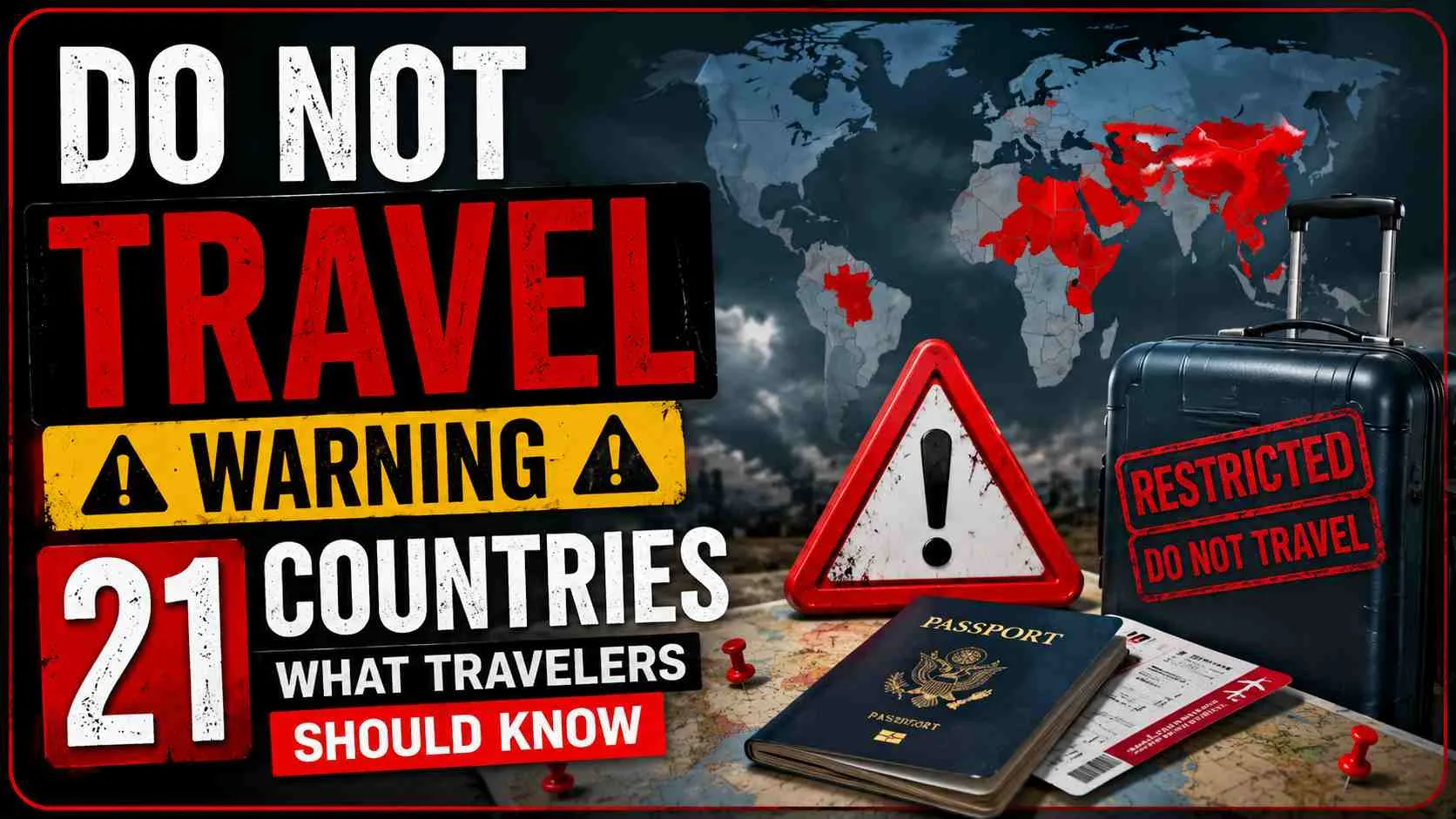
If you’re planning international travel, you’ve likely come across headlines about the do not travel warning 21 countries list issued by the U.S. State Department. This designation the highest level on the government’s four-tier advisory scale flags destinations where American citizens face life-threatening risks, from active conflict to wrongful detention.
This guide breaks down which countries are affected, why they made the list, how the advisory system works, and where to find safer destinations through resources like CA Travel Times for your next trip.
What Is a “Do Not Travel” Advisory?
The U.S. Department of State issues Travel Advisories for every country in the world, ranking them from Level 1 (exercise normal precautions) to Level 4 (do not travel). A Level 4 advisory is reserved for places where the risk to life is severe enough that the government advises citizens to avoid travel entirely — or leave immediately if already there.
According to the official State Department travel advisory page, a Level 4 designation often means the U.S. government has very limited or no ability to help Americans in these countries, including during emergencies like natural disasters, civil unrest, or detention.
Why the “21 Countries” Number Keeps Circulating
The figure “21” comes from a specific point in 2025 when the list expanded rapidly eight new countries were added that year alone, pushing the do not travel warning 21 countries total into headlines across major outlets. While the exact count fluctuates as advisories are reviewed and updated, “21” became the widely cited benchmark figure that most people search for when trying to understand the scope of the list.
The Do Not Travel Warning 21 Countries List
Here is the list of nations that reached Level 4 status when the do not travel warning 21 countries figure first made headlines:
- Afghanistan
- Belarus
- Burkina Faso
- Burma (Myanmar)
- Central African Republic
- Democratic Republic of the Congo
- Haiti
- Iran
- Iraq
- Lebanon
- Libya
- Mali
- North Korea
- Russia
- Somalia
- South Sudan
- Sudan
- Syria
- Ukraine
- Venezuela
- Yemen
These countries shared common threads: active armed conflict, kidnapping risk, terrorism, wrongful detention of foreign nationals, or a total breakdown of medical and emergency infrastructure.
Understanding the Four Travel Advisory Levels
The State Department’s rating system exists to give travelers a quick, standardized way to judge risk before booking a trip. Here’s how the four levels break down:
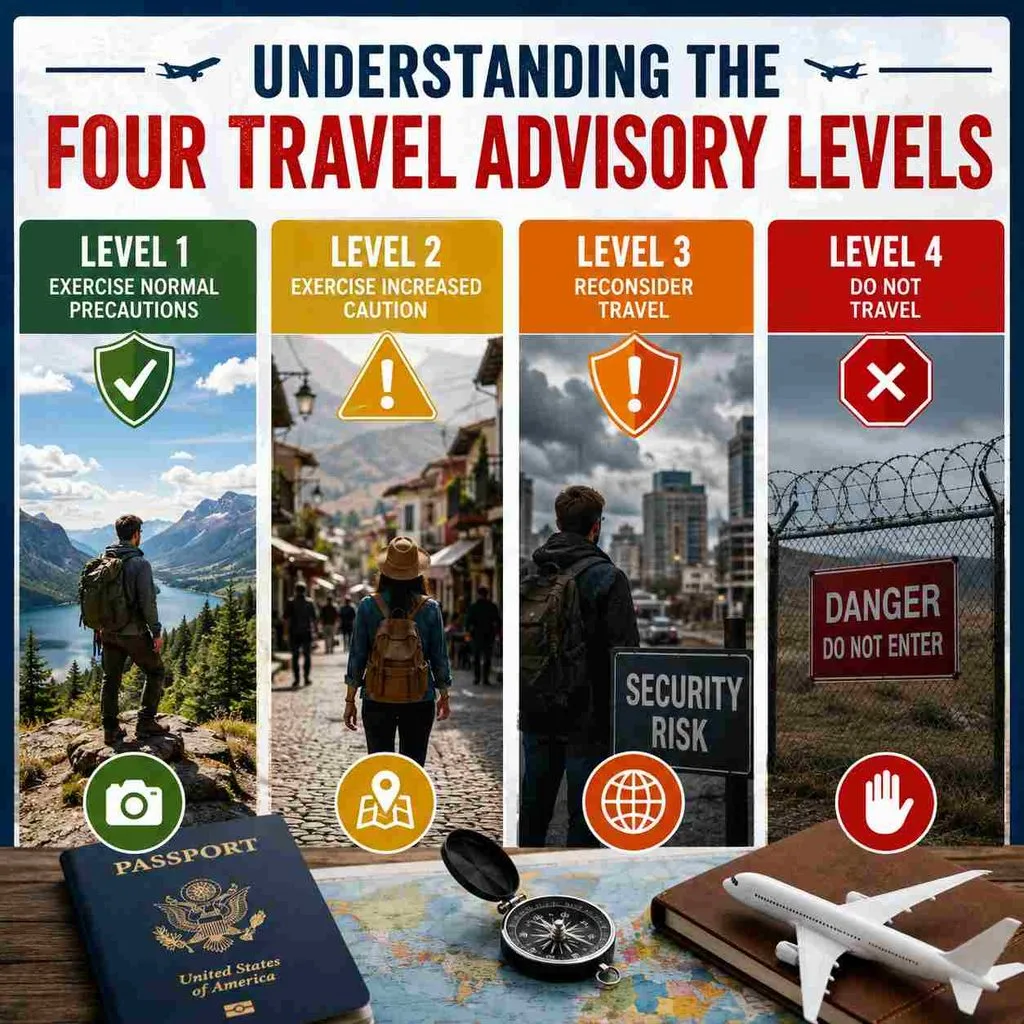
- Level 1 – Exercise normal precautions: The lowest risk category; standard travel safety awareness applies.
- Level 2 – Exercise increased caution: Be alert to specific, described risks such as petty crime or occasional unrest.
- Level 3 – Reconsider travel: Serious safety and security risks exist; travel should be carefully weighed.
- Level 4 – Do not travel: The highest advisory level, indicating life-threatening danger and limited government assistance.
How Advisories Get Reviewed
Levels 1 and 2 are reviewed roughly every 12 months, while Levels 3 and 4 are reviewed at least every six months — or sooner if conditions change dramatically, such as an embassy drawdown or a sudden security crisis.
Why These Countries Made the Do Not Travel List
Each Level 4 advisory is tied to specific, documented risk indicators. The State Department labels these clearly on every country page:
- Crime (C): High risk of violent or organized crime with limited local law enforcement response.
- Terrorism (T): Active terrorist threats or recent attacks targeting foreign nationals.
- Civil Unrest (U): Political instability, protests, or armed conflict that can block access to help.
- Health (H): Collapsed or unreliable medical infrastructure, making emergency care unavailable.
- Kidnapping or Hostage-Taking (K): Elevated risk of criminals or armed groups targeting foreigners.
- Wrongful Detention (D): Risk of a government arbitrarily detaining U.S. citizens, often for political leverage.
Countries like Afghanistan, Syria, and Somalia carry nearly every one of these risk tags simultaneously, which is part of why they’ve remained on the list for years without improvement.
Do Not Travel Warning 21 Countries: The Europe Connection
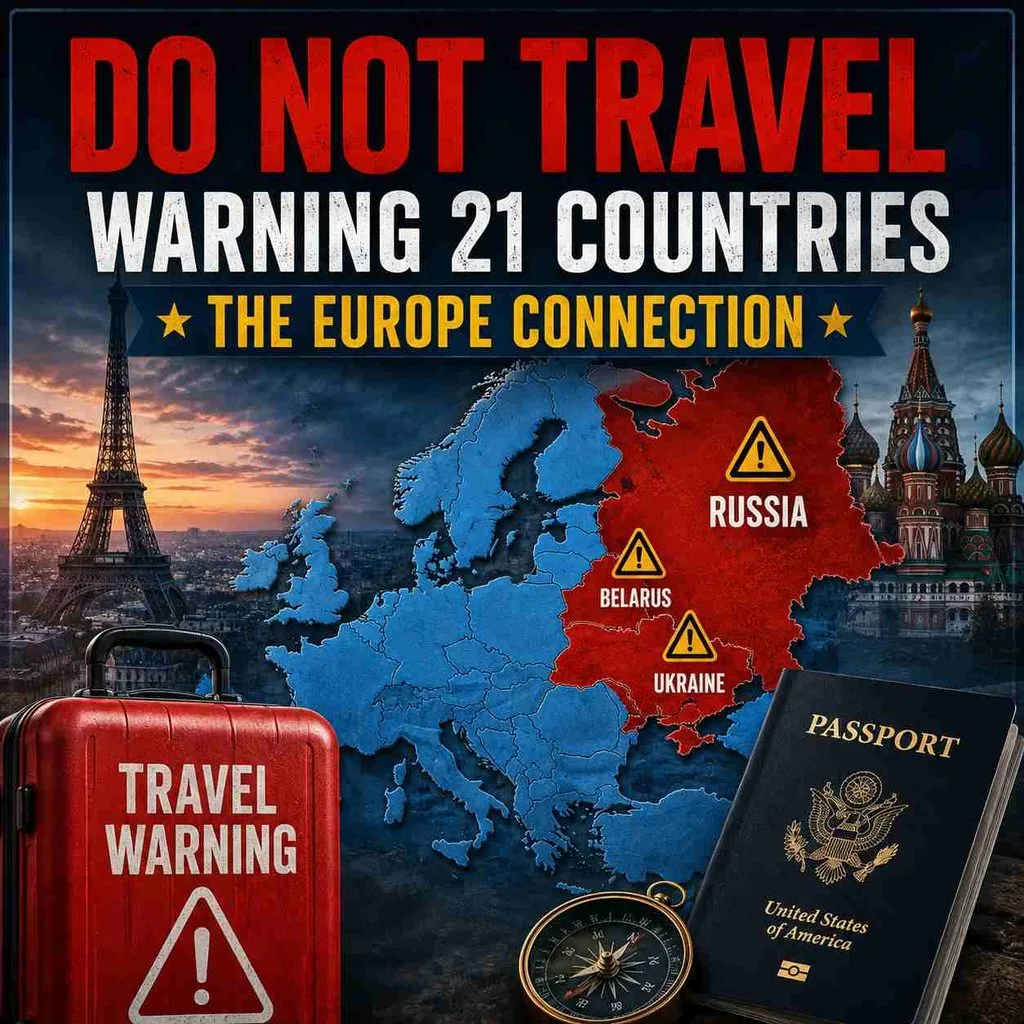
A common search variation is “do not travel warning 21 countries Europe,” and it’s a fair question — most people don’t associate Europe with Level 4 danger zones. However, two countries technically within Europe’s geographic and political sphere are included:
- Russia — flagged for unrest, terrorism, wrongful detention, and severely limited U.S. consular support.
- Belarus — flagged for unrest and the risk of arbitrary detention of foreign visitors, particularly since the closure of most U.S. diplomatic operations there.
Ukraine, while geographically in Europe, is included primarily due to the ongoing conflict. Beyond these three, the rest of the European continent remains at Level 1 or Level 2, making it one of the safer regions for American travelers overall.
Has the List Changed Since the “21 Countries” Milestone?
Travel advisories are not static. Since the original do not travel warning 21 countries count made headlines, the list has continued to shift:
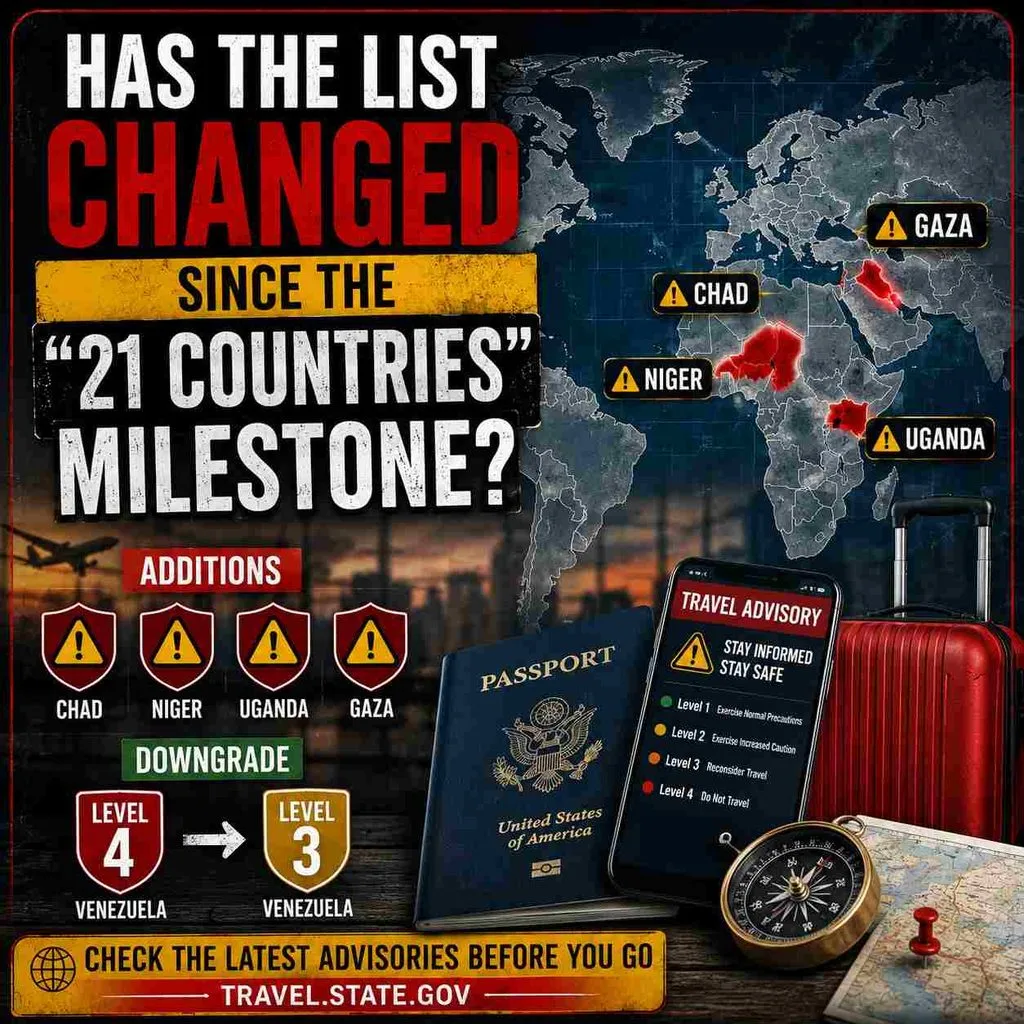
- Additions: Chad, Niger, Uganda, and Gaza have since been elevated to Level 4 due to worsening security and health conditions.
- Downgrades: Venezuela was later moved to Level 3 (“Reconsider Travel”) as conditions were reassessed.
This constant movement is exactly why travelers shouldn’t rely on outdated lists — always check the current advisory table on travel.state.gov before finalizing any international itinerary.
What This Means for U.S. Travelers
A Level 4 advisory isn’t just a warning label — it has real, practical consequences:
- Travel insurance: Many policies exclude coverage for trips to Level 4 destinations, or charge significantly higher premiums.
- Consular support: The U.S. embassy or consulate may have reduced staffing or no presence at all, limiting emergency assistance.
- Airline and visa restrictions: Some carriers suspend routes entirely, and visa processing can become unpredictable.
- STEP enrollment: Travelers who do proceed are strongly encouraged to enroll in the Smart Traveler Enrollment Program for direct alerts from the nearest embassy.
Why the List Matters Beyond Individual Trips
Businesses, NGOs, journalists, and study-abroad programs also use this list to make policy decisions about deploying staff or students overseas. A Level 4 designation can trigger duty-of-care obligations that override personal travel preferences.
Exploring Safer, Rewarding Alternatives
With so much attention on the do not travel warning 21 countries list, many travelers are redirecting their plans toward safer, equally rewarding destinations. Relaxing options like hot springs retreats have become popular low-risk alternatives, and local travel guides can help you plan a trip that balances adventure with peace of mind.
How to Stay Safe If You Must Travel to a High-Risk Country
Some travelers — aid workers, journalists, or those with family ties may need to visit a Level 3 or Level 4 country despite the risks. If that’s your situation, consider these precautions:
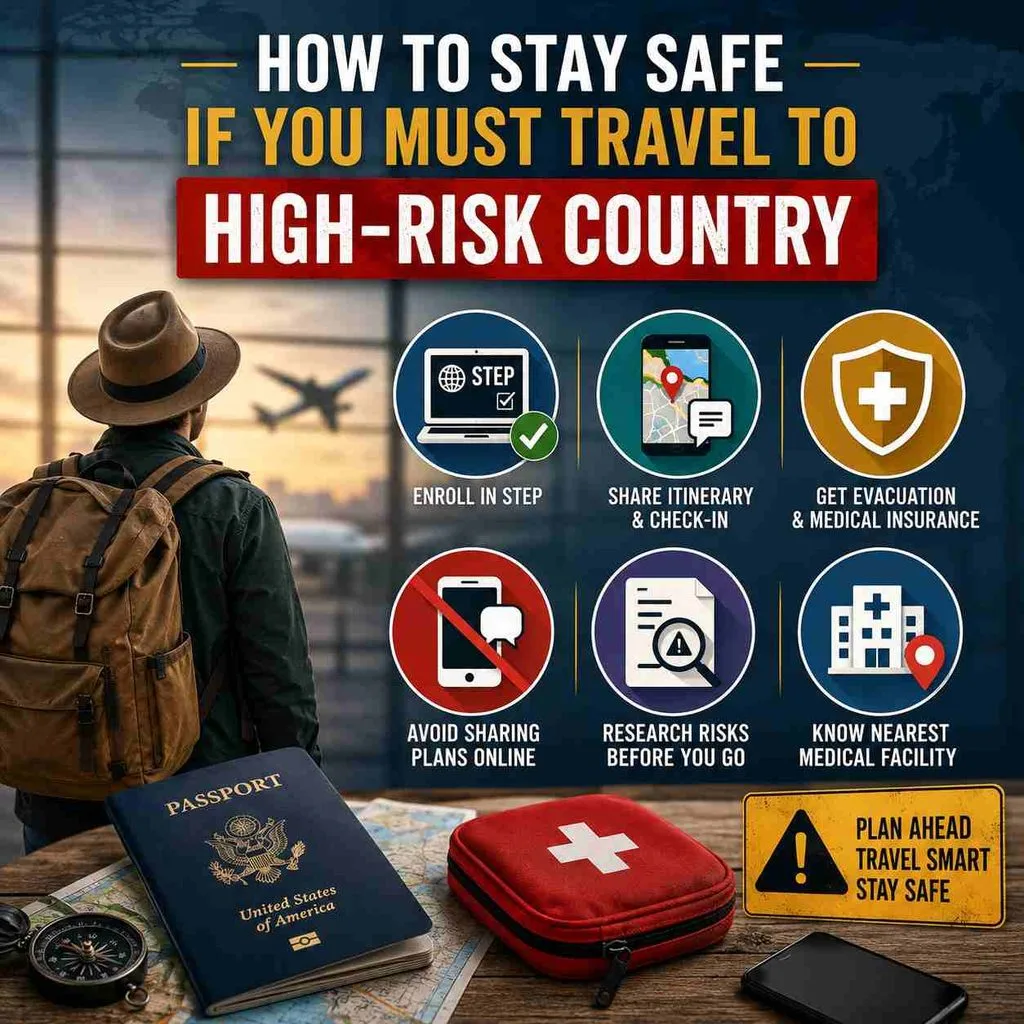
- Enroll in STEP so the nearest embassy can reach you in a crisis.
- Share your itinerary and check-in schedule with someone at home.
- Purchase comprehensive evacuation and medical insurance before departure.
- Avoid publicizing your travel plans or location on social media in real time.
- Research the specific risk indicators (crime, terrorism, health, etc.) listed on your destination’s advisory page.
- Identify the nearest functioning medical facility before you arrive.
Final Thoughts
The do not travel warning 21 countries list remains one of the most searched travel safety topics, representing the clearest signal on where American lives are genuinely at risk abroad.
Before booking any trip, check the latest advisory for your destination, enroll in STEP if needed, and consider redirecting your plans toward safer picks like a hot springs getaway found through CA Travel Times.
Frequently Asked Questions
What are the do not travel countries right now?
Current Level 4 countries include Afghanistan, Belarus, Burkina Faso, Burma, Chad, DRC, Gaza, Haiti, Iran, Iraq, Lebanon, Libya, Mali, Niger, North Korea, Russia, Somalia, South Sudan, Sudan, Syria, Uganda, Ukraine, and Yemen.
What countries have issued travel warnings to the U.S.?
Countries like the UK, Canada, and Germany have issued advisories warning citizens about U.S. risks such as gun violence and stricter border screening procedures.
Is the do not travel advisory legally binding?
No. It’s a strong recommendation, not a legal ban. Citizens can still travel, but with reduced government support and greater personal risk.