Pink Sand St Thomas Beach: Lindquist Beach Guide 2026

Tucked away on the northeast coast of the U.S. Virgin Islands, the pink sand st thomas beach is the kind of spot that rarely makes it onto a cruise excursion flyer and that’s exactly why locals love it. Officially named Smith Bay Park but known to nearly everyone as Lindquist Beach, this 21-acre protected shoreline pairs calm turquoise water with a soft blush-toned shore, framed by coconut palms and sea grape trees.
Here at CATravelTimes, we track hidden coastal gems like this one around the world, and this stretch of St. Thomas is one of our favorites. If you’re planning a trip to St. Thomas and want to see this rosy-hued stretch of coast for yourself, here’s everything you need to know before you go.
What Is the Pink Sand St Thomas Beach?
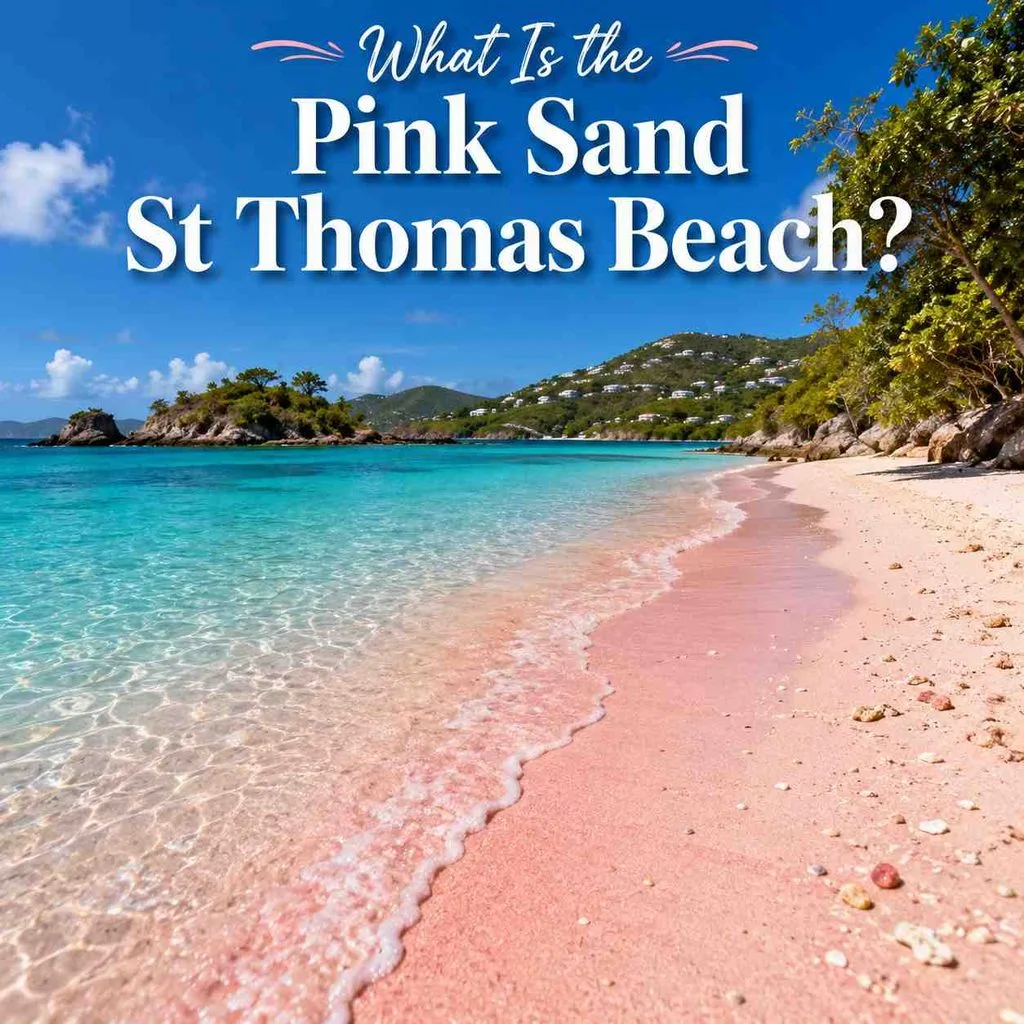
The pink sand st thomas beach goes by several names Lindquist Beach, Secret Sands, or officially, Smith Bay Park. All describe the same half-mile shoreline on the island’s East End, between Cabes Point and Coki Point. Since the U.S. Virgin Islands government purchased this 21-acre stretch in 2006, it has stayed protected from commercial development, so you won’t find towering hotels, jet-ski vendors, or beach bars here. Instead, it’s just sand, calm water, and shade trees, maintained by the Magens Bay Authority, the same organization behind the island’s well-known Magens Bay Beach.
Why Is the Sand Pink?
The rosy tint comes from tiny fragments of coral, shell, and foraminifera — microscopic marine organisms with calcium carbonate shells — that mix into the beach’s white quartz sand over time. The color is subtle rather than saturated, most visible in direct sunlight or against wet sand near the shoreline, and it shifts in intensity depending on the light and time of day.
Pink Sand St Thomas Beach Location and Map
- Location: Northeast side of St. Thomas, on the East End between Cabes Point and Coki Point roughly 10 minutes from Red Hook and 20–25 minutes from Charlotte Amalie.
Because the U.S. Virgin Islands doesn’t use a standardized street address system, it helps to search the pink sand st thomas beach on Google Maps under “Smith Bay Park” or “Lindquist Beach” before setting off, using Coki Point or Sapphire Beach as nearby landmarks. From the sand, you’ll also get clear sightlines across the water toward St. John and the British Virgin Islands, a view photographers particularly favor on clear days.
How to Get to Lindquist Beach
Getting there is straightforward whether you’re driving, taking a taxi, or coming from a nearby resort:
- From Red Hook Ferry Terminal: About a 10-minute drive via Smith Bay Road/Highway 38.
- From Charlotte Amalie or the cruise ship docks: Roughly 20–25 minutes by taxi or rental car.
- From Sapphire Beach or other East End resorts: Under 5 minutes.
- By taxi: Drivers know the park by either “Smith Bay Park” or “Lindquist Beach,” so either name works when booking a ride.
From Red Hook, follow Smith Bay Road for about a mile until an unmarked turnoff and parking area appear on the right — that’s the entrance. If you enjoy tracking down these kinds of off-the-radar routes, CATravelTimes documents similar backroad access points to hidden beaches and natural spots around the world.
Entrance Fees, Parking & Park Hours
Smith Bay Park charges a modest entry fee that goes toward maintaining the grounds and facilities. Rates can shift seasonally, so it’s worth double-checking current pricing on the Magens Bay Authority’s official site before your visit, but generally you can expect:
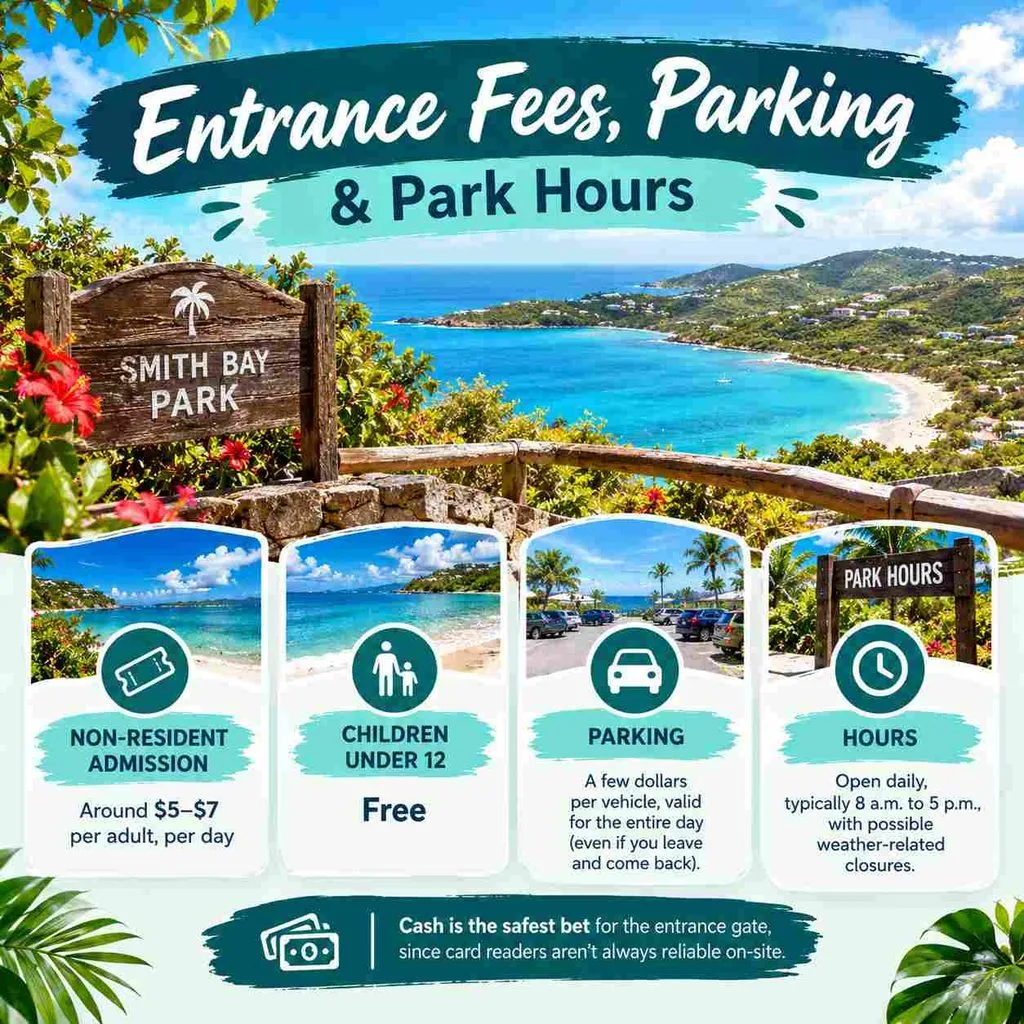
- Non-resident admission: Around $5–$7 per adult, per day
- Children under 12: Free
- Parking: A few dollars per vehicle, valid for the entire day (even if you leave and come back)
- Hours: Open daily, typically 8 a.m. to 5 p.m., with possible weather-related closures
Cash is the safest bet for the entrance gate, since card readers aren’t always reliable on-site.
Amenities at Smith Bay Park
Facilities here are intentionally minimal, which is part of what keeps the pink sand st thomas beach feeling untouched:
- Restrooms and rinse-off showers near the parking area
- Lifeguards on duty during regular daytime hours
- Shaded picnic tables scattered throughout the park
- Rentable pavilions for group gatherings or small events
- Beach chair rentals available on-site through the Magens Bay Authority
There are no food or drink vendors, so plan to pack a cooler, bring your own snorkel gear, and apply sunscreen before you arrive — reef-safe formulas are strongly encouraged to protect the nearby coral.
Things to Do at the Beach
Despite its quiet reputation, there’s a solid range of activities for different types of travelers.
Swimming and Snorkeling
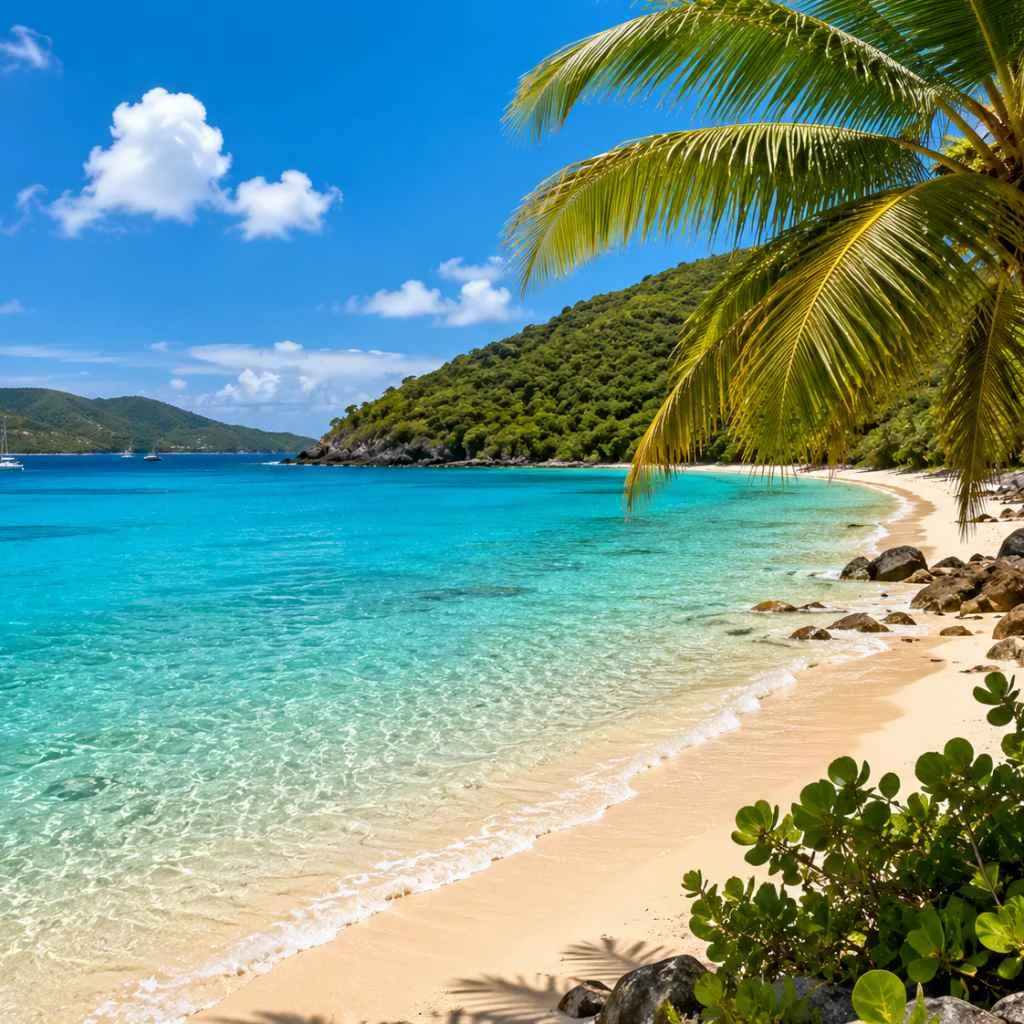
The bay’s calm, protected waters make it one of the safer swimming spots on the island, with a gradual depth progression that’s comfortable for kids and cautious swimmers alike. Snorkeling is best along the rocky edges of the bay, where you might spot sea turtles, tropical fish, stingrays, and the occasional juvenile shark moving through the seagrass beds — just remember to bring your own gear, since none is rented on-site.
- Beachcombing and tide pools: The shallow western shelf forms natural tide pools full of crabs, sea urchins, starfish, and small snails — a favorite for families with kids.
- Photography: Early morning and late afternoon light bring out the sand’s blush tone most vividly, with St. John and the BVI as a backdrop.
- Picnicking under the trees: Sea grape trees and coconut palms offer natural shade on either side of the beach, with the open middle stretch better suited to sunbathers.
Wildlife and Natural Environment
Because Smith Bay Park is a protected reserve, its ecosystem extends well beyond the shoreline itself:
- Iguanas commonly bask along the tree line
- Shorebirds and wading birds frequent the tide pools on the western side
- Sea turtles are occasionally spotted just offshore, especially in early morning
- Reef fish like parrotfish and wrasses inhabit the rocky bay edges
- Roosters are known to wander the grounds and mingle with beachgoers
Visitors are asked to keep a respectful distance from wildlife and avoid disturbing the tide pool habitats.
Best Time to Visit Lindquist Beach
- Time of day: Early morning brings the calmest water and best photography light; sunset visits offer dramatic color over the water toward St. John.
- Weekday vs. weekend: Weekdays are quiet and low-key; weekends bring more local families and a livelier atmosphere.
- Season: St. Thomas stays warm year-round (roughly 77–88°F), with the dry season from December through April drawing the most visitors, while the June–October stretch offers thinner crowds despite overlapping with hurricane season.
Nearby Attractions to Pair With Your Visit
Once you’ve had your fill of the pink sand st thomas beach, the East End has plenty more worth exploring:

- Coral World Ocean Park — About 15 minutes away, with undersea observatories and marine life exhibits.
- Coki Point Beach — A more active alternative nearby, with vendors and excellent shore snorkeling.
- Red Hook — The area’s main hub for dining and ferry connections.
- Ferry to St. John — Regular departures from Red Hook to Cruz Bay, where the beaches of Virgin Islands National Park, including Trunk Bay and Cinnamon Bay, are worth the short trip.
If unusual natural landscapes are part of what draws you to travel, it’s worth noting that pink and rose-tinted sand isn’t the only geological curiosity worth chasing on a trip — our team at CATravelTimes covers everything from coastal beach finds like this one to inland natural wonders, including our guide to Avila Beach Hot Springs, a mineral-rich soak on the California coast for travelers who like pairing beach days with something a little different. You can browse our full destinations guide for more hidden coastal and natural spots worth adding to your travel list.
Insider Tips for Visiting
- Arrive early for the calmest water and softest photography light
- Bring cash for the entrance fee — card readers aren’t always available
- Pack your own snorkel gear, towels, and a cooler with food and drinks
- Wear water shoes if you plan to explore the rocky tide pools
- Use reef-safe sunscreen to protect the surrounding coral
- Reserve a pavilion in advance if you’re visiting with a larger group
Final Thoughts
Few beaches on St. Thomas combine protected natural beauty with the kind of quiet, unhurried atmosphere you’ll find at Lindquist. Whether you’re drawn by the subtle rose-colored sand, the calm snorkeling conditions, distant island views, or simply the promise of a beach day without the crowds, the pink sand st thomas beach earns its reputation as one of the island’s most rewarding stops. Pack a picnic, bring your snorkel gear, arrive early for the best light, and give yourself enough time to actually enjoy it this is a spot people tend to come back to, year after year.
Frequently Asked Questions
Is the pink sand beach really pink?
Yes, though subtly. Crushed coral, shell fragments, and foraminifera mix into white quartz sand, giving it a soft blush tone rather than a bold pink, most visible in direct sunlight.
What beach has pink sand in St. Thomas?
Lindquist Beach, officially Smith Bay Park, is the island’s only recognized pink sand beach, located on the northeast coast between Cabes Point and Coki Point.
Where is the pink sand St Thomas beach located on the map?
Search “Smith Bay Park” or “Lindquist Beach” on Google Maps — it sits along Smith Bay Road/Highway 38, about a mile off Route 38 from Red Hook.