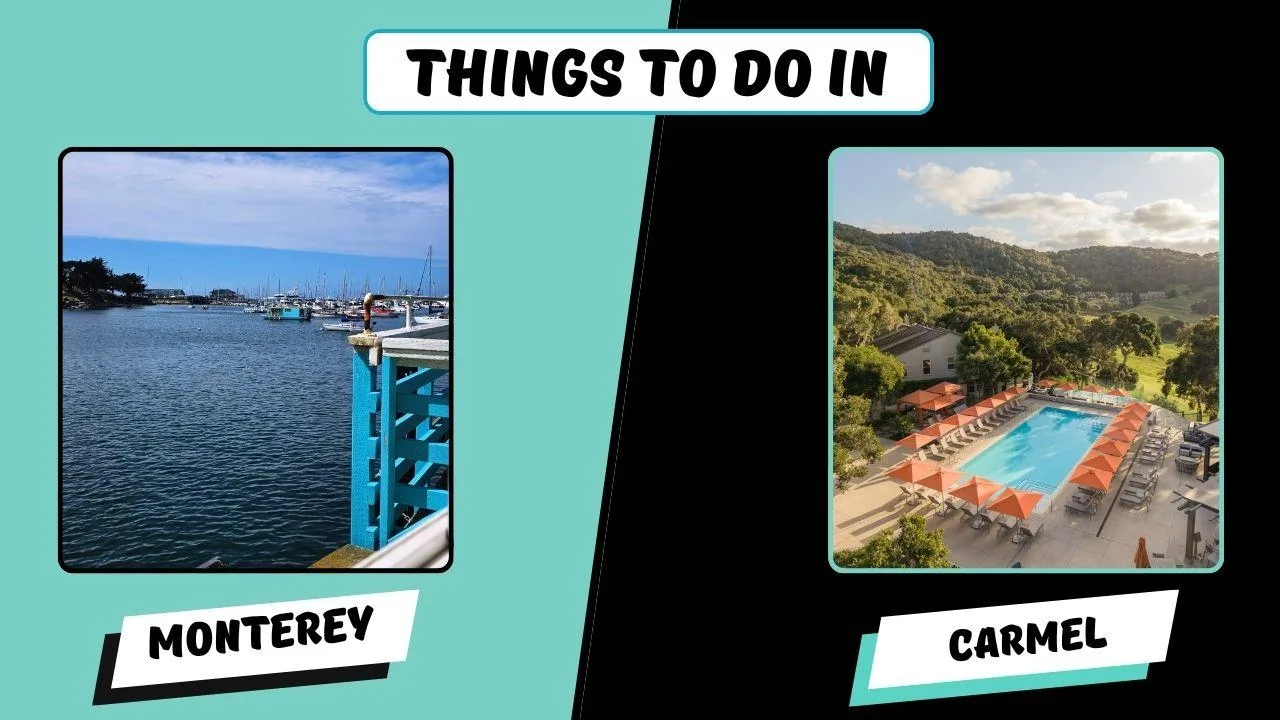
Things to Do in Monterey and Carmel: Your Ultimate California Coastal Guide 2026
Every traveler has that one destination that quietly rewires something inside them. For me, it was Monterey and Carmel. The moment I stepped onto California’s coast salty air, crashing waves, cypress trees twisted by Pacific wind I understood why people keep coming back year after year.
These two towns sit just five miles apart yet offer something truly unforgettable: world-class marine life, fairytale architecture, art, wine, and a pace of life that finally slows you down.
If you love discovering coastal gems like these, CA Travel Times is where I share all of them. Searching for the best things to do in Monterey and Carmel? You are in exactly the right place.
What to Know Before Visiting Monterey and Carmel?
Here is everything you need to know before you pack your bags and head to this magical stretch of California coast, from scenic ocean views and charming streets to unforgettable attractions and local favorites. Discover the best Things to Do in Monterey and Carmel and make the most of your visit to these iconic California destinations.
| Detail | Info |
| Location | Central California Coast, Monterey County |
| Distance from San Francisco | ~120 miles / approx. 2 hours |
| Distance from Los Angeles | ~340 miles / approx. 5–6 hours |
| Nearest Airport | Monterey Regional Airport (MRY) |
| Best Area to Stay | Cannery Row (Monterey) or Downtown Carmel |
| Budget (per day) | $150–$350+ depending on accommodation |
| Top Activity | Whale Watching, Monterey Bay Aquarium |
| Unique Experience | Wine Tasting in Carmel Valley |
| Seasonal Highlight | Monarch Butterflies (Oct–Feb) |
| Recommended Trip Length | 2–3 days minimum |
Where Are Monterey and Carmel Located?
Getting here is easier than you think and the drive itself is part of the experience of exploring things to do in Monterey and Carmel.
- 📍 Monterey — Central California Coast, Monterey County, California, USA
- 📍 Carmel-by-the-Sea — 5 miles south of Monterey, same county, same coastline
- 🚗 From San Francisco — Head south on Highway 1 or US-101, approximately 120 miles, 2 hours
- 🚗 From Los Angeles — Drive north on US-101, approximately 340 miles, 5–6 hours
- ✈️ By Air — Fly into Monterey Regional Airport (MRY) for a direct landing, or San Jose Airport (SJC) for more flight options about 1.5 hours drive from there
- 🚌 By Bus — Greyhound and FlixBus connect nearby cities; however, a rental car is essential once you arrive to explore freely
I remember the first time I pulled off Highway 1 and the Pacific coastline just appeared no warning, just blue water stretching to the horizon with cypress trees framing the view. Monterey and Carmel sit on one of the most dramatic stretches of coastline in the United States. Both towns are compact and walkable, just five miles apart. Drive between them in ten minutes, or walk the coastal trail if the day is kind.
What is the best time to Visit Monterey and Carmel?
Choosing the right time to visit makes a huge difference in how you experience things to do in Monterey and Carmel. Both towns are genuinely year-round destinations each season brings something different and beautiful. That said, spring and fall tend to offer the sweetest balance of good weather, fewer crowds, and active wildlife.
| Season | Avg. Temp | Weather | Why Visit |
| 🌸 Spring (Mar–May) | 52°F–62°F / 11°C–17°C | Mild, some fog | Wildflowers, nesting seals, fewer tourists |
| ☀️ Summer (Jun–Aug) | 58°F–68°F / 14°C–20°C | Foggy mornings, sunny afternoons | Peak season, all attractions open |
| 🍂 Fall (Sep–Nov) | 55°F–68°F / 13°C–20°C | Warm, clearest skies | Best weather, whale watching, harvest season |
| ❄️ Winter (Dec–Feb) | 48°F–58°F / 9°C–14°C | Cool, rainy at times | Monarch butterflies, gray whale migration, no crowds |
Tip: No matter when you visit, always bring a light jacket. The ocean breeze along the Monterey Peninsula is real even in August, evenings get genuinely cold.
15 Best Things to Do in Monterey and Carmel
1. Visit the Monterey Bay Aquarium
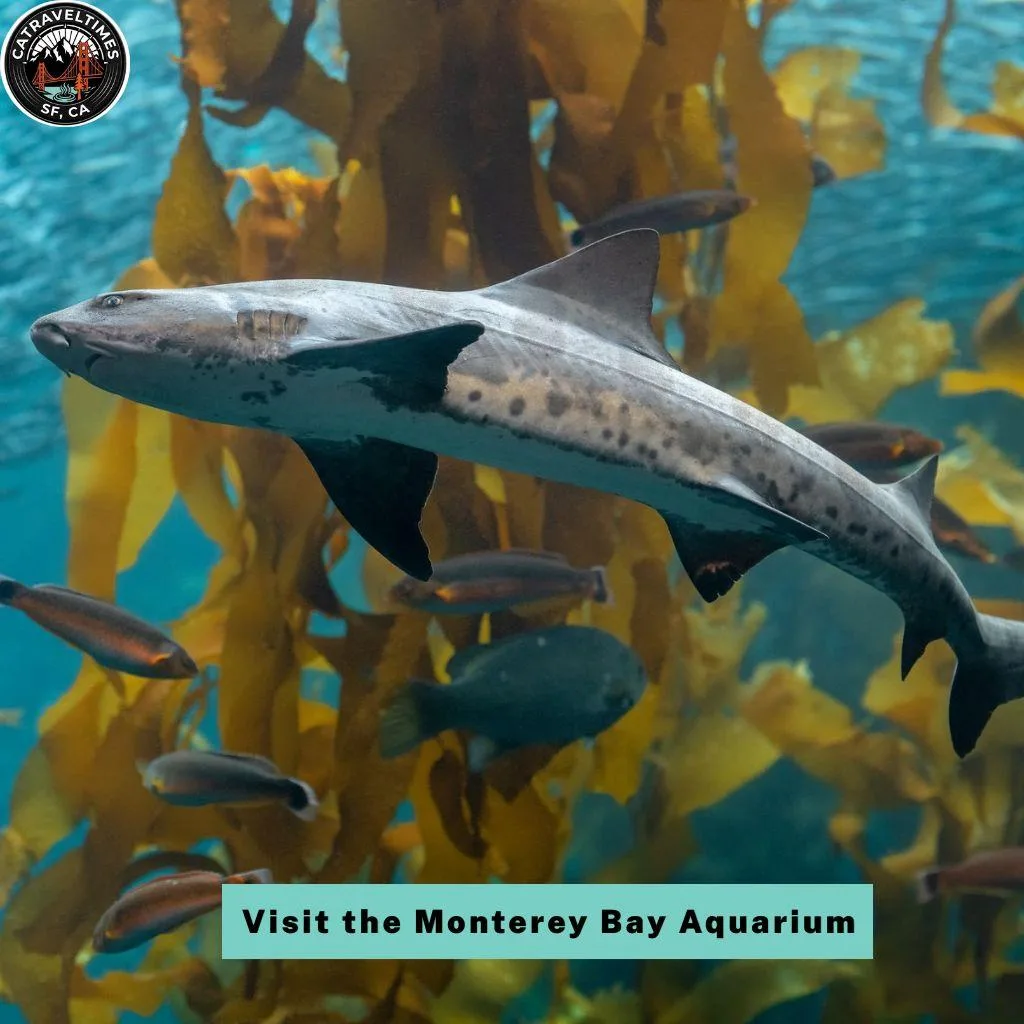
The Monterey Bay Aquarium is one of the top marine science institutions in the world, built right on the edge of Cannery Row in Monterey. The Giant Kelp Forest tank, where scuba divers maintain 28-foot kelp columns daily, is unlike anything you have ever seen.
The Open Sea exhibition features a 90-foot window with tuna and sardines circling in mesmerizing schools. If you’re looking for the best Things to Do in Monterey and Carmel, this world-famous aquarium is easily one of the top attractions and a half-day experience worth adding to your itinerary.
💡 Pro Tip: Enter two to three hours before closing to avoid peak crowds. Book tickets online in advance on weekends the line gets long fast.
2. Explore Cannery Row
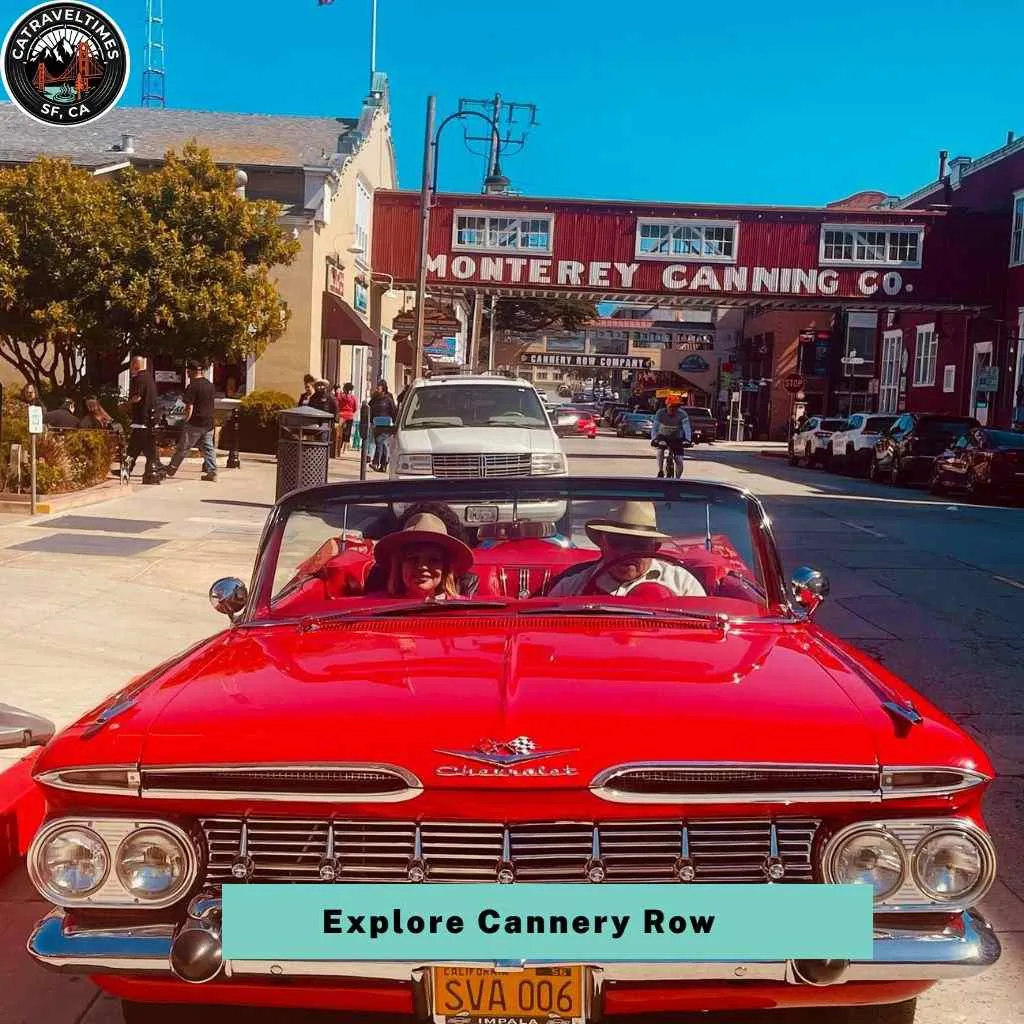
Once the beating heart of California’s sardine canning industry, Cannery Row today is a lively waterfront strip packed with restaurants, boutiques, wine tasting rooms, and ocean views. History murals cover the walls. The Ghirardelli Ice Cream shop and El Torito’s bay-view booths are both worth the stop.
💡 Note: This is the easiest place in Monterey to spend three hours without even noticing. Go slow, pop into the galleries, and grab a window table for dinner.
3. Go Whale Watching from Fisherman’s Wharf
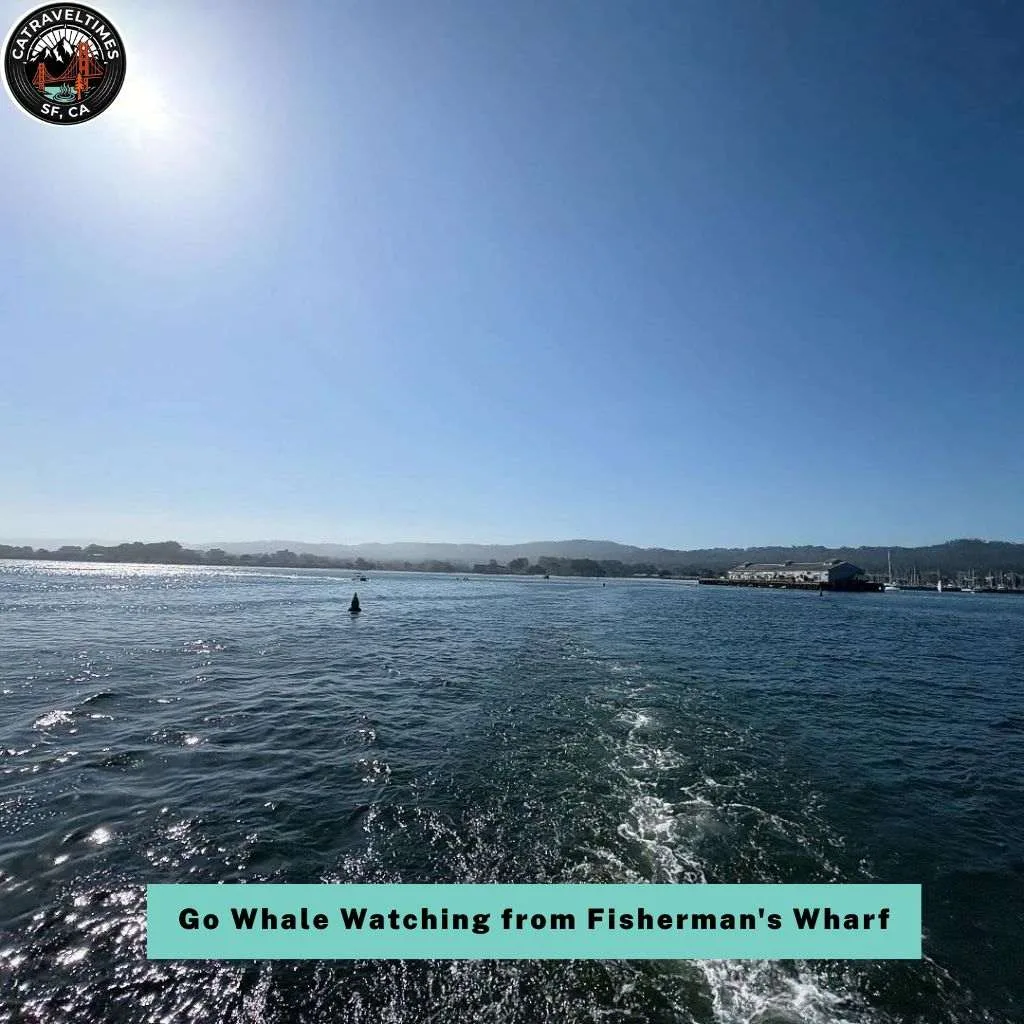
Monterey Bay sits above a deep underwater canyon nearly two miles at its deepest that draws whales year-round. Tours run 2.5 to 4 hours from Old Fisherman’s Wharf. Humpbacks, blue whales, gray whales, and dolphin pods are all possible sightings depending on the season. Operators here have some of the highest success rates in California.
💡 Tip: Dress in layers and take motion sickness precautions if needed. Spring through fall is peak humpback season; winter is best for gray whale migration.
4. Walk the Monterey Bay Coastal Trail
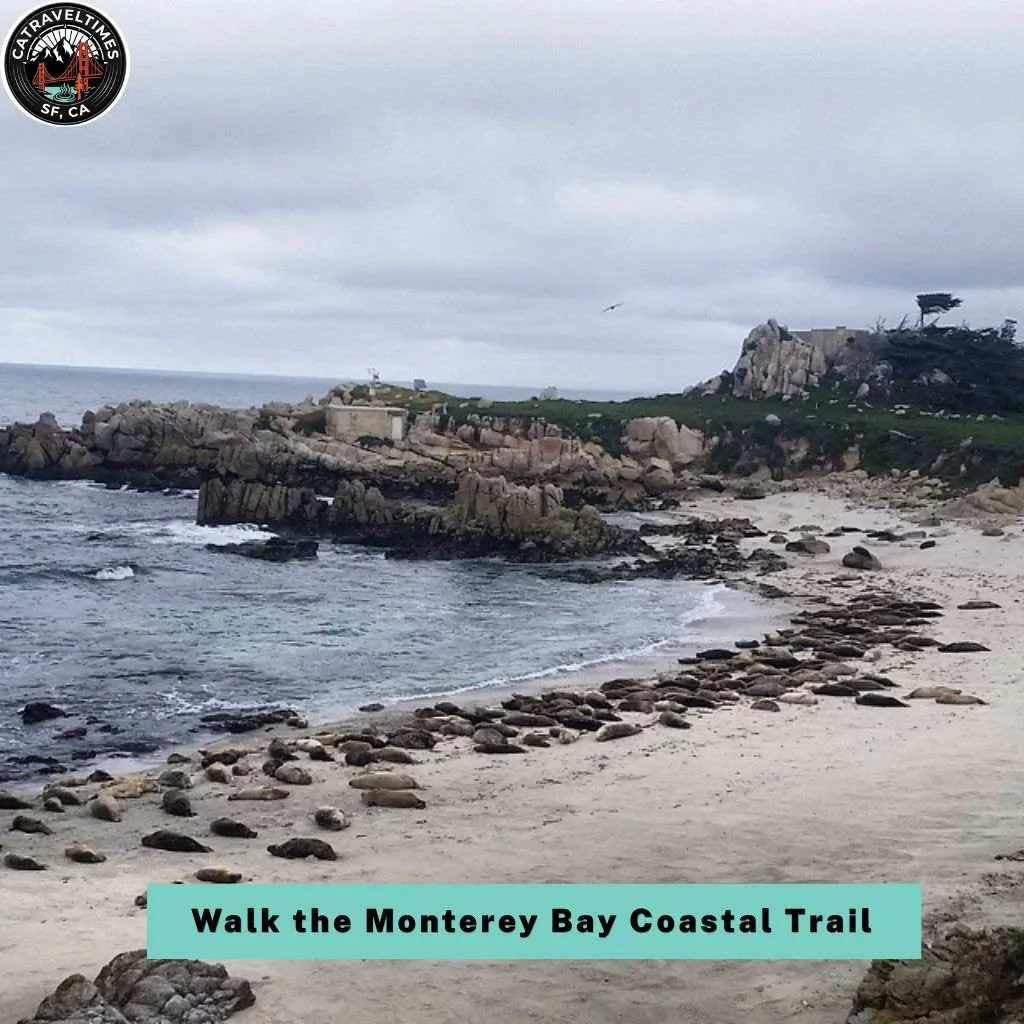
This 18-mile paved trail runs along the waterfront from Cannery Row all the way to Pacific Grove. The stretch to Lovers Point is flat, beautiful, and completely free. Rent a bike from shops near Cannery Row for the full experience. During spring, harbor seals nest on the fenced beach areas right beside the trail.
💡 Pro Tip: The four-person family bike rental is great fun for groups. The six-seater is a workout I speak from experience.
5. Discover Lovers Point Park and Pacific Grove
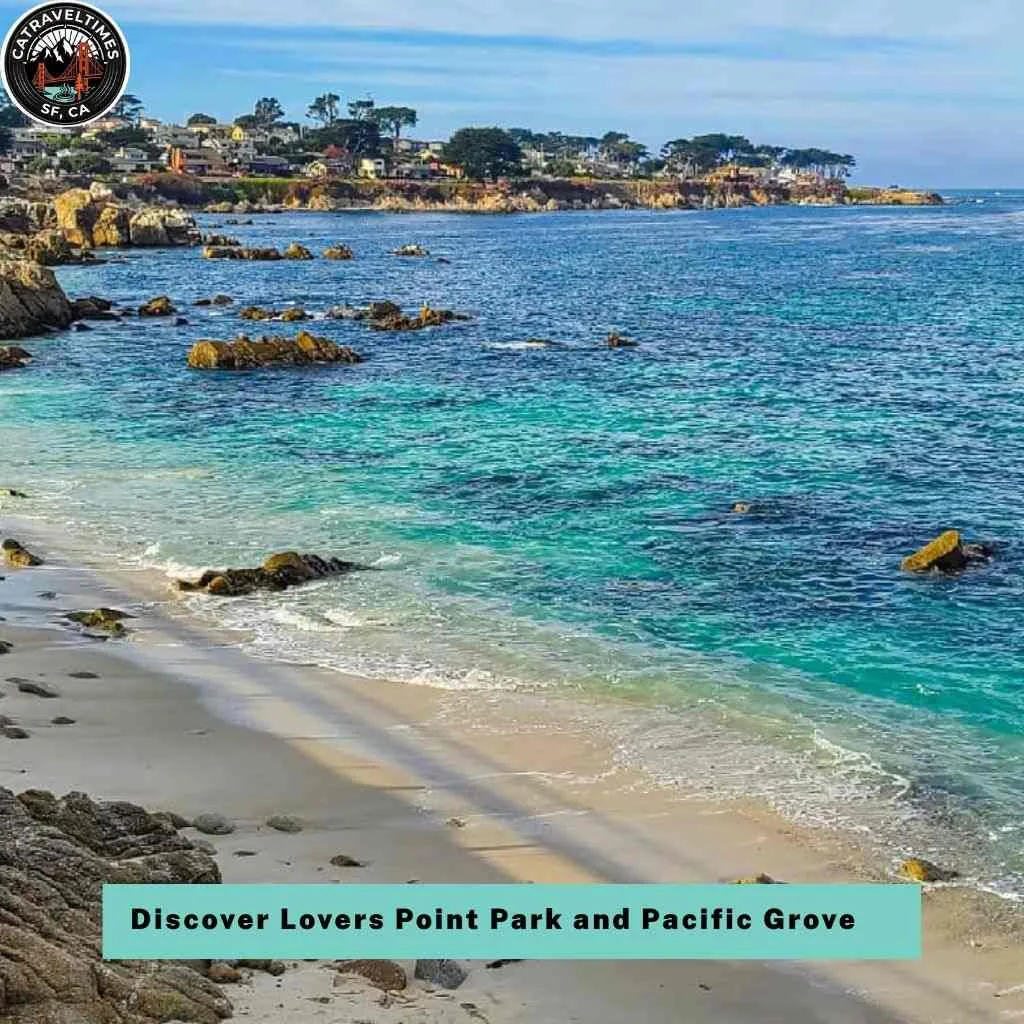
Most visitors skip Pacific Grove entirely, which is a real shame. This quiet Victorian town borders Monterey and has stunning coastal scenery along Ocean View Boulevard. Lovers Point Park has tide pools, kayak launches, a small sandy cove, and picnic spots. In April and May, purple ice plants bloom along the bluffs it looks like a painting.
💡 Note: Many locals say Ocean View Boulevard rivals 17-Mile Drive in beauty and it is completely free.
6. Try Kayaking or Stand-Up Paddleboarding
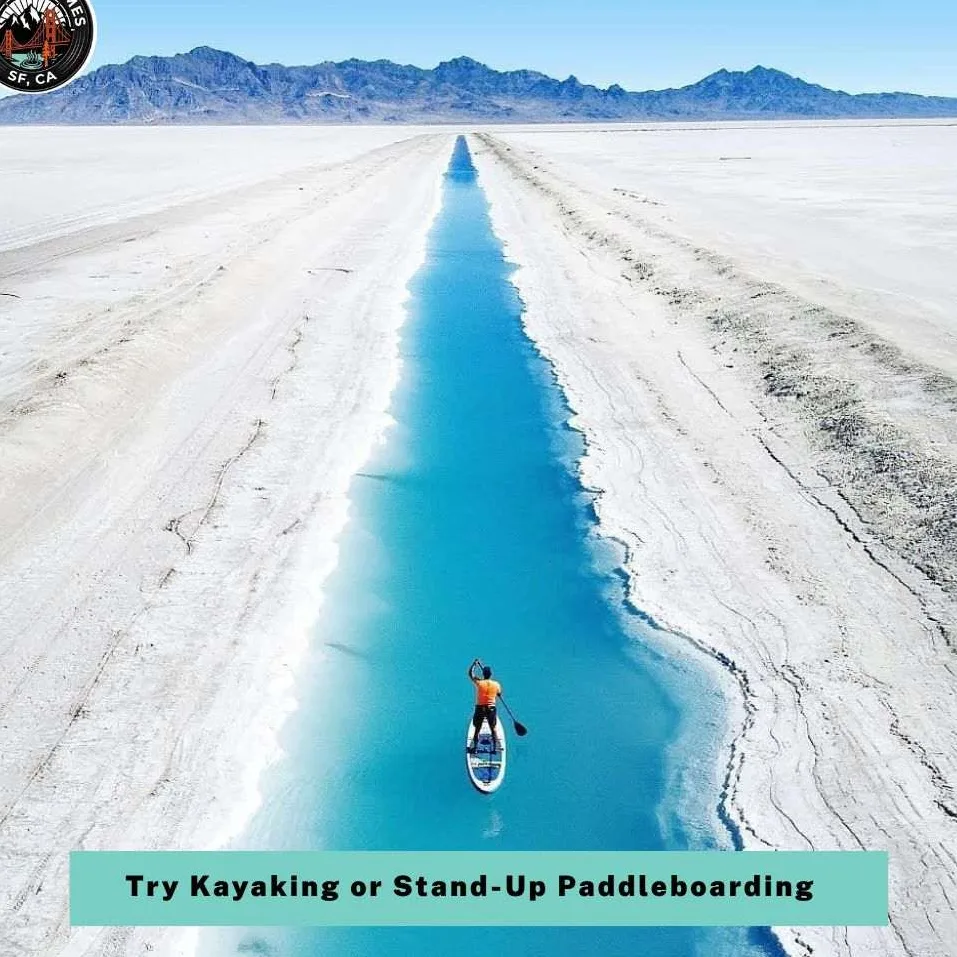
The calm waters near Cannery Row and Pacific Grove are ideal for beginners. Sea otters, harbor seals, and dolphins frequently swim close to kayakers out here. Adventures by the Sea has multiple rental spots along the waterfront. Two-hour rentals are perfect for a first visit. Cold water year-round means wetsuits are strongly recommended.
💡 Tip: Morning paddles are calmer and wildlife sightings are more common before the afternoon wind picks up on the bay.
7. Visit Point Pinos Lighthouse
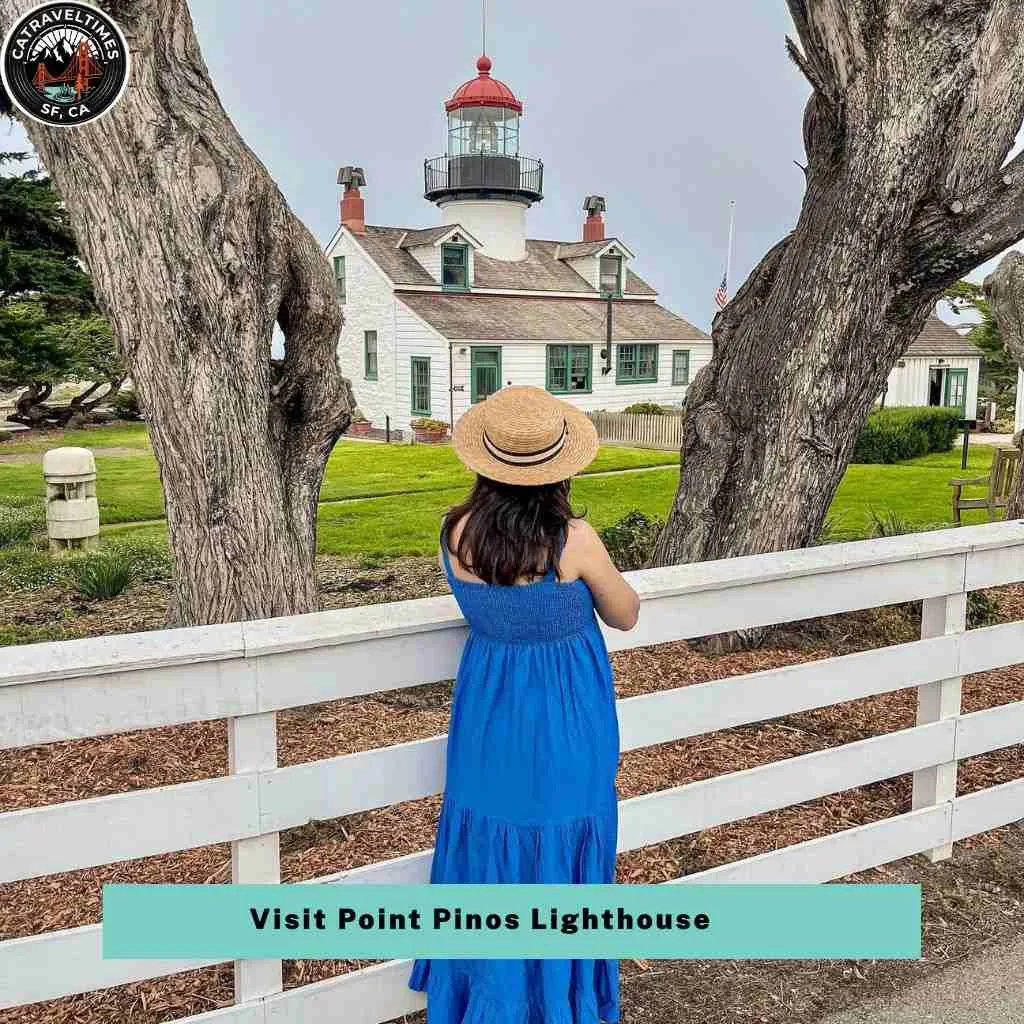
Built in 1855, Point Pinos is the oldest continuously operating lighthouse on the entire West Coast. It sits at the very tip of the Monterey Peninsula in Pacific Grove, surrounded by dramatic rocky coast. The original Fresnel lens still spins inside. Entry is free, parking is easy, and almost no tour groups come here it feels like a genuine hidden gem.
💡 Note: Combine this with a walk along Asilomar State Beach nearby for a full afternoon of crowd-free coastal exploration.
8. Old Fisherman’s Wharf and Fresh Seafood
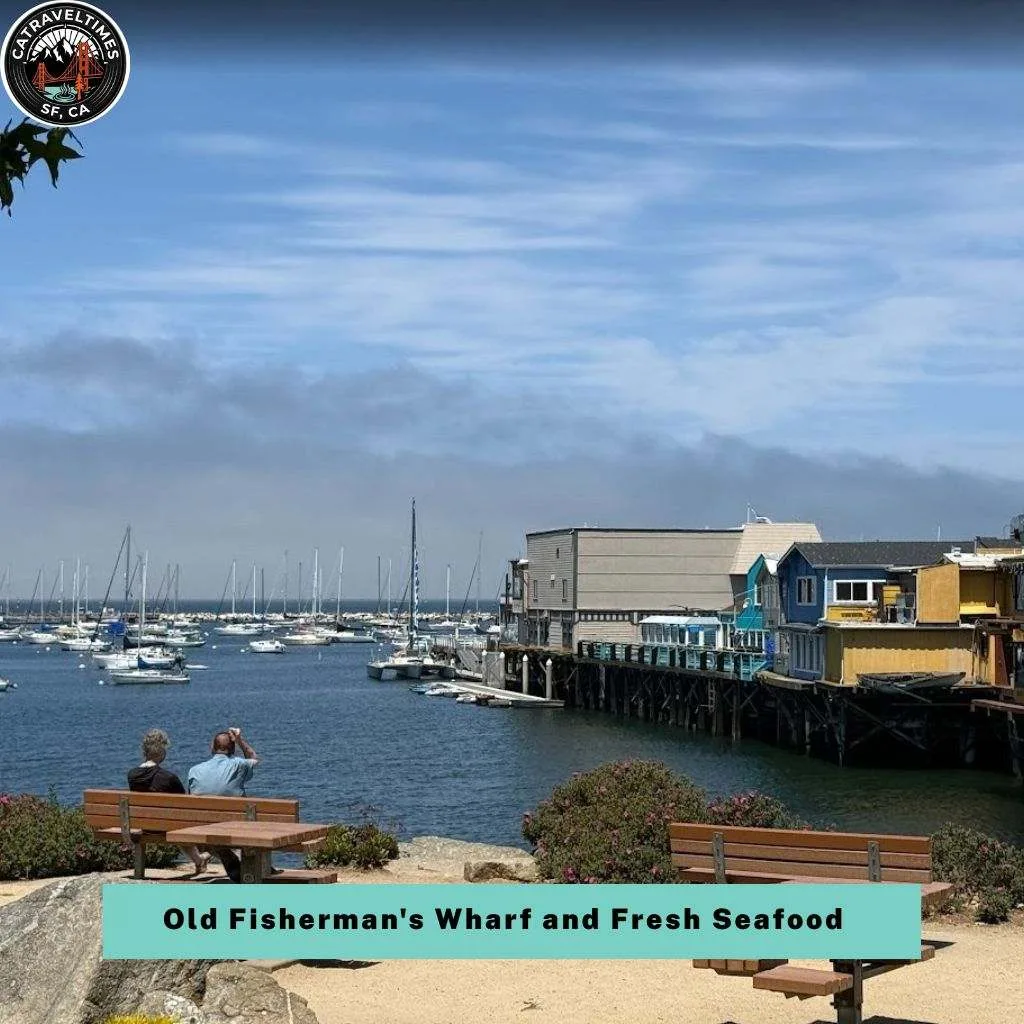
Old Fisherman’s Wharf has a different energy from Cannery Row more casual, more old-school. Sea lions lounge under the dock pilings. Clam chowder in sourdough bread bowls is practically mandatory. Old Fisherman’s Grotto, Domenico’s on the Wharf, and Abalonetti Bar & Grill all deliver great fresh seafood with harbor views.
💡 Tip: This is also where whale watching tours depart from arrive early, eat breakfast here, then head straight out on the water.
9. Wander Ocean Avenue in Carmel-by-the-Sea
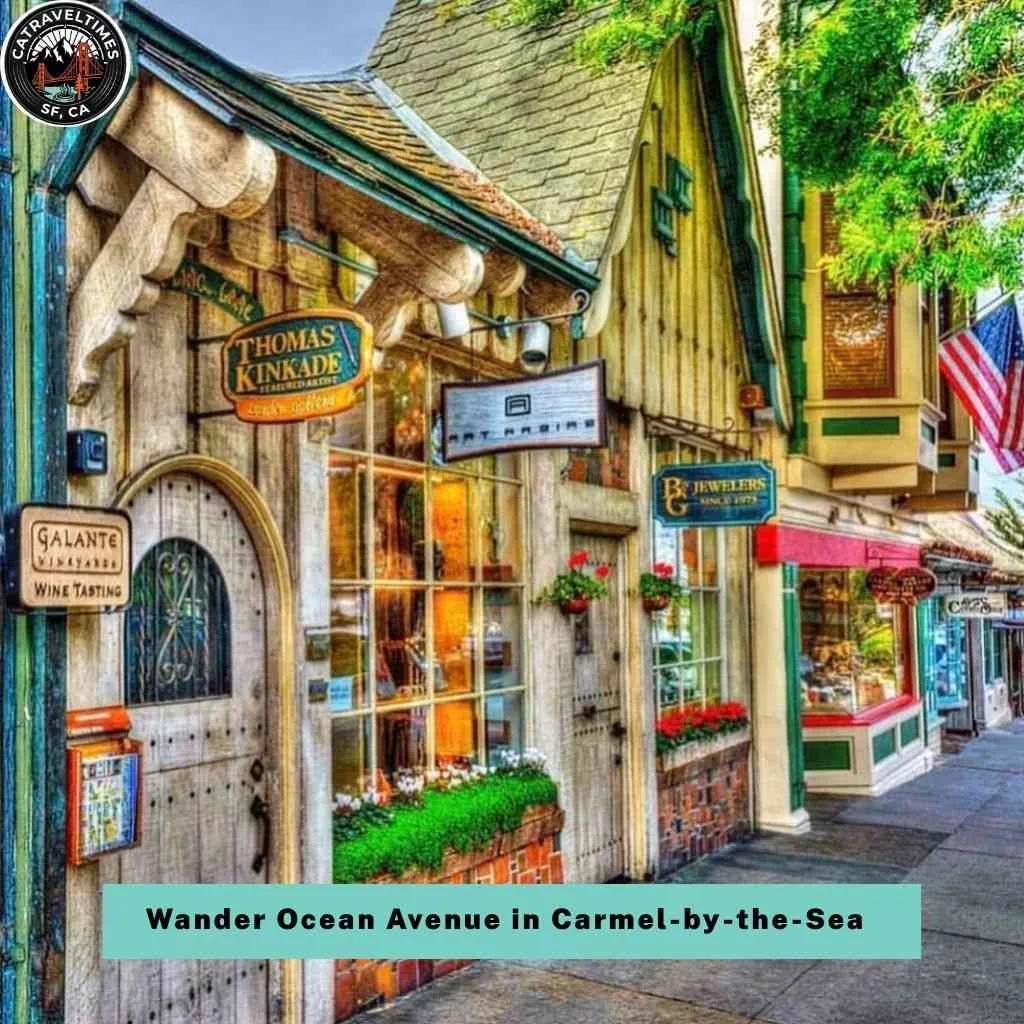
Ocean Avenue is the soul of Carmel a tree-lined walking street stretching from downtown all the way to Carmel Beach. Art galleries, independent boutiques, wine tasting rooms, and charming cafes line both sides. There are no chain restaurants or street address numbers in this town. The Carmel Bakery, dating back to 1899, is the oldest standing building here and the best pretzel stop on the coast. Carmel is just one of the many breathtaking Destinations worth adding to your California travel list.
💡 Note: Carmel is extremely dog-friendly water bowls sit outside nearly every shop and the beach welcomes dogs off-leash.
10. Hunt for the Fairytale Cottages

Carmel has 21 original cottages designed by Hugh Comstock in the 1920s curved rooflines, thatched trim, stone walls, and cottage gardens that genuinely look like they belong in a storybook. The Tuck Box on Dolores Street is the most famous. The Hansel and Gretel Houses are nearby. Pick up a walking map at the Visitor Center on Ocean Avenue and spend an hour finding them all.
💡 Pro Tip: Download the Carmel cottage audio walking tour app it turns the hunt into a full guided story experience through Comstock’s history.
11. Browse Carmel’s World-Class Art Galleries

Carmel was founded in the early 1900s by artists, poets, and writers and that creative spirit never left. Today the town has one of the highest concentrations of art galleries per capita in the entire United States. Ocean Avenue and its side streets are lined with spaces showing impressionist paintings, nature photography, sculpture, and mixed media. Most are free to browse and genuinely world-class.
💡 Note: Several galleries host evening openings and artist events check local listings if your visit overlaps with a gallery night.
12. Sunset and Beach Walk at Carmel Beach
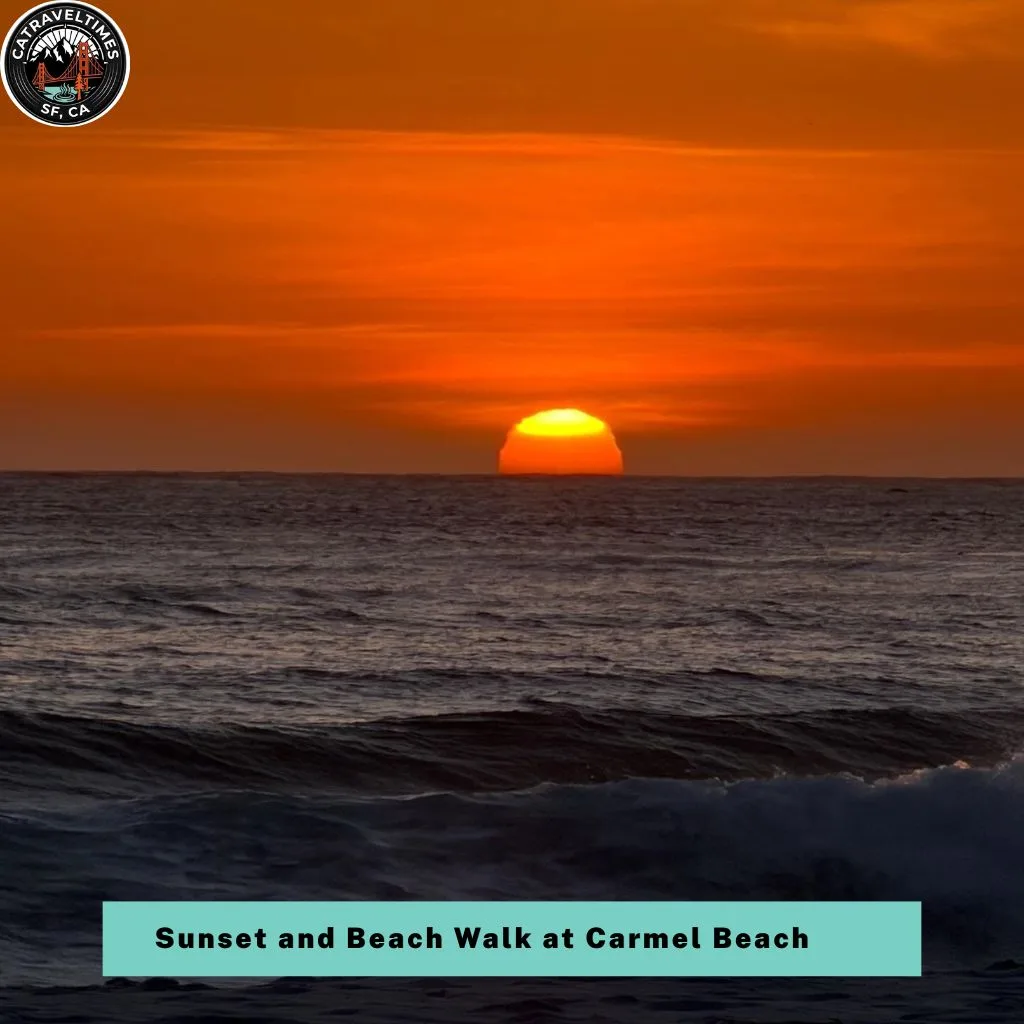
Carmel Beach sits at the bottom of Ocean Avenue wide, white sand, dramatic cliffs on both sides, and Pacific sunsets that are genuinely hard to describe. Walk south along Scenic Road to reach Carmel River State Beach, where a lagoon and wetland preserve add a completely different coastal experience. Dogs run free here. People just sit and breathe.
💡 Tip: Parking near the beach fills fast on weekends park one or two blocks up on the residential streets and walk down.
13. Visit Carmel Mission Basilica
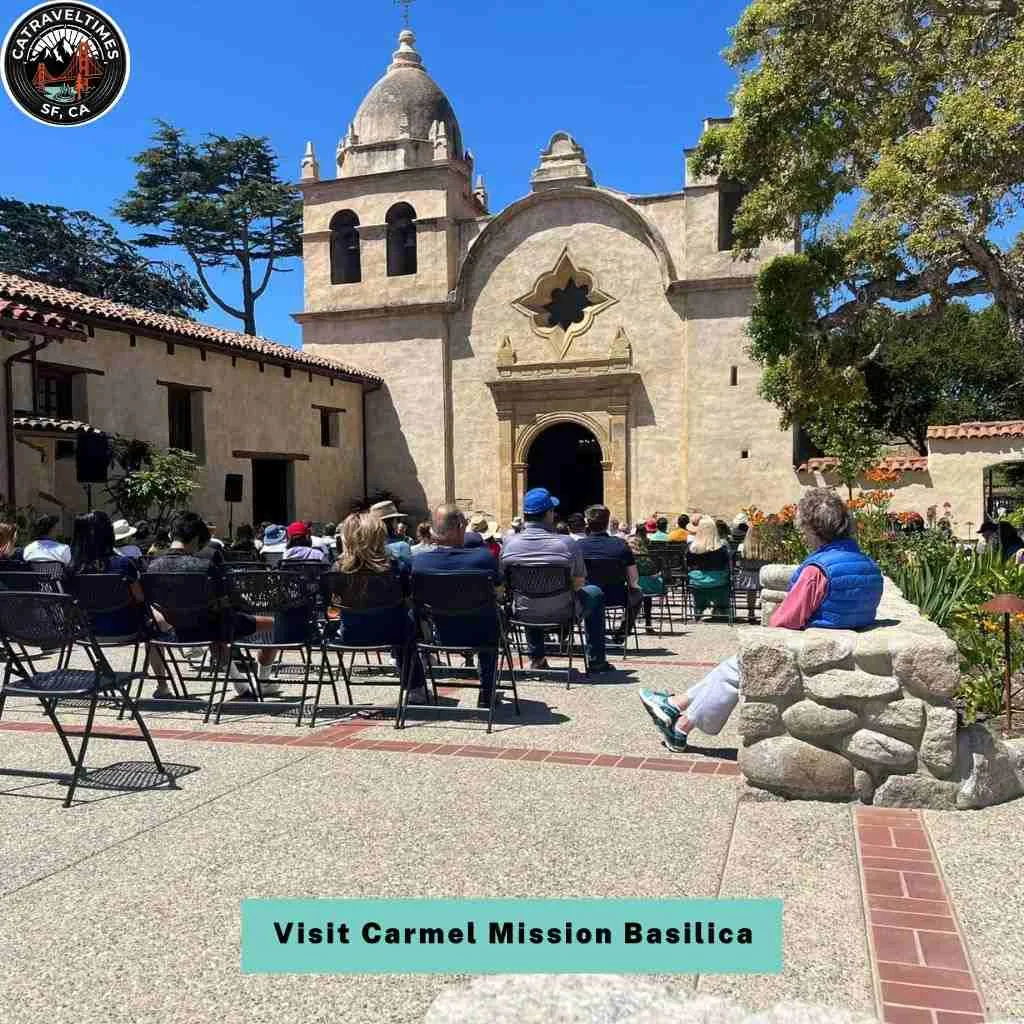
Founded in 1771, the Carmel Mission is one of California’s most important historic landmarks and the burial site of Padre Junípero Serra. The stone basilica, twin bell towers, museum, and courtyard gardens are beautifully preserved. A small entrance fee applies. Even if history is not your focus, the architecture and quiet atmosphere here are worth an hour of anyone’s afternoon.
💡 Note: The museum inside covers the full California mission system with artifacts dating back over 250 years.
14. Wine Tasting in Carmel Valley
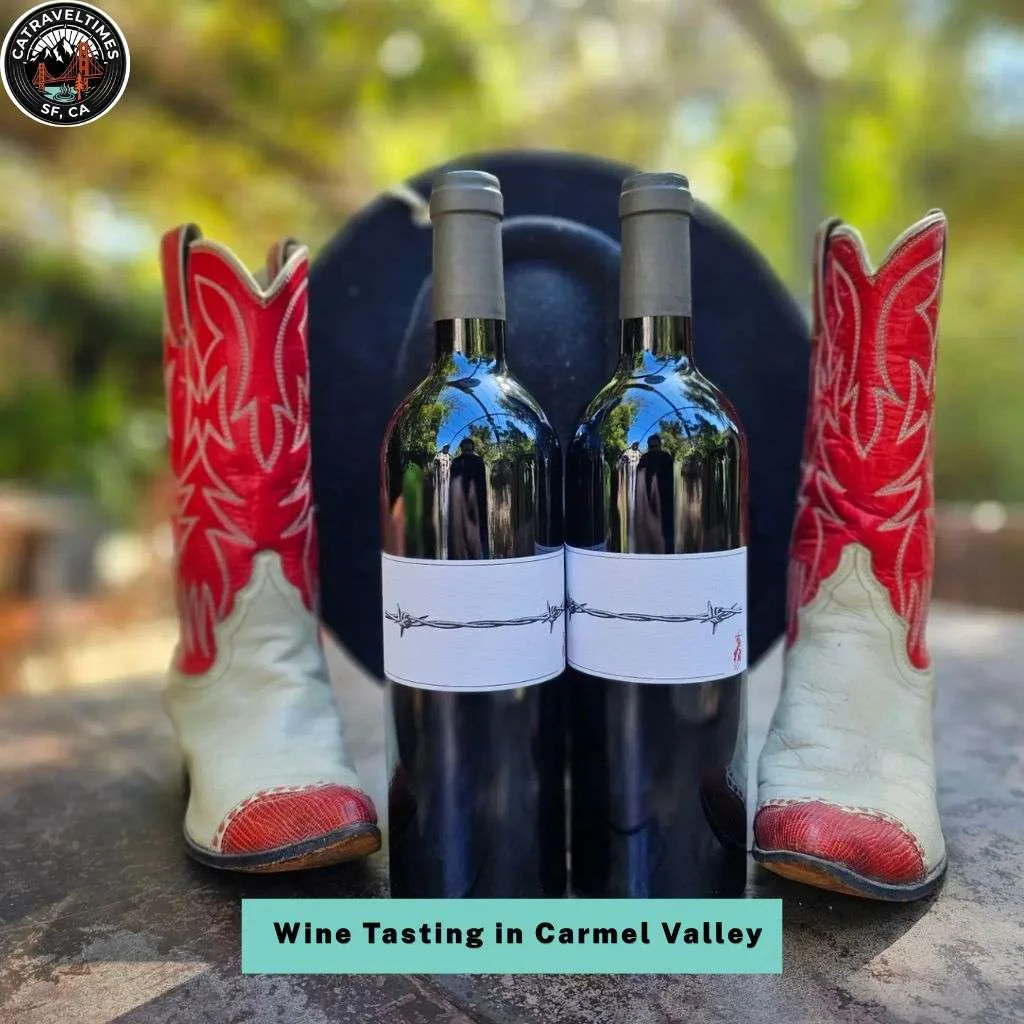
Just 15 minutes inland from Carmel, the Carmel Valley is warmer, sunnier, and lined with boutique wineries. Talbott Vineyards, Folktale Winery, and Cowgirl Winery are all excellent stops. Most tasting rooms in Carmel Valley Village are within walking distance of each other making it easy to visit several without driving. Wine trolley tours from Monterey handle everything including transport and tastings.
💡 Tip: Carmel Valley is noticeably warmer than the coast if coastal fog is frustrating you, drive 15 minutes inland and suddenly it is sunny and 75°F.
15. Hike Point Lobos State Natural Reserve
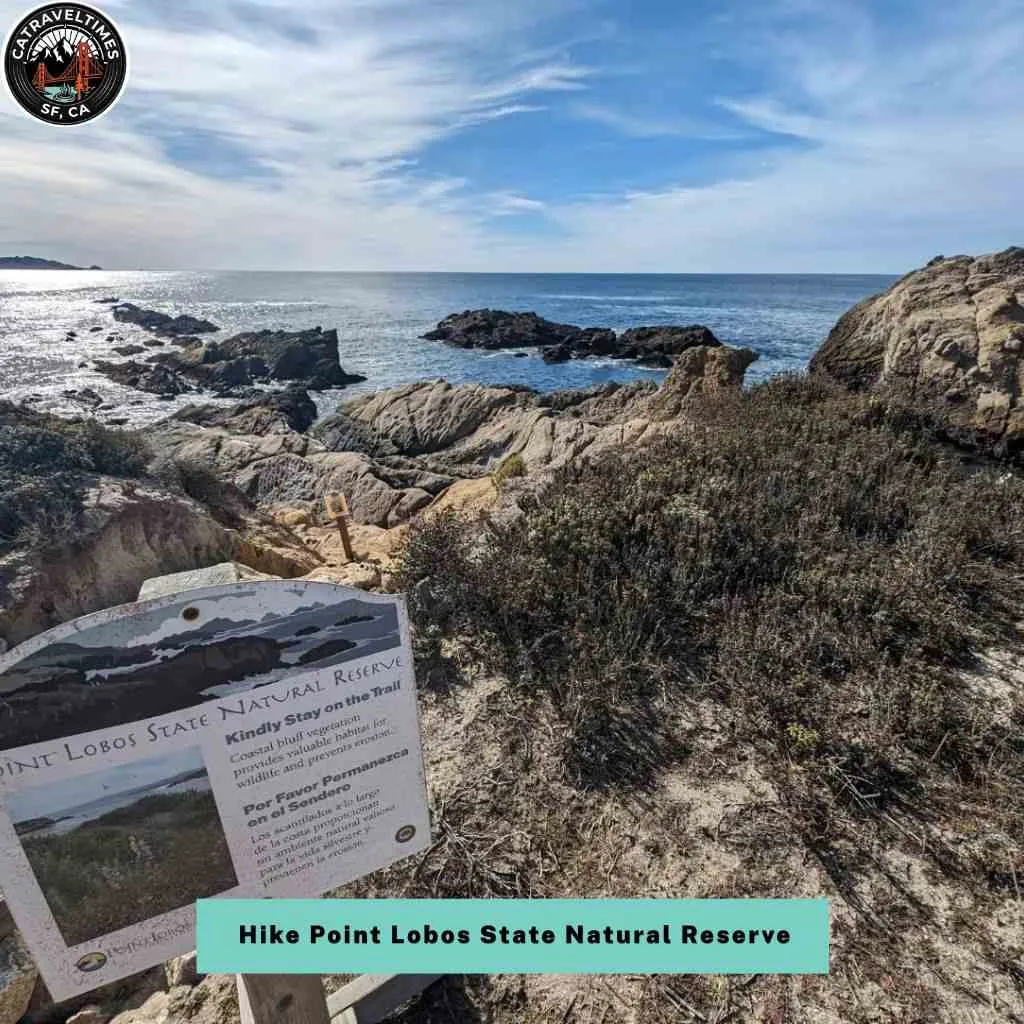
Point Lobos, just south of Carmel, is genuinely one of the most beautiful coastal parks in the world. The South Shore Trail connects Weston Beach, Hidden Beach, and China Cove about two miles roundtrip with minimal elevation. Harbor seals and pups lounge at China Cove. Sea otters float at Hidden Beach. The Cypress Grove Trail offers ancient trees and views toward Big Sur. Get there early parking fills by 9am on weekends.
💡 Pro Tip: If the main lot is full, park along Highway 1 outside and walk in. The entrance fee is $10 per car absolutely worth every cent.
Practical Tips for Visiting Monterey and Carmel
Planning your trip to Monterey and Carmel takes a little preparation here’s everything you need to know before you go, including the best Things to Do in Monterey and Carmel.
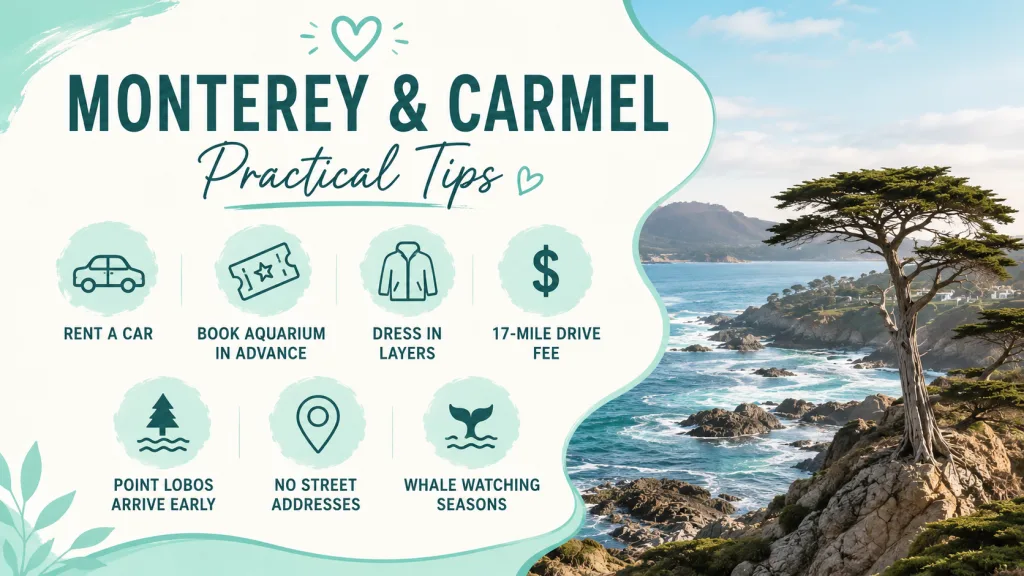
- Rent a car. Both towns are walkable individually, but you need a car to reach Point Lobos, 17-Mile Drive, Carmel Valley, and Pacific Grove. Public transit options are very limited.
- Book the aquarium in advance. The Monterey Bay Aquarium sells out on weekends and holidays. Buy tickets online at least a few days ahead.
- Dress in layers always. Even in summer, the Monterey Peninsula runs cool and foggy, especially in the mornings. A light jacket or windbreaker is essential every single day.
- 17-Mile Drive entry fee. There is a $12.25 per vehicle fee to enter Pebble Beach and drive the 17-Mile Drive. It is worth it but know it is coming.
- Point Lobos arrives early. The park opens at 8am and the parking lot fills by 9–9:30am on weekends. Arrive first thing or park on Highway 1.
- No street addresses in Carmel. Homes and some businesses are identified by descriptions, not numbers. Use Google Maps coordinates or landmark directions.
- Whale watching seasonality matters. Blue whales and humpbacks peak from April through November. Gray whales migrate December through April. There is always something in the bay, but knowing the season helps set expectations.
Where to Stay and Eat in Monterey and Carmel
After exploring all the things to do in Monterey and Carmel, you will want a great place to rest and eat. Whether you want a luxury waterfront hotel or a cozy village inn, both towns have excellent options across every budget.
Where to Stay Near Monterey and Carmel
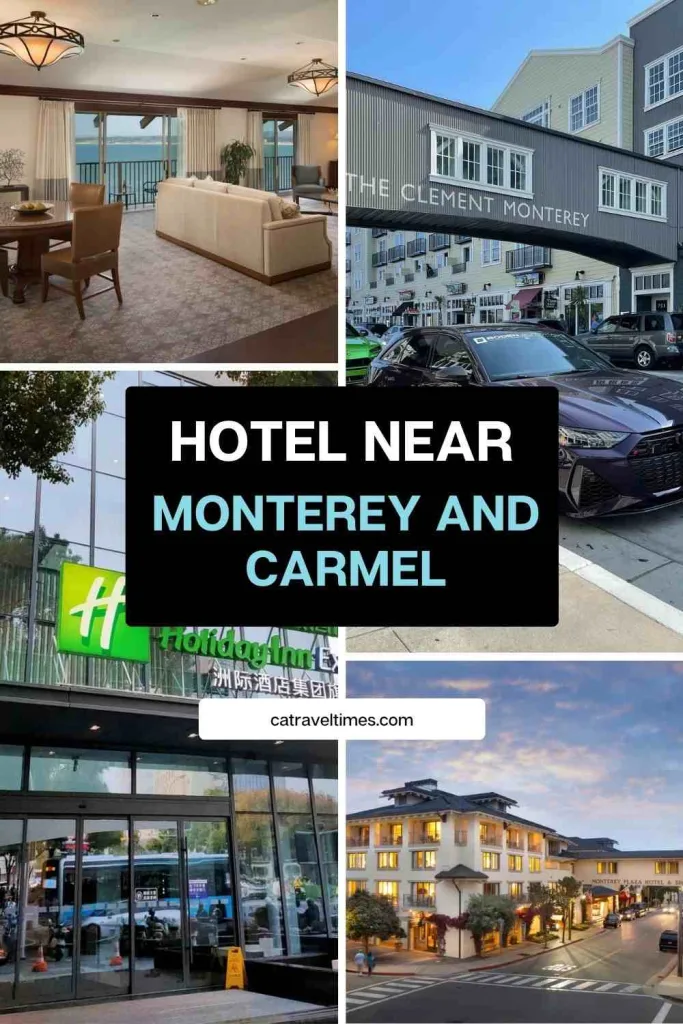
1. InterContinental The Clement Monterey Luxury waterfront hotel right on Cannery Row with stunning bay views, full spa, and exceptional service. The location is unbeatable steps from the aquarium and ocean. Rates typically start around $300–$500/night.
2. Holiday Inn Express Cannery Row A solid mid-range option within walking distance of Cannery Row and the aquarium. Clean rooms, free breakfast included, and great value for the location. Perfect if you want convenience without the luxury price tag.
3. Monterey Plaza Hotel & Spa Built directly over the water on Cannery Row with rooms overlooking Monterey Bay. The on-site Duck Club restaurant and full spa make this a true splurge-worthy choice for a special trip.
4. L’Auberge Carmel A romantic boutique inn tucked in the heart of Carmel village, just steps from Ocean Avenue. French-inspired design, award-winning restaurant, and an intimate atmosphere that feels nothing like a standard hotel.
5. Carmel Valley Ranch A resort property set in the sunny Carmel Valley with golf, a spa, tennis, and vineyard views. Ideal if you want warm weather, outdoor space, and a more laid-back pace away from the ocean fog.
Where to Eat Near Monterey and Carmel
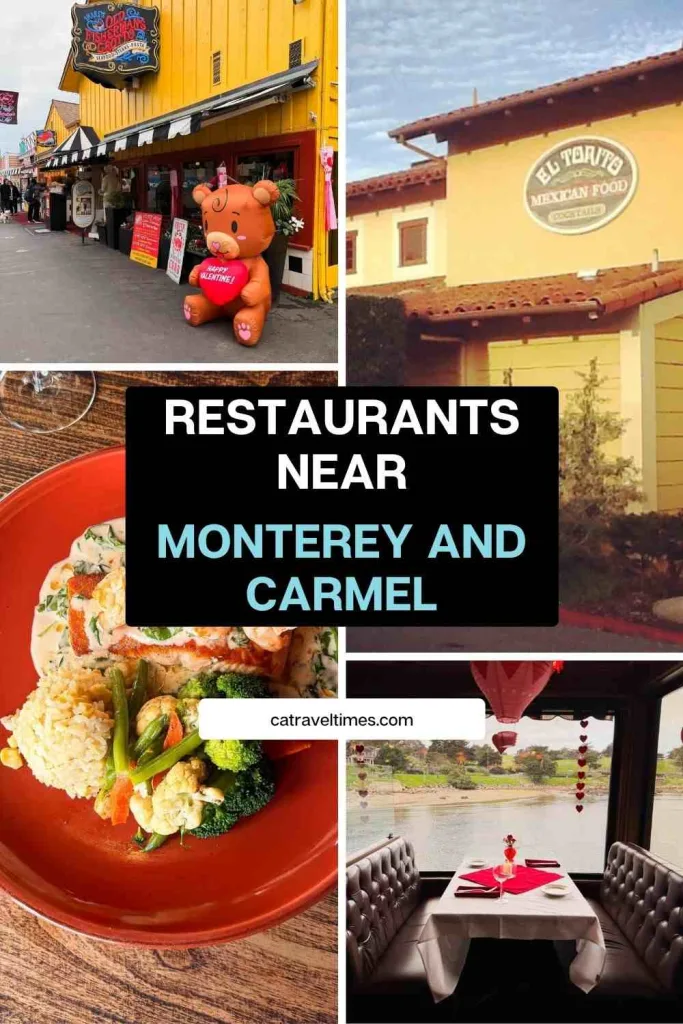
1. Old Fisherman’s Grotto – Monterey A Monterey institution on Fisherman’s Wharf serving fresh seafood since 1950. The cioppino and clam chowder in sourdough are legendary. Harbor views from nearly every table make this a must-visit for a classic Monterey dining experience.
2. El Torito – Monterey (Cannery Row) A Mexican restaurant on Cannery Row with floor-to-ceiling bay windows. Request a booth facing the ocean and watch waves crash while you eat. The margaritas are strong, the guacamole is fresh, and the sunsets from this seat are unforgettable.
3. Dametra Café – Carmel A lively Mediterranean restaurant on Ocean Avenue famous for its live music, dancing staff, and incredibly warm atmosphere. Celebrating a birthday or anniversary here becomes a full-on event. One of the most memorable meals you will have in Carmel.
4. Cultura Comida y Bebida – Carmel An upscale Mexican restaurant in Carmel focusing on regional Mexican flavors with California ingredients. Excellent mezcal list, beautiful interior, and a menu that changes seasonally. A favorite among locals and food-focused travelers.
5. Nepenthe – Big Sur (30 min south) Perched on a cliff 800 feet above the Pacific on Highway 1, Nepenthe has some of the most dramatic dining views anywhere in California. The Ambrosia burger is famous, the terrace is breathtaking, and it pairs perfectly with a Big Sur day trip from Monterey.
Final Thoughts
I have been back to Monterey and Carmel more times than I can count now and every single trip, something surprises me. A new trail, a viewpoint I had driven past, a restaurant I had missed. That is the thing about this stretch of California coast: it genuinely rewards the people who slow down, wander without a plan, and let the ocean decide what comes next.
The things to do in Monterey and Carmel cover every kind of traveler. Whether you are here for wildlife, food, art, history, or just the feeling of standing on a cliff above the Pacific while the sun goes down this place will give it to you.
Things to Do in Monterey and Carmel (FAQ)
How many days do you need for Monterey and Carmel?
Two days is the minimum to do both towns justice one day each. Three days gives you time for Point Lobos, 17-Mile Drive, and Carmel Valley without rushing anything.
Is Monterey or Carmel better for families?
Monterey edges ahead for families thanks to the aquarium, Cannery Row, beach trails, and whale watching. Carmel is great too but skews slightly more toward couples and art lovers than young kids.
What is the best free Things to Do in Monterey and Carmel?
Walking Ocean View Boulevard in Pacific Grove is completely free and rivals anything you will pay for nearby. Carmel Beach, the Coastal Trail, and the Monarch Butterfly Sanctuary are also entirely free.
Is 17-Mile Drive worth the entrance fee?
Yes. The $12.25 entry fee covers a full scenic loop past Lone Cypress, Pebble Beach, Bird Rock, and Spanish Bay. Allow two to three hours and it is absolutely worth every dollar.
Is Carmel-by-the-Sea expensive?
Yes hotels, restaurants, and shops in Carmel tend to run premium prices. Budget travelers can still enjoy the free walks, galleries, and beach, but accommodation and dining here is notably pricier than average.