
Are Hot Springs Good for You? The Complete Guide to Health Benefits, Minerals & More

If you’ve ever wondered are hot springs good for you, the answer is a resounding yes — and the science behind it is fascinating. For thousands of years, civilizations across the globe have sought out geothermal waters for healing, relaxation, and renewal. From the ancient Romans to indigenous cultures of the Americas, hot springs have served as natural wellness centers long before modern medicine existed.
Today, travelers and wellness seekers alike continue to flock to these mineral-rich pools — and for very good reason. Whether you’re planning your next adventure or simply curious about what a soak can do for your body and mind, this guide covers everything you need to know about the therapeutic power of hot springs.
What Makes Hot Springs Unique?
Hot springs are not the same as your average heated pool or backyard hot tub. They are geothermally heated bodies of water that emerge from the earth carrying an extraordinary blend of dissolved minerals absorbed during their journey deep underground. Each spring has a unique mineral composition depending on its geological source, which directly shapes its therapeutic properties.
At Glenwood Hot Springs Resort in Colorado, for example, the source spring is called Yampah — a Native American Ute word meaning “Big Medicine.” The waters there contain 15 distinct health-boosting minerals, a remarkable profile that speaks to the richness of genuine geothermal springs.
Beyond the minerals, hot springs also offer something no indoor pool can replicate: the healing combination of warm water, fresh air, natural surroundings, and a deeply restorative sense of stillness.
The Mineral Powerhouse: What’s Actually in the Water?
One of the most compelling reasons are hot springs good for you is the remarkable mineral content dissolved in the water. These minerals aren’t just passive ingredients — they are absorbed through the skin during a soak and can produce measurable physiological effects.
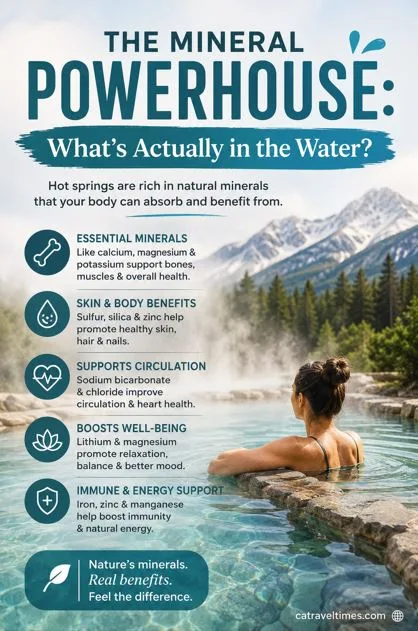
Here is a breakdown of the key minerals found in many geothermal springs and what they do:
- Calcium — Strengthens bones and supports overall structural health
- Sodium Bicarbonate — Boosts oxygen flow and improves circulation
- Sulfur/Sulfate — Provides antifungal and antibacterial properties; relieves pain and supports healthy skin, hair, and nails
- Magnesium — Increases energy levels and supports muscle relaxation
- Potassium — Vital for heart and kidney health
- Boron — Strengthens bones and aids in brain function
- Lithium — Elevates mood and promotes a sense of calm
- Iron — Essential for blood health and boosting immunity
- Zinc — Supports the immune and digestive systems
- Silica — A known remedy for thinning hair and skin health
- Fluoride — Promotes healthy bones and teeth
- Chloride — Helps regulate blood pressure and pH balance
- Phosphate — Critical for energy storage and metabolism
- Manganese — Contributes to healthy bone growth
- Nitrogen — Beneficial for skin, hair, and nail maintenance
This mineral-rich profile is what separates a natural geothermal soak from simply taking a warm bath at home — and it’s at the heart of why are hot springs good for you is such an important question for wellness travelers to ask.
Top Health Benefits of Soaking in Hot Springs
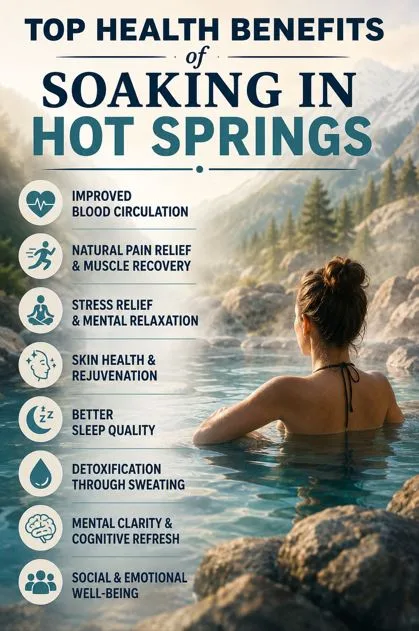
1. Improved Blood Circulation
The warm temperature of hot spring water causes blood vessels to dilate, which allows for significantly increased blood flow throughout the body. As your heart rate rises to compensate, it begins to mimic the effects of low-intensity exercise, delivering more oxygen and nutrients to tissues and organs. Minerals such as calcium and sodium bicarbonate amplify this effect by directly supporting oxygen transport once absorbed into the bloodstream.
This improved circulation can:
- Reduce symptoms of poor circulation such as cold hands and feet
- Support cardiovascular health over time
- Increase energy levels and reduce feelings of fatigue
- Alleviate discomfort associated with arthritis and joint conditions
2. Natural Pain Relief and Muscle Recovery
Hot springs are renowned among athletes, physical therapy patients, and anyone dealing with chronic pain for their ability to ease suffering naturally. The combination of heat and buoyancy reduces the load on sore joints and muscles, while the water’s mineral content — particularly sulfur and magnesium — works to reduce inflammation at a deeper level.
The buoyancy of water also allows for freedom of movement that dry land simply can’t provide, making hot springs an ideal setting for gentle rehabilitation exercises. According to Glenwood Hot Springs Resort, some patients with serious injuries have used the healing waters for self-directed post-surgery rehabilitation, with remarkable results.
Benefits for pain and recovery include:
- Relaxation of tight or spasming muscles
- Reduction of inflammation associated with arthritis and fibromyalgia
- Circulation of lactic acid out of post-workout muscles
- Increased flexibility and range of motion
- A safe, buoyant environment for low-impact therapeutic movement
If you’re planning a wellness-focused trip and want to explore destinations with exceptional natural healing pools, CA Travel Times is a great resource for discovering top travel spots designed around rest and recovery.
3. Stress Relief and Mental Relaxation
One of the most immediate and universally felt benefits of soaking in a hot spring is profound stress relief. The warm water triggers the body’s parasympathetic nervous system — the “rest and digest” mode — and stimulates the release of endorphins, the body’s natural mood elevators. The result is a deeply calming experience that can reset your mental state in just a few hours.
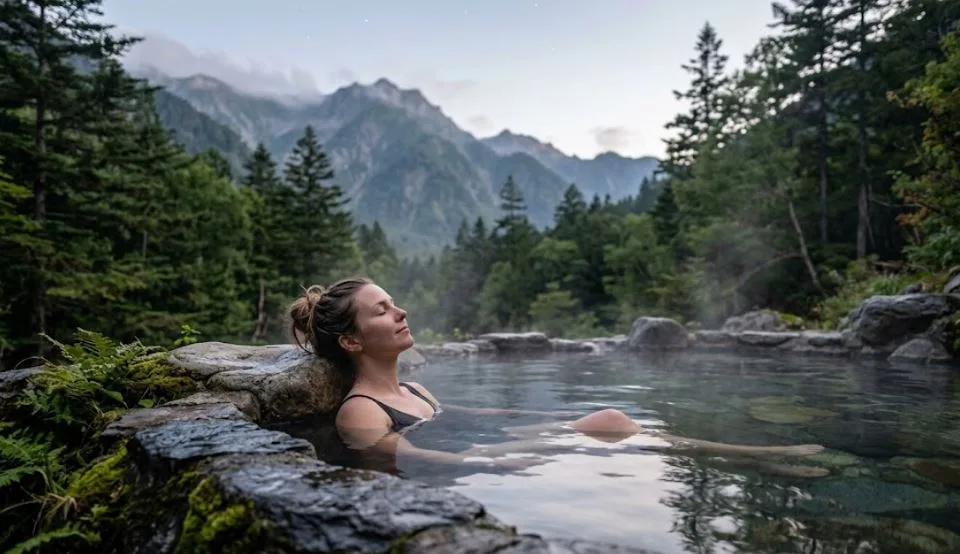
Regular hot spring visits have been shown to:
- Significantly reduce cortisol levels (the body’s primary stress hormone)
- Promote a meditative, mindful state of awareness
- Ease anxiety and help combat symptoms of burnout
- Create space for introspection and creative thinking
The tranquility of natural outdoor settings only amplifies these effects. Being surrounded by mountains, forests, or open skies while soaking adds a layer of psychological relief that indoor wellness facilities simply cannot replicate.
4. Skin Health and Rejuvenation
Sulfur is one of the most therapeutically significant minerals in many geothermal springs. It carries potent antifungal and antibacterial properties that can soothe inflamed skin, combat infections, and promote healing. The heat from the water opens pores, allowing deep cleansing and improved hydration.
People with the following conditions often report meaningful improvement after regular hot spring soaks:
- Eczema and psoriasis
- Acne and clogged pores
- Dry or flaking skin
- General skin irritation and redness
Beyond treating skin conditions, the mineral water can also improve overall skin elasticity, hydration, and luminosity — contributing to a more youthful, refreshed appearance after each visit.
5. Better Sleep Quality
For those who struggle with insomnia or restless nights, hot springs offer a natural and medication-free path to deeper sleep. The mechanism is straightforward: soaking in warm water raises the body’s core temperature, and when you exit the water, the subsequent drop in temperature sends a powerful signal to your brain that it’s time to sleep. This mirrors the body’s natural circadian temperature regulation.
Additionally, the stress and anxiety reduction that comes from a hot spring soak clears the mental clutter that often keeps people awake. Incorporating a hot spring visit into a pre-sleep routine can:
- Help you fall asleep faster
- Increase the depth and quality of sleep cycles
- Reduce nighttime waking
- Leave you feeling genuinely refreshed in the morning
6. Detoxification Through Sweating
Sweating is one of the body’s most powerful and natural detoxification mechanisms, and hot springs facilitate it beautifully. The elevated water temperature causes the body to perspire, which helps flush toxins, heavy metals, and impurities through the skin. Minerals like sulfur actively assist in cleansing the body of harmful substances during this process.
This natural detox effect can:
- Clear clogged pores
- Remove metabolic waste products from the bloodstream
- Promote a revitalized, lighter feeling post-soak
- Support the body’s natural internal balance over time
It’s worth noting that because your body is working hard to regulate temperature and process minerals during a soak, hydration is absolutely essential. Always drink plenty of water before, during, and after your time in a hot spring.
7. Mental Clarity and Cognitive Refresh
Beyond simply calming the nervous system, hot springs can actively sharpen mental focus. As stress dissolves and the mind quiets, many soakers find that creative insights surface naturally. The serene environment encourages introspection and a detachment from digital distractions, allowing the brain to rest and reset.
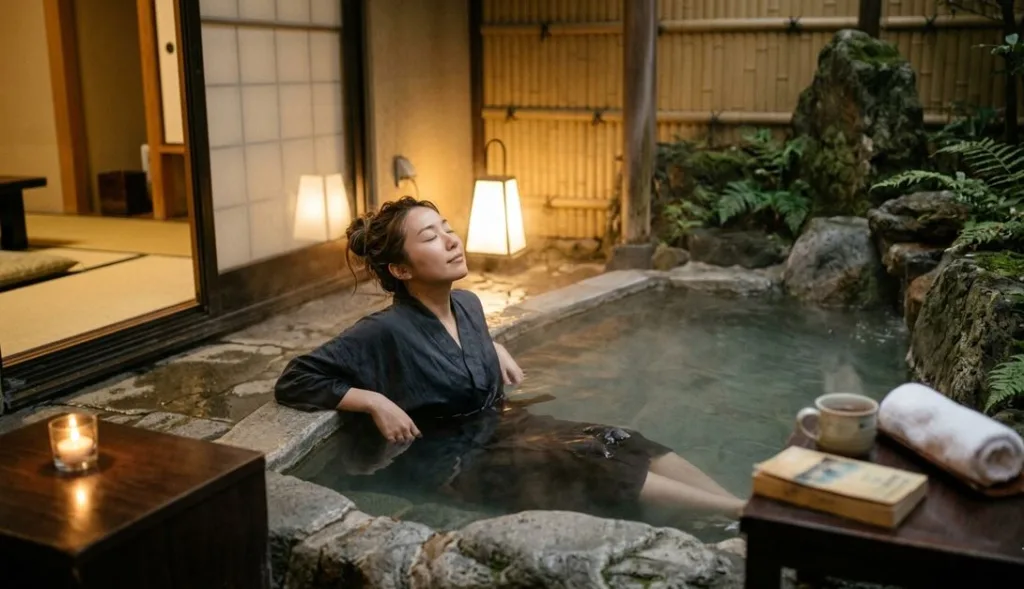
For professionals dealing with mental fatigue, burnout, or creative blocks, a regular hot spring routine can:
- Improve concentration and problem-solving ability
- Combat cognitive fog and mental exhaustion
- Foster a sharper, more present state of mind
- Encourage mindfulness and a deeper sense of gratitude
8. Social and Emotional Well-Being
Hot springs are, by their nature, communal spaces. Whether you visit with a partner, a group of friends, or your family, the shared experience of soaking together creates conditions for open, meaningful conversation and connection. The relaxed, unhurried atmosphere removes the usual barriers that make deep conversation difficult in everyday life.
Many hot spring destinations also sit adjacent to wellness spas offering massages, yoga classes, and meditation sessions — making it easy to build an entire holistic wellness experience around a single visit.
How Long Should You Soak?
Knowing how long to stay in the water is just as important as understanding why are hot springs good for you. Oversoaking, particularly in very hot water, can lead to dehydration, dizziness, or overheating.
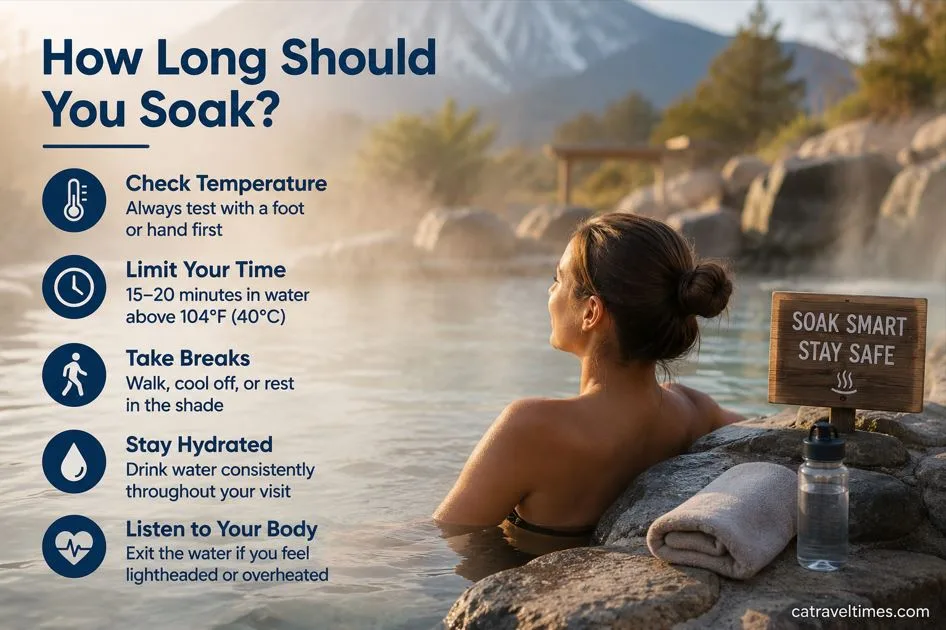
Here are the key guidelines:
- Always test the temperature with a foot or hand before fully submerging
- For water above 104°F (40°C), limit soaks to 15–20 minutes at a time
- Take breaks between soaks — a short walk, a cool dip, or simply resting in the shade
- Drink water consistently throughout your visit
- Listen to your body; exit the water if you feel lightheaded or overheated
What to Bring to a Hot Spring?
A hot spring visit, especially at a natural or wilderness location, requires a little preparation. Pack the following:
- Swimsuit and a quick-dry towel
- Plenty of drinking water (non-negotiable)
- Sunscreen for outdoor soaking
- Weather-appropriate layers (hat, jacket) for cooler seasons
- Proper footwear for the walk in and out
- A dry bag for valuables
Who Should Exercise Caution?
While are hot springs good for you for most people, certain individuals should consult a medical professional before soaking:
- Those with heart conditions or high blood pressure
- Pregnant women
- Individuals with open wounds or skin infections
- People with certain autoimmune conditions
- Young children (always supervise near water)
The high temperatures and mineral concentrations that make hot springs therapeutic for most people can be contraindicated in specific medical situations. When in doubt, get clearance from your doctor first.
Hot Springs and Travel: A Wellness Journey Worth Taking
Combining natural hot springs with travel is one of the most rewarding ways to invest in your health. Destinations built around geothermal springs often pair the therapeutic soak experience with stunning landscapes — from Colorado’s Rocky Mountains to Iceland’s volcanic terrain to Japan’s famous onsen culture.
For travel inspiration, wellness destination guides, and tips on planning a hot spring itinerary, CA Travel Times offers curated content for travelers looking to blend adventure with genuine well-being.
Whether you’re seeking relief from chronic pain, a natural antidote to modern stress, or simply a deeply restorative experience in nature, hot springs deliver on every level.
Final Thoughts
So, are hot springs good for you? The evidence — both scientific and centuries of lived human experience — says unequivocally yes. From boosting circulation and easing joint pain to detoxifying the body, improving sleep, and sharpening the mind, the benefits of soaking in geothermal, mineral-rich waters are wide-ranging and deeply real.
The key is approaching your hot spring experience with intention: respect the water temperature, stay hydrated, listen to your body, and take the time to fully absorb what nature has provided. Whether you’re a first-time visitor or a seasoned soaker, each trip to the springs has the potential to leave you healthier, calmer, and more connected — to yourself and to the natural world.