What Is the Capital of California? (Sacramento Guide)
Sacramento is the capital of California — and if you haven’t spent real time there, you might be underestimating it. Most people rush past it on the way to San Francisco or Lake Tahoe, but I’ve visited enough times to know that Sacramento deserves its own trip.
Over at CA Travel Times, we cover California destinations the way a local would — and Sacramento is one that consistently surprises first-timers. It’s a city with deep roots, a walkable downtown, serious food culture, and one of the most iconic government buildings in the American West.
So — what is the capital of California? The answer is Sacramento, officially designated as the state’s permanent capital in 1854. It sits at the heart of Northern California, where the Sacramento River and the American River meet, roughly 90 miles northeast of San Francisco. Today it’s home to around 524,943 people, making it the sixth most populous city in the state.
Here’s everything worth knowing about California’s capital city before you go.
Sacramento: The Capital of California
Sacramento has been California’s permanent state capital since 1854. It sits at the confluence of the Sacramento River and the American River in the northern half of the state — about 90 miles northeast of San Francisco and roughly two hours from Lake Tahoe.
The city is the seat of Sacramento County and the center of the Sacramento metropolitan area. It is the sixth most populous city in California, with a population of around 524,943 residents inside the city limits and over 2.4 million in the greater Sacramento–Roseville–Arden-Arcade metro region.
Quick Facts: California’s Capital City
| Fact | Detail |
| State | California, United States |
| Capital city | Sacramento |
| Capital since | 1854 |
| Region | Sacramento Valley |
| City population | ~524,943 |
| Coordinates | 38°34′54″N 121°29′40″W |
| Metro population | ~2.4 million |
| Nicknames | City of Trees, River City, Sactown |
| Main rivers | Sacramento River, American River |
| Nearest major city | San Francisco (~90 miles) |
| State Capitol address | 1315 10th St, Sacramento, CA 95814 |
Sacramento is positioned near the center of California’s vast Central Valley, surrounded by rich farmland and river delta land. The Tower Bridge, an iconic gold-colored drawbridge, crosses the Sacramento River and is one of the most photographed spots in the city.
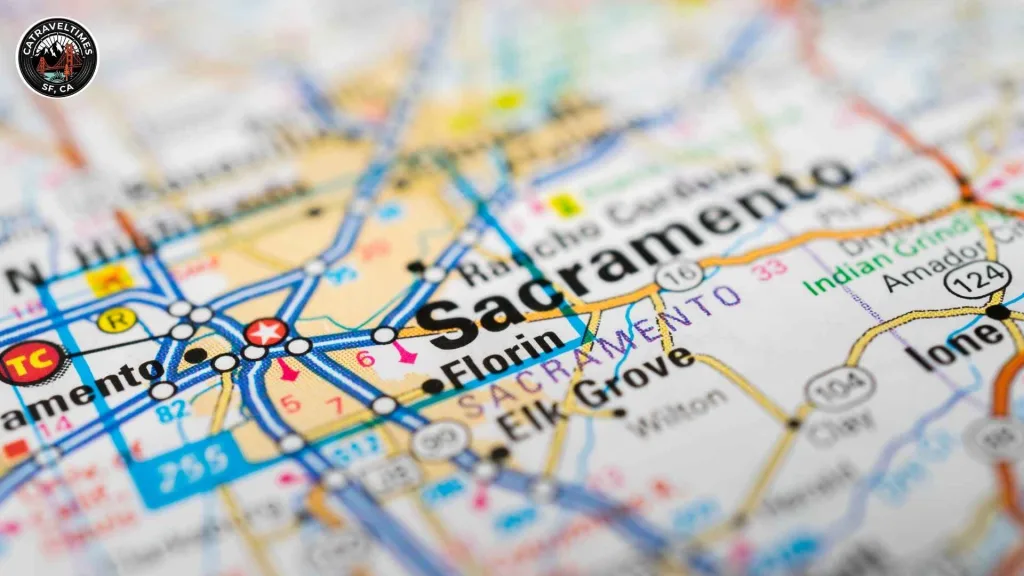
Getting to Sacramento: Directions and Map
Sacramento is easy to reach from most of California and well-connected nationally.
- By air: Sacramento International Airport (SMF) has nonstop service to major U.S. cities and some international destinations
- By car: I-5 and I-80 are the main arteries — about 90 minutes from the Bay Area in normal traffic, 6+ hours from San Diego
- By train: Amtrak’s Capitol Corridor connects Sacramento to Oakland and San Jose; the San Joaquin runs south toward Fresno and Bakersfield
- Within the city: SacRT (Sacramento Regional Transit) runs light rail and buses; Midtown and downtown are walkable and bike-friendly
Why Sacramento — Not Los Angeles or San Francisco?
Sacramento became the permanent state capital because of its strategic location and economic power during the Gold Rush era.
California was admitted to the Union in 1850, but the state didn’t settle on its capital right away. The California Legislature bounced between several cities in its early years:
- San Jose hosted the first legislative meetings in 1849
- Vallejo served briefly but lacked proper facilities
- Benicia held the title for a short period in 1853
Sacramento was chosen as the permanent state capital in 1854 largely because it had grown into the most important inland city in the state. It was the main supply hub for Gold Rush miners, had direct river access to San Francisco Bay, and was centrally located in what is now the Sacramento Valley region.
The decision was partly practical and partly political — Sacramento had become too economically powerful to ignore. The California Legislature officially settled there, and it has remained the seat of California government ever since.
Sacramento’s Role in California Government Today
Sacramento is the seat of all three branches of California state government.
The California Legislature — made up of the State Assembly and the State Senate — meets at the Capitol. The Governor of California’s office is also based there. The California Supreme Court has a presence in Sacramento as well, making the city home to the full apparatus of state governance.
Major state institutions headquartered in Sacramento include:
- UC Davis Medical Center and UC Davis School of Medicine (just outside the city in Davis)
- Sutter Health (one of the largest employers in the region)
- California’s key regulatory and administrative agencies
If you want to understand how California actually functions as a state, spending time in Sacramento gives you a perspective that no other city can.
Other Cities That Were Once California’s Capital
Before Sacramento became the permanent state capital, California rotated through several locations. This is one of the more interesting pieces of early California history:
| City | Capital Status |
| San Jose | First legislative session, 1849 |
| Vallejo | Briefly in 1852 |
| Benicia | 1853 — lasted only about a year |
| Sacramento | Permanent capital from 1854 |
Monterey also played a significant role as the administrative center under Spanish and Mexican rule, and the California Constitution was drafted there in 1849 — but it was never the official state capital after statehood.
The California State Capitol: The Heart of Sacramento
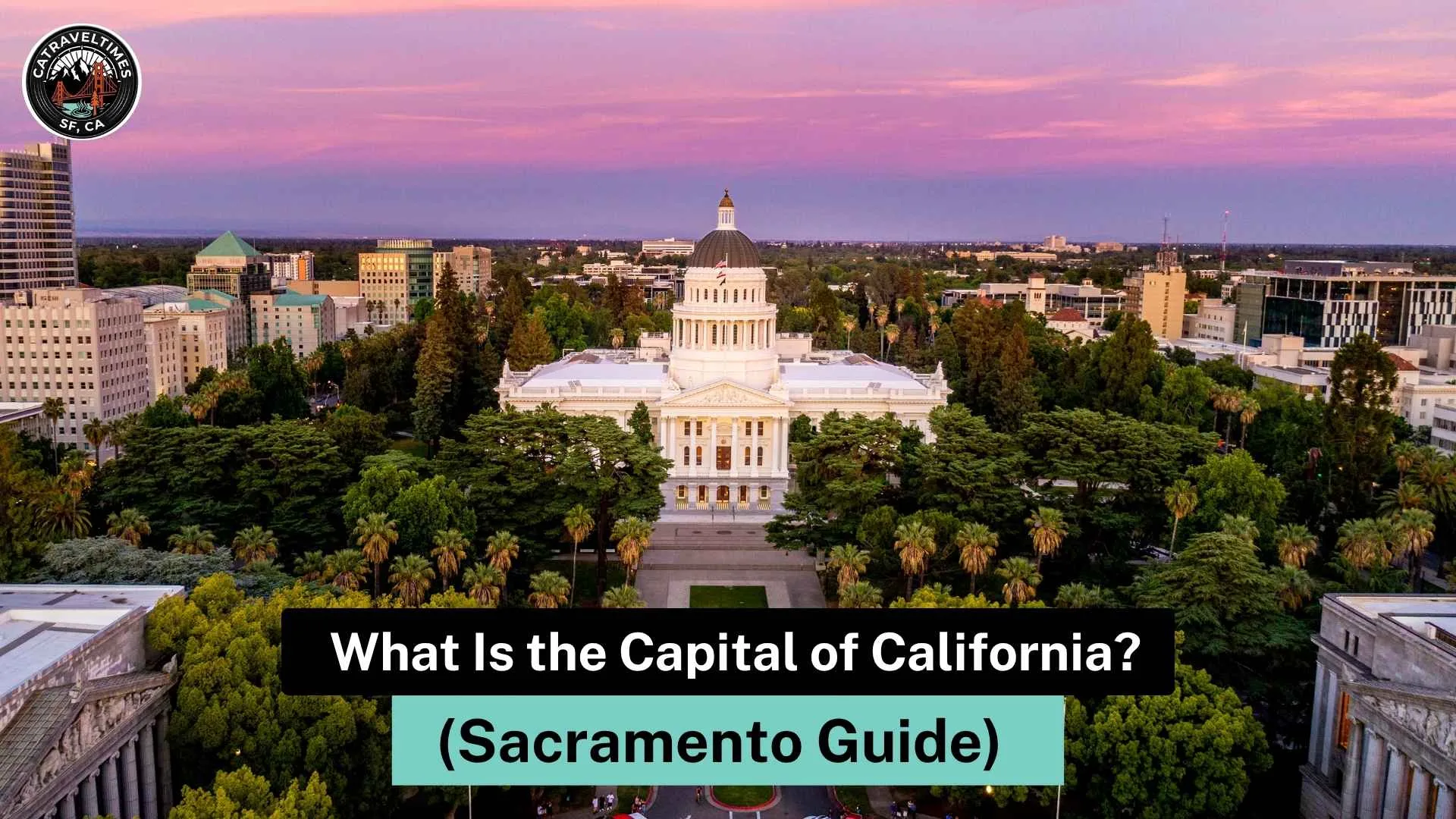
The California State Capitol is the working heart of state government — and one of the most impressive buildings in Sacramento.
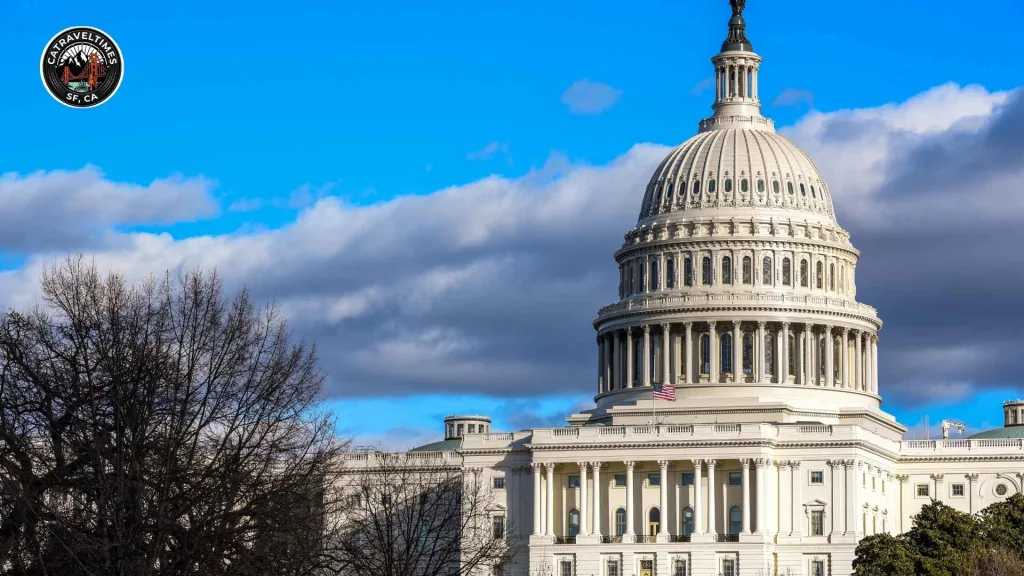
Located at 1315 10th Street in downtown Sacramento, the Capitol building houses:
- The chambers of the California Legislature (both the State Assembly and State Senate)
- The Governor of California’s office
- The California State Capitol Museum, which is free to visit
The building is both a functioning government building and a public museum — which makes it a unique attraction. You can walk the grounds, tour the interior, see restored historic offices, and watch the legislature in session when it’s in session. The ornate dome is stunning from both outside and inside.
The Capitol sits within Capitol Park, a 40-acre green space that’s widely considered one of the most beautiful state capitol grounds in the country. It includes memorials, rose gardens, and a Vietnam Veterans Memorial.
If you plan to visit, the official California State Capitol Museum website has current tour hours, accessibility information, and permit details.
Best Time to Visit Sacramento
Sacramento’s Mediterranean climate means there’s really no bad time to visit — but each season has its character.

| Season | What to Expect |
| Spring (March–May) | Mild temperatures, blooming trees and flowers, ideal for outdoor sightseeing. Best overall season to visit. |
| Summer (June–August) | Very hot — average highs in the mid-90s°F (35°C). Best for evening events, indoor museums, and early morning outdoor activities. Farm-to-Fork season begins. |
| Fall (September–November) | Warm days, cooler nights, wine harvest season. The Farm-to-Fork Festival happens in September. Excellent for day trips to wine country. |
| Winter (December–February) | Cool and occasionally rainy. Great hotel rates, fewer crowds, beautiful fog over the rivers. Ski trips to Tahoe are easy from here. |
What to Do in Sacramento: Top Attractions
Sacramento rewards curious visitors. Here’s what’s genuinely worth your time:
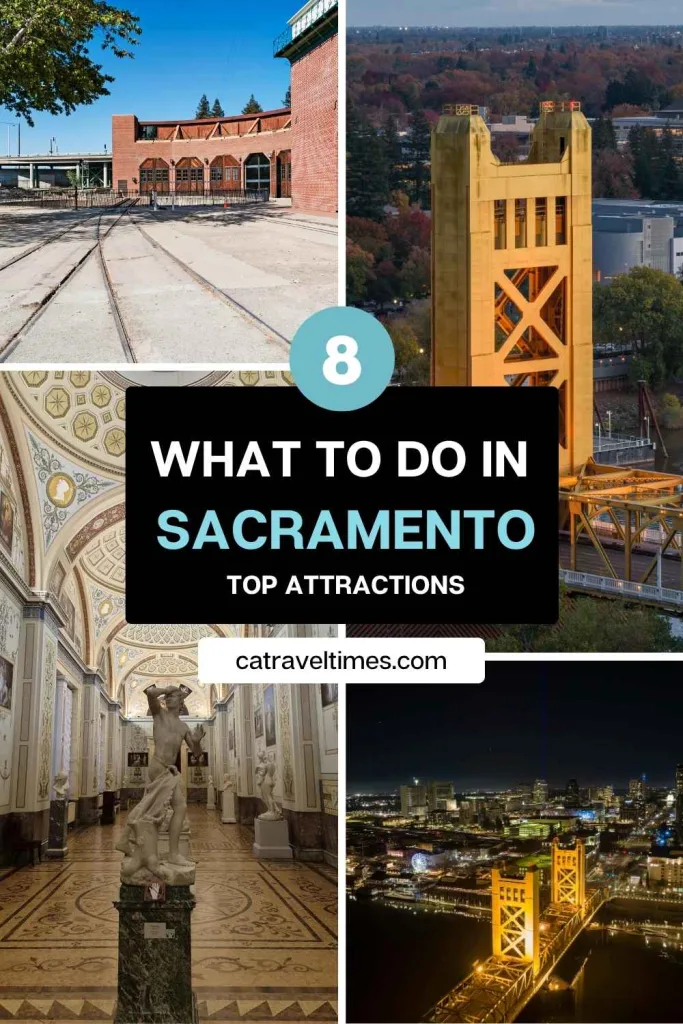
- Old Sacramento Historic District — Cobblestone streets and restored Gold Rush-era buildings along the river; best visited early morning or late afternoon
- California State Railroad Museum — One of the finest railroad museums in the country, with an impressive collection of restored locomotives inside Old Sacramento
- Crocker Art Museum — The oldest public art museum west of the Mississippi, with an exceptional California art collection spanning Gold Rush paintings to contemporary works
- American River Parkway — Thirty-two miles of flat, scenic trails along the American River, perfect for cycling, jogging, or a leisurely walk where locals actually spend their weekends
- Tower Bridge — Sacramento’s golden yellow landmark over the Sacramento River; walk across it for some of the best river views in the city
- California Museum — A smaller, story-driven museum downtown focused on the people who shaped California, with standout exhibits on civil rights and immigrant communities
- Golden 1 Center — Home of the Sacramento Kings and one of the NBA’s most advanced arenas; the surrounding entertainment district makes it a great night out even for non-sports fans
- Sacramento Zoo — A well-kept regional zoo with over 500 animals, set inside the beautiful grounds of William Land Park
Where to Eat & Stay in Sacramento?
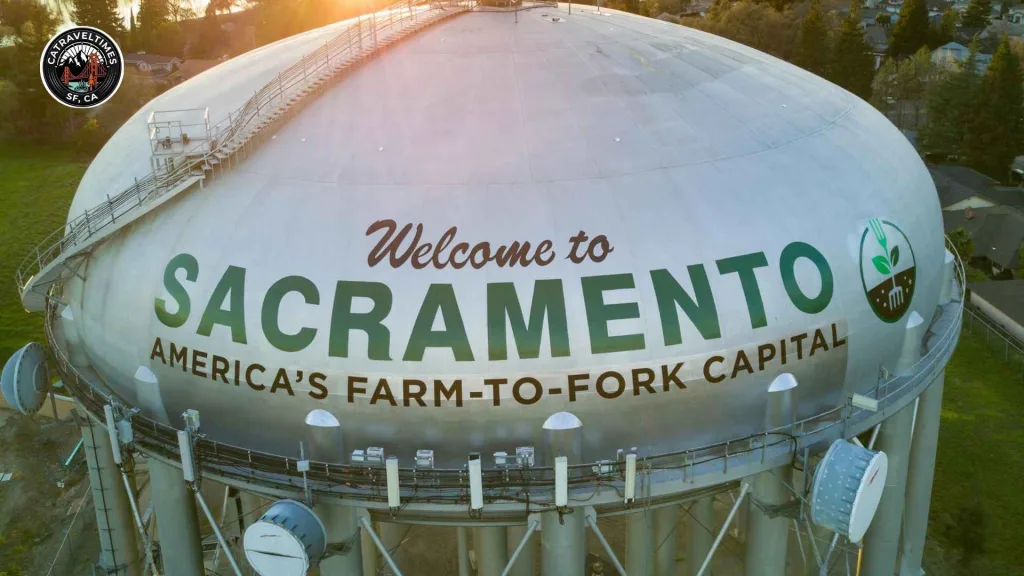
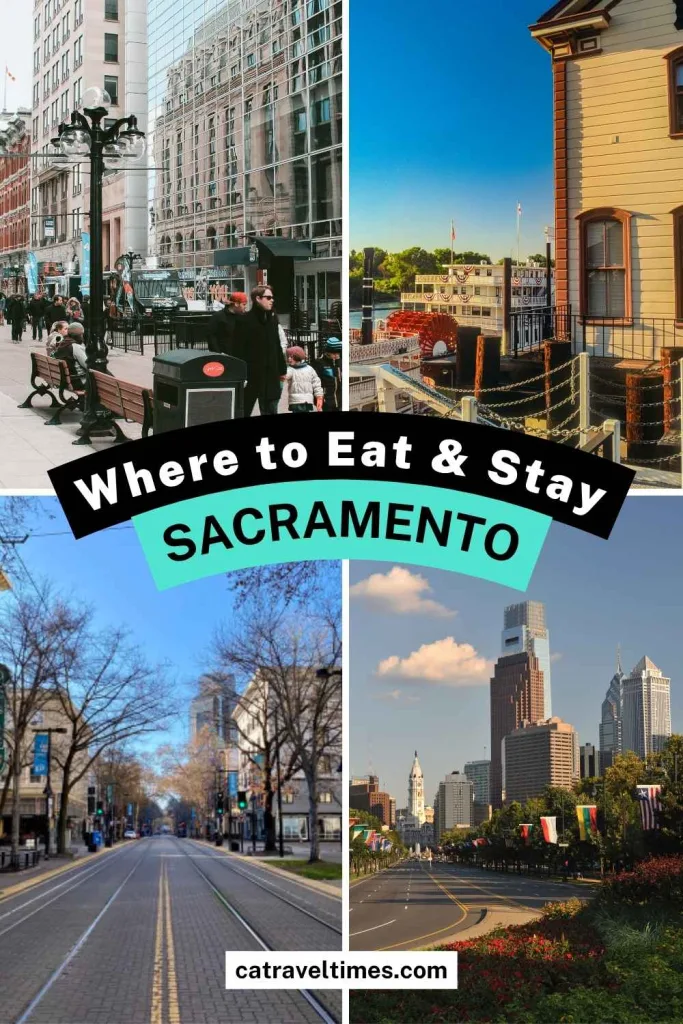
Sacramento earns its title as America’s Farm-to-Fork Capital honestly — surrounded by some of the world’s most productive farmland, its kitchens have direct access to almonds, stone fruit, wine grapes, and more. Chefs here build menus around what’s genuinely fresh and local, making the dining scene stand out even by California standards.
Where to Eat
- Midtown — The city’s richest restaurant corridor, with everything from taquerias to upscale California cuisine along K and R Streets
- Downtown — Strong lunch spots and quick bites near the Capitol, ideal for daytime visits
- Oak Park — An emerging scene with independent cafés, casual international kitchens, and coffee shops
- South Sacramento — The city’s most diverse food corridor, with outstanding Vietnamese, Mexican, and East African options
- Franklin Boulevard — Sacramento’s underrated taco strip, beloved by locals and largely off the tourist radar
Where to Stay
- Capitol Mall / K Street — Best for first-timers; walkable to the Capitol, Old Sacramento, and the Crocker Art Museum
- Midtown Boutique Hotels — Ideal if food and nightlife matter more than landmarks; more local in character
- R Street Corridor — Puts you steps from the best restaurants and coffee shops in the city
- Old Sacramento Waterfront — Limited options but great for a romantic weekend with river views
- Short-Term Rentals (Airbnb/Vrbo) — The smartest value play, especially for groups or stays longer than a few nights; rates run well below San Francisco or Los Angeles
Day Trips from Sacramento
Sacramento’s location in Northern California makes it one of the best home bases for regional day trips in the entire state.
Lake Tahoe — 2 Hours
Head east on I-80 through the Sierra Nevada and you’re at Lake Tahoe in about two hours. In summer: swimming, hiking, kayaking, and some of the clearest water you’ve ever seen. In winter: world-class skiing and snowboarding at resorts like Heavenly, Northstar, and Squaw Valley (now Palisades Tahoe).
San Francisco — 90 Minutes
The Bay Area is an easy drive or train ride west. Amtrak’s Capitol Corridor service runs multiple times daily between Sacramento and San Francisco/Oakland — a relaxing trip that lets you skip the I-80 traffic entirely.
Napa Valley — 90 Minutes
Go southwest through the delta and you’re in wine country. Napa Valley is the most famous, but Sonoma Valley is just as close and feels less crowded. Either makes for a great day out.
Lodi Wine Country — 45 Minutes
Often overlooked in favor of Napa, Lodi produces exceptional Zinfandel and has a more casual, accessible wine-tasting atmosphere. Much closer to Sacramento and far less expensive.
Gold Country / Highway 49 — 1 Hour
Drive east into the Sierra Nevada foothills and you’re in Gold Country — the string of historic mining towns along Highway 49. Placerville, Sutter Creek, and Nevada City are all worth a stop. This is where the Gold Rush actually happened, and the history feels tangible.
National Parks Access
Sacramento is a solid jumping-off point for several of California’s major protected areas. Yosemite National Park is about 3 hours southeast. Lassen Volcanic National Park is roughly 3 hours north. For a full breakdown of what’s worth visiting, check out the National Parks guide on CA Travel Times.
Practical Travel Tips for Sacramento

- Parking: Street parking exists downtown but gets competitive on weekday mornings. Parking garages near Old Sacramento and the Convention Center are affordable and convenient.
- Weather: Pack a layer even in summer — Sacramento evenings can cool down fast, especially near the rivers.
- River safety: The Sacramento and American Rivers can have strong currents, especially in spring snowmelt season. Heed posted warnings if you’re swimming or paddling.
- Farmers Markets: The Sacramento Central Farmers Market (Saturday mornings) is worth going out of your way for. It’s one of the best in Northern California.
- Tipping: Standard California service expectations — 18–20% at restaurants is the norm.
- Cell coverage: Strong throughout the city and most nearby areas, including the Highway 49 corridor.
Final Thoughts
What is the capital of California? Sacramento — a city that’s been central to California’s story since before the state even existed. It’s where Gold Rush money built an economy, where the transcontinental railroad had its western terminus, and where California’s government has operated for over 170 years.
It’s also just a genuinely good city to visit. The food is excellent, the historic district is well-preserved, the Capitol building is free to tour, and the access to nature is hard to beat. Whether you’re going for a weekend or passing through, Sacramento earns more time than most people give it.
Frequently Asked Questions
What is the capital of California?
Sacramento. It has been California’s permanent state capital since 1854.
How far is Sacramento from San Francisco?
About 90 miles — roughly 90 minutes by car on I-80, or 2–2.5 hours by Amtrak Capitol Corridor train.
What is Sacramento known for?
Sacramento is known as California’s state capital, its Gold Rush history, the Farm-to-Fork food movement, the California State Capitol building, Old Sacramento Historic District, and its proximity to Lake Tahoe and wine country.
What are Sacramento’s nicknames?
City of Trees, River City, Sactown, Camellia City, and Sac. The “City of Trees” nickname is the most accurate — the urban tree canopy here is genuinely impressive.
What is the California State Capitol building?
It’s the seat of the California government, housing the chambers of the California State Legislature (Assembly and Senate) and the office of the Governor of California. It’s located at 1315 10th Street in downtown Sacramento and is open to the public for free tours.