25 Best Things To Do in Lassen Volcanic National Park in Northern California (2026 Guide)
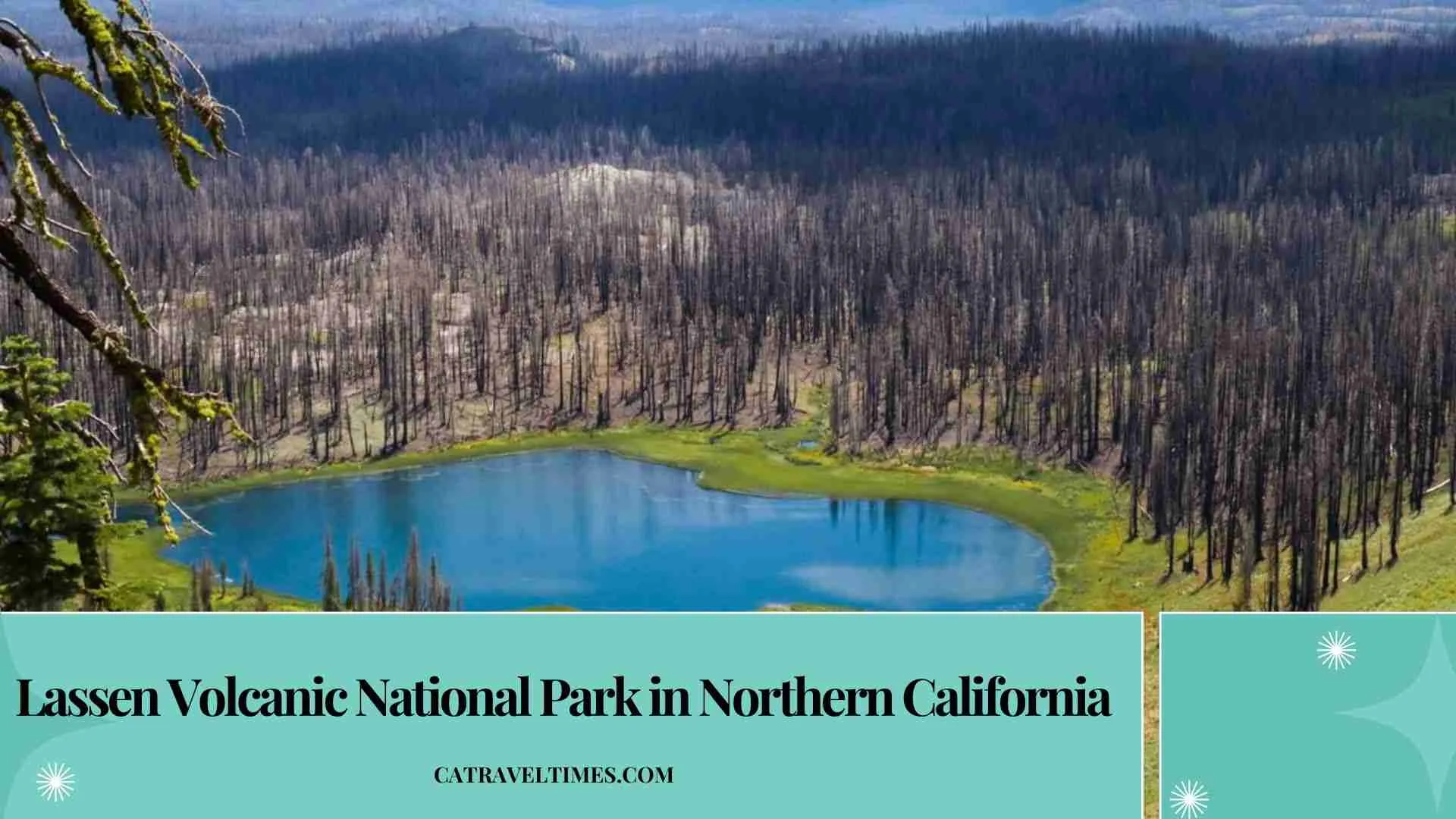
If you are looking for an adventure that feels wild, remote, and totally unforgettable, the things to do in Lassen Volcanic National Park in Northern California will surprise you. This park sits in the heart of the Shasta Cascade region and it has everything — active volcanoes, bubbling hot springs, crystal-clear alpine lakes, and miles of hiking trails. Most people head straight to Yosemite or Sequoia, but Lassen is a true hidden gem that gives you all the drama with far fewer crowds.
Whether you want an easy family walk or a serious summit hike, Lassen has something for you. For more California travel ideas, check out CA Travel Times — a great resource for planning trips across the state.
This guide covers everything you need to know — from the best hikes and geothermal areas to where to stay, eat, and what to pack.
Lassen Volcanic National Park: Quick Park Details
| Detail | Info |
| Location | Northern California, Shasta Cascade region |
| Nearest City | Redding, CA (approx. 50 miles away) |
| Park Entry Fee | $35 per vehicle (2026) |
| Best Time to Visit | Mid-July to early October |
| Park Hours | Open 24 hours, 365 days |
| Main Highway | Lassen Peak Highway (Hwy 89) — 34 miles scenic drive |
| Cell Service | Limited — best at higher elevations |
| Bear Spray Allowed | NO — not permitted in this park |
| Reservations Needed | Only for campgrounds — no trail permits required |
| Official Website | nps.gov/lavo |
Best Time to Visit Lassen Volcanic National Park
Timing your visit makes a huge difference here. Lassen Peak Highway, the main road through the park, closes every winter and sometimes does not open until late June or July. Once it opens, the park truly comes alive.
The sweet spot is mid-July through early October. You get snow-free trails, comfortable temperatures, and stunning scenery. Here is a month-by-month breakdown to help you plan:
| Month | Visit Rating | What to Expect |
| January | ⭐⭐ | Heavy snow, most roads closed, snowshoeing only |
| February | ⭐⭐ | Still snowy, limited access, good for winter sports |
| March | ⭐⭐ | Snow melting slowly, highway still closed |
| April | ⭐⭐ | Snow clearing, some lower trails open |
| May | ⭐⭐⭐ | Partial access, some trails open, snow likely on peaks |
| June | ⭐⭐⭐ | More trails opening, wildflowers starting, some snow |
| July (mid–end) | ⭐⭐⭐⭐⭐ | BEST MONTH — all trails open, clear skies, no smoke yet |
| August | ⭐⭐⭐⭐ | Great but wildfire smoke possible, still mostly good |
| September | ⭐⭐⭐⭐ | Beautiful fall colors, less crowded, some smoke risk |
| October (early) | ⭐⭐⭐⭐⭐ | SECOND BEST — golden fall colors, cool weather, quiet |
| October (late) | ⭐⭐⭐ | First snow possible, highway may close |
| November | ⭐⭐ | Highway closes, winter season begins |
| December | ⭐⭐ | Snow season, very limited access |
Pro Tip: The third and fourth week of July is the single best time to visit. You get snow-free trails AND you are before the wildfire smoke season. Always check road conditions before you go.
How To Get to Lassen Volcanic National Park
There is no public transport to Lassen Volcanic. A car is your only real option, and honestly, the drive is half the fun.
- 🔵 Blue markers represent recommended Things To do in Lassen Volcanic National Park
- 🔴 Red markers represent recommended Things To do Near Lassen Volcanic National Park
By Car
The two main routes into the park are:
- From the north (Redding): Take Highway 44 east. This leads to the Northwest Entrance at Manzanita Lake.
- From the south: Take Highway 36 east from Red Bluff or Chester. This leads to the Southwest Entrance at Kohm Yah-mah-nee Visitor Center.
Both entrances are worth knowing because they offer access to different parts of the park.
Nearest Airports
- Redding Municipal Airport — Closest option, about 50 miles from the park. Small airport with limited flights.
- Sacramento International Airport — About 3.5 hours south. Most flights land here.
- Reno-Tahoe International Airport — About 3 hours east. Good option if you are coming from the east.
Two Park Entrances
- Northwest Entrance (Manzanita Lake) — Best starting point for Lassen Peak Highway, campgrounds, and paddle sports.
- Southwest Entrance (Kohm Yah-mah-nee Visitor Center) — Best for Bumpass Hell, Sulphur Works, and the south side trails.
Distance Table
| From City | Distance | Drive Time |
| Redding, CA | ~50 miles | ~1 hour |
| Sacramento, CA | ~175 miles | ~3 hours |
| San Francisco, CA | ~270 miles | ~4 hours |
| Reno, NV | ~190 miles | ~3 hours |
| Crater Lake, OR | ~230 miles | ~4 hours |
25 Best Things To Do in Lassen Volcanic National Park in Northern California
Here are the top 25 Lassen Volcanic National Park activities from short easy walks to full-day summit adventures. Whether it is your first visit or your fifth, this list has something new for you. For more ideas across California, the National Parks guide at CA Travel Times is worth bookmarking.
1. Climb Lassen Peak
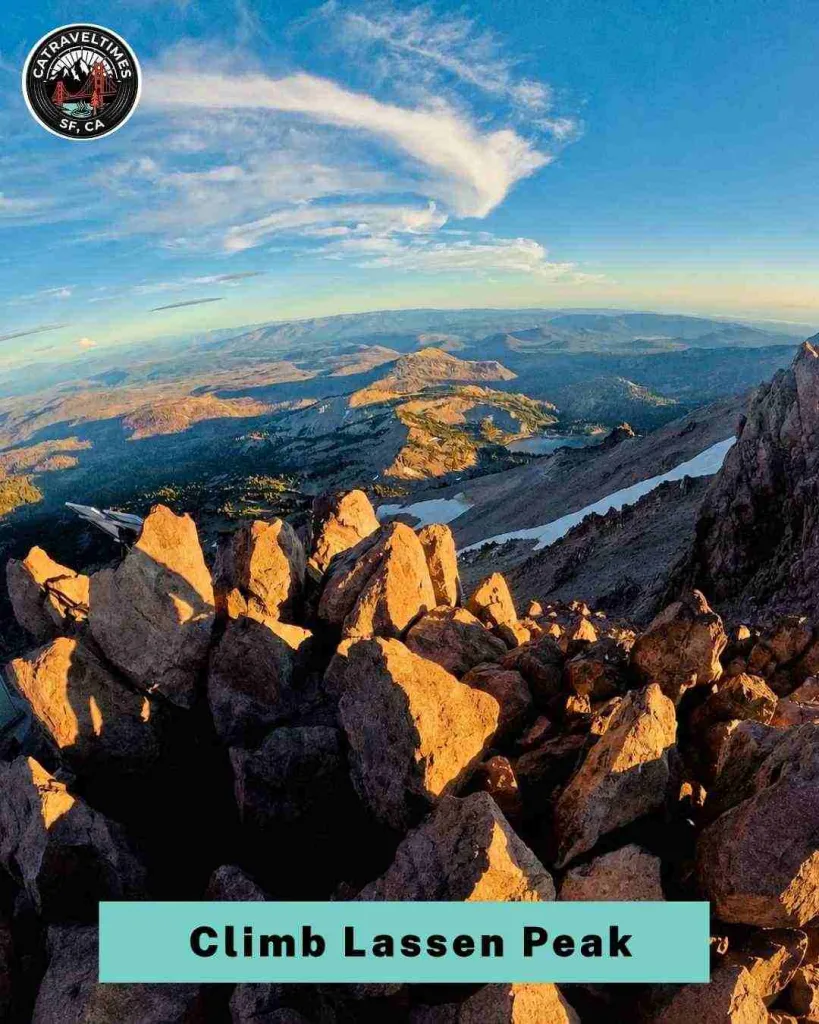
Lassen Peak is the crown jewel of the park. You climb 1,960 feet through 43 switchbacks to reach the summit of one of the world’s largest plug dome volcanoes. On a clear day, you can see parts of four states — California, Nevada, Oregon, and a sliver of Idaho. Go early in the morning to beat the afternoon heat and catch the best light. Micro-spikes are a must if you visit before mid-July, as snow covers the upper trail well into summer.
- Type: Hike
- Difficulty: Hard
- Distance: 5 miles round trip
- Time Needed: 4–5 hours
2. Hike the Cinder Cone Trail
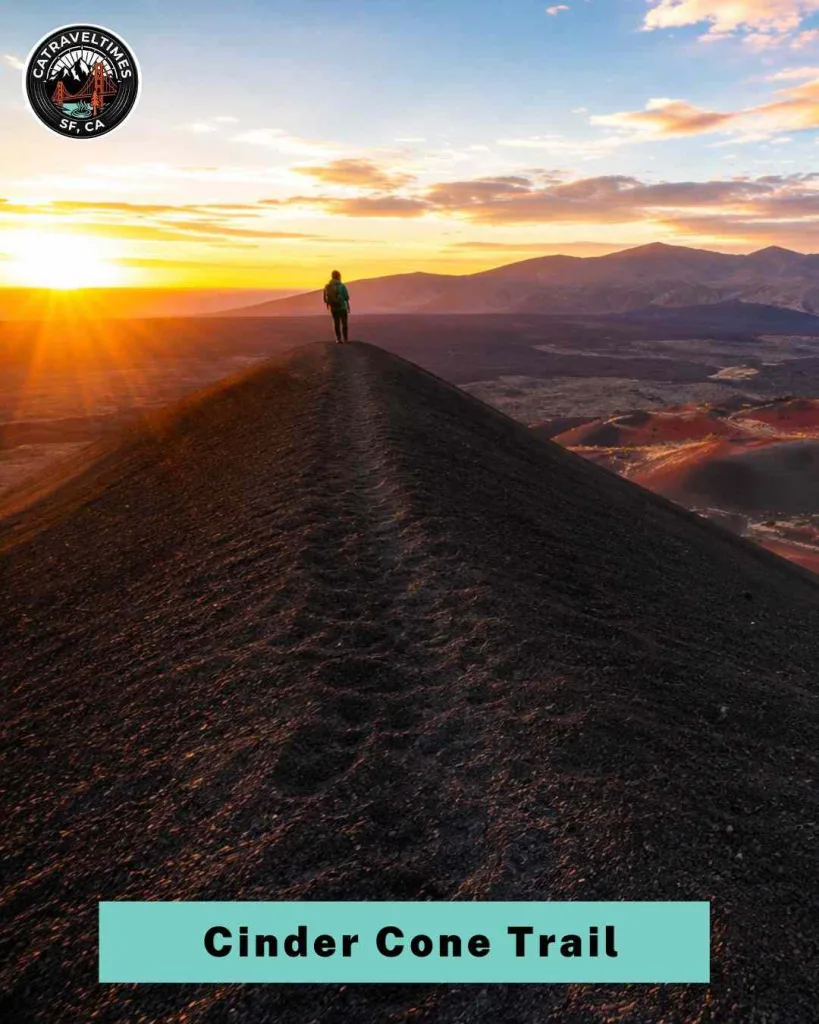
Cinder Cone is one of the most visually dramatic spots in the park. You hike up a perfectly shaped black volcanic cone and then look out over the Painted Dunes — colorful oxidized lava fields that glow orange, red, and yellow in morning light. Sunrise photography here is absolutely spectacular. The sand-like surface of the cone makes the climb feel like hiking on a giant sand dune, which is unusual and a lot of fun.
- Type: Hike / Geology / Photography
- Difficulty: Moderate
- Distance: 4 miles round trip
- Time Needed: 3 hours
3. Explore Bumpass Hell
Bumpass Hell is the most popular trail in the park and for good reason — it is the largest hydrothermal area in the Lassen Volcanic. Boardwalks take you right over boiling pools, steam vents, and mud pots. The sulfur smell is strong but the views are incredible. Stay on the boardwalk at all times; the thin crust around the pools can break through. This trail is a must-do on any visit to Lassen Volcanic National Park in Northern California.
- Type: Geothermal / Walk
- Difficulty: Easy–Moderate
- Distance: 3 miles round trip
- Time Needed: 2 hours
4. Walk Around Manzanita Lake
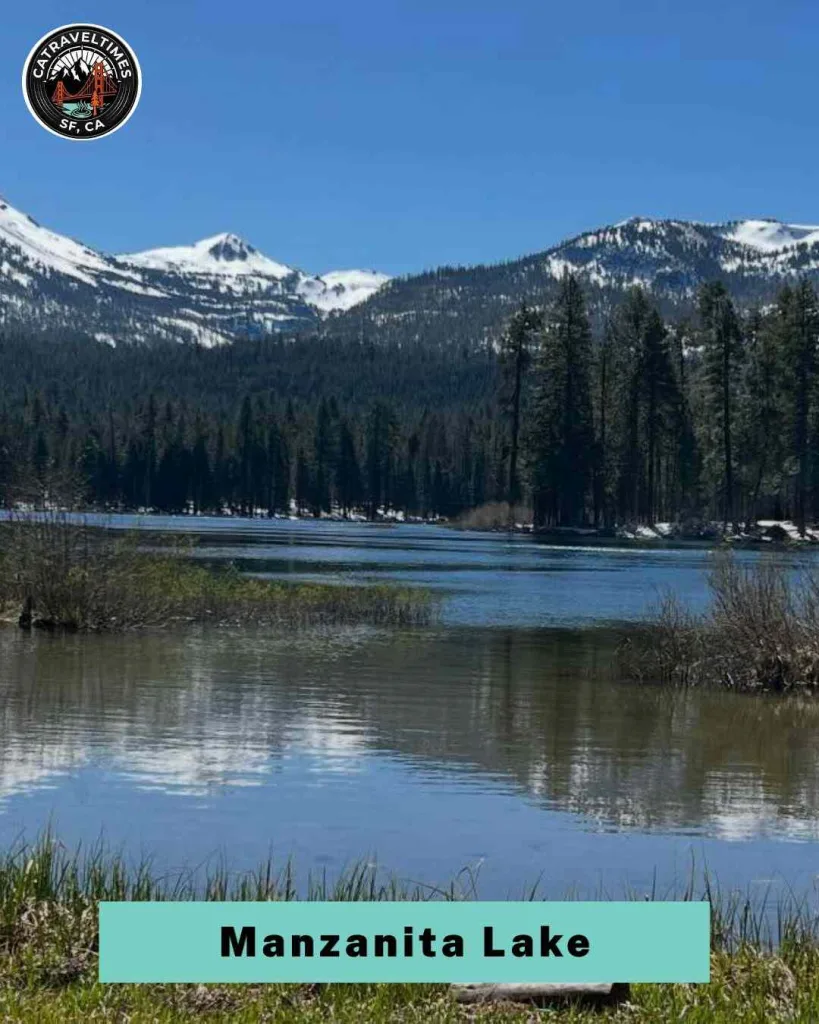
This flat, easy loop around Manzanita Lake is one of the most peaceful walks in the park. You get jaw-dropping views of Lassen Peak reflected in the calm water, especially at sunset. Kayak and paddleboard rentals are available in summer, and fishing is popular here too. If you are visiting with kids or just want a relaxed afternoon, this is your spot.
- Type: Scenic Walk / Family / Photography
- Difficulty: Easy
- Distance: 2.2 miles loop
- Time Needed: 1–1.5 hours
5. Visit Ridge Lakes
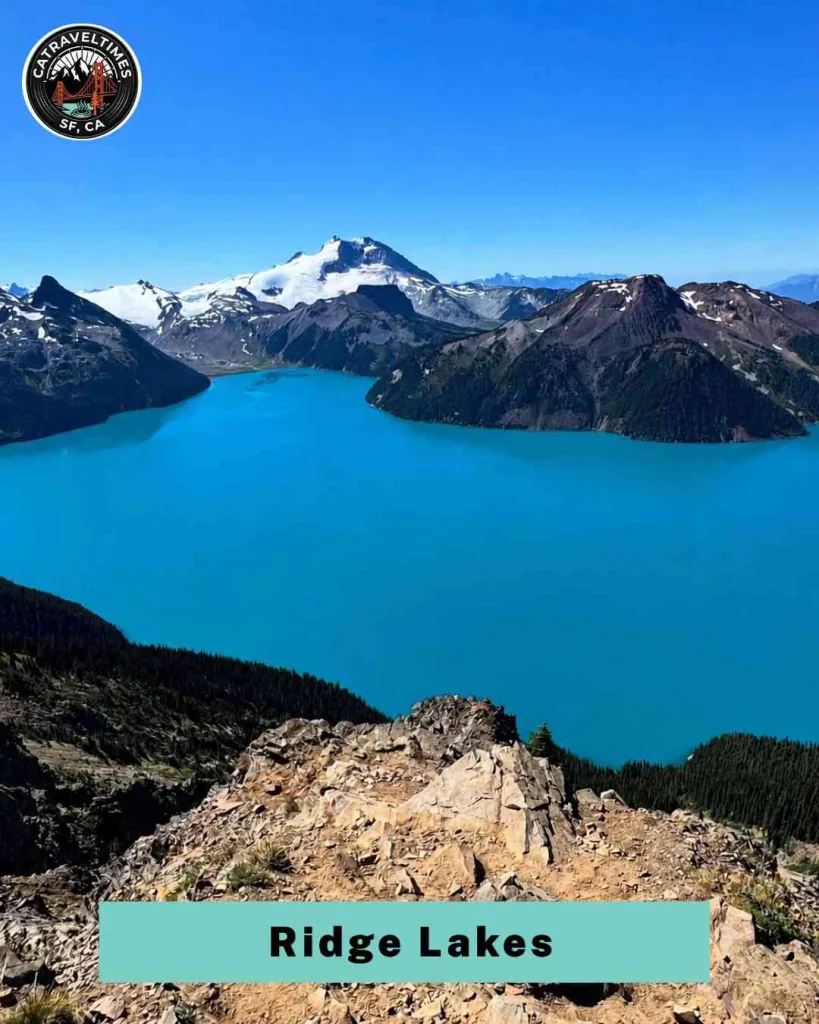
Ridge Lakes is, in this writer’s opinion, the most beautiful alpine lake in the entire park. The hike is short but steep — you gain about 900 feet quickly — but the reward is a stunning turquoise lake sitting in a rocky volcanic bowl. Very few people make this hike compared to the main highway stops, so you often have the lake entirely to yourself. Go in late July or August when the water is actually swimmable.
- Type: Hike / Alpine Lake
- Difficulty: Moderate–Hard
- Distance: 2 miles round trip
- Time Needed: 2 hours
6. Drive Lassen Peak Highway (Hwy 89)
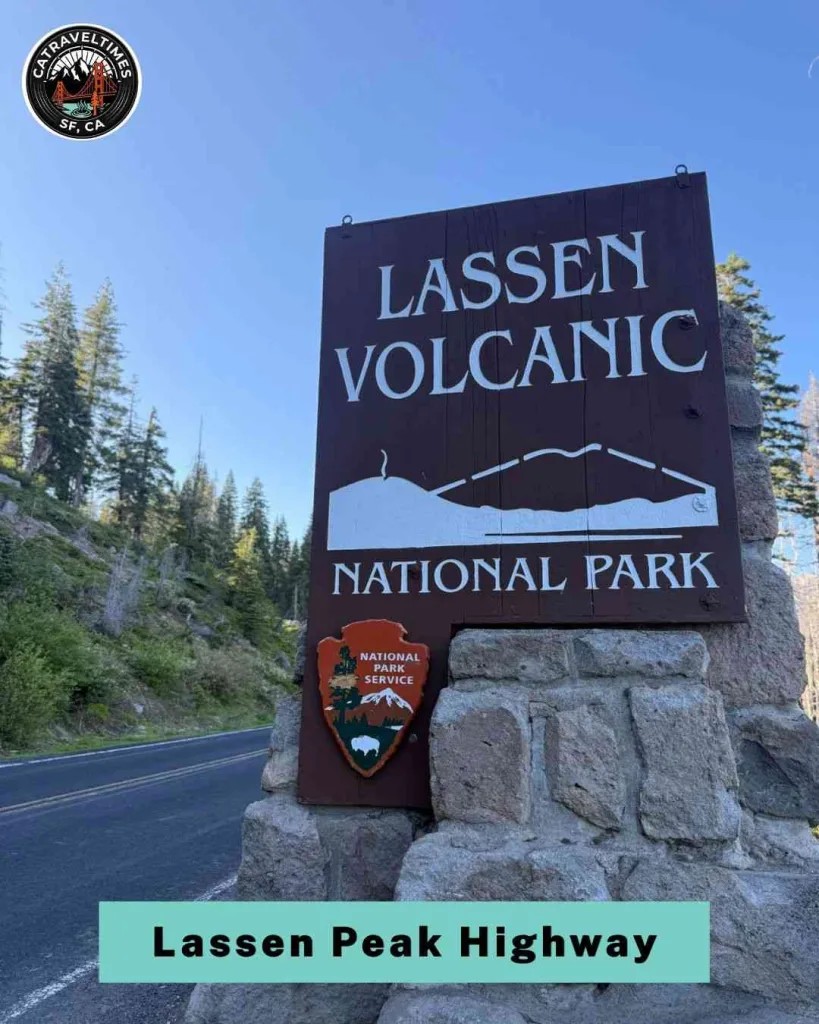
Even if you do not hike a single trail, driving the full length of Lassen Peak Highway is worth the park entry fee on its own. The road climbs to 8,511 feet, passes volcanic peaks, crystal lakes, steaming vents, and wildflower meadows. You can stop at nearly every major attraction right from the road. This scenic byway is best driven south to north in the morning so the light is behind you on the mountains. Check the lassen national park road conditions before you go, especially in the early season.
- Type: Scenic Drive
- Difficulty: Easy
- Distance: 34 miles one way
- Time Needed: Half day (with stops)
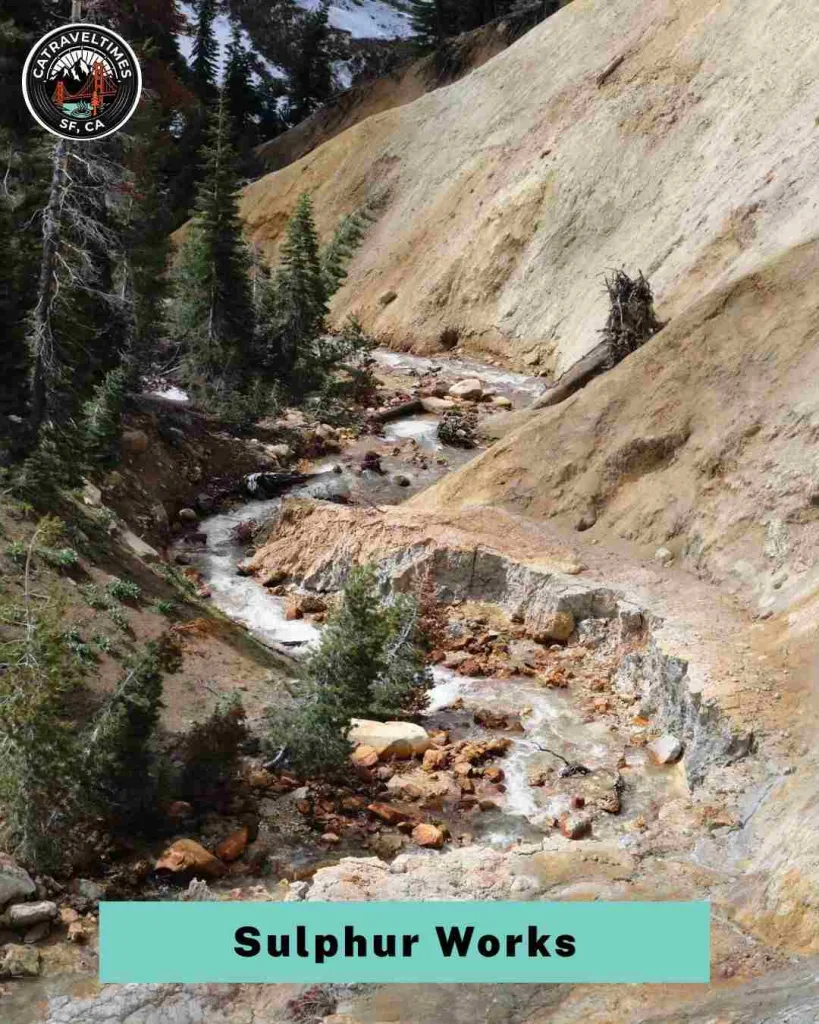
7. See Sulphur Works
Sulphur Works is the easiest geothermal stop in the park — you can see active mud pots and steam vents from right next to the highway without hiking at all. It sits just inside the Southwest Entrance. Combine this quick stop with the Ridge Lakes Trail nearby for a great morning. The smell of sulfur is strong here, but watching the earth literally bubble and steam never gets old.
- Type: Geothermal / Roadside Stop
- Difficulty: Easy
- Distance: 0.1 miles
- Time Needed: 15–20 minutes
8. Hike Brokeoff Mountain Trail
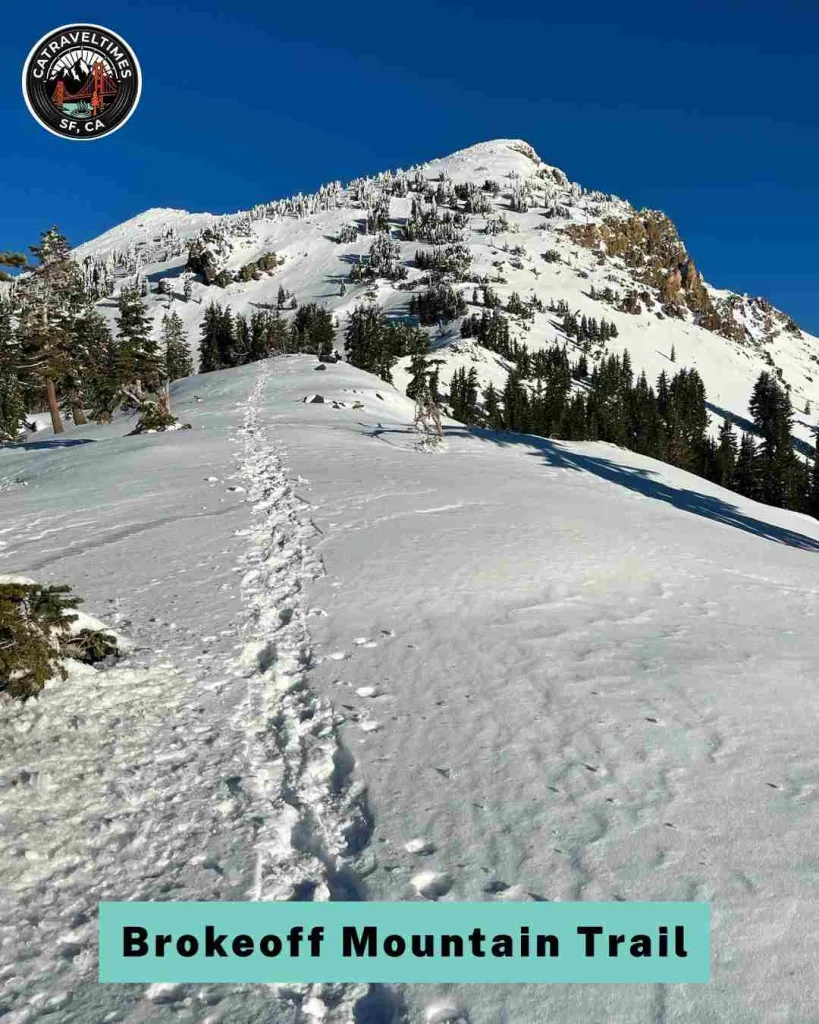
Brokeoff Mountain is one of the most underrated trails in the park. You hike through old forest, open meadows, and rocky ridgelines to the summit — and the views of Lassen Peak from the west side are better than almost anywhere else in the park. This is the ideal trail for sunset hikers. Start in the afternoon, summit around golden hour, and hike back in the last light of day. Bring a headlamp just in case.
- Type: Hike / Summit / Sunset
- Difficulty: Hard
- Distance: 7.4 miles round trip
- Time Needed: 5–6 hours
9. Discover Boiling Springs Lake
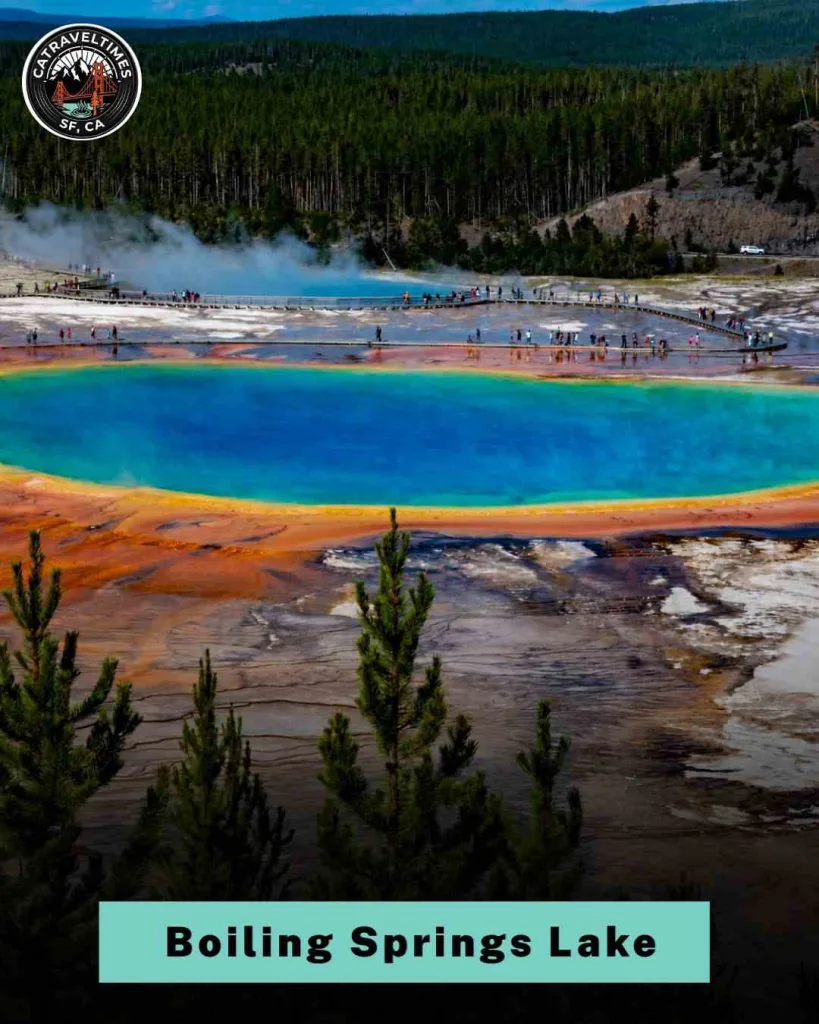
Boiling Springs Lake sits in the remote Warner Valley section of the park, and it is absolutely stunning. The lake is a vivid turquoise color — almost unreal — with steam rising from its surface and bubbling activity all around the edges. This is the most visually striking geothermal feature in the park. Because it requires a drive to Warner Valley (south end of the park), fewer visitors make it here, which makes it feel extra special.
- Type: Geothermal / Hike
- Difficulty: Moderate
- Distance: 2.8 miles round trip
- Time Needed: 2 hours
10. Visit Lake Helen
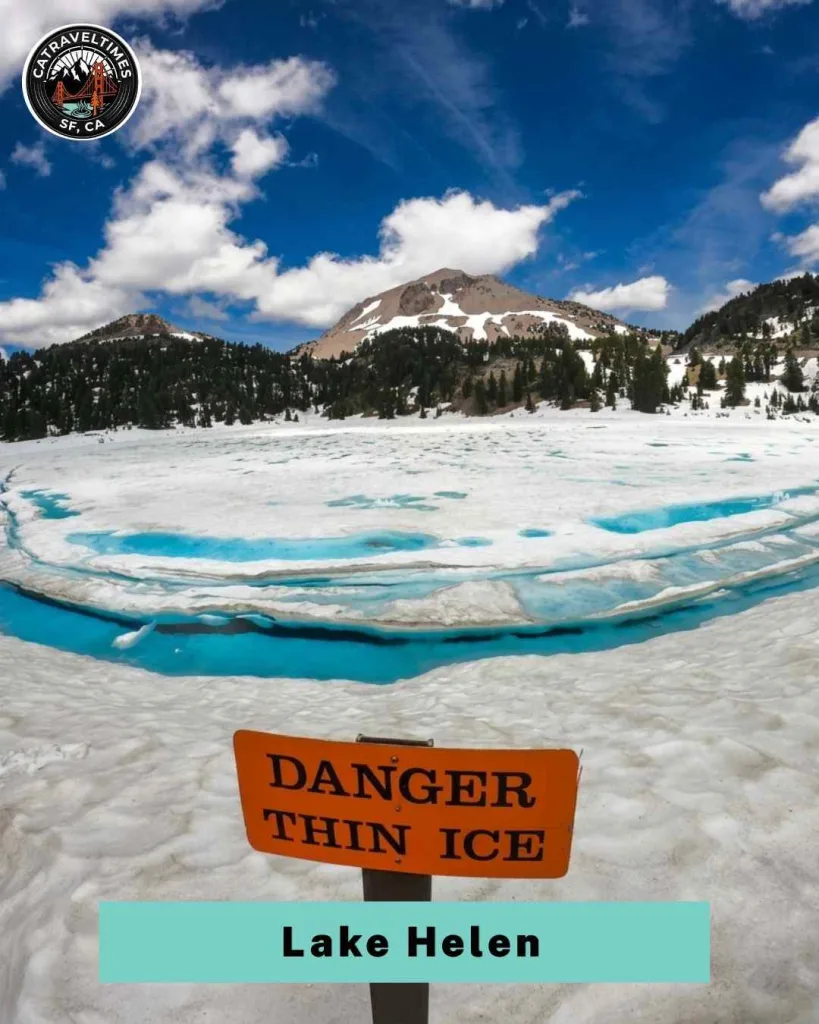
Lake Helen sits at the base of Lassen Peak and is one of the most photogenic spots along Highway 89. The lake stays frozen until late June or July, but once it opens up, it is perfect for swimming, fishing, and paddling. The golden hour light here, with Lassen Peak reflected in the water, is breathtaking. Even a short stop on your way to or from the Lassen Peak trailhead is well worth it.
- Type: Alpine Lake / Scenic / Swimming
- Difficulty: Easy (roadside)
- Distance: Roadside
- Time Needed: 30 minutes–1 hour
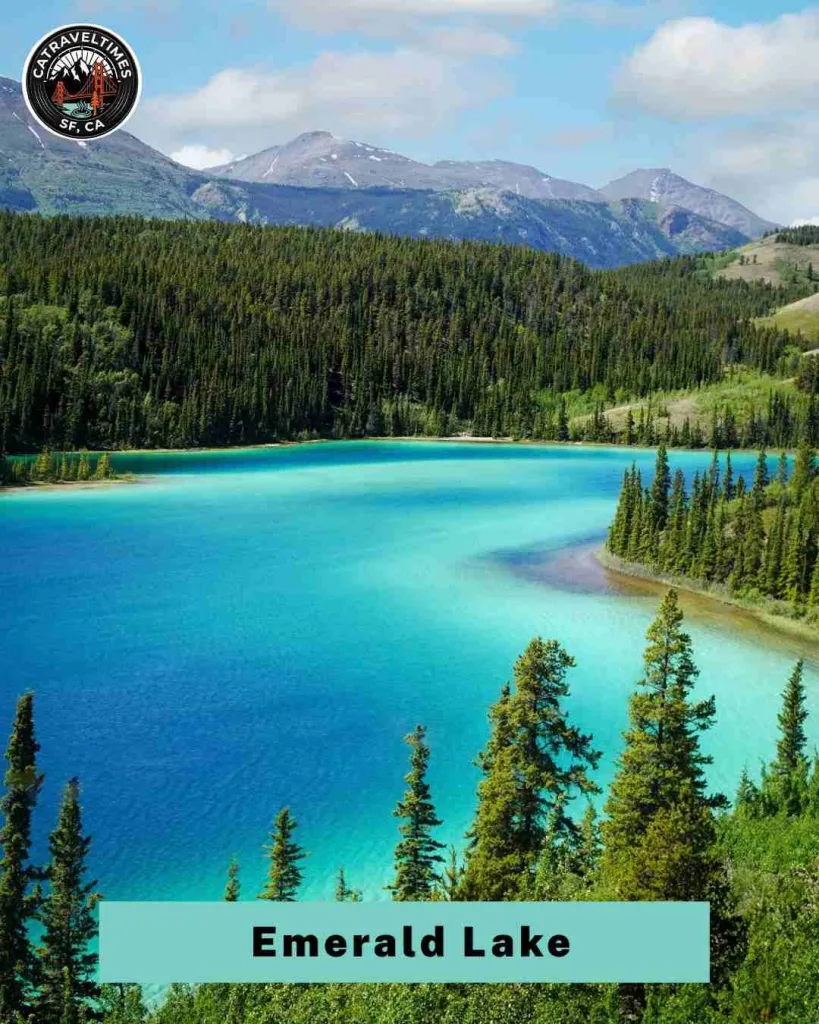
11. See Emerald Lake
Emerald Lake is a small, quiet lake just south of Lake Helen along Highway 89. It is best visited at sunrise when the water is perfectly still and the green color of the lake creates mirror-like reflections of the surrounding peaks. It is easy to miss if you drive past quickly, so slow down and pull over. This is one of the best early-morning photo spots in the park.
- Type: Scenic / Photography
- Difficulty: Easy (roadside)
- Distance: Roadside
- Time Needed: 15 minutes
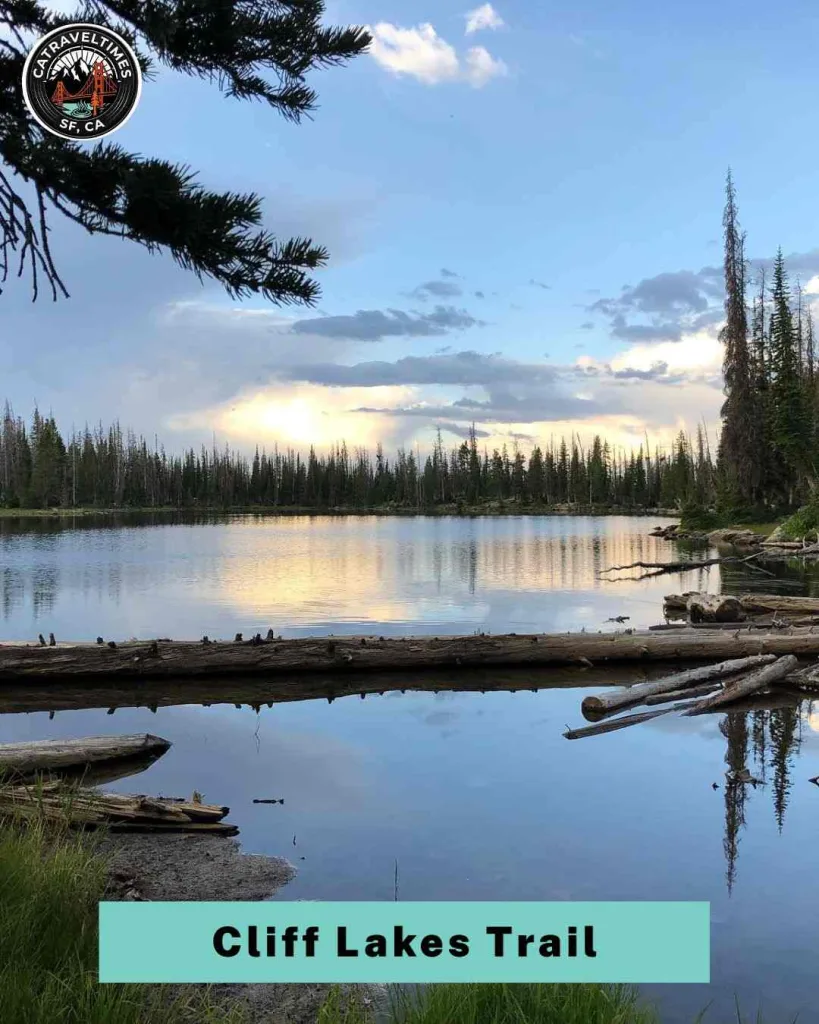
12. Hike Terrace, Shadow, and Cliff Lakes Trail
This trail takes you to three completely different lakes in one hike. Each lake has its own character — Terrace Lake is high and exposed, Shadow Lake is dark and moody, and Cliff Lake sits dramatically at the base of red volcanic cliffs. The trail is moderate and not too crowded. Fishing and swimming are good at each lake, and the variety of scenery keeps the hike interesting from start to finish.
- Type: Hike / Lakes
- Difficulty: Moderate
- Distance: 3.8 miles round trip
- Time Needed: 2.5–3 hours
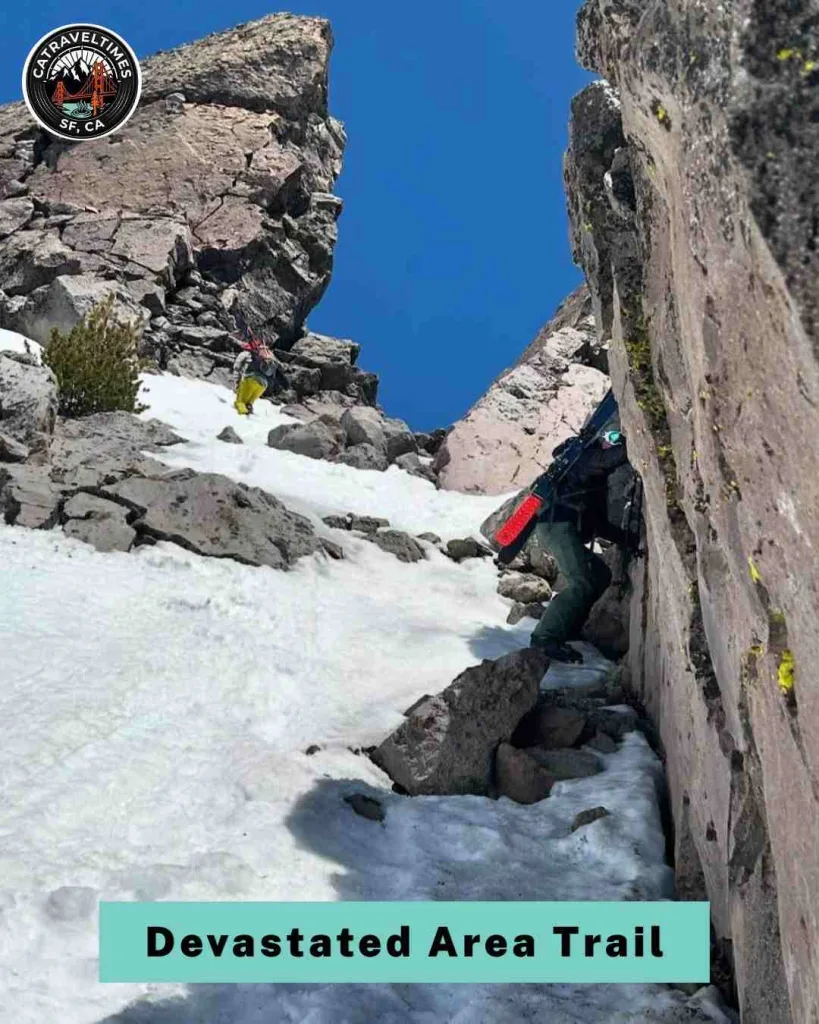
13. Explore the Devastated Area Trail
This short, flat trail walks you through the aftermath of Lassen Peak’s massive 1915 eruption. You see enormous boulders that were launched miles from the summit, downed trees, and interpretive signs explaining what happened over a century ago. It is one of the best educational stops in the park and perfect for families with young kids. The landscape looks almost lunar — totally unlike anything else along the highway.
- Type: History / Easy Walk / Family
- Difficulty: Easy
- Distance: 0.3 miles
- Time Needed: 30–45 minutes
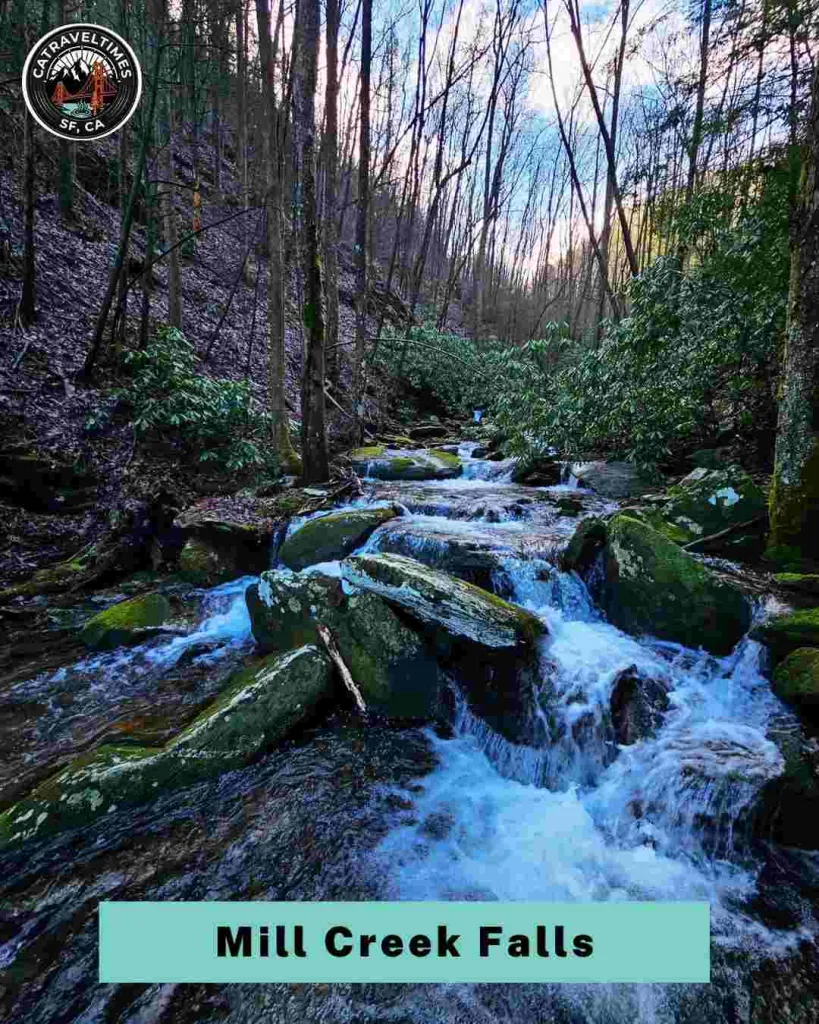
14. Hike to Mill Creek Falls
Mill Creek Falls is the tallest waterfall in Lassen Volcanic National Park, but hardly anyone knows about it. While most visitors flock to Kings Creek Falls, Mill Creek is quieter, more dramatic, and more rewarding. The trail starts near the Southwest Entrance and winds through forest before dropping down to the falls. Go in June or early July when snowmelt keeps the water volume high. This is a true hidden gem trail.
- Type: Hike / Waterfall
- Difficulty: Moderate
- Distance: 3.5 miles round trip
- Time Needed: 2.5 hours
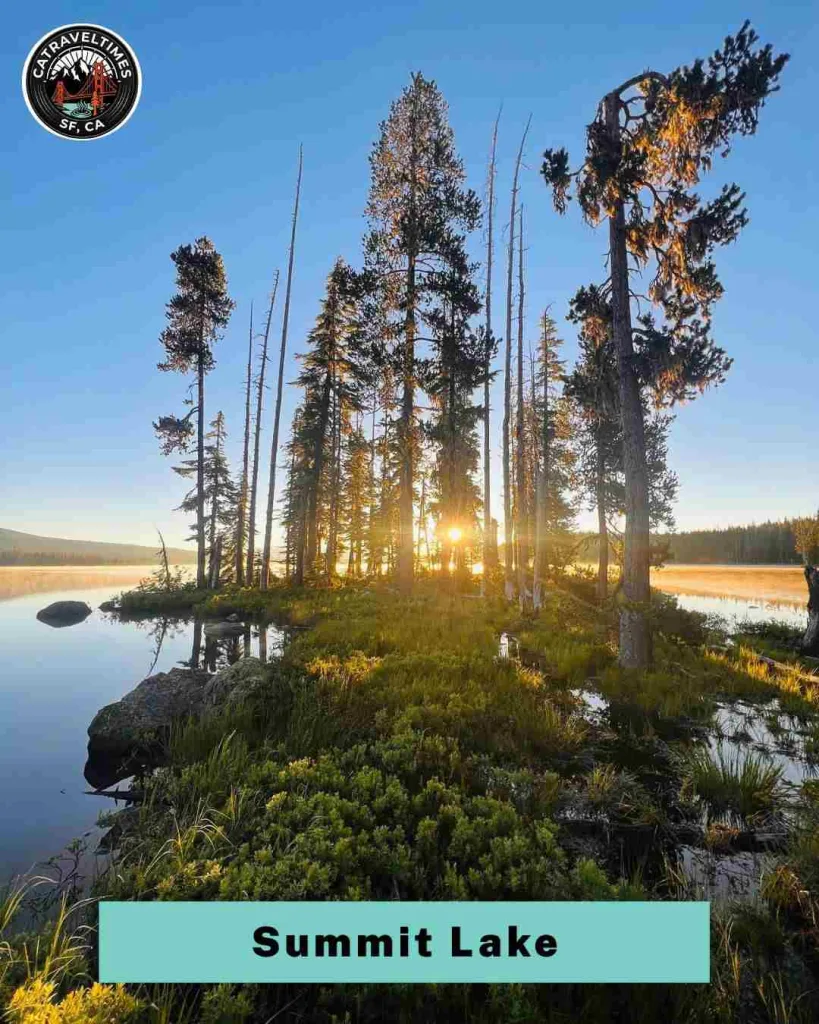
15. Visit Summit Lake
Summit Lake is a beautiful, clear alpine lake right in the center of the park. The short loop around the lake offers great views of Lassen Peak and is especially magical early in the morning when the water is glassy and the light is soft. The campground right at the lake is one of the best spots to wake up in the park. Even if you are not camping, stop here for a quiet morning walk.
- Type: Alpine Lake / Hike / Camping
- Difficulty: Easy
- Distance: 0.75 miles loop
- Time Needed: 30 minutes–1 hour
16. Hike the Kings Creek Falls Trail
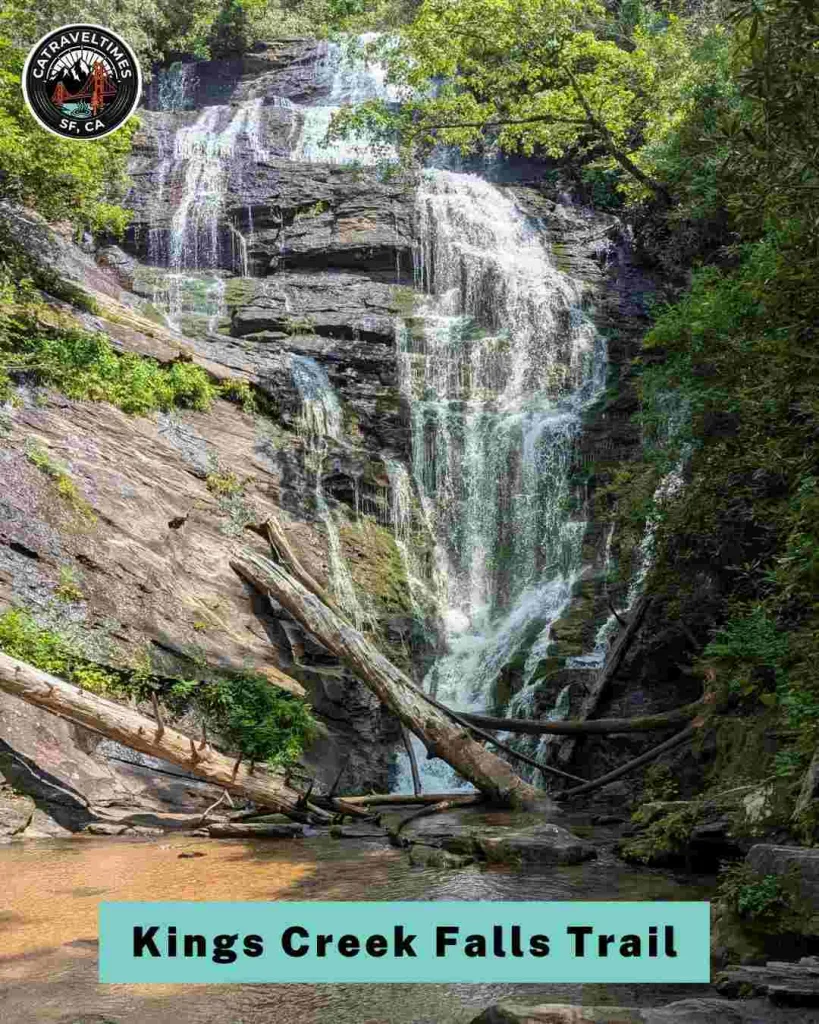
Kings Creek Falls is one of the most popular waterfall hikes in the park, and it earns its reputation. The trail descends through a beautiful meadow and old-growth forest before reaching a series of cascades and the main falls. The hike back up is the hard part, but it is short. Go on a weekday morning to avoid the crowds. Families do this trail comfortably — just be aware that the final descent to the falls is steep and rocky.
- Type: Hike / Waterfall
- Difficulty: Moderate
- Distance: 3 miles round trip
- Time Needed: 2 hours
17. Kayak or Fish at Butte Lake
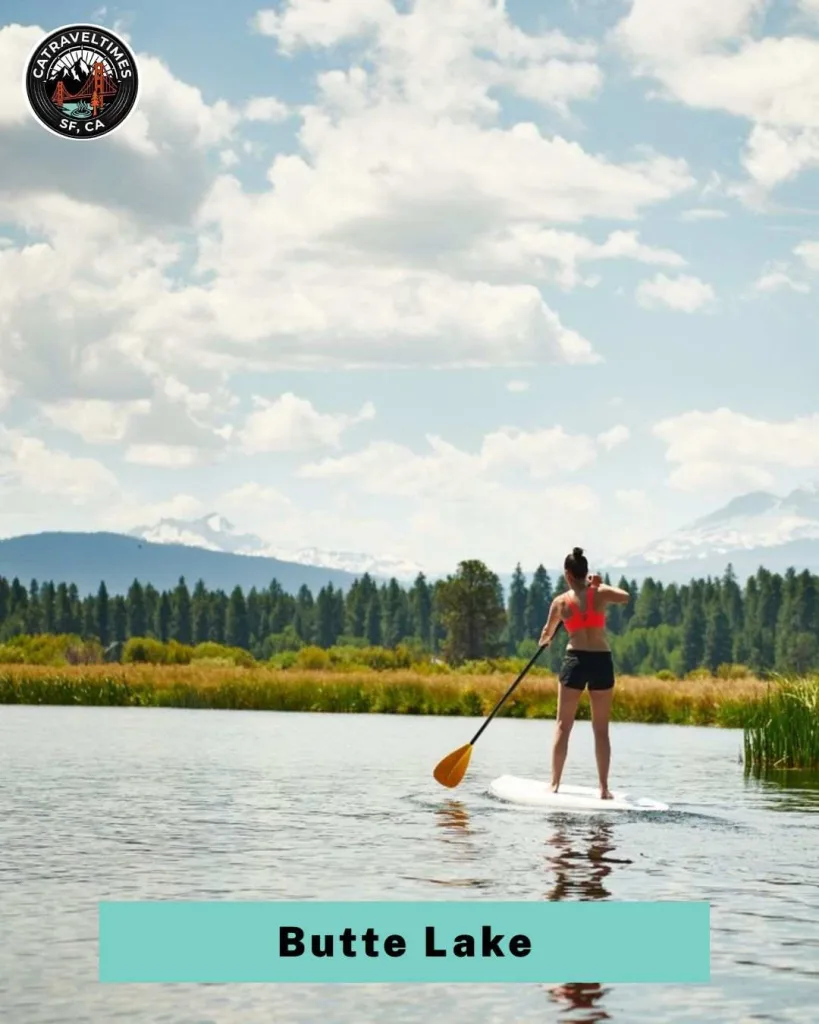
Butte Lake is a stunning, turquoise-colored volcanic lake tucked in the remote northeast corner of the park. It is much less visited than sites along Highway 89, which makes it feel like a local secret. The lake is surrounded by old lava beds and the Cinder Cone nearby. Fishing for rainbow trout is excellent here. Bring your own kayak or canoe and spend a slow, peaceful morning on the water.
Type: Paddling / Fishing / Scenic
Difficulty: Easy
Distance: Roadside
Time Needed: Half day
18. Watch the Sunrise at Upper Kings Creek Meadow
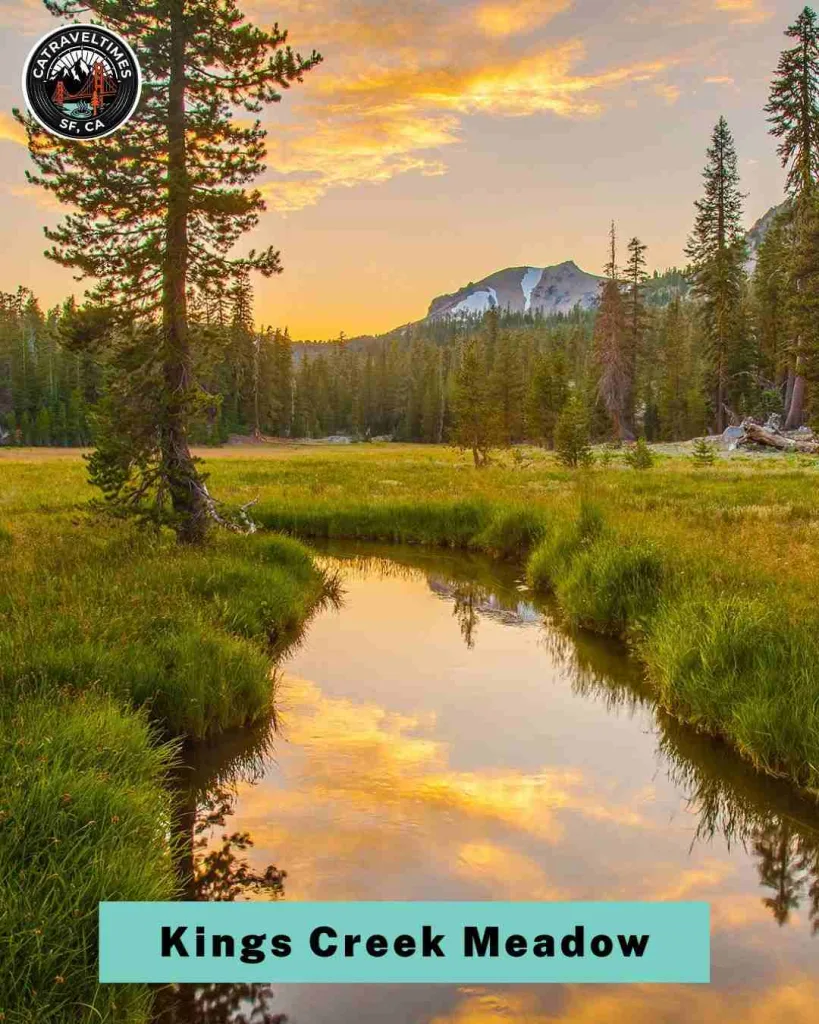
You do not need to hike to see something magical at Lassen. Drive up to the Upper Kings Creek Meadow pullout before sunrise, set up a chair, pour your coffee, and watch the first light slowly creep across Lassen Peak and down into the meadow below. The wildflowers in July make this scene look like a painting. This is a perfect activity for anyone who wants beauty without big effort.
- Type: Scenic / Photography / Relaxing
- Difficulty: Easy
- Distance: Short walk from pullout
- Time Needed: 1–2 hours
19. Hike Prospect Peak Trail
Prospect Peak is the least-crowded major trail in the park. You hike through burned forest from the 2021 Dixie Fire — it is different and a little haunting — and climb to a historic fire lookout with 360-degree views of the park and surrounding lava fields. You will likely have the summit to yourself. Bring extra water and sun protection because the exposed trail offers little shade. This is the trail to choose if you want a true adventure away from the crowds.
- Type: Hike / Panoramic / Off the Beaten Path
- Difficulty: Hard
- Distance: 7.4 miles round trip
- Time Needed: 5–6 hours
20. Walk the Reflection Lake Trail
This short, flat trail loops around Reflection Lake and offers beautiful mirror images of Lassen Peak in the calm water. It is a perfect trail for families with young children or anyone who wants a peaceful, beautiful walk with minimal effort. You can easily combine it with the Lily Pond Trail nearby for a slightly longer morning walk. Early morning is the best time for photos when the water is still.
- Type: Easy Walk / Family / Photography
- Difficulty: Easy
- Distance: 0.7 miles
- Time Needed: 30–45 minutes
21. Visit Devil’s Kitchen (Warner Valley)
Devil’s Kitchen is the second-largest hydrothermal area in the park after Bumpass Hell. It sits in the remote Warner Valley and sees a fraction of the visitors, which makes it a fantastic choice if you want that geothermal experience without the crowds. You get steam vents, bubbling mud pots, and colorful hydrothermal pools. The trail through the forest to reach it is beautiful too. Pair this with Boiling Springs Lake nearby for a full Warner Valley day.
- Type: Geothermal / Hike
- Difficulty: Moderate
- Distance: 4.6 miles round trip
- Time Needed: 2.5–3 hours
22. Hike Cold Boiling Lake and Crumbaugh Lake Trail
Cold Boiling Lake is one of the strangest and most fascinating spots in the park. The lake literally bubbles — not from heat, but from volcanic CO2 gas rising from the lake bottom. It looks like a pot of water simmering on a stove, but the water is cold. Crumbaugh Lake nearby is calm and beautiful by contrast. This trail is short, moderately easy, and gives you two very different experiences in one walk. Great for photos.
- Type: Hike / Unique Geology / Photography
- Difficulty: Easy–Moderate
- Distance: 2.6 miles round trip
- Time Needed: 2 hours
23. Star Gaze at Night
Lassen Volcanic is a certified dark sky park. With almost no light pollution in the area, the Milky Way is visible in full detail on clear summer nights. The best spots for stargazing are Manzanita Lake, Summit Lake, and any of the high-elevation pullouts along Highway 89. Bring a warm blanket because temperatures drop fast at elevation, even in summer. This experience alone is worth an overnight stay at the park.
- Type: Night Sky / Relaxing / Photography
- Difficulty: Easy
- Distance: N/A
- Time Needed: As long as you like
24. Attend a Ranger-Led Program
The National Park Service offers free ranger programs at both Kohm Yah-mah-nee Visitor Center and Manzanita Lake throughout summer. Programs cover topics like the park’s volcanic history, wildlife, and geology. They are fun, informative, and especially great for kids. Check the current program schedule on the park website or at either visitor center when you arrive.
- Type: Educational / Family / Free
- Difficulty: Easy
- Distance: N/A
- Time Needed: 1–2 hours
25. Visit Kohm Yah-mah-nee Visitor Center
Start your trip here. The Kohm Yah-mah-nee Visitor Center is one of the best in the National Park system. It has a beautiful park film, interactive geology exhibits, maps, a gift shop, and — importantly — free Wi-Fi. If you are planning your lassen volcanic national park itinerary on the fly, this is where to get oriented. Rangers here are incredibly knowledgeable and happy to point you to the best spots for the day.
- Type: Visitor Center / Orientation / Free
- Difficulty: Easy
- Distance: At the Southwest Entrance
- Time Needed: 30–45 minutes
10 Best Things To Do Near Lassen Volcanic National Park
A Lassen trip pairs beautifully with the region around it. Here are 15 great add-ons to consider before or after your visit.
1. Crater Lake National Park, Oregon
Crater Lake is the deepest lake in the United States, formed inside the caldera of an ancient volcano. The electric blue color of the water is unlike anything else in North America. It pairs perfectly with Lassen on a Northern California–Oregon road trip.
Distance from Park: ~230 miles / 4-hour drive north
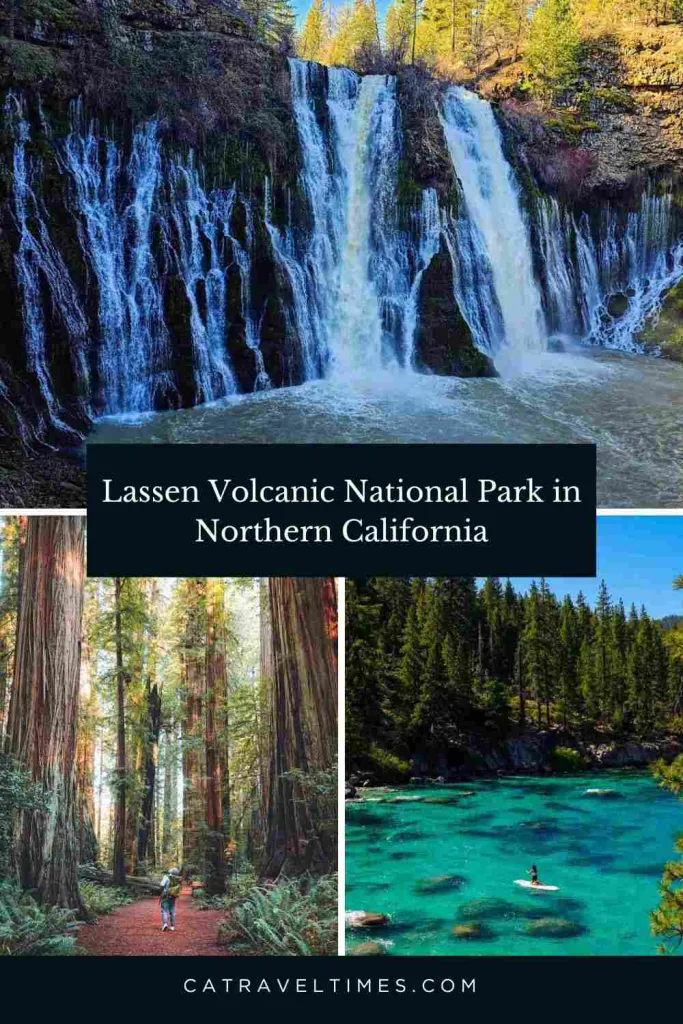
2. Burney Falls (McArthur-Burney Falls Memorial State Park)
Burney Falls is a 129-foot waterfall that pours from a mossy cliff face in sheets of water from underground springs. President Theodore Roosevelt reportedly called it the Eighth Wonder of the World. Visit early morning for the best light and to beat the crowds. This is one of the most beautiful waterfalls in Northern California.
Distance from Park: ~50 miles / 1-hour drive
3. Lake Almanor and Chester, CA
Chester is a charming small mountain town on the shore of Lake Almanor, a beautiful alpine reservoir surrounded by mountains. It is the best gateway to the Warner Valley side of Lassen. Great fishing, boating, and dining make it an ideal base for a few nights.
Distance from Park: ~35 miles / 45-minute drive
4. Redwood National and State Parks
The world’s tallest trees are just three hours west. If you are driving in or out from the coast, a Redwood side trip is absolutely worth it. Walk among trees that are over 300 feet tall — it puts everything in perspective.
Distance from Park: ~180 miles / 3-hour drive west
5. Yosemite National Park
Yosemite is the natural bookend to a Northern California national parks road trip. If you fly into Sacramento, visiting both Lassen Volcanic and Yosemite on the same trip is very doable. The contrast between Lassen’s volcanic landscape and Yosemite’s granite valleys is striking.
Distance from Park: ~260 miles via Sacramento / 4-hour drive south
6. Lake Tahoe
Lake Tahoe is one of the most beautiful mountain lakes in the world — crystal clear, deep blue, and surrounded by Sierra Nevada peaks. Great for summer swimming, hiking the Tahoe Rim Trail, or just relaxing at the shore. An easy add-on at the end of a Lassen trip.
Distance from Park: ~190 miles / 3.5-hour drive south
7. Mount Shasta
Mount Shasta is a towering, snow-capped stratovolcano that dominates the northern California skyline. You can hike the lower slopes, visit the town of Mount Shasta for great food and coffee, or simply photograph the peak from Highway 5. It is easily the most dramatic roadside view in Northern California.
Distance from Park: ~80 miles / 1.5-hour drive north
8. Shasta Lake (Lake Shasta)
Lake Shasta is California’s largest reservoir, formed behind Shasta Dam near Redding. It is a fantastic spot for boating, kayaking, and watersports. Houseboating on Shasta Lake is popular and hugely fun for groups or families.
Distance from Park: ~60 miles / 1-hour drive west
9. Plumas National Forest
Plumas National Forest is a quiet, beautiful forest with waterfalls, meadows, and trails that almost nobody visits. If you want peace and quiet after a busy time in the national park, Plumas is a fantastic antidote. Great dispersed camping and fishing too.
Distance from Park: ~40 miles / 1-hour drive south
10. Hat Creek Rim
Hat Creek Rim is a dramatic volcanic escarpment just north of the park. The area has interesting geology, great ATV and off-road tracks, and a famous radio telescope array. A short detour on your way to or from the park.
Distance from Park: ~20 miles / 30-minute drive north
Best Lassen Volcanic National Park Itineraries
Not sure how many days to spend? Here are three plans — from a quick day trip to a full park experience.
One-Day Itinerary — Best of Lassen in a Day
| Time | Activity |
| 6:00 AM | Arrive at park, drive Lassen Peak Highway from south entrance |
| 6:30 AM | Stop at Sulphur Works (quick 10-minute stop) |
| 7:00 AM | Sunrise at Emerald Lake or Lake Helen |
| 8:00 AM | Hike Bumpass Hell Trail (3 miles, 2 hours) |
| 11:00 AM | Drive to Lassen Peak trailhead, optional summit attempt |
| 1:00 PM | Lunch at picnic area near Manzanita Lake |
| 2:30 PM | Walk Manzanita Lake Loop Trail (1 hour) |
| 4:00 PM | Explore Devastated Area Trail (30 minutes) |
| 6:30 PM | Watch sunset from Manzanita Lake west shore |
| 7:30 PM | Head back to Redding |
Two-Day Itinerary — Best of Both Sides
Day 1 — Highway 89 Side (Main Highlights)
- Morning: Lassen Peak Summit Hike (start early — 5 AM recommended)
- Afternoon: Bumpass Hell Trail
- Evening: Manzanita Lake Sunset + Campfire at Manzanita Campground
Day 2 — Hidden Side (Warner Valley + Butte Lake)
- Morning: Boiling Springs Lake Trail (Warner Valley)
- Midday: Devil’s Kitchen Trail
- Afternoon: Drive to Butte Lake, kayak or relax
- Evening: Cinder Cone Trail at sunset (Painted Dunes)
Three-Day Itinerary — Full Park Experience
- Day 1: Lassen Peak Highway highlights — Sulphur Works → Emerald Lake → Bumpass Hell → Manzanita Lake sunset
- Day 2: Summit hikes — Lassen Peak Trail (morning start at 5 AM) → Brokeoff Mountain (afternoon and sunset)
- Day 3: Off the beaten path — Warner Valley (Boiling Springs Lake + Devil’s Kitchen) → Butte Lake (Cinder Cone Trail)
Where To Stay and eat Near Lassen Volcanic National Park?
Staying inside the park puts you right in the middle of it all. Book early — especially for summer weekends.
Camping Inside the Park
| Campground | Location | Sites | Reservation |
| Manzanita Lake Campground | Northwest entrance | 100+ sites + 20 cabins | recreation.gov (book early!) |
| Summit Lake North | Central park | Tent + RV sites | recreation.gov |
| Summit Lake South | Central park | Tent sites | First-come, first-served |
| Butte Lake Campground | Northeast section | Tent + RV sites | recreation.gov |
| Juniper Lake Campground | Southeast section | Tent sites only | First-come, first-served |
| Southwest Campground | South entrance | Walk-in tent sites | No reservations needed |
Camping Tip: Manzanita Lake Cabins (only 20 available) book out months in advance. Reserve as soon as you know your dates at Recreation.gov.
Hotels and Lodges Near the Park
| Place | Location | Type | Notes |
| Drakesbad Guest Ranch | Warner Valley (inside park) | Historic lodge | Book months ahead, very popular |
| Best Western Plus Hilltop Inn | Redding, CA | Hotel | Good base, near restaurants |
| Holiday Inn Express | Redding, CA | Hotel | Affordable, clean |
| Chester hotels | Chester, CA | Various | Best for Warner Valley access |
| Lake Almanor rentals | Chester area | Vacation rentals | Great for families |
Where To Eat Near Lassen Volcanic National Park
There is no restaurant inside the park, so plan your meals in Redding or Chester before you enter.
| Restaurant | Location | Type | Why Go |
| Nello’s Place | Redding, CA | Italian | Best dinner after a long hike day |
| Champa Garden | Redding, CA | Thai | Great variety, good for groups |
| Clearie’s | Chester, CA | American | Local favorite, casual diner food |
| Pine Shack Frosty | Chester, CA | Ice cream | Famous local ice cream spot by Lake Almanor |
| Subway / Fast Food | Redding, CA | Quick eats | For early mornings before entering the park |
Food Tip: Pack your own lunch and snacks for inside the park. There are no food options on Lassen Peak Highway. Picnic areas are available at Manzanita Lake and Summit Lake.
Safety Tips for Visiting Lassen Volcanic National Park (Must Read)
Lassen Volcanic is beautiful but it has some real dangers — read these tips before you go.
- Stay on boardwalks at geothermal areas. The ground around Bumpass Hell and Sulphur Works can break through. People have fallen into boiling pools before. Never step off the boardwalk — not even for a second.
- No bear spray allowed. Black bears live in the park but bear spray is NOT permitted. Store your food in bear boxes at campsites and never leave food in your car overnight.
- Sun protection is very important. The park is at high elevation. The sun burns much faster here. Wear sunscreen SPF 50+, a hat, and a long-sleeved sun shirt — especially on exposed post-fire trails.
- Check road conditions before you go. Lassen Peak Highway closes every winter and sometimes does not open until July. Always check nps.gov/lavo before your trip.
- Bring plenty of water. There are few water sources on most trails. Bring at least 2 liters per person for any hike, more for summit hikes.
- Watch out for wildfire smoke. Late August and September can have heavy smoke from wildfires in Northern California. Check air quality at AirNow.gov before visiting.
- Cell service is very limited. Download offline maps before entering the park. Google Maps works offline. Free Wi-Fi is only available inside Kohm Yah-mah-nee Visitor Center.
- Altitude affects you faster than you think. Even easy trails are at 6,000 to 10,000 feet elevation. Go slow, drink water, and take breaks. If you feel dizzy or have a headache, descend immediately.
- Tell someone your plans. If you hike remote trails like Prospect Peak or Warner Valley, let someone know where you are going and when to expect you back.
- Lightning is a real risk on summit trails. Turn back if you see dark clouds building. Never be on Lassen Peak summit during a storm.
Things To Know Before You Go (2026 Updated Info)
A few practical details to make your trip smooth:
- Entry fee in 2026 — $35 per vehicle, $20 per person (walk-in or bike), $25 per motorcycle. The America the Beautiful National Parks Pass ($80/year) is the best deal if you visit more than three parks in a year — it pays for itself quickly.
- No advance reservations needed for trails — Unlike Yosemite or Glacier, you do NOT need a permit to hike any trail in Lassen Volcanic. Just show up, pay at the gate, and go.
- Lassen Peak Highway usually opens in late June or July — The exact date changes every year depending on the snowpack. Check the park website before finalizing your plans.
- 2021 Dixie Fire impact is still visible — The Dixie Fire burned through large parts of the park. Some trails are more exposed and hotter than before. Extra sun protection and water are essential.
- The park is far less crowded than other California national parks — Lassen gets around 500,000 visitors per year. Yosemite gets over 4 million. That means no timed-entry permits, no crowded trailheads, and no waiting in line just to see a waterfall.
- Wi-Fi is only available at Kohm Yah-mah-nee Visitor Center — Download your maps, AllTrails routes, and weather apps before you enter the park.
- Manzanita Lake Cabins — book as early as possible — Only 20 exist and they sell out months in advance on Recreation.gov. If cabin camping is your style, start checking dates as soon as reservations open.
Packing List and Hiking Checklist
Must-Have for Any Hike
- Plenty of water (2+ liters per person)
- Sunscreen (SPF 50 or higher)
- Sun hat and sunglasses
- Layers — mornings are cold even in summer
- Snacks and lunch (no food available inside park)
- Offline maps downloaded (Google Maps or AllTrails)
- Fully charged phone
- First aid kit
- Sturdy hiking shoes or boots
Extra Items for Summit Hikes (Lassen Peak, Brokeoff Mountain)
- Micro-spikes (in early season — June/July — snow is likely)
- Trekking poles
- Extra layers and rain jacket
- Headlamp (for sunrise hikes)
For Camping
- Bear canister or use the park’s bear boxes
- Sleeping bag rated for cold temperatures (below freezing at night, even in summer)
- Tent with rain fly
- Camp stove and food
Final Thoughts
Lassen Volcanic is genuinely one of California’s best hidden gems — and one of the most underrated national parks in the entire country. From the boiling pools of Bumpass Hell to the sweeping views from Lassen Peak, every corner of this park surprises you. Mid-July or early October are the ideal windows, when the weather is perfect and the crowds are thin. You get volcanoes, hot springs, alpine lakes, and peaceful trails all in one place, without the chaos of the more famous parks.
Bookmark this guide and share it with any friends who are planning a California road trip — they will thank you. Have questions or want more California travel inspiration? Check out more guides at CA Travel Times.
Frequently Asked Questions
Q1: How many days do you need to see Lassen Volcanic National Park?
Most people enjoy it thoroughly in 2 to 3 days. One day covers the main highlights on Highway 89. Add a second day for Warner Valley and Butte Lake. Three days lets you hike all the top trails without rushing.
Q2: What is Lassen Volcanic National Park famous for?
It is famous for being one of the only places in the world where you can see all four types of volcanoes. It also has active geothermal features like Bumpass Hell, beautiful alpine lakes, and Lassen Peak — the world’s largest plug dome volcano.
Q3: Can you drive through Lassen Volcanic National Park?
Yes! Lassen Peak Highway (Hwy 89) is a 34-mile scenic drive that passes almost all the main sights. It is open from late June or July through late October or November depending on snow.
Q4: Is Lassen Volcanic National Park worth visiting?
Absolutely. It is one of the most underrated national parks in California. You get the feel of Yellowstone — geothermal features everywhere — and Mount Rainier — volcanic summit hikes — without the huge crowds.
Q5: Do you need a reservation to visit Lassen Volcanic National Park?
No trail permits are needed. You just pay the entry fee at the gate. Campground reservations are needed for popular spots like Manzanita Lake — book at Recreation.gov as early as possible.
Q6: Is Lassen Volcanic National Park open year-round?
The park is technically open all year, but Lassen Peak Highway closes every winter (usually November through June or July). Some lower trails and the Southwest entrance area stay accessible in winter for snowshoeing.