
Japanese Tea Garden Golden Gate Park: Complete Guide (2026)
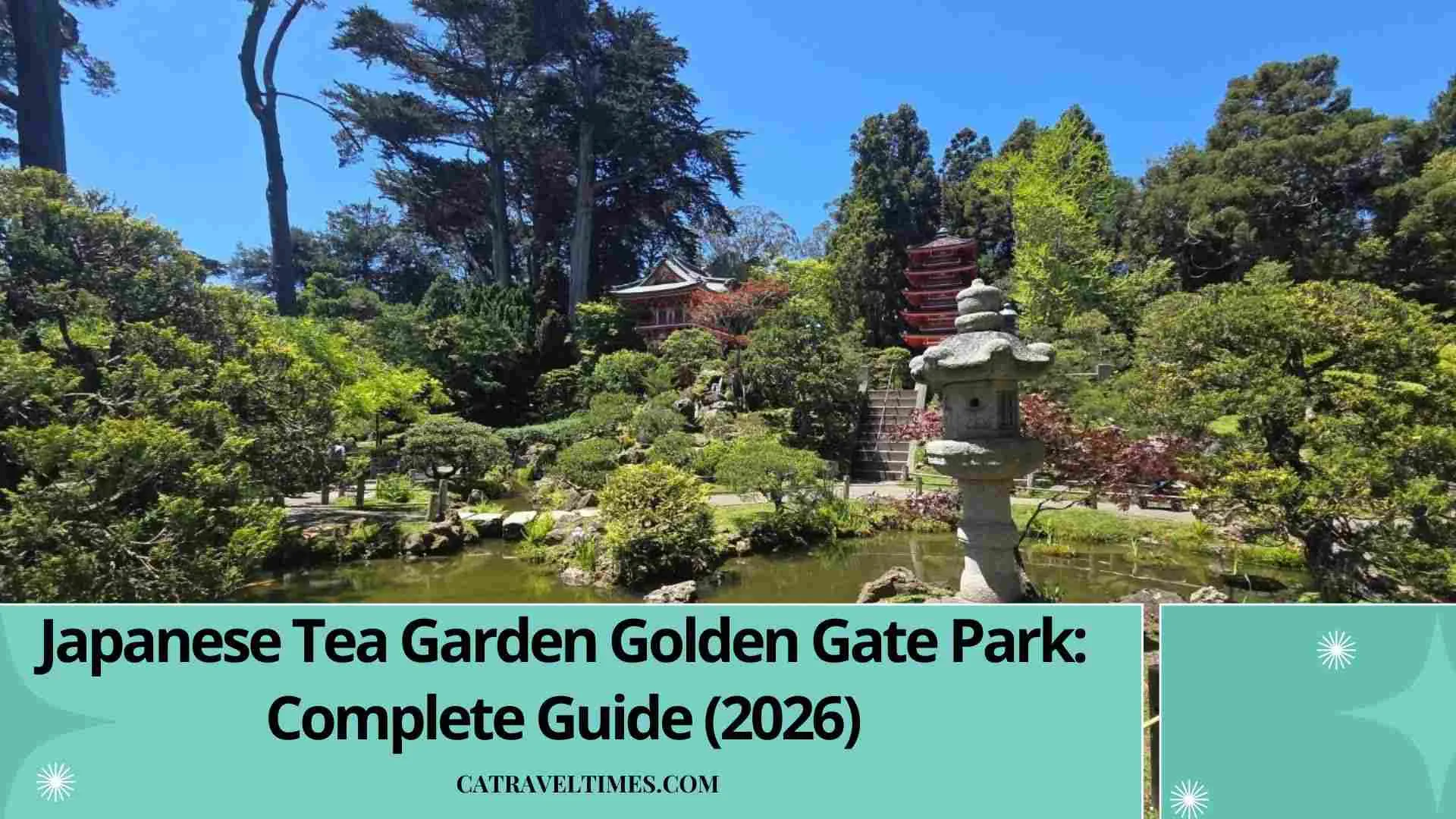
I walked through the wooden gate expecting a nice garden. What I found instead was a place so quiet that I could hear my own footsteps on the stone path, and somewhere behind me, the soft splash of koi breaking the surface of a pond.
That was my first minute inside the Japanese Tea Garden Golden Gate Park, and I remember thinking the city noise I had just left behind felt like it belonged to another world entirely. If you’re planning a trip to San Francisco and wondering whether this five-acre garden deserves your time, this guide from CATravelTimes covers everything the history, the hidden corners, the practical details, and everything the other guides leave out.
What Is the Japanese Tea Garden?
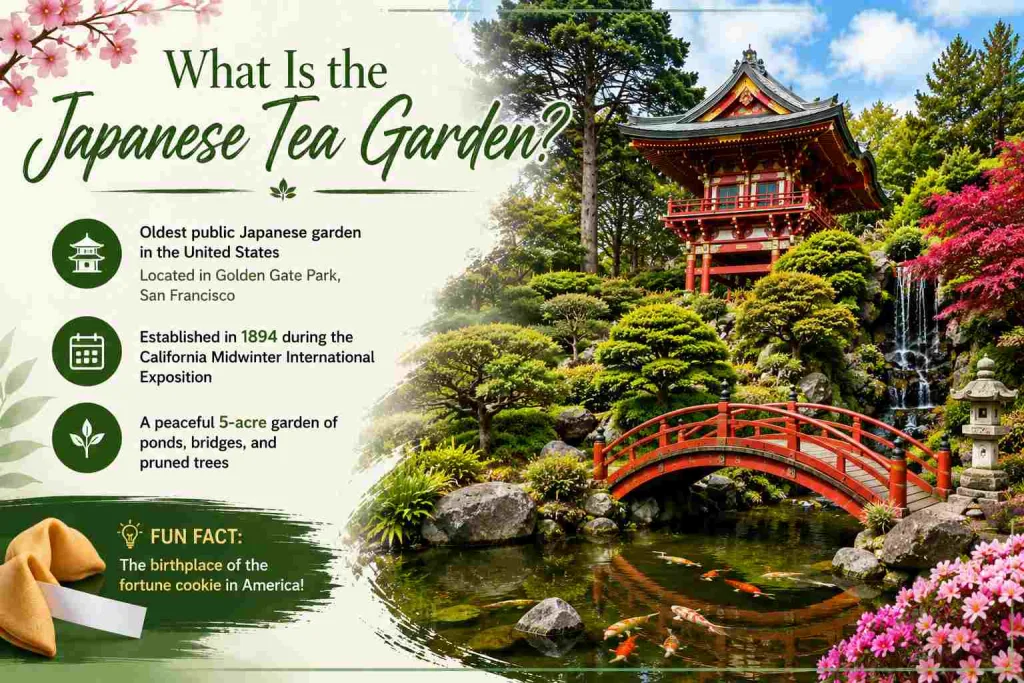
The Japanese Tea Garden is the oldest public Japanese garden in the United States, tucked inside Golden Gate Park in San Francisco. It began life in 1894 as a small exhibit for the California Midwinter International Exposition, a World’s Fair held on the very same grounds. What was meant to be temporary became permanent, and over the following decades it grew from a single acre into the five-acre landscape of ponds, bridges, and pruned trees that visitors walk through today.
Fun Fact: The Japanese Tea Garden is widely credited as the birthplace of the fortune cookie in America. Descendants of the garden’s original caretaker introduced the treat here decades before it became a Chinese restaurant staple.
How to Find the Japanese Tea Garden Golden Gate Park
- Address: 75 Hagiwara Tea Garden Drive, San Francisco, CA 94118
The garden sits near the eastern end of Golden Gate Park, close to the de Young Museum, the California Academy of Sciences, and the San Francisco Botanical Garden. The N-Judah streetcar and the 44 and 5 Muni bus lines all stop within a short walk. If you’re driving, the Music Concourse Garage is your best bet street parking along MLK Drive exists but fills up fast on weekends, especially in cherry blossom season. It also pairs naturally with a day trip to the nearby Golden Gate Bridge.
Tip: Skip the car if you can. Parking near the Music Concourse gets chaotic by mid-morning, and the walk from the N-Judah stop is genuinely pleasant, past the Conservatory of Flowers and the park’s open meadows.
Japanese Tea Garden Golden Gate Park Hours and Admission (2026)
Here’s the full breakdown for the Japanese Tea Garden Golden Gate Park, since pricing and hours shift by season and this is where most visitors get caught off guard.
| Season | Hours | Adult (Non-Resident) | Senior / Youth (12–17) | Child (5–11) |
| March – October | 9:00 AM – 5:45 PM | $16 (weekdays $12–14) | $7 | $3 |
| November – February | 9:00 AM – 4:45 PM | $14 | $7 | $3 |
| Under 5 | — | Free | Free | Free |
Free Admission Window: Every Monday, Wednesday, and Friday from 9:00 to 10:00 AM, entry is free for everyone not just San Francisco residents. San Francisco residents with valid ID enter free anytime. Last entry is always 30 minutes before closing, so plan accordingly.
Golden Gate Park Explorer Pass: Save More With a Combo Ticket
Adult combo tickets covering the Japanese Tea Garden Golden Gate Park, the Conservatory of Flowers, and the Botanical Garden run around $28, valid for the day of purchase plus two more days. If you’re planning to see more than one of these three gardens, this pass usually works out cheaper than buying separate tickets, and it saves you a second wait in line.
What is the Best Time to Visit and the temperature?
Spring brings cherry blossoms and the biggest crowds, while fall offers cooler air, golden foliage, and a noticeably quieter garden. Here’s how the seasons actually compare.
| Season | Months | Avg Temp (°F) | Crowds | Best For |
| Spring | March – May | 52°F – 63°F | High | Cherry blossoms, azaleas, magnolias in full bloom |
| Summer | June – August | 55°F – 65°F | Very High | Longer daylight, but foggiest and busiest |
| Fall | September – November | 55°F – 68°F | Moderate | Warm, clear skies, red and orange foliage |
| Winter | December – February | 46°F – 56°F | Low | Quiet paths, soft light, off-season calm |
Top Things to See and Do in the Japanese Tea Garden Golden Gate Park
Here’s what actually matters inside those five acres of the Japanese Tea Garden Golden Gate Park, with honest tips for each stop.
Note: The garden gets genuinely crowded between 11 AM and 2 PM, especially on weekends. If you want the quiet version of this place, arrive right at opening.
1. Cross the Drum Bridge (Taiko Bashi)
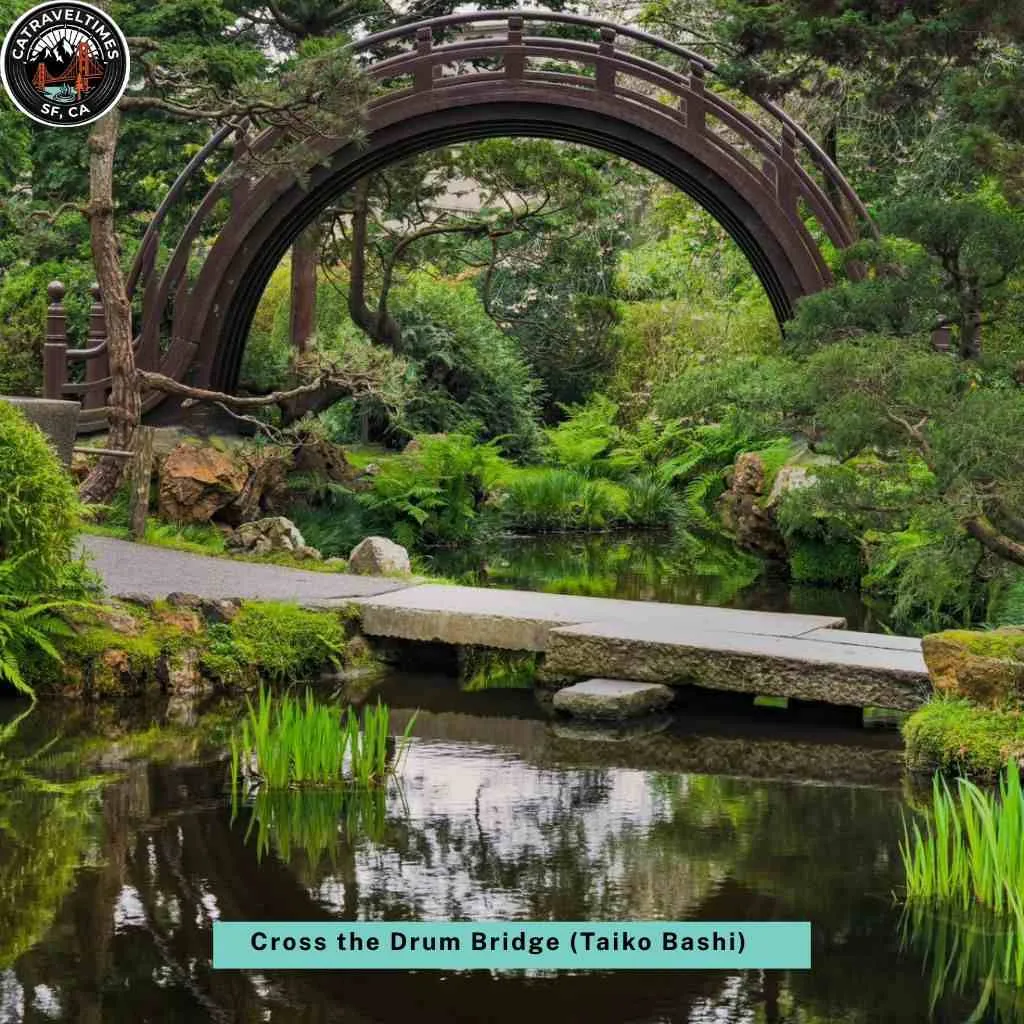
This steep, half-moon-shaped bridge is the single most photographed spot in the garden, and for good reason. Its arch is so pronounced that its reflection in the pond below forms a complete circle, resembling a drum which is exactly where the name comes from. It was originally built to slow pedestrians down and let boats pass beneath it on the canal.
Tip: The steps are steep and can be slippery when wet. Go slow, and don’t attempt it in heels.
2. Walk Through the Five-Story Pagoda Area
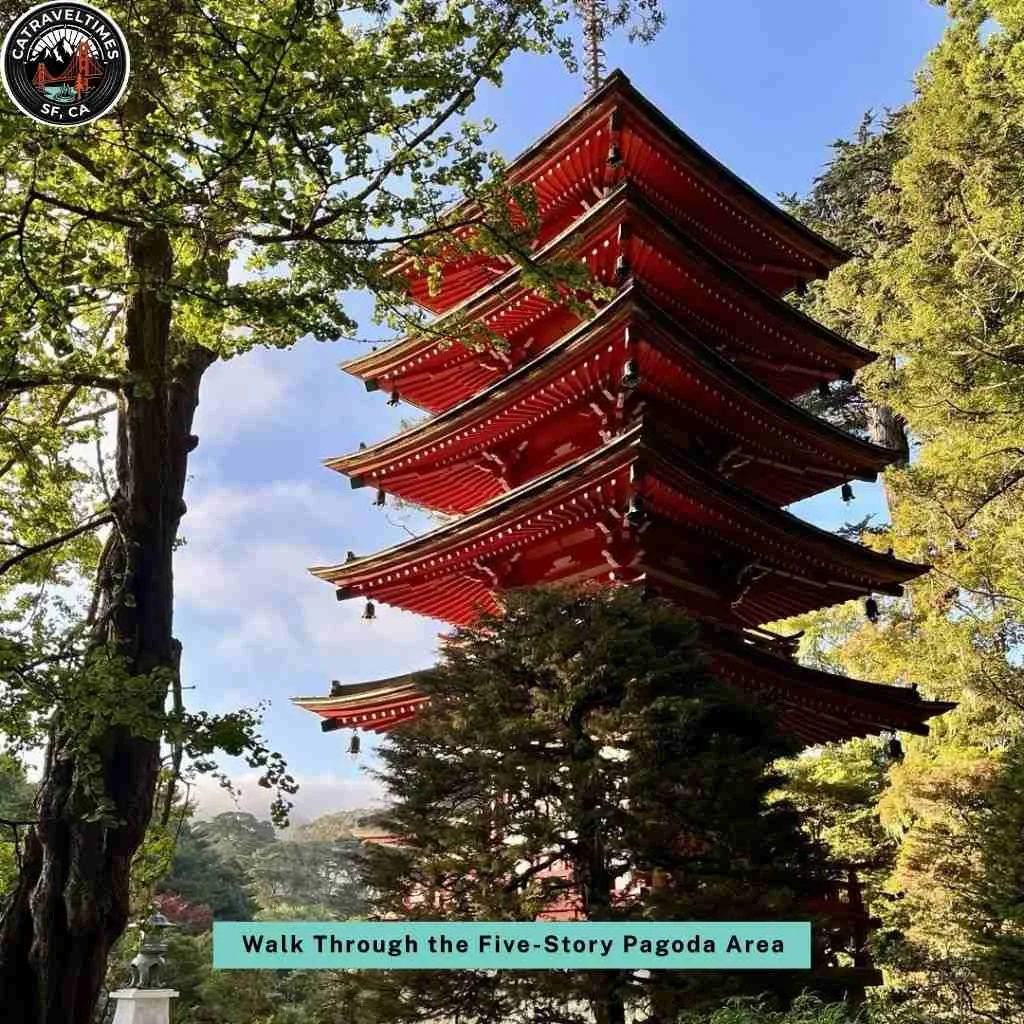
The pagoda wasn’t originally part of this garden at all it was built for the 1915 Panama-Pacific International Exposition and relocated here afterward. This Buddhist shrine structure stands where the garden’s original Shinto shrine once stood, a change tied directly to the wartime demolition of Japanese religious structures during the internment years.
Tip: Morning light hits the pagoda’s tiers beautifully arrive before 10 AM for the best photos with fewer people in frame.
3. Find the Bronze Buddha Statue
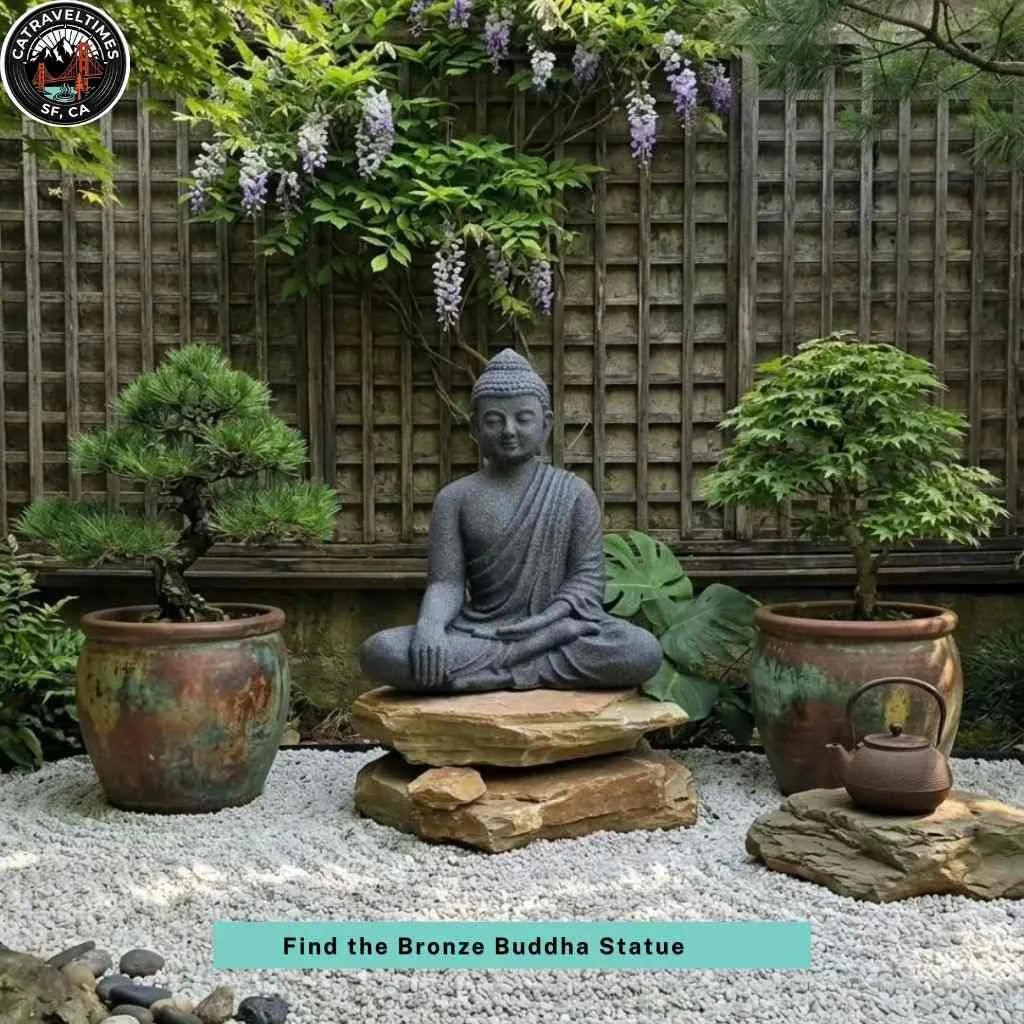
Cast in Japan in 1790, this large bronze Buddha was gifted to the garden in 1949 by the Gump family. It’s one of the oldest objects in the entire garden, sitting with an unhurried, welcoming presence that most visitors walk right past without realizing its age.
Tip: Come back here at the end of your visit it’s a good spot to sit quietly for a few minutes before you leave.
4. Explore the Zen Garden (Karesansui)
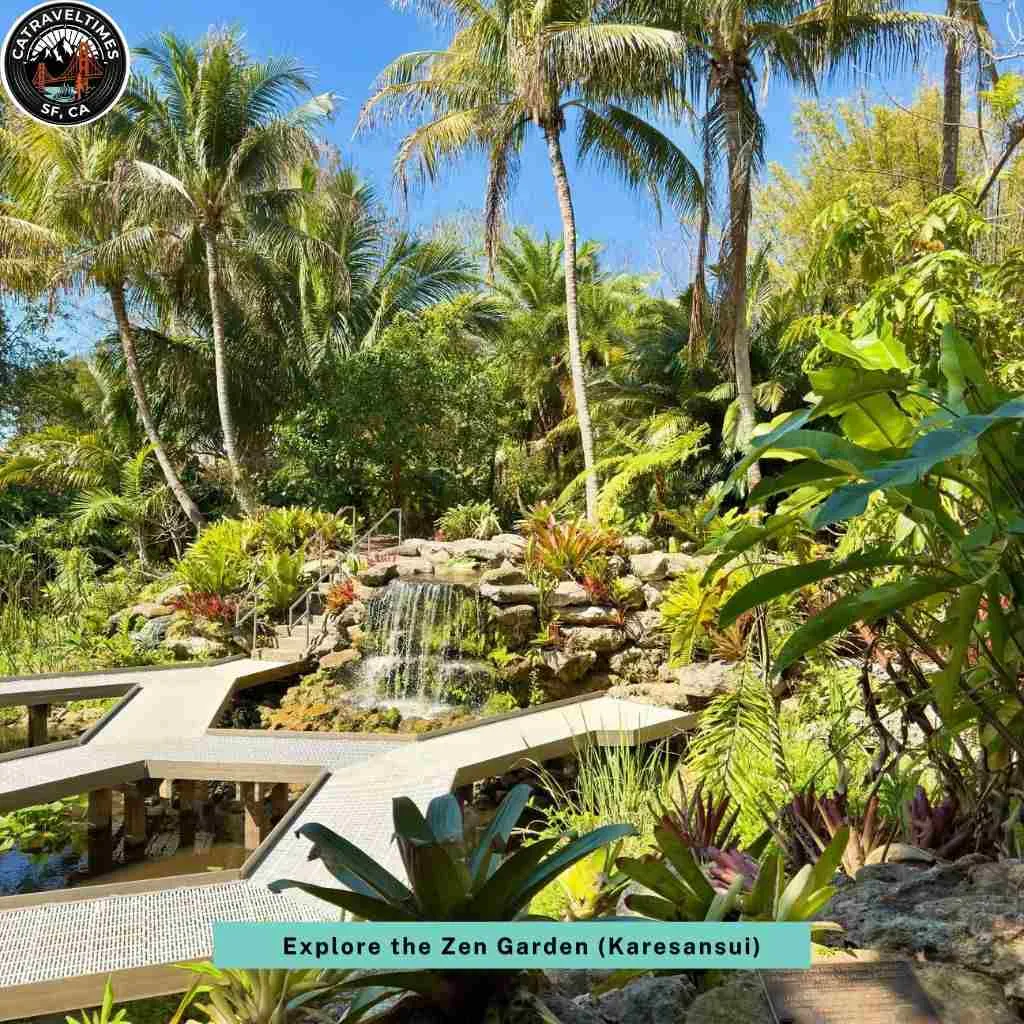
Tucked in a rear corner, this dry landscape garden uses raked gravel and large stones to represent water and waterfalls without a drop of actual water. Designed by Nagao Sakurai in 1953, it’s the most meditative corner of the entire property, and one that first-time visitors often miss entirely.
Tip: Don’t rush through this section. Stand still for sixty seconds before moving on it genuinely changes how you experience it.
5. Follow the Hedge Shaped Like Mount Fuji
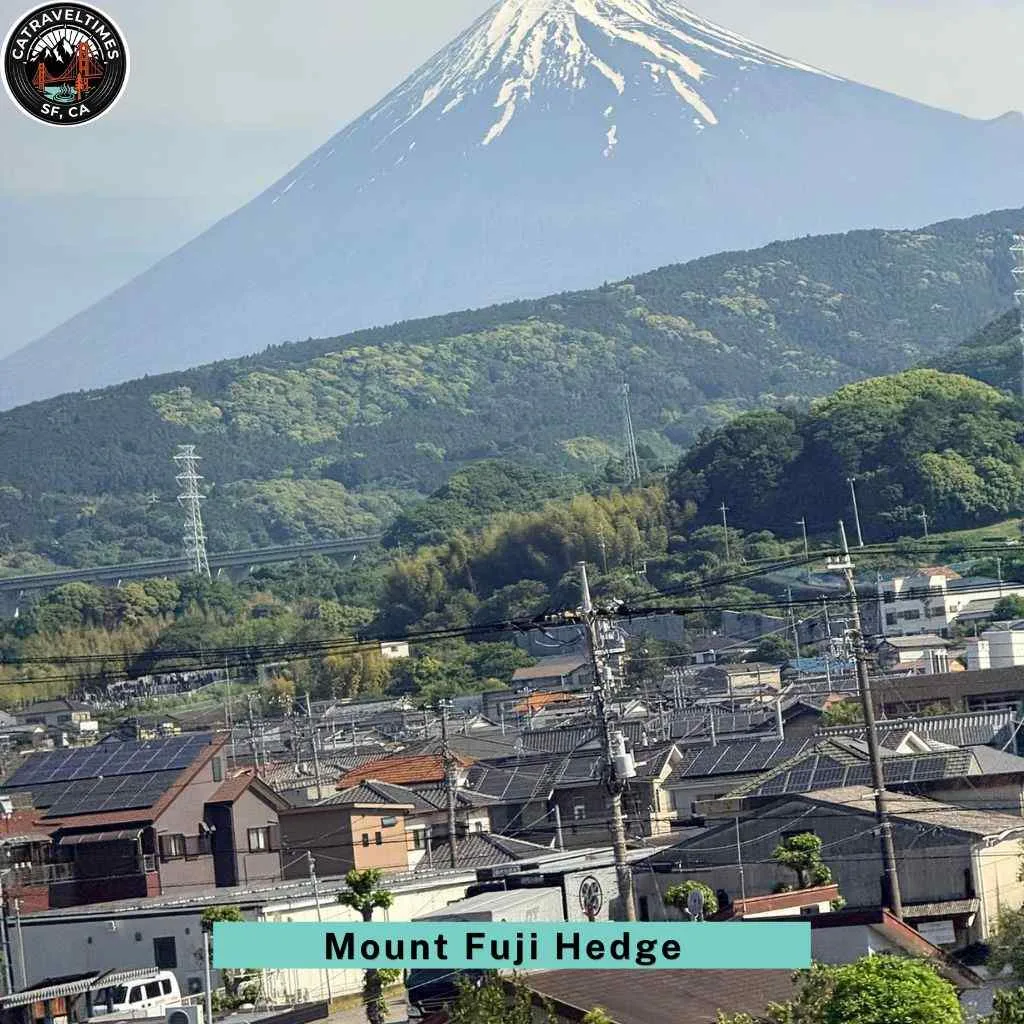
Near the main gate, a carefully trimmed hedge is sculpted to echo the silhouette of Mount Fuji, a quiet tribute to the region where the garden’s original caretaker was raised. It’s easy to miss unless you know to look for it, which is exactly why I’m telling you now.
Tip: Ask a garden staff member to point it out if you can’t spot it they’re happy to help.
The Tea House: What to Actually Order
The Tea House sits at the heart of the garden, overlooking the south-facing pond, and it’s worth budgeting real time here rather than rushing through. You can choose from six traditional teas Sencha, Hojicha, Genmaicha, jasmine, iced green, and ceremonial Matcha alongside snacks like edamame, tea sandwiches, kuzumochi rice cakes, and green tea cheesecake. On a cold fog-heavy afternoon, the hot miso soup and udon noodles are quietly the best thing on the menu, even though nobody mentions them.
Tip: Order Matcha if you only try one thing it’s the tea tied most directly to the ceremonial tradition this whole garden was built around.
Private Events, Weddings, and Proposals at the Pagoda Plaza
Not many visitors know this, but the garden’s renovated Pagoda Plaza can be privately rented for after-hours ceremonies and standing receptions, available April through the first Saturday of November, once the garden closes to the public.
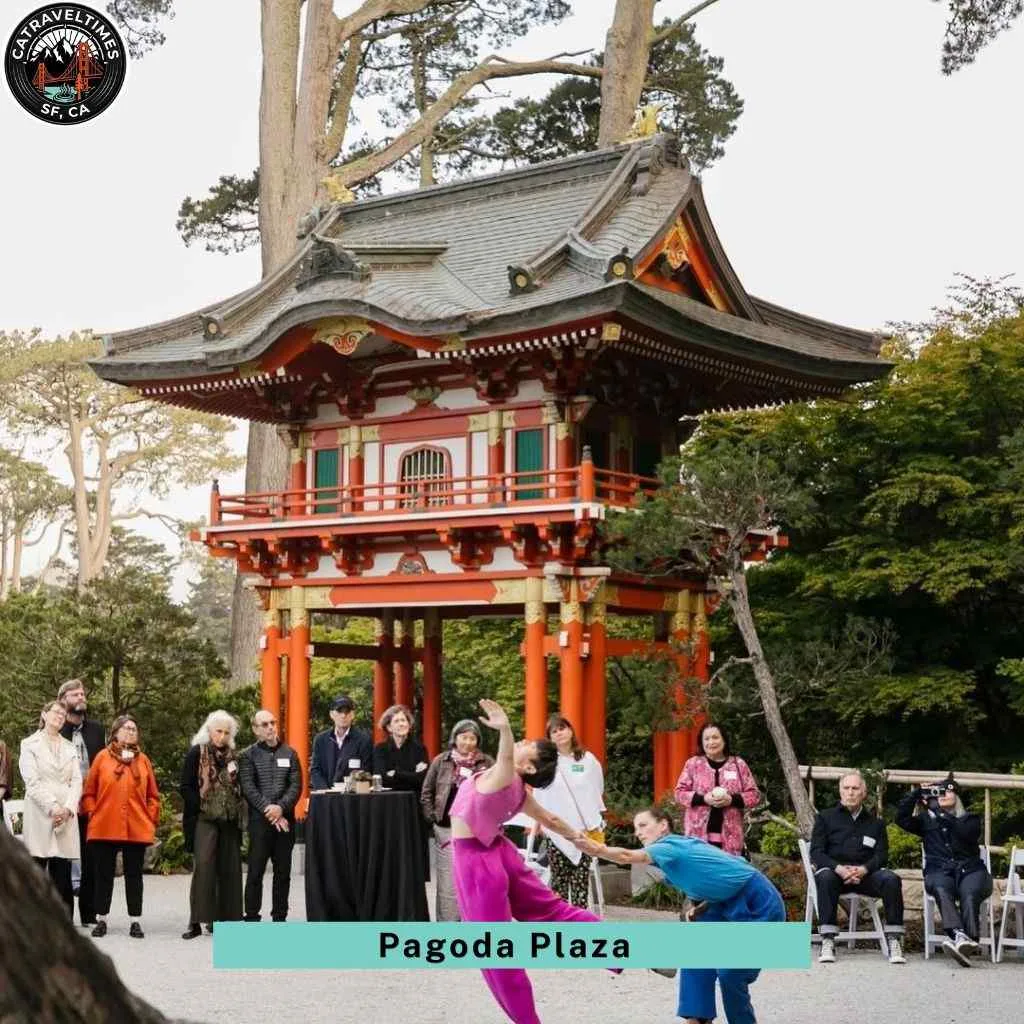
Ceremony-only packages start around $4,800 for up to 50 guests, with the towering pagoda and Tatsuyama stone plinth as the backdrop. It’s also a favorite spot among local photographers for marriage proposals, thanks to the Drum Bridge, koi ponds, and quiet corners that photograph beautifully at golden hour.
💡 Tip: If you’re planning a proposal here, aim for a weekday morning right at the free admission hour fewer strangers wandering into your photos.
What to Buy at the Gift Shop
Perched just above the Tea House, the Gift Shop stocks genuinely well-curated Japanese items rather than the usual tourist trinkets tea and sake sets, glazed ceramic bowls, kokeshi and daruma dolls, loose-leaf green teas, and maneki neko figurines. It’s a good stop for a real souvenir instead of a magnet, though remember there are two steps up to the entrance.
Tip: Packaged Sencha and boxed kuzumochi travel well if you want to bring a taste of the garden home with you.
Where to Stay and Eat Near the Japanese Tea Garden
Golden Gate Park sits between the Richmond and Sunset districts, both quieter than downtown, so staying nearby means a relaxed, local experience. If you’d rather stay somewhere livelier, Haight-Ashbury is a short ride away and puts you close to nightlife too.
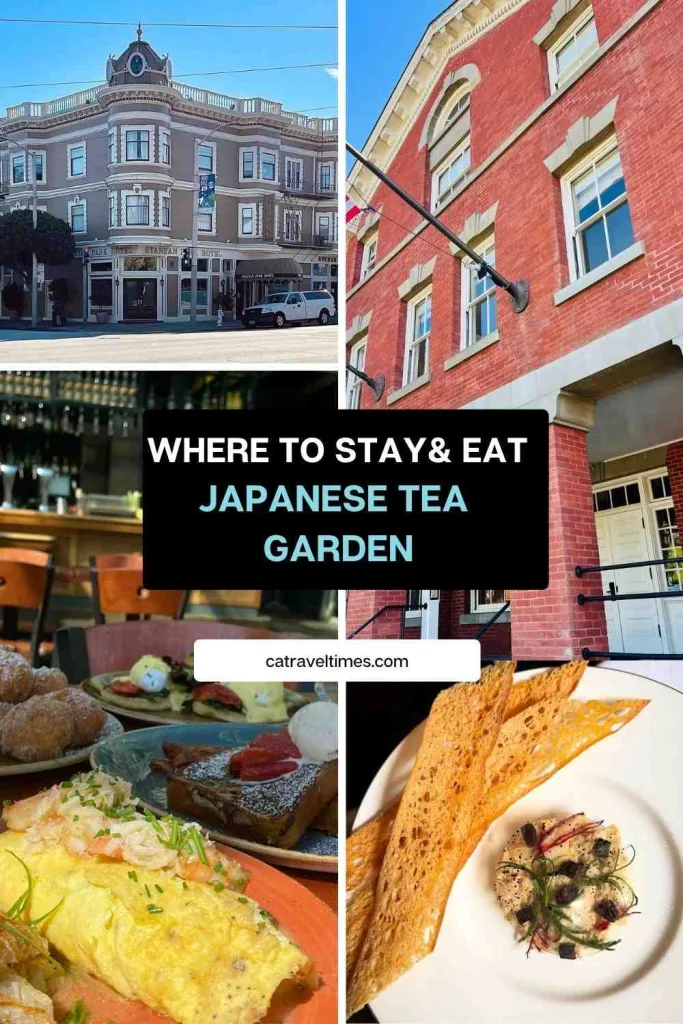
Where to Stay
- Stanyan Park Hotel — Victorian charm directly across from the park’s eastern edge, an easy walk to the Tea Garden and the rest of the park’s museums and gardens.
- Inn at the Presidio — A boutique historic property near the park’s western side, quiet and elegant, with a short rideshare to the garden entrance.
- Hotel del Sol — A colorful, family-friendly pick in the Marina district, easy Muni access, and close to Golden Gate Bridge sightseeing too.
- The Laurel Inn — Comfortable and quiet, tucked near Presidio Heights dining, with simple transit access into the park for a relaxed morning visit. Check how many days to spend in San Francisco to plan your stay.
Where to Eat
- Park Chalet — Casual California fare right at the park’s western edge, perfect for a relaxed meal after a morning spent walking the garden’s quiet paths.
- Spruce — Upscale, refined dining a short drive away in Presidio Heights, ideal if you want a proper sit-down dinner to close out your Golden Gate Park day.
- Trestle — Simple, seasonal San Francisco cooking near downtown, worth the trip if you’re combining your garden visit with an evening out.
- Nopalito — Fresh, vibrant Mexican food in the nearby Inner Sunset, a favorite lunch stop for locals after a morning in the park.
Practical Tips Before You Visit the Japanese Tea Garden Golden Gate Park
A few honest details that made my visit smoother, gathered from actually being there.
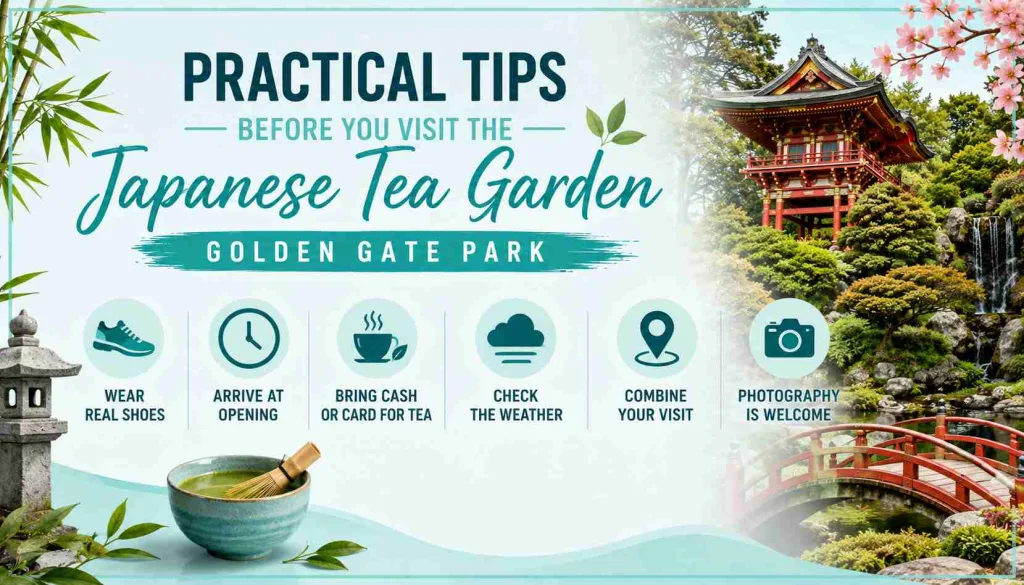
- Wear real shoes — Stone paths and steep bridge steps are not flip-flop friendly.
- Arrive at opening — 9 AM (or the 9-10 AM free window) gives you the garden at its quietest.
- Bring cash or card for tea — The Tea House takes both, but lines move faster with card.
- Check the weather, not the forecast alone — Fog rolls into this part of the park fast, even on sunny mornings elsewhere in the city.
- Combine your visit — The de Young Museum, Botanical Garden, and Academy of Sciences are all a five-minute walk away. If you want a second quiet park stop, Presidio Tunnel Tops is a short rideshare away and pairs beautifully with a slow garden morning.
- Photography is welcome — Just avoid drones and professional tripod setups without a permit.
Is the Japanese Tea Garden Golden Gate Park Worth Visiting?
Genuinely, yes and not just because of what’s growing there. What makes the Japanese Tea Garden Golden Gate Park different from a typical park stroll is the layered history sitting quietly underneath every path and stone lantern.
You’re not just looking at pruned pines and koi ponds; you’re standing inside a place shaped by one family’s devotion, disrupted by injustice, and rebuilt as a deliberate symbol of peace. Give it at least ninety minutes, and pair it with a broader look at the best things to do in San Francisco if it’s your first visit to the city.
Final Thoughts
The Japanese Tea Garden in Golden Gate Park is easy to reduce to a postcard the drum bridge, the pagoda, the koi. But the version that stays with you is quieter than that. It’s the sound of gravel underfoot, a bronze lantern that once meant reconciliation between two nations, and a hedge trimmed into the shape of a mountain half a world away, kept alive by people who refused to let this place forget where it came from.
Bring time, not just a camera this garden rewards patience more than almost anywhere else in San Francisco. Pair it with a stroll through North Beach later in your trip, and you’ll have two of the city’s most soulful neighborhoods covered in a single visit.
Japanese Tea Garden Golden Gate Park FAQ
How much does it cost to enter the Japanese Tea Garden?
Non-resident adult admission ranges from $12–16 depending on the season, with seniors and youth (12–17) at $7 and children (5–11) at $3. Children under 5 and San Francisco residents with ID enter free anytime.
Is the Japanese Tea Garden free on certain days?
Yes. Everyone, regardless of residency, can enter free every Monday, Wednesday, and Friday between 9:00 and 10:00 AM. Outside that window, standard admission fees apply.
How long should I spend at the Japanese Tea Garden?
Budget at least 60 to 90 minutes to see the main features without rushing. If you plan to sit at the Tea House or join the free walking tour, allow closer to two hours.
Is the Japanese Tea Garden wheelchair accessible?
Partially. The main entrance and Tea House are accessible by ramp, but many interior paths are uneven stone, and the Gift Shop requires climbing two steps. Call ahead for the most accessible route.
What is the best month to visit for cherry blossoms?
Late March through mid-April typically brings peak cherry blossom bloom, alongside azaleas and magnolias, making it the most colorful and most crowded time of year to visit.
Can I bring kids to the Japanese Tea Garden?
Absolutely. The koi ponds, Drum Bridge, and pagoda are naturally engaging for children, and the paths are easy enough for most families, though strollers may struggle on the stone sections.
Where is the Japanese Tea Garden located exactly?
It’s located at 75 Hagiwara Tea Garden Drive inside Golden Gate Park, near the de Young Museum, California Academy of Sciences, and San Francisco Botanical Garden.
Is there parking near the Japanese Tea Garden?
Yes, the Music Concourse Garage is the most reliable option. Street parking exists along MLK Drive but fills quickly, especially on weekends and during cherry blossom season.