
Highlights of Nummazaki: A Scenic Coastal Escape in Shizuoka, Japan
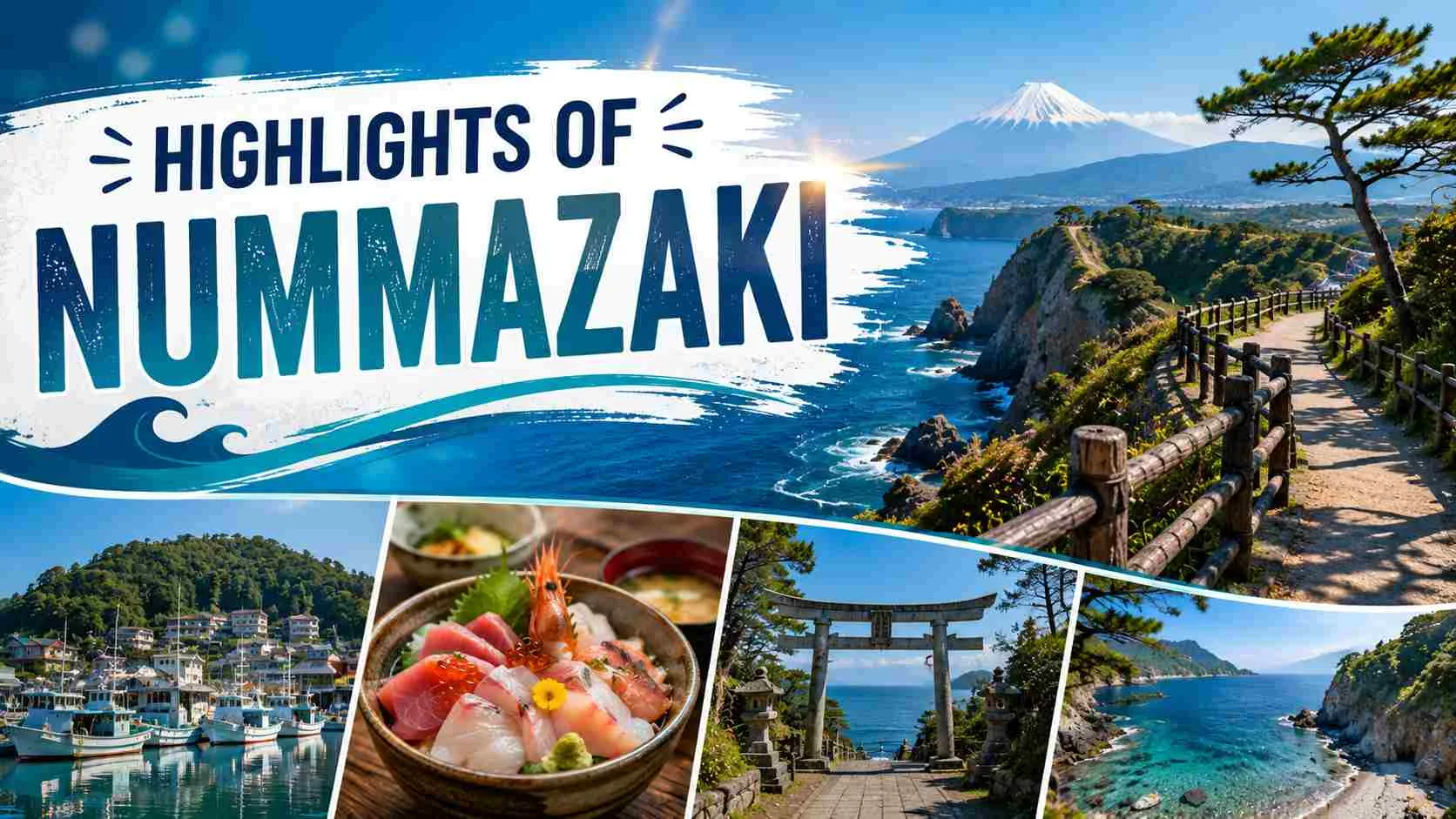
Highlights of Nummazaki offers a quieter side of coastal Japan, where Suruga Bay, fishing communities, sea views, and local traditions shape the travel experience. It suits visitors who prefer scenery and everyday culture over crowded attractions.
Clifftop walks, secluded coves, seafood, shrines, crafts, and nearby hot springs create a varied day trip or weekend stay. Clear weather can add Mount Fuji views across the bay, while early mornings reveal the working rhythm of fishing harbors and villages.
Where Is Nummazaki?
The supplied source places Nummazaki south of Numazu City along Suruga Bay in Shizuoka Prefecture. Its coastal setting brings the Pacific Ocean, mountain scenery, fishing communities, and viewpoints into the same broader travel area.
For first-time visitors, Nummazaki is best understood as a landscape rather than one single attraction. The experience comes from moving between the shoreline, villages, viewpoints, cultural sites, and food stops.
Why Its Location Matters
- Coastal scenery can be paired with cultural sightseeing.
- Seafood experiences fit naturally into a harbor-focused itinerary.
- Outdoor walks can be followed by an onsen visit.
- Clear days may provide memorable Mount Fuji views.
- The wider Numazu area can serve as a practical base for regional exploration.
Before traveling, check official Numazu tourism information for current transport, attraction, and local-event details.
The Nummazaki Coastline and Its Scenic Viewpoints
The highlights of nummazaki are strongly connected to the shoreline. Cliffs, open water, smaller beaches, coves, and elevated viewpoints create a landscape that rewards travelers who explore beyond a single photo stop.
Clifftop Hiking Trails
Walking above the water provides a different perspective from simply visiting a beach. Coastal hiking trails can reveal changing views as paths move between cliffs, vegetation, and lookout areas.
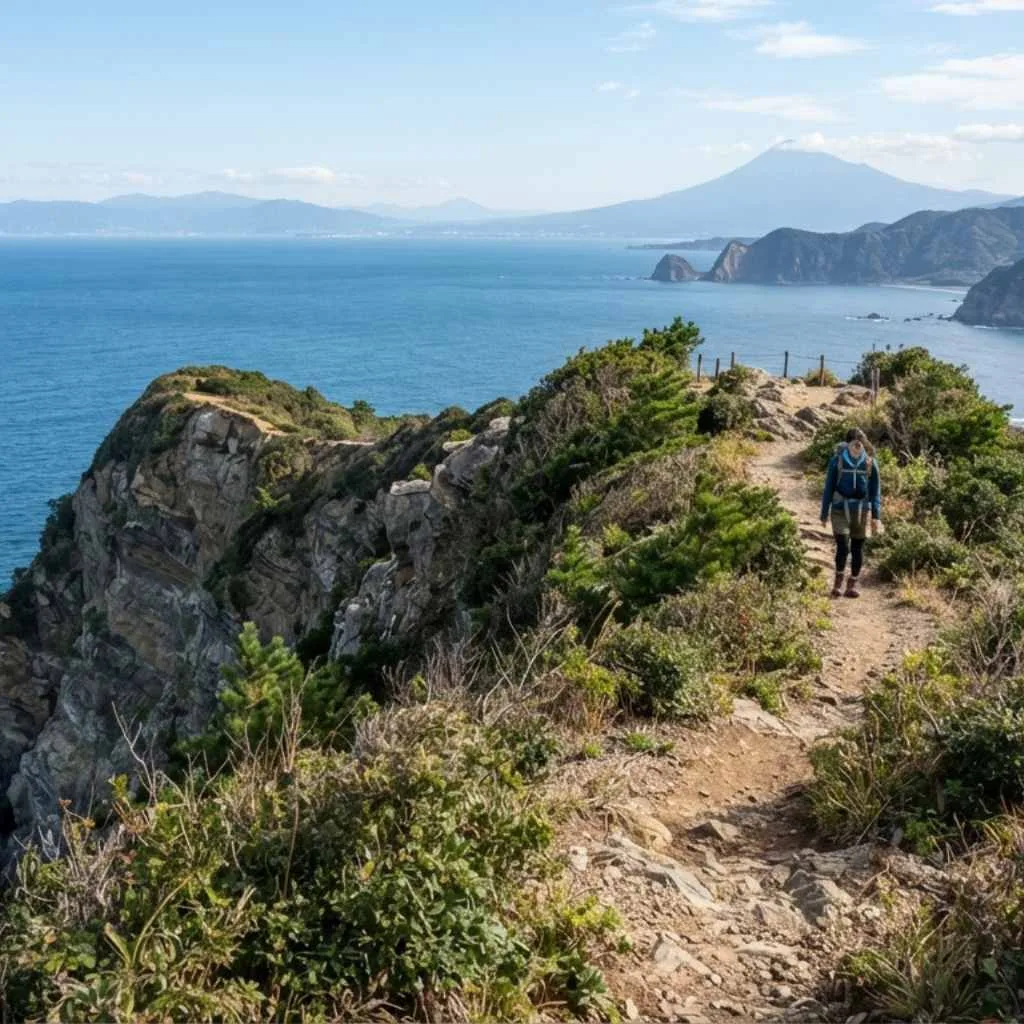
For a more enjoyable walk:
- Wear shoes with reliable grip.
- Allow extra time for photography.
- Avoid unstable cliff edges.
- Check local conditions after heavy rain.
- Start earlier for softer light and quieter paths.
Observation points are especially valuable on clear days, when the scale of Suruga Bay becomes easier to appreciate.
Beaches, Coves, and Tide Pools
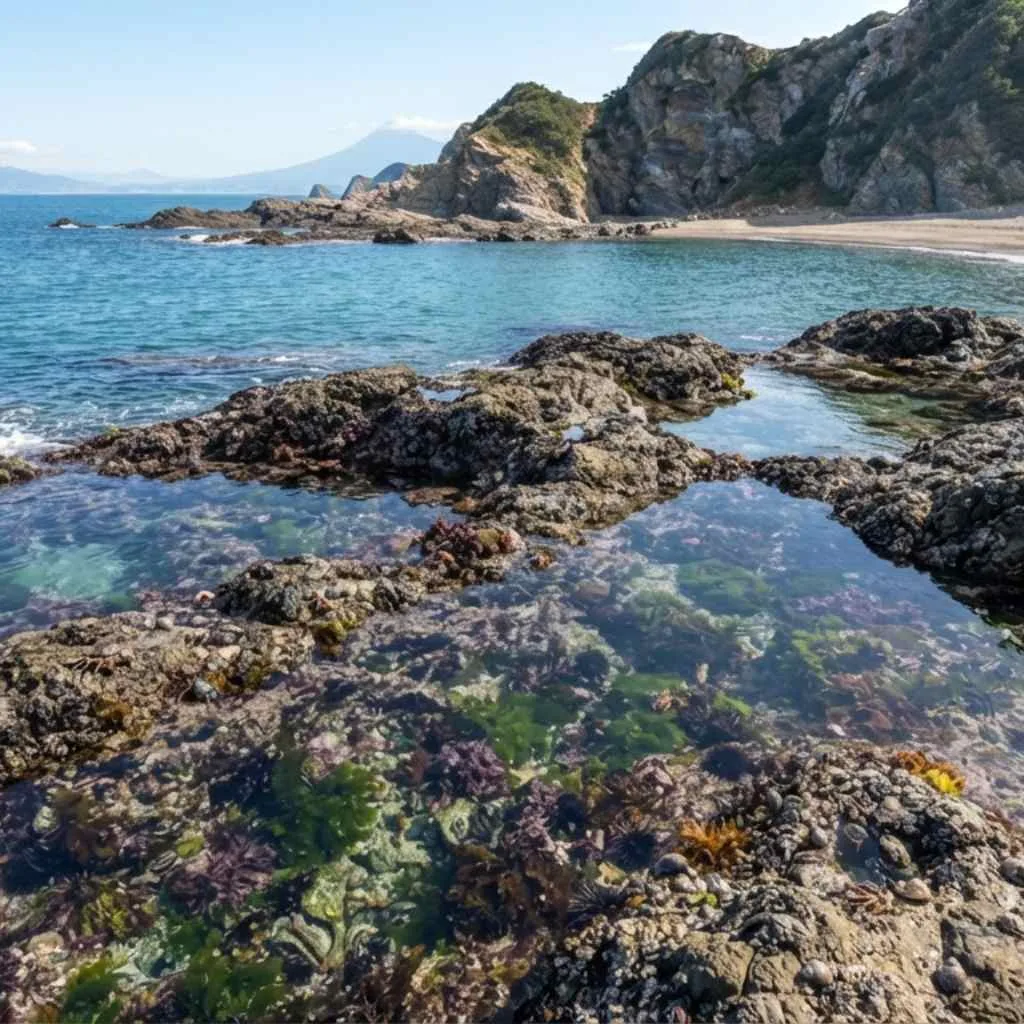
The coastline also includes quieter shorelines and small coves. Tide pools can reveal tiny crabs, sea urchins, and coastal algae, making them interesting for families and nature-minded visitors.
Treat these places as living habitats rather than collections of souvenirs. Watching without disturbing marine life is both more responsible and often more rewarding.
Sunrise and Sunset
A simple way to experience the coast is to visit at opposite ends of the day. Fishing harbors can be atmospheric around sunrise, while elevated coastal locations can provide excellent sunset perspectives.
Photography is particularly attractive here because the scene combines water, working boats, cliffs, and changing light rather than relying on a single landmark.
Marine Experiences Around Suruga Bay
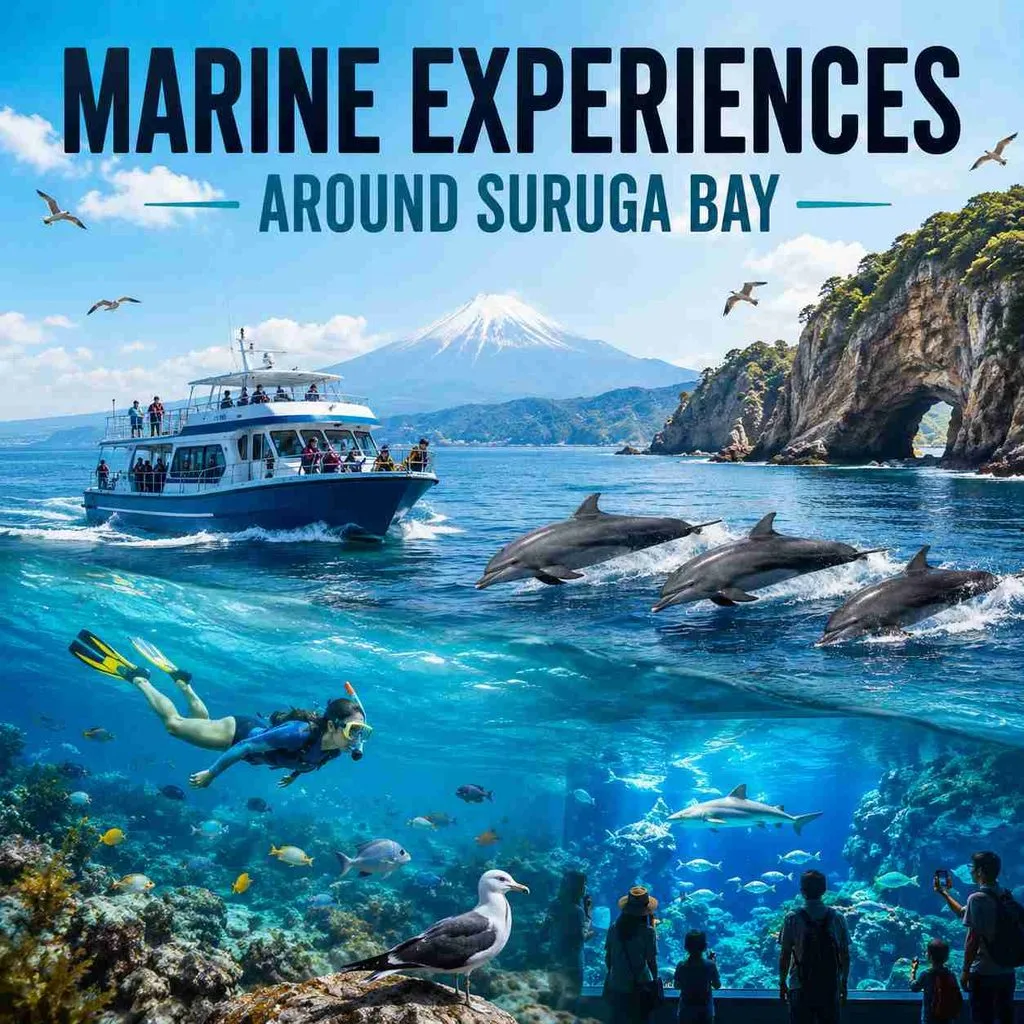
Suruga Bay gives the area a strong maritime identity. The supplied source highlights opportunities for boat tours, snorkeling in suitable warmer-season locations, wildlife watching, and visits to aquariums featuring regional marine life.
Potential experiences include:
- Boat-based wildlife observation.
- Snorkeling where conditions and local rules permit.
- Watching seabirds around harbors and cliffs.
- Learning about regional marine species at nearby aquariums.
- Observing fishing activity from appropriate public areas.
Dolphins may be among the wildlife visitors hope to see, but encounters with wild animals are never guaranteed. Keep a respectful distance and follow operators’ instructions during marine activities.
Traditional Fishing Villages and Maritime Traditions
One of the most valuable highlights of nummazaki is the chance to see coastal life as something lived rather than staged for tourists. Traditional fishing villages connect the landscape with the people whose livelihoods depend on the sea.
Morning can be an especially interesting period because boats may be active and catches may move toward local markets or restaurants.
How to Visit Respectfully
- Keep access roads, docks, and loading areas clear.
- Do not enter restricted working spaces.
- Ask before photographing residents.
- Follow signs around boats and harbor facilities.
- Choose locally owned businesses when buying food or souvenirs.
The goal is not simply to observe a village, but to enjoy it without disrupting its daily rhythm.
Nummazaki Seafood and Local Food Experiences
The connection between the coast and cuisine is one of the area’s strongest travel themes. Fresh seafood is central to the source material, with sashimi, grilled fish, kaisendon, harbor snacks, and cafés forming a practical food trail.

What to Try
- Sashimi: a straightforward way to appreciate fresh fish.
- Grilled fish: a satisfying option when you prefer cooked seafood.
- Kaisendon: seafood served over rice, often with several varieties.
- Street food: useful for a casual harbor-side tasting experience.
- Local tea: a natural accompaniment to a slower café break.
Fish markets can also add context to the meal because they show how seafood moves from the fishing economy into local dining.
A useful strategy is to eat according to the day’s availability rather than searching for one supposedly definitive dish. That leaves room for seasonal catches and smaller family-run establishments.
Shrines, Temples, and Local Spiritual Culture
Nummazaki shrines and temples add another layer to the coastal landscape. The supplied source describes religious sites in coastal and wooded settings and connects some local celebrations with maritime traditions.
Visitors may encounter:
- Seasonal community festivals.
- Lantern-related events.
- Ceremonies connected with fishing fleets.
- Local religious gatherings.
- Traditional spaces maintained for everyday worship.
These places should be approached quietly and respectfully. Observe signs, remain aware of worshippers, and ask permission before photographing people or areas where photography is restricted.
Festivals and Community Traditions
Local festivals can provide a vivid view of community identity. Rather than treating a festival as another attraction to check off, pay attention to food stalls, lanterns, music, preparation, and local participation.
The supplied material specifically mentions lantern processions and fishing fleet blessing traditions. Event dates can vary, so confirm schedules through current local tourism information before planning a trip around a festival.
Nummazaki Artisans, Galleries, and Workshops
The destination’s cultural appeal extends beyond temples and festivals. The source material identifies artisans, galleries, workshops, pottery, textiles, calligraphy, and weaving among the area’s creative dimensions.
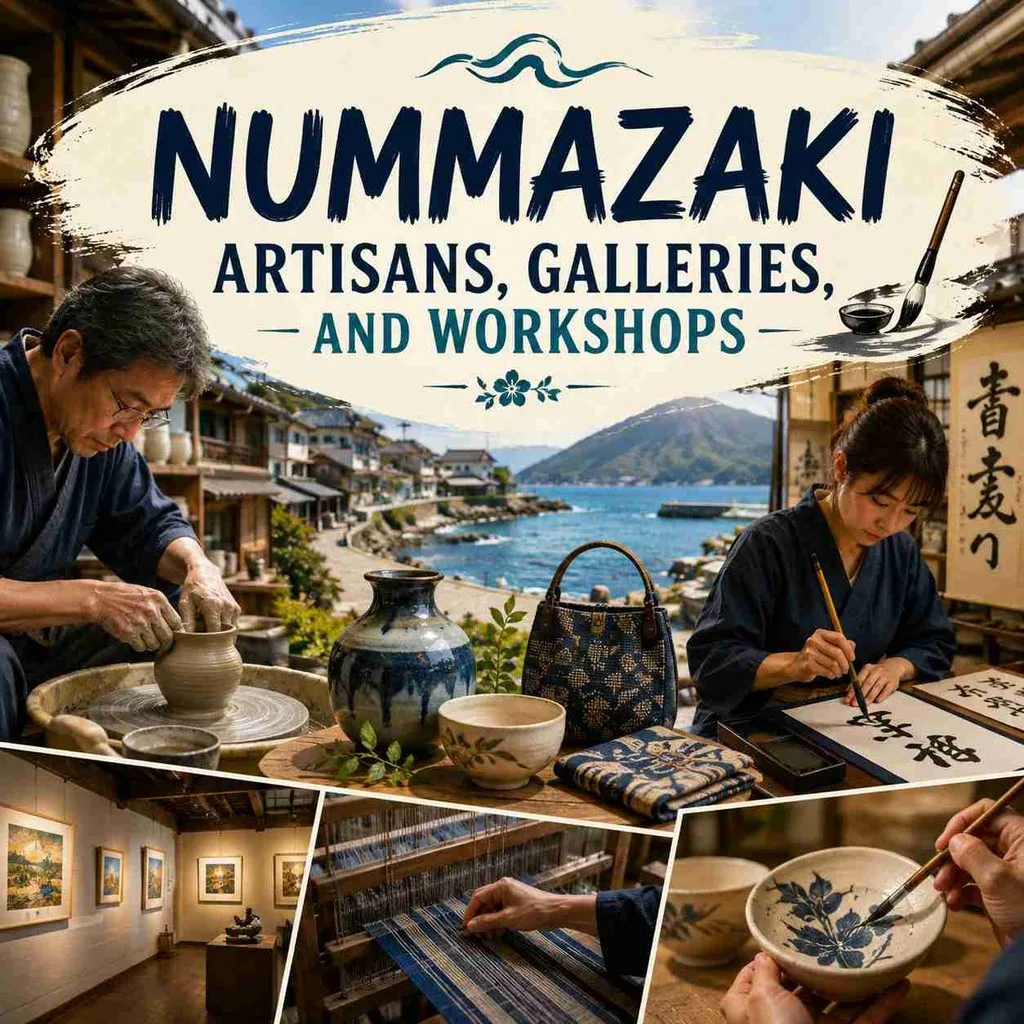
For travelers interested in hands-on culture:
- Watch an artisan demonstrate a traditional technique.
- Try pottery or another craft where workshops permit participation.
- Explore small galleries featuring local artists.
- Purchase a practical handmade item instead of a mass-produced souvenir.
- Learn how coastal life influences regional creative work.
These experiences can make a short trip feel more personal because they provide something to do as well as something to see.
Hot Springs Near the Coastal Route
After hiking, harbor exploration, or a seafood-focused day, adding hot springs can make a coastal itinerary more relaxing. The surrounding Shizuoka and Izu region is well known for onsen culture.
The supplied source highlights:
- Shuzenji Onsen: a historic hot-spring destination associated with a scenic valley and bamboo-lined surroundings.
- Numazu Onsen: presented as an option for bathing with coastal and Mount Fuji views.
- Heda Onsen: associated with Suruga Bay and views combining sea and mountains.
Because facilities, bathing rules, opening hours, and access can change, confirm details directly before visiting. Travelers unfamiliar with Japanese onsen etiquette should also check the facility’s requirements before entering the bath.
For additional hot-spring inspiration, Soak Destinations offers onsen-focused travel information.
Best Time to Visit Nummazaki
The best time to visit nummazaki depends on your preferred activities and weather conditions.
Spring
Spring suits travelers who prioritize comfortable walking and outdoor sightseeing. Surrounding areas can also provide seasonal blossom scenery.
Summer
Warmer conditions are more suitable for beach exploration and snorkeling where permitted. This is a logical season for marine-focused activities, although some areas may be busier.
Autumn
Autumn can offer comfortable hiking conditions and changing foliage in greener sections of the landscape. Later-season visits may feel particularly calm.
Winter
Winter’s cooler air can bring excellent visibility. On suitable clear days, distant Mount Fuji views across Suruga Bay may be especially impressive.
Best practical choice: spring and autumn suit walking, summer favors water activities, and winter can reward photographers seeking clearer distant views.
How to Plan a Nummazaki Day Trip
A one-day trip can cover Nummazaki’s main coastal and cultural highlights. Start with a fishing harbor and seafood, explore a coastal trail and viewpoint, then visit a shrine or local workshop. End the day with sunset and, if time permits, a relaxing hot spring.
Travel Tips for a Better Experience
- Check visibility: Mount Fuji views depend heavily on weather.
- Plan around daylight: trails and viewpoints are more enjoyable with adequate daylight.
- Carry essentials: water, comfortable footwear, sun protection, and a light rain layer are useful.
- Check marine conditions: snorkeling and boat activities depend on safety conditions.
- Respect local life: fishing areas are workplaces, not open-air museums.
- Confirm seasonal events: festival schedules and workshop availability can change.
- Leave natural areas untouched: tide pools and coastal habitats are better protected when visitors observe rather than collect.
For broader Japan trip planning, CatTravelTimes can also be used as an internal travel resource alongside your Nummazaki itinerary.
What Makes Nummazaki Different?

The appeal comes from how several experiences fit together. A visitor can see a fishing boat leaving the harbor, walk a coastal trail, encounter a shrine, eat seafood, and later relax in a hot spring without needing a large commercial attraction to hold the itinerary together.
That balance suits travelers who want to slow down and notice ordinary details. The sea is not just scenery; it influences food, work, community traditions, festivals, and the visual character of the coast.
This is why the highlights of nummazaki are best experienced as connected moments rather than a rigid list of landmarks.
Final Thoughts
Nummazaki is most rewarding when you give yourself time to experience its coastline rather than rushing between sights. The combination of Suruga Bay scenery, fishing villages, seafood, spiritual traditions, crafts, marine life, and nearby hot springs creates a varied regional escape.
Clear-weather Mount Fuji views can add a memorable visual finish, but they are only one part of the experience. For travelers seeking a quieter way to explore Shizuoka, the area offers a chance to connect scenery with local life, food, and traditions at a relaxed pace.
Frequently Asked Questions
What is Nummazaki known for?
Nummazaki is associated with Suruga Bay scenery, coastal walks, fishing communities, seafood, cultural sites, marine experiences, and access to nearby hot springs.
Can you see Mount Fuji from Nummazaki?
On clear days, coastal viewpoints can provide views across Suruga Bay toward Mount Fuji, although visibility depends on weather and atmospheric conditions.
What food should you try in Nummazaki?
Seafood is the obvious choice, with sashimi, grilled fish, kaisendon, harbor snacks, and local tea offering several ways to experience regional flavors.
Is Nummazaki suitable for a day trip?
Yes. A focused day can combine a harbor, coastal walk, viewpoint, meal, and cultural stop, while an overnight stay allows slower exploration.
When is the best time to visit Nummazaki?
Spring and autumn suit hiking, summer is better for permitted water activities, and winter can provide clearer conditions for long-distance scenic views.
Are there hot springs near Nummazaki?
The surrounding Shizuoka and Izu region offers several onsen options, including destinations such as Shuzenji Onsen, Numazu Onsen, and Heda Onsen.
What should visitors know about fishing villages?
Fishing villages are working communities. Keep clear of restricted areas, avoid obstructing harbor activity, follow signs, and ask before photographing people.
Can you go snorkeling in Nummazaki?
Snorkeling may be possible in suitable protected coastal areas during warmer months, but conditions, access, and local safety rules should always be checked first.