A Slow Travel Guide to Caloundra for First-Time Visitors From the US
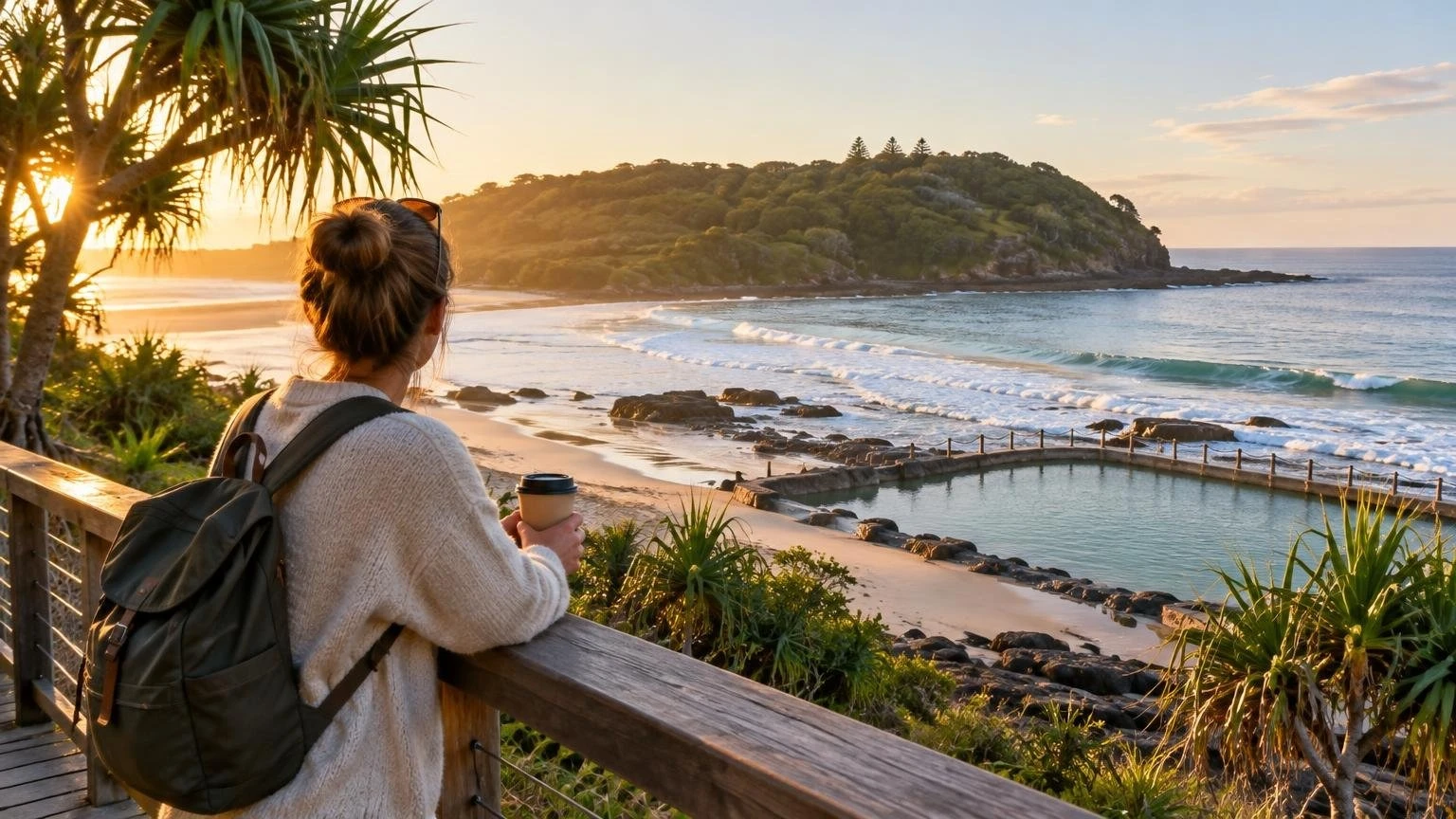
If you’ve ever spent a weekend lounging in a small California beach town, sipping coffee next to the water, and lost track of the days, you will easily see why Caloundra is attractive. This laid back seaside town sits at the southern end of Queensland’s Sunshine Coast. Caloundra is perfect for travelers who would prefer to hang out and enjoy the local area instead of running from sight to sight.
This slow travel guide to Caloundra was written for Americans traveling to Australia for the first time who wish to stay awhile – whether that is two weeks or two months. The guide provides information regarding transportation options to get you to Caloundra, where to reside (lodging), how to occupy your days and some general tips that will assist you in feeling right at home on the other side of the Pacific Ocean.
Why Caloundra Suits Slow Travel
Caloundra has the relaxing atmosphere of a beachside town without the tall skyscrapers found in the Gold Coast. Caloundra’s beaches run along a series of headlands, each offering unique aspects. Many of these beaches are also connected by a coastal walking trail. In the mornings, you could walk to a cafe for breakfast. After swimming in the ocean before lunch, you can sit and watch the sunset above the water without having to use a car.
Additionally, Caloundra is truly a community-based town. Instead of being primarily a vacation destination, many residents walk their dogs along the foreshore every morning. Families congregate at the local parks on the weekends and the weekly Sunday Street Fair brings many locals together. Those daily routines provide the exact type of experience that slow travel provides.
Getting There From the US
Most United States based visitors will fly into Brisbane International Airport (BNE). Direct flights from Los Angeles (LAX) and San Francisco (SFO) exist for those destinations. Expect to have approximately 13-14 hours of flight time for either airport connection. Plan a leisurely couple of days after arrival to recover from jet lag. A car shuttle or rental car service can be arranged easily from Brisbane Airport to Caloundra, located approximately 1-hour north of Brisbane Airport.
Prior to flying, keep in mind that electronic travel authorities (ETAs) are required for all United States citizen tourists wishing to enter Australia. These ETAs can be obtained through an internet application process, typically within a very short period. Be sure to apply prior to departing on your trip. Also, if you plan on renting a vehicle, familiarize yourself with driving in Australia, particularly round-a-bout etiquette. Upon arriving in Australia, purchasing a local SIM card or using an international eSIM allows you to navigate with ease via mobile apps, book accommodations and communicate with friends/family back in the U.S.
Finding a Place to Stay
For shorter visits to Caloundra, hotels and resorts are suitable choices. However, for longer stays, the majority of slow travelers tend to rent properties that include kitchens, laundry facilities and sufficient space to move around freely. Staying in a residential home also helps facilitate entry into local routines.
Many travelers begin researching lodging options in Caloundra by looking through rentals caloundra listings to find apartments/condos located near the beach or peaceful homes that are only a short walk from cafes/shops. Choose locations closer to Kings Beach/Bulcock Beach if you desire to walk throughout the downtown area; however, choose areas farther from downtown if you would prefer more solitude and yard space.
Research the length of leases, amenities offered, furnishings provided etc., prior to committing to a particular rental unit and search early if you intend to travel to Caloundra during peak season (Australian summer – December & January).
Beaches and Daily Rhythms
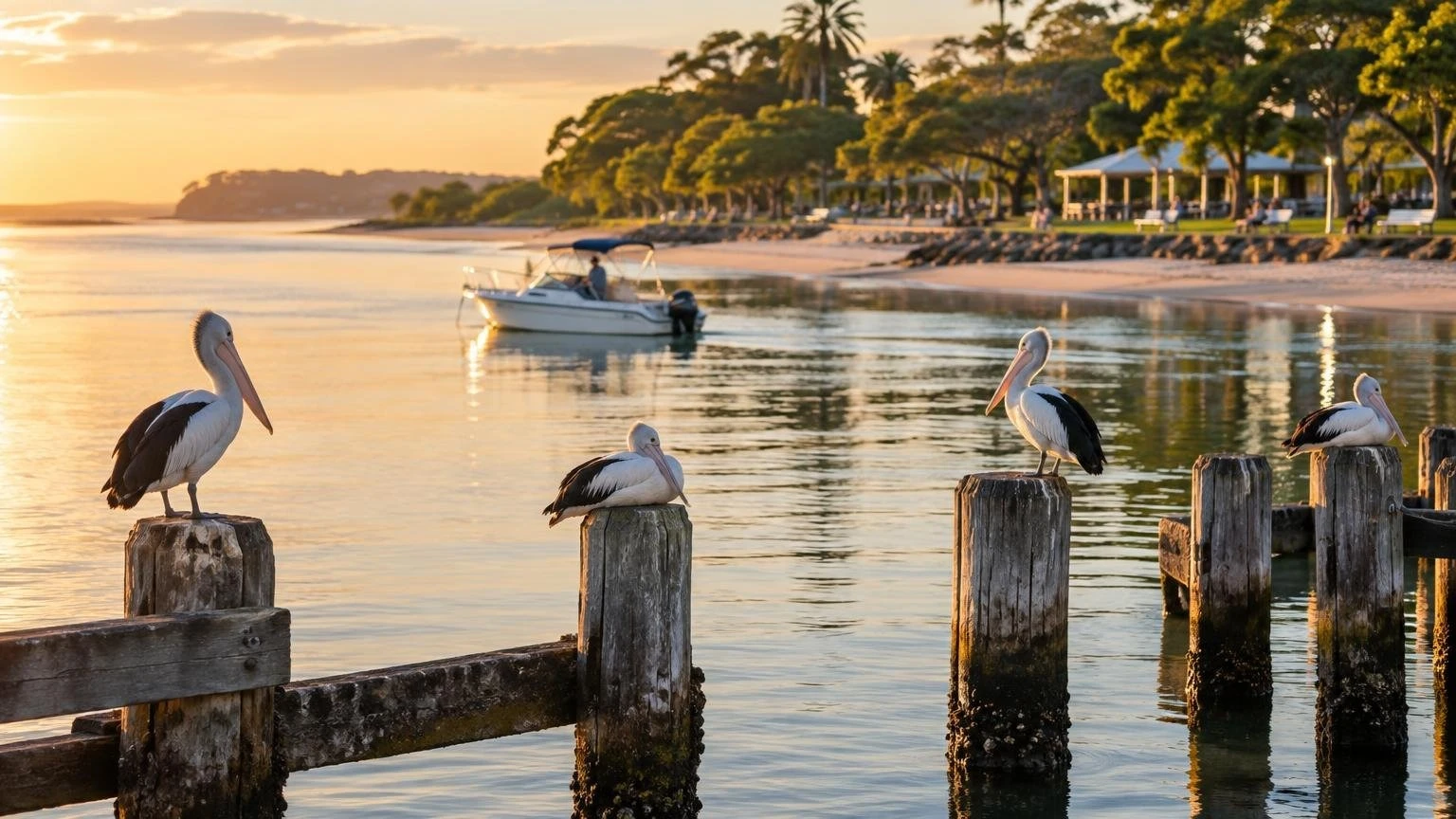
Each of Caloundra’s beaches offers something distinct. Kings Beach serves as the central hub of activity in Caloundra and features a saltwater ocean pool, park-style picnic areas, patrolled surfing conditions and ocean activities. Bulcock Beach offers a tranquil environment with calm waters in Pumicestone Passage, making it an excellent location for casual swims/paddleboarding opportunities as well as viewing pelicans. Moffat Beach/Shelly Beach both possess a local flair with active surfers in the water and small cafes nearby.
Strolling along the coastal pathway is one of the best methods for experiencing multiple beaches. Take a different section of the pathway each day and stop occasionally for a cup of coffee/swimming/breakfast/etc., and you’ll likely develop your favorite locations. When swimming at patrolled beaches, always adhere to the red/yellow flag system as Australian surf can be more powerful than it appears. Late afternoon is an especially beautiful time strolling along Bulcock Beach esplanade when many locals congregate in cafes/restaurants and observe the passing vessels in Pumicestone Passage.
Day Trips Worth Taking
Although you’ve had ample time to relax and explore Caloundra, it makes a fantastic base for additional exploration. Approximately 30 minutes’ drive inland from Caloundra lie the Glass House Mountains — a collection of impressive volcanic peaks with hiking trails and lookout points featuring stunning views of the surrounding landscape. A short drive west of Caloundra lies Australia Zoo — founded by Steve Irwin’s family — a zoo enjoyed by visitors of all ages.
Inland from Caloundra lie the hinterland towns of Maleny/Montville — offering cooler climates, numerous art galleries, lengthy lunch experiences with vistas overlooking the coastline. Further north from Caloundra lie Mooloolaba and Noosa — providing additional beaches, shopping and coastal pathways in Noosa National Park for additional exploration.
Across Pumicestone Passage from Caloundra lies Bribie Island — accessible via an easy drive around to the island via bridge — offering additional beaches and bushwalking opportunities.
Travelling With Older Parents
Traveling slowly is quite often a multi-generational event; many of the flat walking paths along the beachfronts of Caloundra are suitable for elderly travelers, as are its calm swimming beaches. In addition, some American tourists also travel to Caloundra to spend time with their aging parents or other relatives, who have retired to the Sunshine Coast area, which is a very popular retirement destination.
If an elderly person requires assistance with daily living activities such as personal care, medical care, transportation, etc., while family members from another country are visiting (e.g. when a homecare package has been arranged), there are several Home care package providers offering this type of assistance throughout the Sunshine Coast area. These services may greatly assist in planning visits. It would be helpful to contact these organizations prior to traveling so that you will know exactly what types of services are available and how they can assist in your plans.
When searching for accommodations for a family consisting of adults of different ages, consider renting a house with one level, no stairs; a home with no steps leading into the property; proximity to local shopping areas, including pharmacy and doctor offices.
Practical Tips for American Visitors
There are a few simple things to note before arriving in Caloundra. The seasonal pattern is reversed compared to America, i.e. the peak tourist season in Caloundra occurs during the month of December, and January (the warmest months) – which is mid-winter in America – while the cooler months occur in June, July and August.
Although tipping in Australia is generally not expected, a small tip (a little extra for good service) is always appreciated. As tap-to-pay credit card systems operate throughout Australia (with the exception of a few remote communities), carrying cash is unnecessary in most cases. However, please contact your bank regarding any foreign transaction fees associated with using your debit/credit card(s). Also note that the sun shines brightly even on cloudy days in Caloundra. Therefore, we recommend that you bring a large brimmed hat, use a reef-safe sunscreen product and drink lots of water.
Unlike America, Queensland does not observe Daylight Saving Time. This makes coordinating phone calls back to America easier. Slowly get used to the laid-back attitude of locals. Most cafes are open early, shop hours end earlier than you might expect and no one appears to be in a hurry.