Vehicle Wrap Shop in Orange County: 7 Things to Look for Before Choosing One
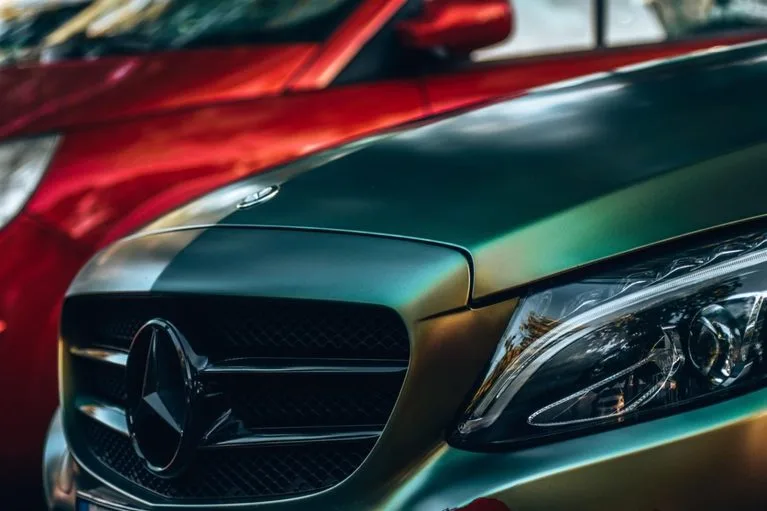
Finding the right vehicle wrap shop in Orange County can mean the difference between a head-turning, paint-like transformation and a peeling, bubble-filled nightmare that damages your car’s clear coat. With hundreds of automotive restylers operating from Irvine and Costa Mesa to Anaheim and Huntington Beach, quality varies wildly. Investing time to vet local shops ensures you secure the finest vehicle wrap Orange County has to offer, pairing skilled craftsmanship with premium materials that stand up effortlessly to punishing freeway commutes and coastal sunshine.
Before handing over your keys, run prospective installers through these seven non-negotiable criteria to ensure your vehicle gets a long-lasting, show-quality wrap.
1. Film Quality: Cast vs. Calendered Vinyl
The vinyl brand and composition dictate how your wrap performs under the intense Southern California sun.
- Cast Vinyl (The Gold Standard): Cast film is poured as a liquid and baked, meaning it has zero natural “memory” or tension. It conforms cleanly to compound curves, deep bumper recesses, and body lines without shrinking or lifting over time. Always verify the shop uses automotive cast vinyl from trusted manufacturers like 3M (2080 series), Avery Dennison (SW900), Inozetek, or KPMF.
- Calendered Vinyl (The Budget Red Flag): Calendered film is rolled out through heavy rollers like dough. While cheaper, it constantly tries to shrink back to its original shape. Under high heat on the 405 or 55 freeways, calendered film shrinks, pulls away from edges, and risks leaving baked-on adhesive residue when removed.
| Feature | Premium Cast Vinyl (Recommended) | Low-Grade Calendered Vinyl |
|---|---|---|
| Manufacturing | Poured liquid; no structural memory | Extruded/rolled; wants to shrink |
| Lifespan in OC Sun | 4 to 7 years | 1 to 2 years (quick UV failure) |
| Edge Stability | Holds recesses and curves tightly | Lifts, puckers, and shrinks around edges |
| Paint Safety | Removes cleanly without clear-coat damage | High risk of adhesive bonding and paint peeling |
2. Industry Certifications and Specialized Training
Wrapping a modern car requires advanced material chemistry knowledge and precision handling. Look for shops whose technicians hold recognized manufacturer certifications:
- 3M Preferred / 3M Endorsed Installer
- Avery Dennison Certified Wrap Installer (CWI)
- PDAA (Professional Decal Application Alliance)
These credentials prove that technicians have been tested on proper heat-stretching limits, adhesive mechanics, and safe post-heating practices rather than learning on customer vehicles.
3. Dedicated, Climate-Controlled Installation Facilities
Vehicle wrapping cannot be done reliably outdoors or in an open garage bay exposed to coastal winds and road dust.
A high-caliber Orange County wrap shop operates in an enclosed, dust-controlled, temperature-regulated cleanroom. Ambient temperatures must sit consistently between 68°F and 74°F for the vinyl’s pressure-activated adhesive to tack properly. Furthermore, floating marine layer moisture or airborne grit will trap imperfections under the film, creating permanent pimples on flat surfaces.
4. Knifeless Tape Technology & Disassembly Protocols
Ask the installer directly: “Do you disassemble parts, and do you cut on the paint?”
- Knifeless Tape: Reputable installers use filament-bearing tapes (such as 3M Knifeless Tape) placed along cutlines before laying the vinyl. The embedded thread pulls through the film to create a laser-straight cut without ever putting an open razor blade near your factory clear coat.
- Clean Disassembly: Proper shops carefully remove door handles, taillights, badges, and exterior trim rather than cutting flush around them. This allows the film to wrap completely around panel edges for an authentic OEM paint-like finish that won’t lift at car washes.
5. In-Person Portfolio of Close-Up Work
Any shop can post an attractive, wide-angle photo of an exotic car on social media. The true marker of skill lies in the macro details.
Ask to see close-up photos—or better yet, inspect vehicles currently sitting in the shop:
- Panel Corners & Recesses: Are corners neatly tucked and rounded, or are they jagged and bunched up?
- Door Jambs: Is original paint glaringly visible through panel gaps, or is the coverage deep enough to maintain the illusion?
- Stretch Marks & Distortion: Does the vinyl show discoloration (“whitening”) or cloudy adhesive stretch marks on complex curves like bumpers and mirrors?
6. Comprehensive Garage Keepers Insurance
Your vehicle will spend 3 to 5 business days in the shop. Accidents, shop fires, break-ins, or inadvertent panel damage can happen.
Never assume a business license equals adequate coverage. Ask the shop for proof of Garage Keepers Liability Insurance. Standard general liability covers customer slips and falls on the premises; Garage Keepers specifically covers physical damage to client vehicles while they are in the shop’s care, custody, and control.
7. Transparent Written Warranties (Labor vs. Material)
A trustworthy shop clearly separates the film manufacturer’s warranty from their own in-house workmanship warranty.
- Material Warranty: Covers manufacturing defects, premature fading, and adhesive cracking (provided by 3M, Avery, etc.).
- Workmanship Guarantee: Covers installation-specific flaws like edge lifting, peeling seams, and bubble development.
A confident Orange County wrap specialist typically provides at least a 1- to 3-year labor guarantee alongside a complimentary 2-week follow-up check to inspect edge adhesion after the vinyl completes its initial curing cycle. Avoid shops that offer verbal assurances without written warranty terms.