Denmark Travel Warning: What Every Visitor Needs to Know in 2026
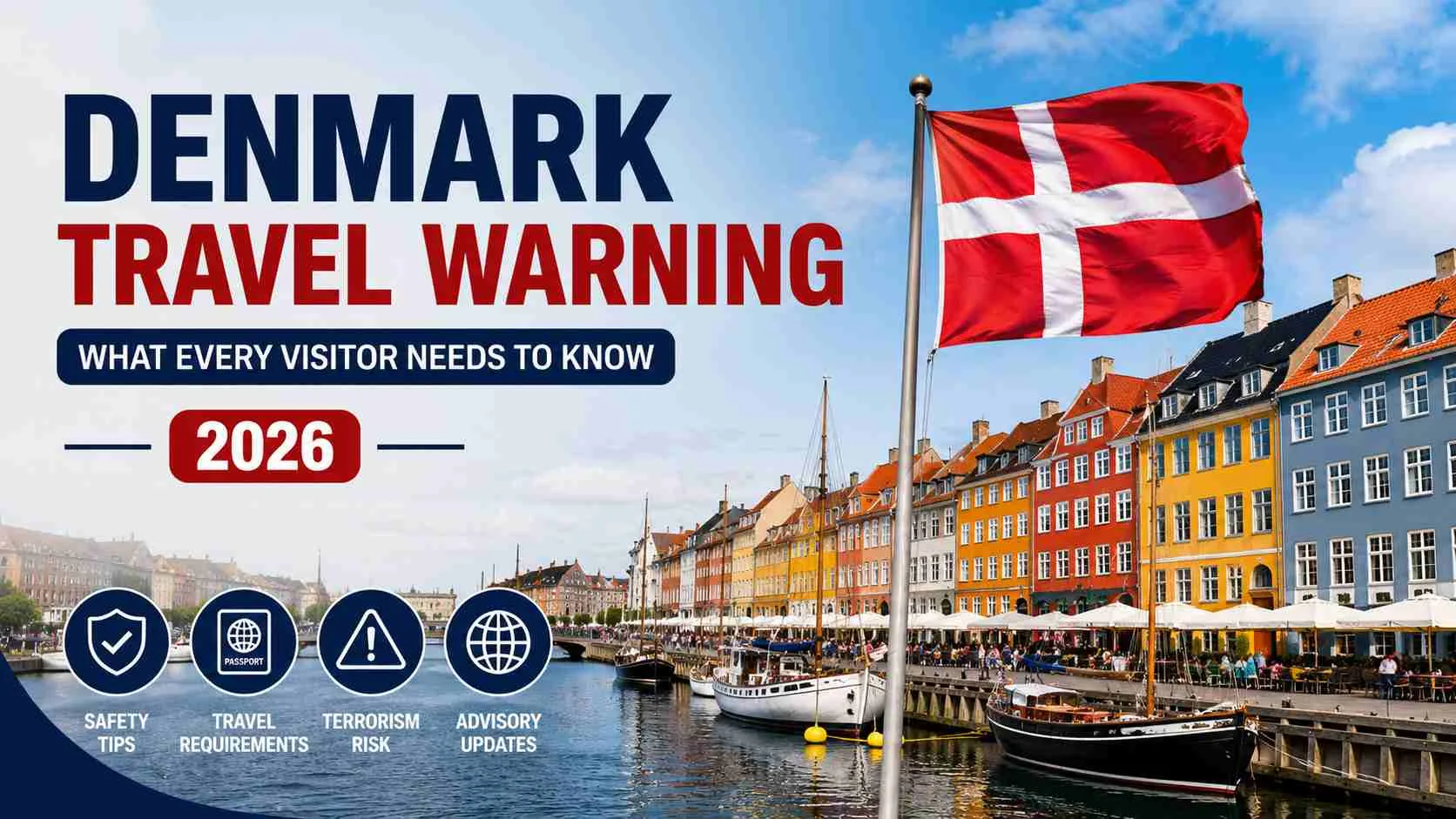
Denmark is calm, orderly, and consistently ranked among Europe’s most livable countries, but that doesn’t mean it’s completely risk-free. If you searched for a denmark travel warning before booking your flights, you’re doing the right thing, since official advisories help you separate real risk from outdated headlines and social media rumors.
This guide breaks down what the official government sources actually say, what’s driving the current warning, and what it genuinely means for your trip planning. For more destination safety guides and travel resources, visit CATravelTimes before you go.
What Is the Current Denmark Travel Warning?
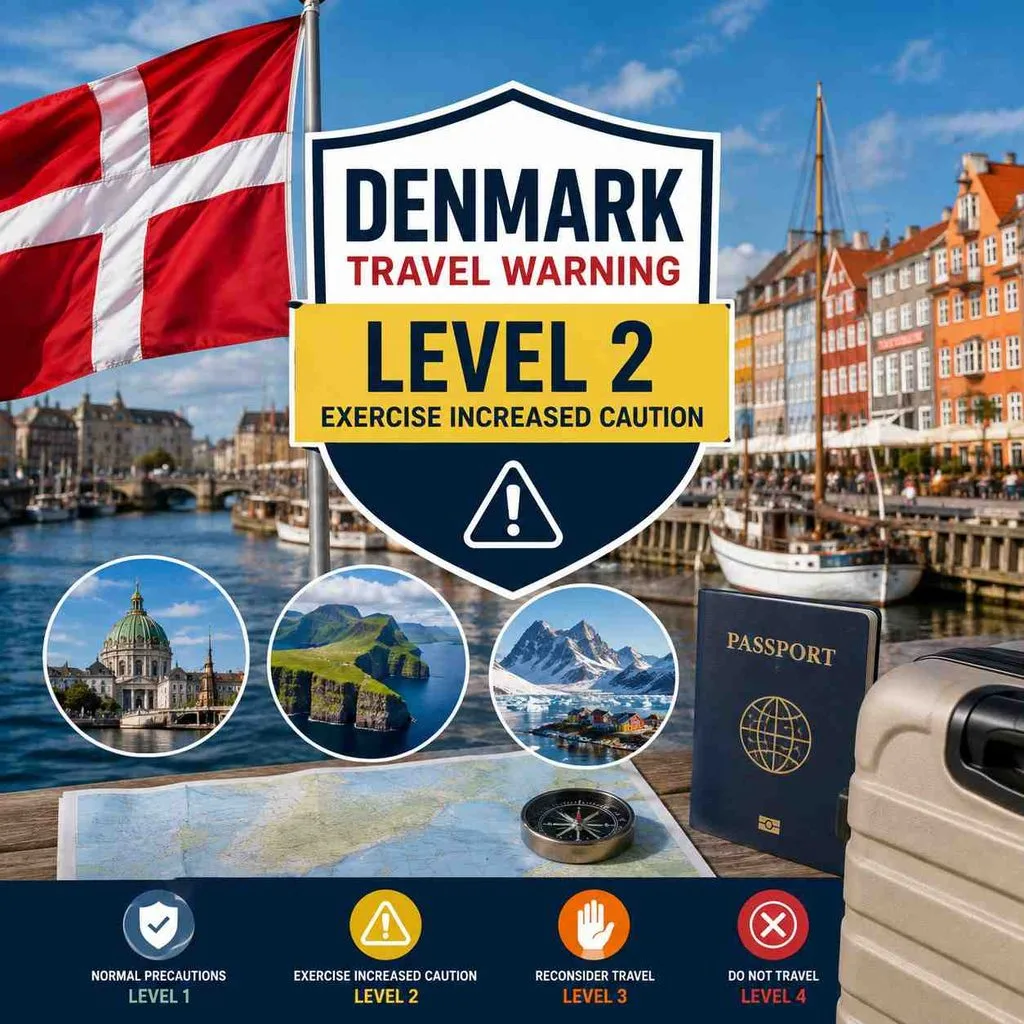
The U.S. Department of State places the Kingdom of Denmark at Level 2: Exercise Increased Caution. This advisory was reissued after a periodic review with only minor edits.
The country summary notes that terrorist groups continue plotting possible attacks in Denmark. These attacks could happen with little or no warning.
“Kingdom of Denmark” covers more than most travelers assume:
- Mainland Denmark
- The Faroe Islands
- Greenland
Each region has a different risk profile, especially around weather and emergency response times. A Level 2 advisory is not a directive to cancel your trip — it sits in the middle of a four-tier scale, where Level 1 means normal precautions and Level 4 means do not travel.
Why Does Denmark Have a Travel Warning?
This is the most common question travelers ask. The short answer: it isn’t because Denmark is dangerous. This advisory exists mainly because of terrorism risk shared across most of Western Europe.
According to Australia’s Smartraveller advisory, Denmark’s domestic terror threat level is officially “significant,” or level 4 of 5. A few factors drive this rating:
- Rising right-wing extremism alongside ISIL-inspired threats
- Past arrests of people suspected of plotting attacks
- High-profile targets typical of major European cities — transit hubs, shopping areas, cultural events
The UK’s FCDO echoes this. It notes that attacks cannot be ruled out and could be indiscriminate, including in places popular with tourists. No advisory points to a single imminent threat.
Is It Safe to Travel to Denmark Right Now?
Yes — for most visitors, Denmark remains one of Europe’s safer countries. Serious violent crime against tourists is rare. The core risks officially flagged are:
- Petty theft — pickpocketing in crowded tourist zones
- Terrorism — a region-wide risk, not Denmark-specific
- Cycling accidents — a common cause of visitor injury
- Drink safety — isolated drink-spiking incidents reported by Australian authorities
Checking an advisory isn’t about talking yourself out of the trip. It’s about knowing what to actually watch for once you land.
Is It Safe to Travel to Copenhagen Right Now?
Yes, Copenhagen is safe for most visitors, though it’s where nearly all petty crime is concentrated. Pickpocketing hotspots include Central Station, Nørreport, Strøget, Nyhavn, Christiania, and the airport terminal, per UK travel advice.
Is Denmark Safe at Night?
Generally, yes. Denmark’s cities feel comfortable after dark. Both UK and Australian advisories flag Christiania and Nørrebro/Nordvest for extra caution at night due to occasional gang-related incidents.
Denmark Travel Advisory: Comparing Countries
Governments word things differently, but the core risks broadly agree:
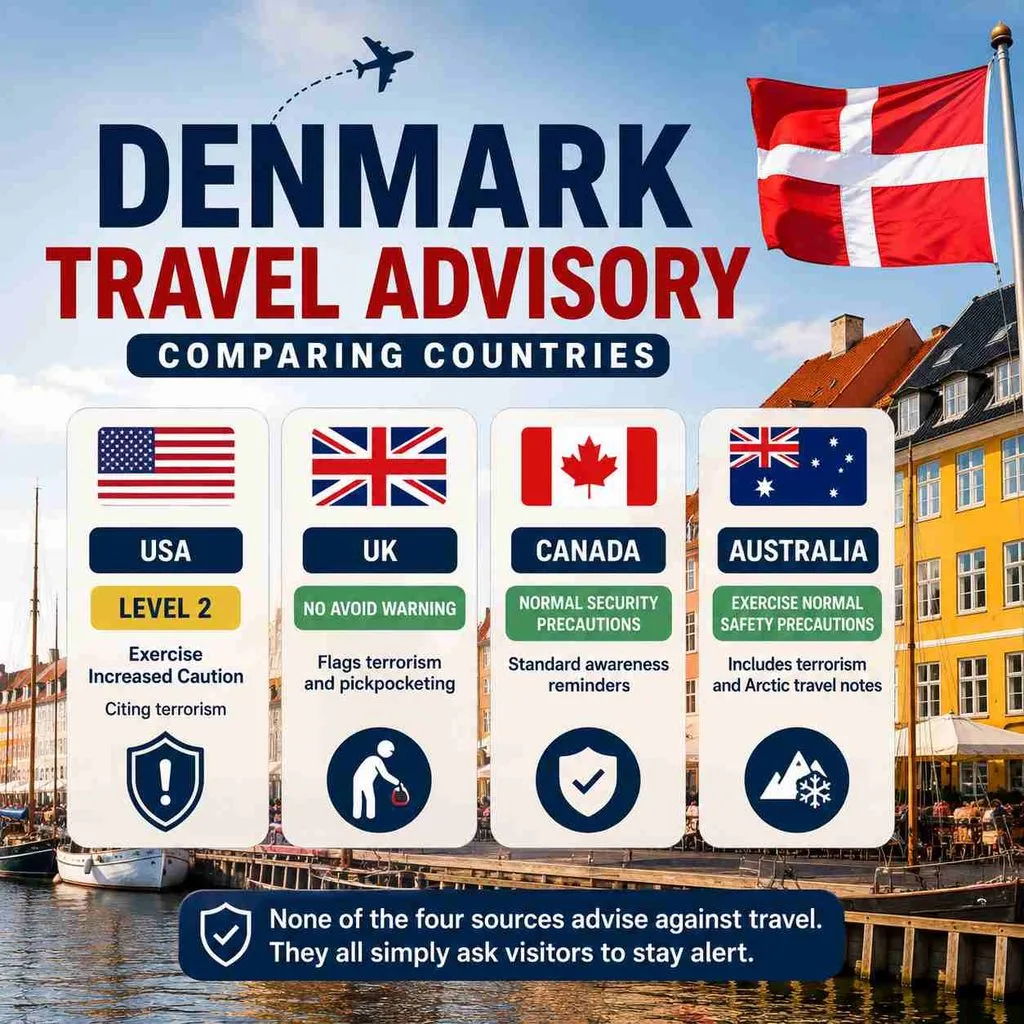
- Denmark travel advisory USA: Level 2 — Exercise Increased Caution, citing terrorism
- Denmark travel advice UK: No “avoid” warning; flags terrorism and pickpocketing
- Denmark travel advisory Canada: Normal security precautions, standard awareness reminders
- Denmark travel advisory Australia: “Exercise normal safety precautions,” with terrorism and Arctic travel notes
None of the four sources advise against travel. They all simply ask visitors to stay alert.
Denmark Travel Requirements
Current denmark travel requirements for most visitors include the following essentials:
- Passport valid well beyond your departure date — six months is the common ask
- Mainland Denmark is in the Schengen Area; stays of 90 days or fewer within 180 days usually need no visa
- EU Entry/Exit System (EES) registration — biometric data on arrival for non-EU nationals, no extra cost
- Separate rules apply for Greenland and the Faroe Islands, since neither is in Schengen or the EU
- Sporadic border checks can occur between Denmark, Sweden, and Germany
Requirements shift often, so confirm with the nearest embassy or consulate before you travel.
Denmark Terrorism: What the Advisories Say
“Denmark terrorism” is heavily searched, often out of proportion to actual risk. No advisory names an active, specific plot, and none recommend avoiding the country.
What they do say: attacks are possible without warning, and public spaces like train stations and festivals are theoretical targets. This is standard language used across nearly all Western European advisories.
Practical steps recommended by official sources:
- Stay aware of your surroundings in crowded venues
- Follow local authorities immediately during any incident
- Enroll in your home country’s traveler registration program
- Monitor local news and adjust plans as needed
Denmark Travel Warning to US Citizens
Advisories don’t flow one direction only. Denmark’s own Ministry of Foreign Affairs publishes guidance for Danes traveling to the United States.
If you’re curious how a denmark travel warning to us citizens compares with the reverse direction, most Western governments now issue similarly cautious, awareness-based advice for major destinations worldwide — Denmark and the US included.
Practical Safety Tips for Denmark
A few habits go a long way toward a smooth, incident-free trip:
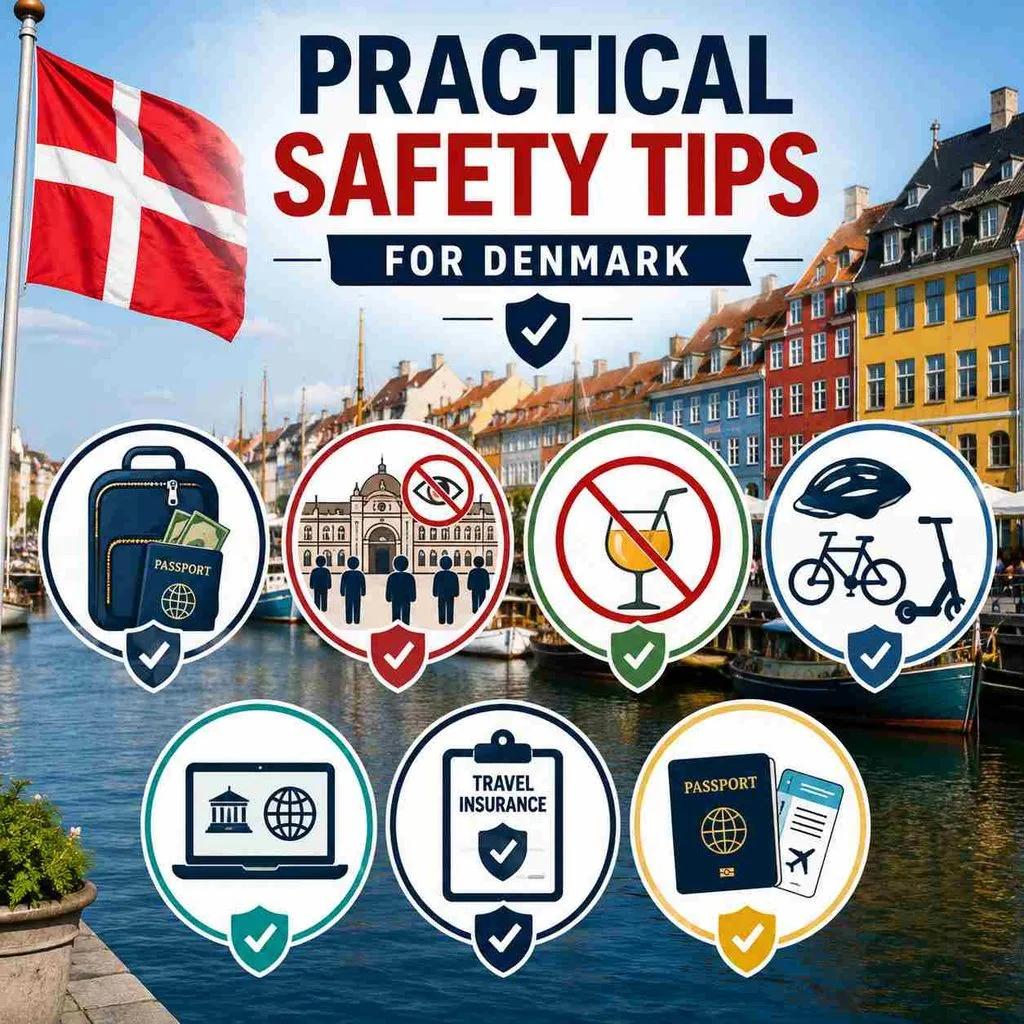
- Keep passports and cash in a secure, zipped bag — not an open backpack pocket
- Avoid flashing valuables in crowded stations, especially Copenhagen Central
- Never accept open drinks from strangers in nightlife areas
- Wear a helmet on rented bikes and e-scooters
- Register with your embassy’s traveler program before departure
- Buy travel insurance covering medical evacuation, especially for Greenland or the Faroe Islands
- Recheck entry requirements a few weeks before departure
Beyond the Warning: Planning a Trip You’ll Enjoy
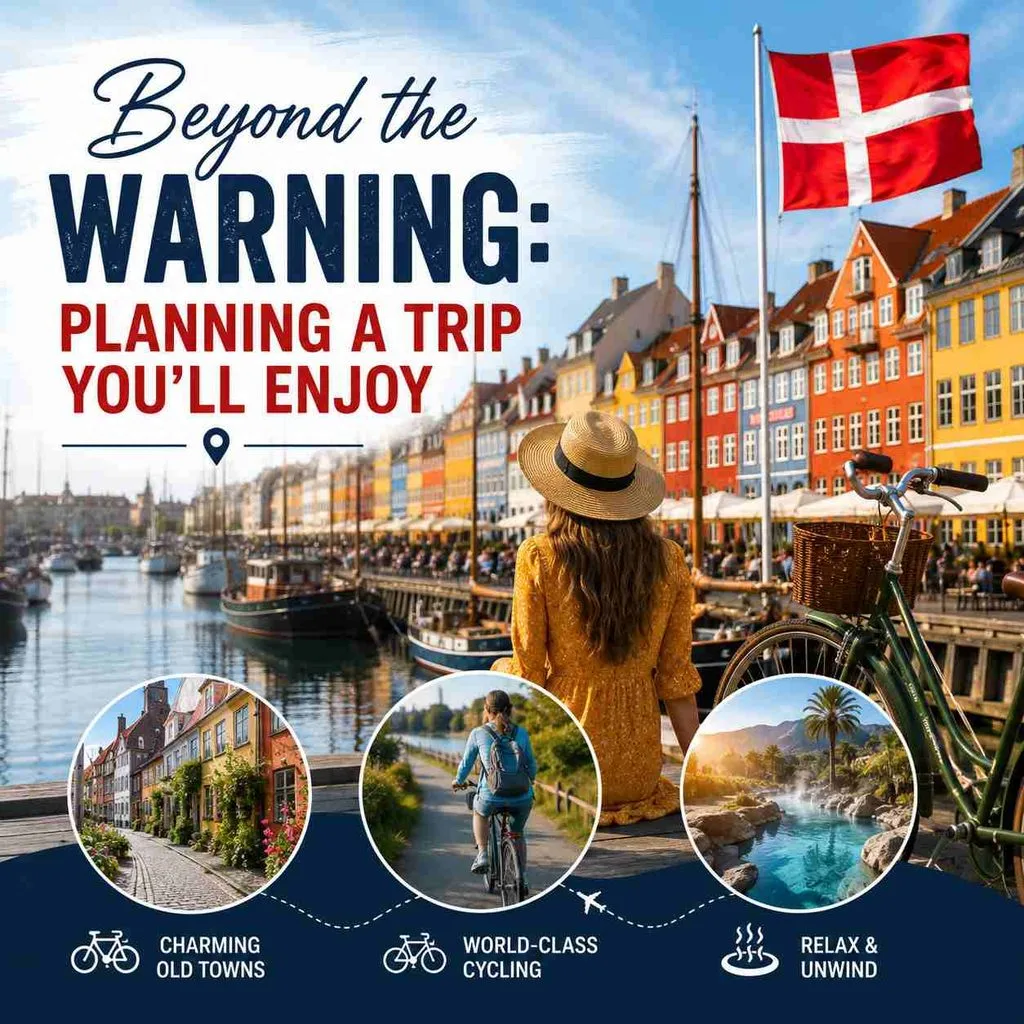
Once you’ve read the advisories and packed sensibly, Denmark rewards visitors generously. Cobblestoned old towns, world-class cycling, and a genuinely low day-to-day crime rate outside a few tourist pinch points make it an easy country to explore.
If you’re comparing colder-climate trips with warmer, relaxation-focused getaways, our team at CATravelTimes also covers California escapes worth adding to your list — including a full guide to natural hot springs destinations for travelers who want a slower, wellness-focused itinerary alongside their Denmark plans.
Final Thoughts
This kind of advisory is a tool, not a verdict. The current Level 2 rating reflects general terrorism risk shared across Western Europe, plus ordinary big-city concerns like pickpocketing.
Millions of tourists visit Denmark yearly without incident, and it consistently ranks among the world’s safest, most livable nations. Read your own government’s advisory, register your trip, buy solid insurance, and apply normal street-smart habits Denmark should be one of the smoothest trips on your list.
FAQs
Is Denmark currently under a travel warning?
Yes, the U.S. places Denmark at Level 2, meaning exercise increased caution due to terrorism risk, not a ban or “avoid” recommendation.
Why does Denmark have a travel warning?
Mainly due to region-wide terrorism risk across Western Europe, including rising extremism concerns, not because Denmark is unusually unsafe.
Is it safe to travel to Copenhagen right now?
Yes, for most visitors. Stay alert around Central Station, Nørreport, and Strøget, where pickpocketing is most common.
What are Denmark’s basic travel requirements?
A valid passport, Schengen visa-free entry for short stays (for many nationalities), and EES biometric registration on arrival.
Is Denmark safe at night?
Generally yes. Use extra caution in Christiania and Nørrebro after dark, and stick to well-lit, populated streets.