TSA REAL ID Requirements Air Travel: The Complete 2026 Guide
Flying within the United States has changed for good. If you haven’t checked your driver’s license lately, now is the time because the tsa real id requirements air travel rules are being actively enforced at every airport security checkpoint in the country. Millions of travelers have already been turned away, delayed, or charged a new fee simply because they showed up with the wrong form of identification.
Whether you’re heading out on a business trip, a family vacation, or even a relaxing weekend at your favorite Hot Springs retreat, understanding these rules before you pack your bags can save you from a stressful, last-minute scramble at the airport. This guide breaks down everything the Transportation Security Administration (TSA) wants you to know, based on official guidance from TSA.gov.
What Is a REAL ID, and Why Does It Matter?
The REAL ID Act was passed by Congress in 2005, following the recommendations of the 9/11 Commission, to establish stricter federal standards for state-issued driver’s licenses and identification cards. The goal was simple: make it harder for anyone to use fraudulent identification to board a commercial aircraft or enter secure federal facilities.
After nearly two decades of delays first due to state-level rollout issues and later the COVID-19 pandemic the law was finally enforced starting May 7, 2025. Since that date, standard state-issued IDs that are not REAL ID-compliant are no longer accepted at TSA checkpoints.
How to Identify a REAL ID-Compliant Card
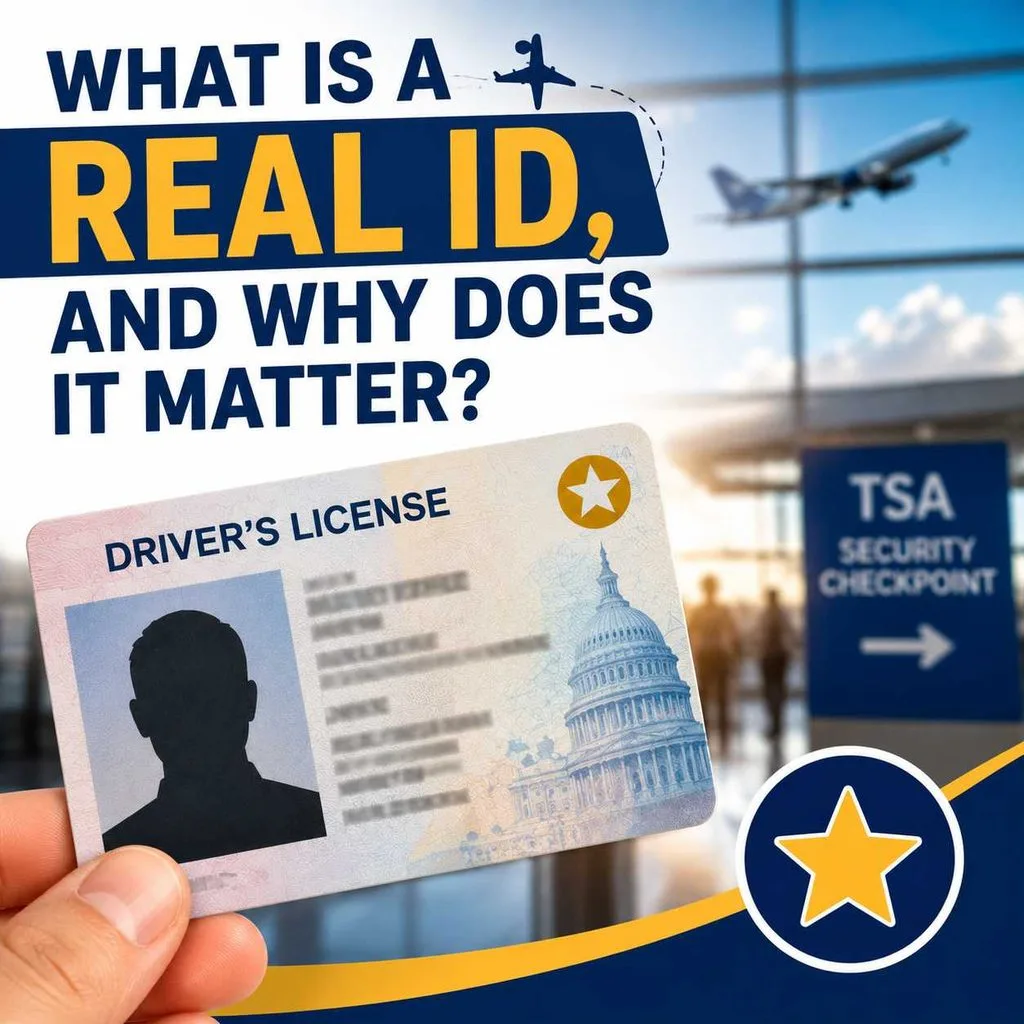
REAL ID cards look similar to your regular driver’s license but include specific markings that set them apart:
- A star (usually gold or black) printed in the upper corner of the card
- Issued by your state’s Department of Motor Vehicles (DMV) after providing proof of identity, Social Security number, and residency
- Cards marked “Federal Limits Apply” or “Not for Federal Identification” are not REAL ID-compliant
If you’re unsure whether your card qualifies, your state DMV website is the fastest way to confirm.
TSA REAL ID Requirements for Air Travel: Where Things Stand Now
As of today, the tsa real id requirements air travel policy applies to every domestic traveler aged 18 and older, without exception — including TSA PreCheck members. According to TSA, more than 94% of travelers already carry a compliant ID or acceptable alternative, but that still leaves a significant number of people getting stopped at checkpoints daily.
Here’s what changed and when:
- May 7, 2025 — Full REAL ID enforcement began nationwide at all TSA checkpoints
- February 1, 2026 — TSA introduced the $45 ConfirmID fee for travelers without an acceptable ID
- Ongoing — Federal Security Directors at each airport have flexibility to run enhanced screening lanes for non-compliant travelers
Airports are handling the transition through unpredictable screening procedures, dedicated queuing lanes for non-compliant IDs, and overflow zones designed to prevent bottlenecks during peak travel periods.
Do I Need a REAL ID to Fly in 2026?
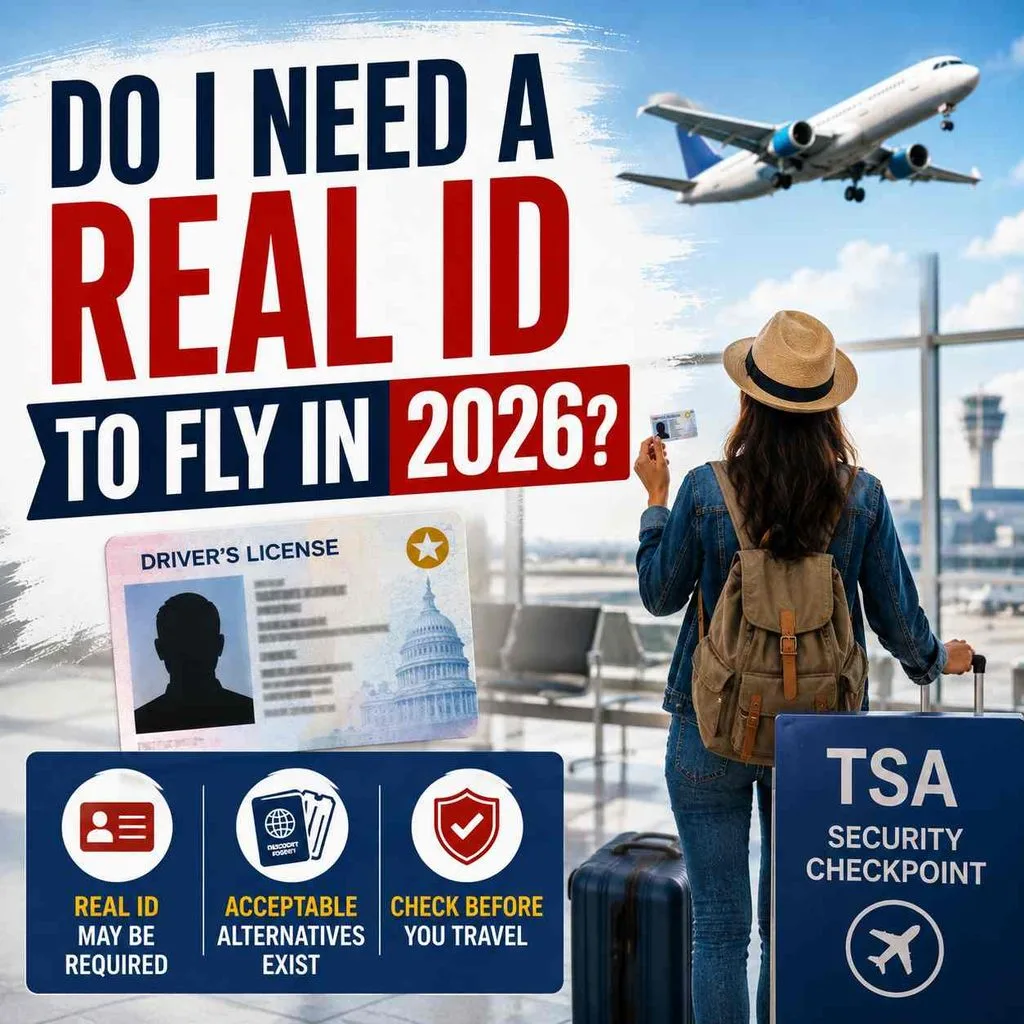
This is the single most common question travelers are asking, and the answer is straightforward: yes, unless you carry an acceptable alternative form of identification. A REAL ID is not the only document TSA accepts it’s simply the most common one people use since it’s tied to a driver’s license they already carry.
If your state-issued ID isn’t REAL ID-compliant and you don’t have a backup document, you will not be permitted through standard screening without additional steps.
Acceptable Forms of ID Besides a REAL ID
You don’t necessarily need to rush to the DMV if you already own one of these TSA-accepted documents:
- U.S. passport or passport card
- U.S. military ID (active duty, retired, dependents, and reservists)
- Permanent resident card (Green Card)
- Border crossing card
- DHS-designated enhanced driver’s license (issued by select states)
- Federally recognized, tribal-issued photo ID
- HSPD-12 PIV card
- Foreign government-issued passport
- Transportation worker identification credential (TWIC)
TSA also accepts expired versions of these documents for up to two years past the expiration date, and children under 18 are not required to present ID when flying domestically with a companion.
What Happens If You Don’t Have a REAL ID? TSA ConfirmID Explained
This is where the rules got a major update in early 2026. Previously, travelers without an acceptable ID faced a lengthy manual identity verification process with no clear cost or timeline. Now, TSA has streamlined this through a program called TSA ConfirmID.
How the $45 ConfirmID Fee Works
If you arrive at the checkpoint without a REAL ID, passport, or other accepted document, you’ll be referred to TSA ConfirmID before you can proceed. Here’s what that involves:
- A $45 fee, payable through Pay.gov using a debit card, credit card, bank account (ACH), Venmo, or PayPal
- The payment is valid for a 10-day travel window from the date you select
- TSA strongly recommends paying online in advance to avoid delays at the airport
- The process can add anywhere from 10 to 30 extra minutes to your security screening time
- There is no guarantee that identity verification will succeed travelers who fail verification may be denied entry to the checkpoint
What You’ll Need for ConfirmID Verification
To complete the process, you’ll typically need to provide your legal name, travel start date, and other identifying information requested during the online verification. Once payment is confirmed, you’ll receive an email receipt that must be shown to a TSA officer at the checkpoint.
If you skip pre-payment and try to handle it at the airport, you risk losing your place in line TSA requires travelers without proof of payment to step aside and start the process from the back of the queue.
Explaining the TSA REAL ID Requirement Change for Domestic Air Travel
For travelers who haven’t flown recently, the shift can feel sudden. To summarize the tsa real id requirements air travel change in plain terms:
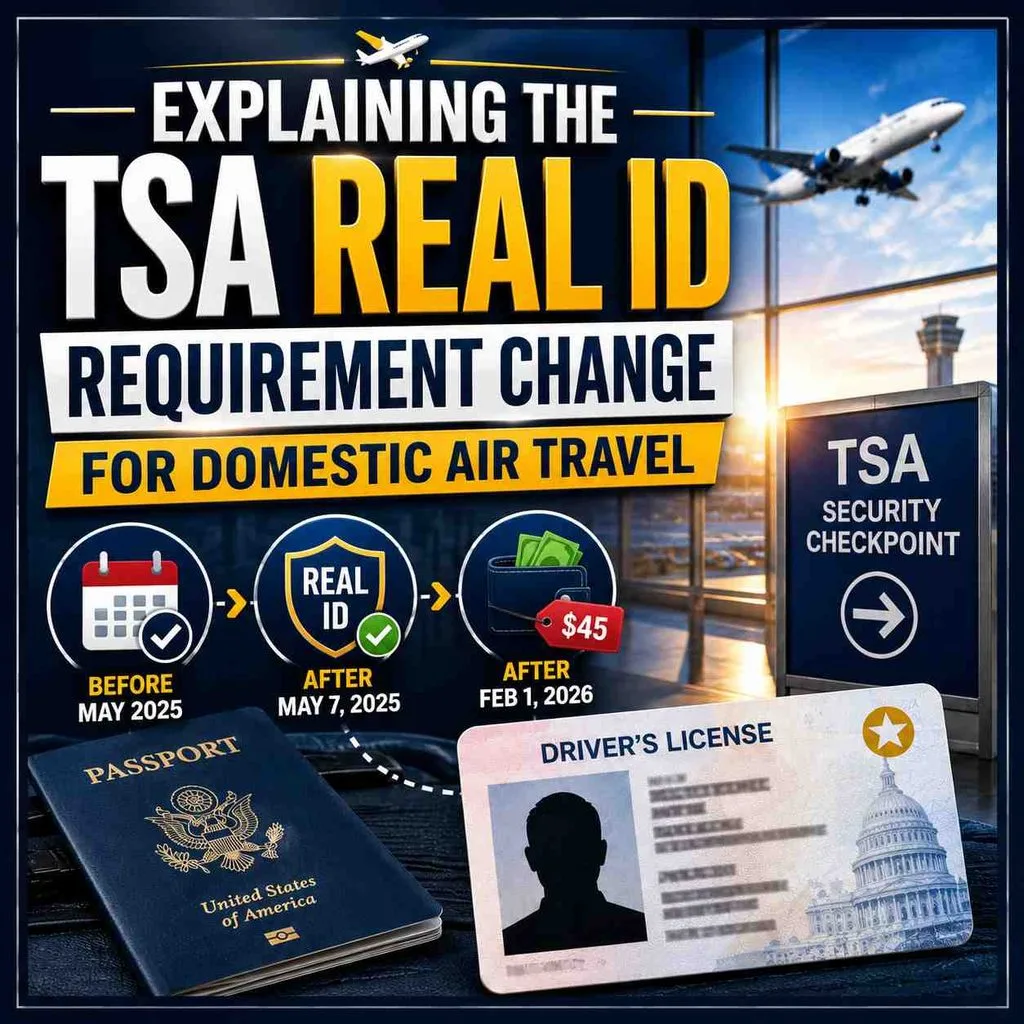
- Before May 2025: Most state IDs were accepted regardless of REAL ID compliance
- After May 7, 2025: Non-compliant state IDs are rejected outright at checkpoints
- After February 1, 2026: Travelers without acceptable ID can pay $45 through ConfirmID as a fallback option, rather than being denied entirely
TSA has stated that full enforcement including tighter restrictions on the ConfirmID fallback is expected to continue evolving through May 2027, so it’s worth checking TSA.gov periodically for updates before major trips.
How to Get Your REAL ID Before Your Next Flight
If you don’t already have a compliant ID, the process through your state DMV is usually quicker than people expect. Most residents need to bring:
- Proof of identity (birth certificate or unexpired passport)
- Proof of Social Security number
- Two documents proving your current address
- Proof of legal name change, if applicable
Appointments can often be booked online, and many states now offer expedited or same-day processing at select locations. TSA recommends starting this process well ahead of any planned travel dates, since DMV wait times can vary significantly by state and season.
Tips for a Smooth Airport Security Experience
A few small habits can save you significant time and stress at the checkpoint:
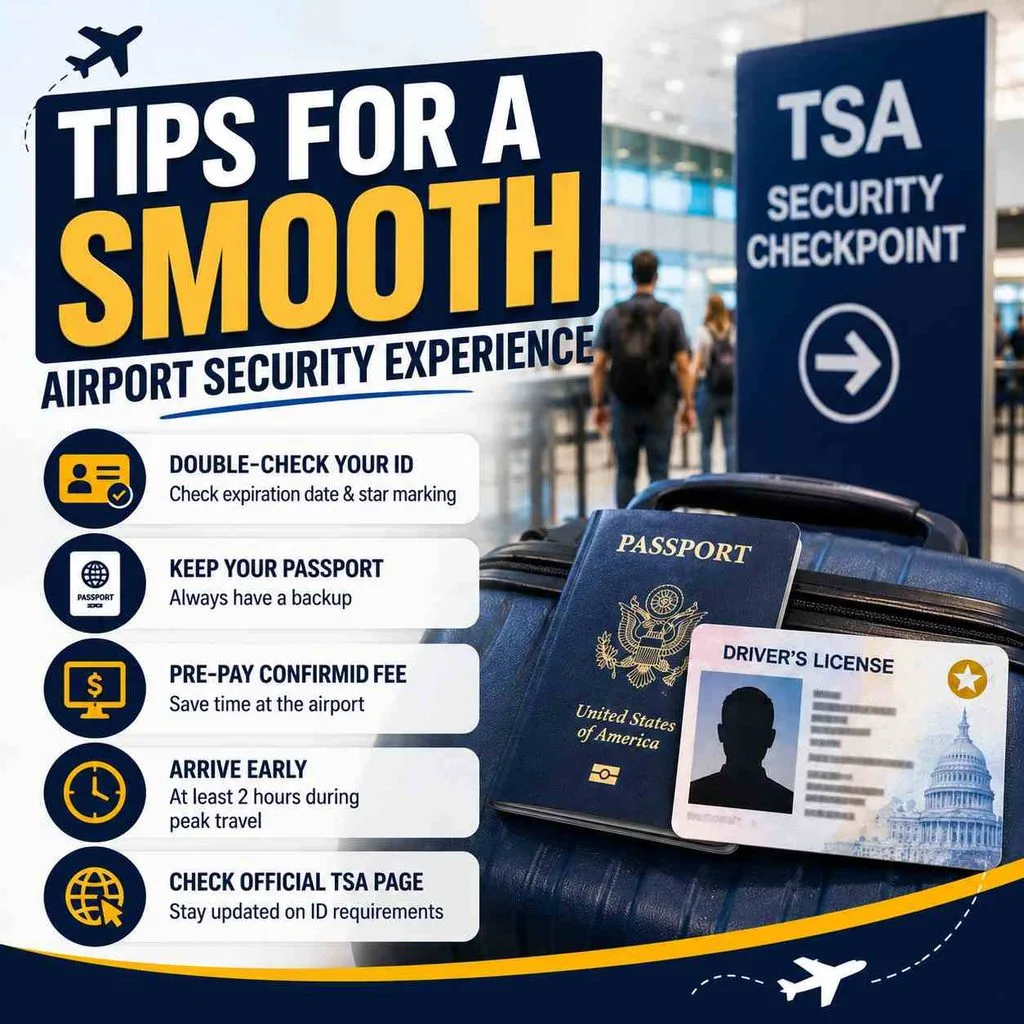
- Double-check your ID’s expiration date and star marking before leaving home
- Keep your passport as a backup, especially if you travel internationally or domestically
- Pre-pay the ConfirmID fee online if you know your ID isn’t compliant
- Arrive at least two hours early during peak travel periods, such as holidays
- Bookmark the official TSA identification for the most current requirements before you fly
These small steps matter whether you’re catching a red-eye for work or planning a scenic weekend escape like a soak at one of the country’s best natural hot springs destinations since a checkpoint delay can just as easily derail a relaxing getaway as a business trip.
Final Thoughts
The tsa real id requirements air travel policy is no longer a future warning it’s the current standard at every U.S. airport. The safest approach is simple: confirm your ID is REAL ID-compliant well before your trip, carry a passport as backup whenever possible, and pre-pay the ConfirmID fee if you know you’ll need it. A few minutes of preparation now can be the difference between breezing through security and missing your flight entirely.
For more official updates, visit the Department of Homeland Security’s REAL ID page, and for more travel planning tips from packing lists to relaxing hot springs getaways head over to CA Travel Times.
FAQ (TSA REAL ID Requirements Air Travel)
Is REAL ID required for flying?
Yes, every traveler aged 18 and older must present a REAL ID-compliant license or an accepted alternative document to board domestic flights within the United States.
Does TSA require a REAL ID, or can I use my passport instead?
TSA doesn’t require REAL ID specifically. A valid U.S. passport, passport card, or another approved document works equally well at any airport security checkpoint nationwide.
What ID does TSA require if my REAL ID is expired?
TSA accepts expired REAL IDs for up to two years past expiration. Beyond that period, you’ll need a valid document or the TSA ConfirmID verification process.
Is TSA requiring REAL ID at every airport equally?
Enforcement applies nationwide, but each airport’s Federal Security Director can adjust checkpoint procedures, including dedicated lanes, based on local passenger volume and staffing levels.
How much is the TSA ConfirmID fee?
The TSA ConfirmID fee costs $45, payable through Pay.gov, and remains valid for a 10-day travel window from your selected start date.