2 Days in Yosemite Itinerary: All Routes & Tips
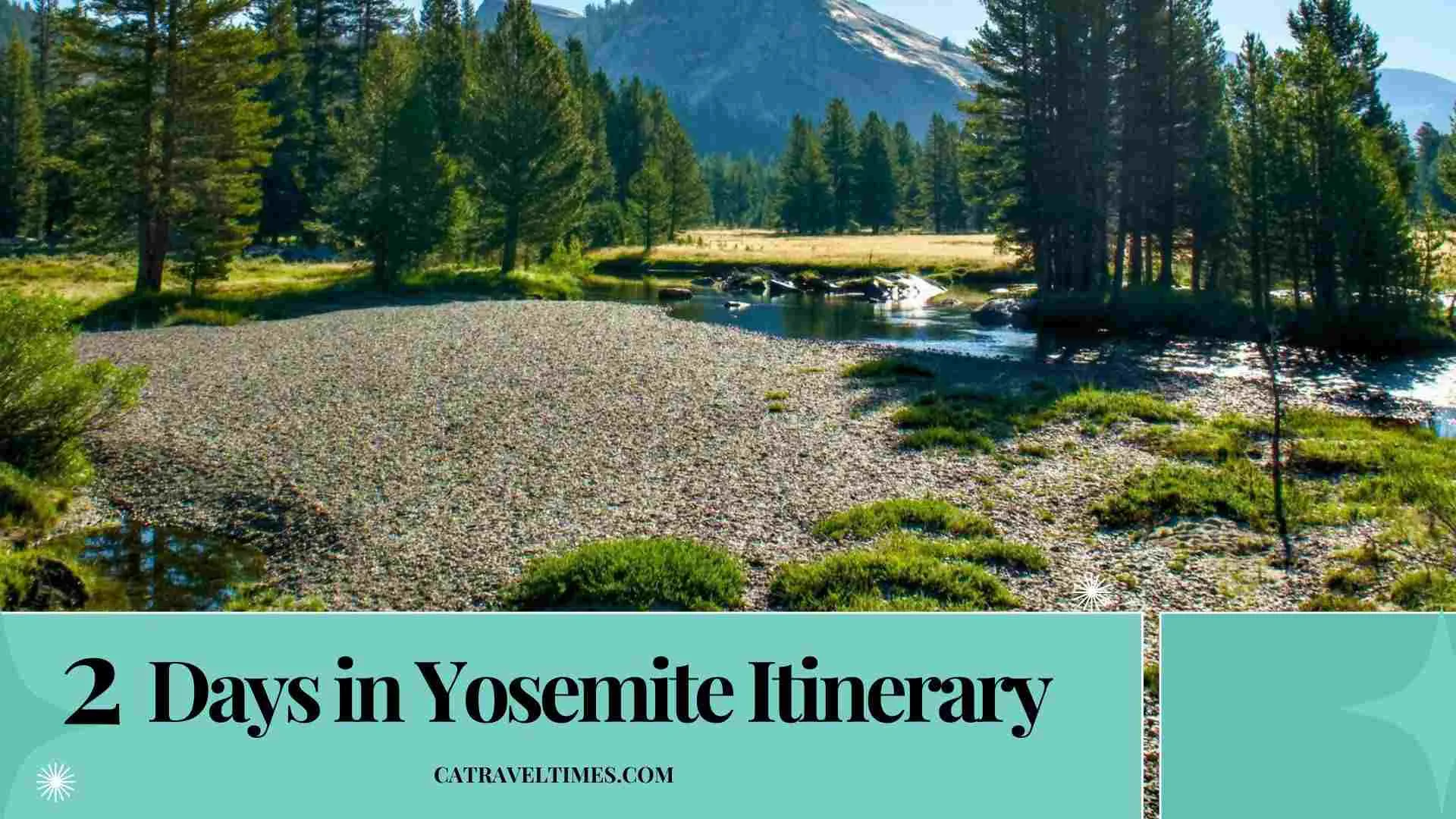
I still remember the exact moment I drove out of the Wawona Tunnel and Yosemite Valley opened up before me. El Capitan rising 3,000 feet on my left, Half Dome glowing in the morning light dead ahead, and Bridalveil Fall catching the sun like silver thread. I had to pull over. I literally had to stop the car and just breathe. If you are planning 2 days in Yosemite Itinerary, I want you to feel exactly that and this guide is going to make sure you do.
I’ve visited Yosemite multiple times across different seasons: summer mornings when the Merced River runs turquoise and cold, fall afternoons when golden oak leaves drift across the meadows, and hushed winter days when fresh snow blankets El Capitan’s base. Over at CA Travel Times, I’ve turned all of those visits into one honest, structured guide so you spend your two days experiencing the park not figuring out logistics.
Quick-Reference: What to Know Before You Go
Before diving into the day-by-day plan, here’s the essential information every visitor needs:
| Detail | Info |
| Entrance Fee | $35 per vehicle (valid 7 days) |
| America the Beautiful Pass | $80/year covers all national parks |
| Free Shuttle | Yosemite Valley Shuttle, 7 AM – 10 PM (peak season) |
| Best Entrance (year-round) | Highway 140 via El Portal (gentlest grade, stays open in winter) |
| Reservations | Required during peak summer hours (June 15–Aug 15, 6 AM–2 PM) via Recreation.gov ($2 booking fee) |
| Half Dome Permit | Separate lottery permit required plan months ahead |
| Cell Signal | Limited inside the park download offline maps before arrival |
Pro Tip from Vanessa: Book your in-park lodging as early as possible ideally 12 months in advance. A lodging reservation at The Ahwahnee or Curry Village doubles as your park entrance reservation during peak periods, which means no separate timed-entry booking needed.
Yosemite 2-Day Itinerary Map: How to Navigate the Park
The park is 1,169 square miles but most of your time will be in Yosemite Valley. Here’s a simple geographic breakdown to help you visualize the itinerary:
- Yosemite Valley (west/central): Tunnel View, Bridalveil Fall, Sentinel Bridge, Yosemite Village, Mirror Lake, Happy Isles (Mist Trail), Lower Yosemite Falls all within a few miles of each other.
- Glacier Point Road (south, above the valley): Glacier Point, Washburn Point, Taft Point, Sentinel Dome accessible via a 16-mile scenic road off Highway 41. Closed in winter.
- Mariposa Grove (far south): 35 miles from the valley via Highway 41. Allow 2+ hours round trip including the grove walk.
- Tioga Road (north/high country): Tenaya Lake, Tuolumne Meadows stunning in summer only. Closed fall through late spring.
Download the official Yosemite Valley map from the National Park Service before you leave home and save it offline on your phone. Cell coverage inside the park is unreliable at best.
The free Yosemite Valley Shuttle runs from 7 AM to 10 PM during peak season with stops at all major trailheads and lodges. On busy summer days, taking the shuttle instead of driving eliminates the frustration of circling full parking lots. The YARTS bus connects the park to surrounding towns year-round along Highway 140, a practical option if you are visiting without a car.
Where to Stay: My Honest Recommendations
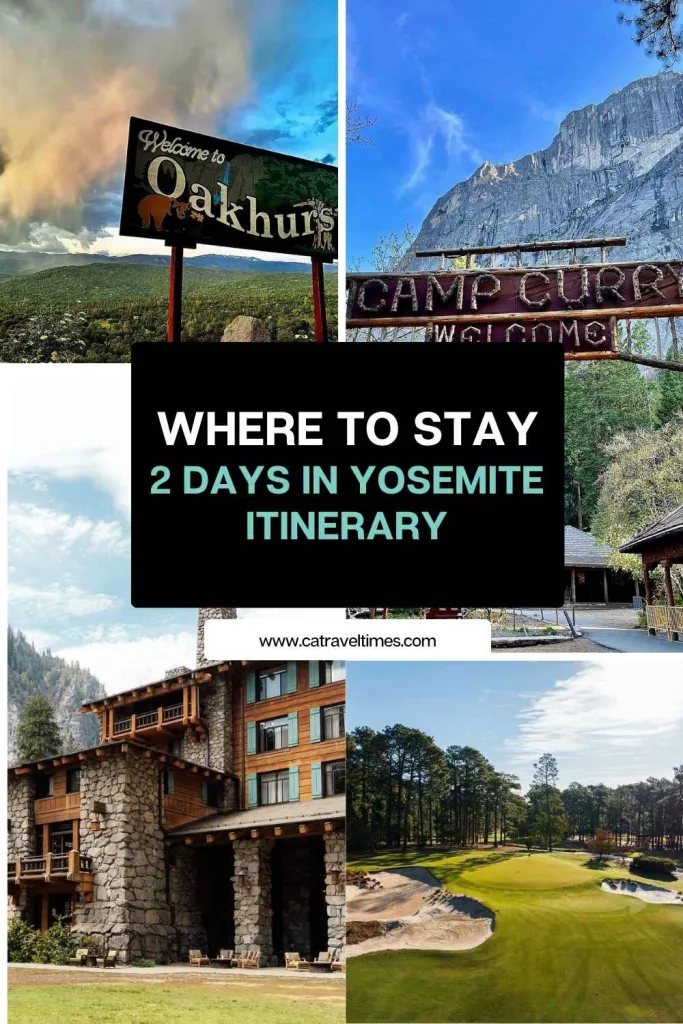
Inside the park is always my first choice. Nothing beats waking up in Yosemite Valley before the day crowds arrive. Curry Village (Half Dome Village) offers cabins and tent-cabins at mid-range prices. The Ahwahnee Hotel is a splurge worth every penny; its cathedral dining room alone is an experience. Both book up fast, so plan ahead via the official Yosemite lodging portal.
Outside the park, El Portal is the closest option only 2 miles from the Arch Rock Entrance. Oakhurst (16 miles from the south entrance) has the widest range of mid-range hotels and is great for families driving up from Southern California. Midpines, about 25 miles west along Highway 140, has excellent vacation rentals with fast valley access.
Day 1: Yosemite Valley, Glacier Point & Taft Point Sunset
Morning: Arrive Early — Tunnel View First
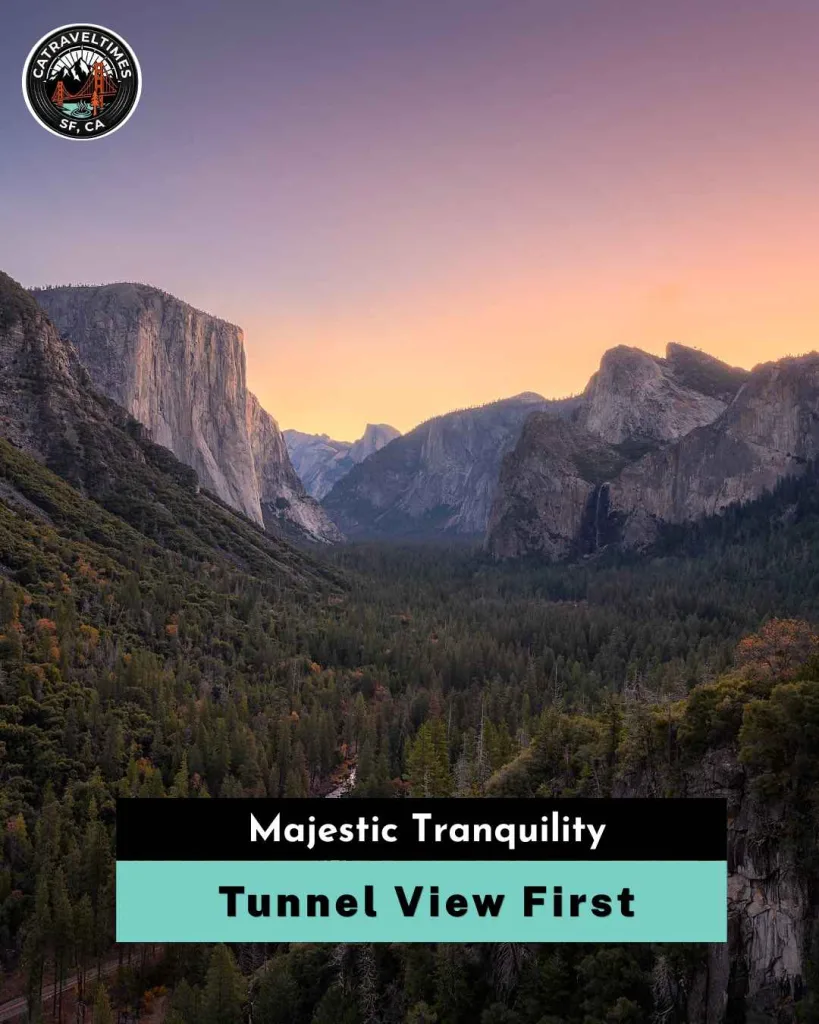
Arriving early is the single most important thing you can do on a 2 days in Yosemite itinerary. I target being through the Arch Rock Entrance no later than 7:30 AM. Before heading into the valley, pull into the Tunnel View overlook immediately east of the Wawona Tunnel.
This is the view of El Capitan, Half Dome, Bridalveil Fall, and the entire valley carved into one frame. Photographers know this spot at sunrise is incomparable. It takes 10 minutes to park and walk to the railing, but it sets the emotional tone for your entire trip.
Mid-Morning: Bridalveil Fall & Valley Floor Walk
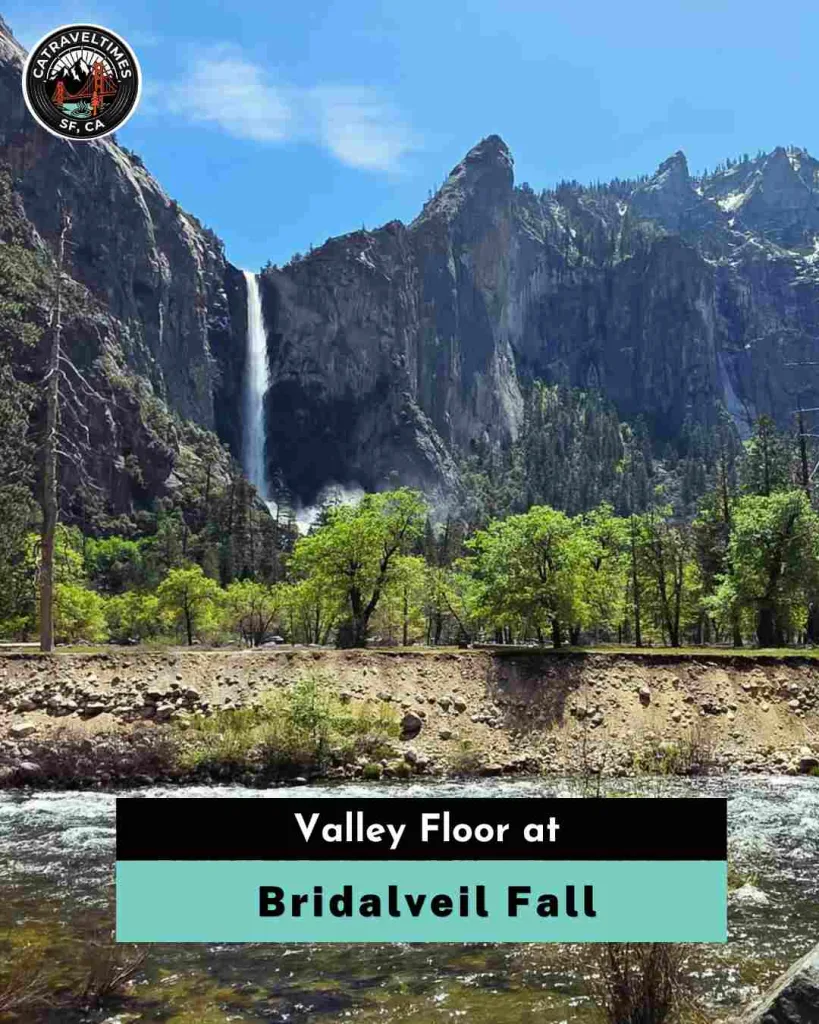
Bridalveil Fall is your first real walk of the day, an easy 1.2-mile round trip from the parking area. In spring and early summer, the fall is so powerful you’ll feel the mist 50 feet away. Wear a waterproof layer.
After Bridalveil, drive to the Sentinel Bridge near Yosemite Village for the classic reflection shot of Half Dome in the Merced River. This is one of the most photographed views in the park and takes almost no physical effort, perfect if you’re visiting with kids or older family members.
Late Morning: Yosemite Village & Valley Visitor Center
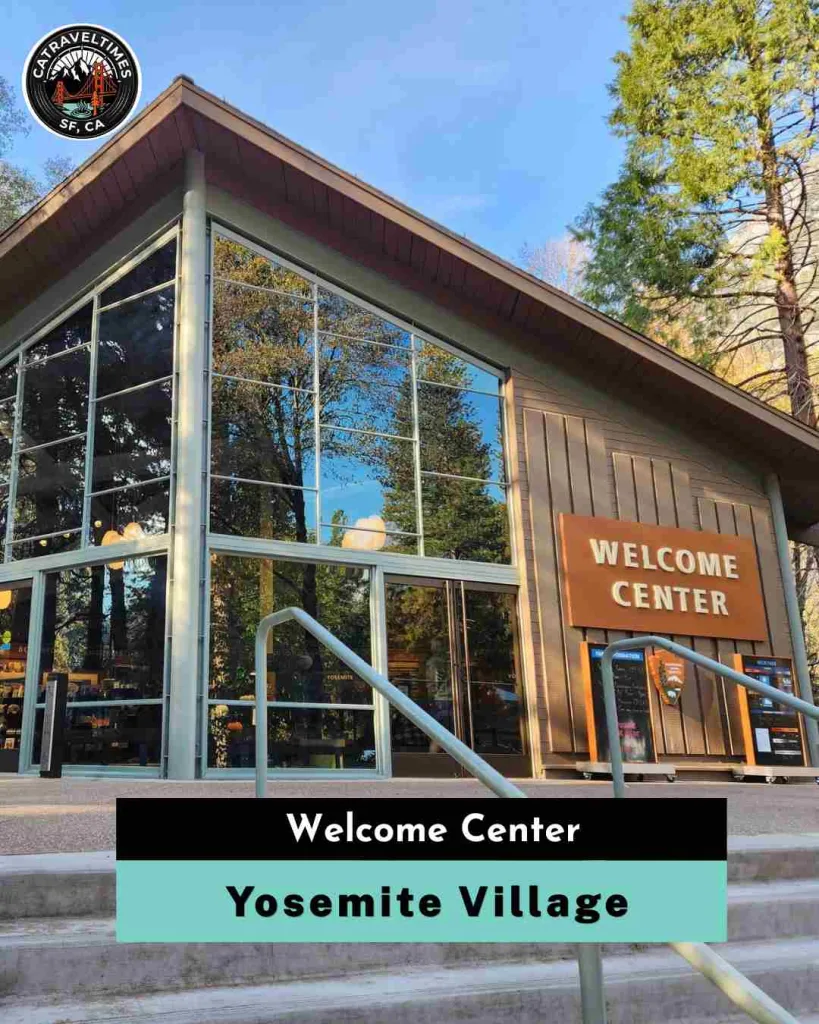
Stop at the Valley Visitor Center — this is genuinely worth your time, not just a tick-box. The 23-minute film Spirit of Yosemite gives real geological context to everything you’ll see that day. Rangers post current trail conditions here, which matters especially in winter or early spring when certain routes may be icy or closed.
Right next door is the Ansel Adams Gallery, free to enter, where you can see prints of the photographs that made this valley world-famous. Then grab lunch at Degnan’s Kitchen in Yosemite Village hot sandwiches and local root beer on tap. It’s casual, fast, and filling.
Afternoon: Glacier Point — The Best View in the Park
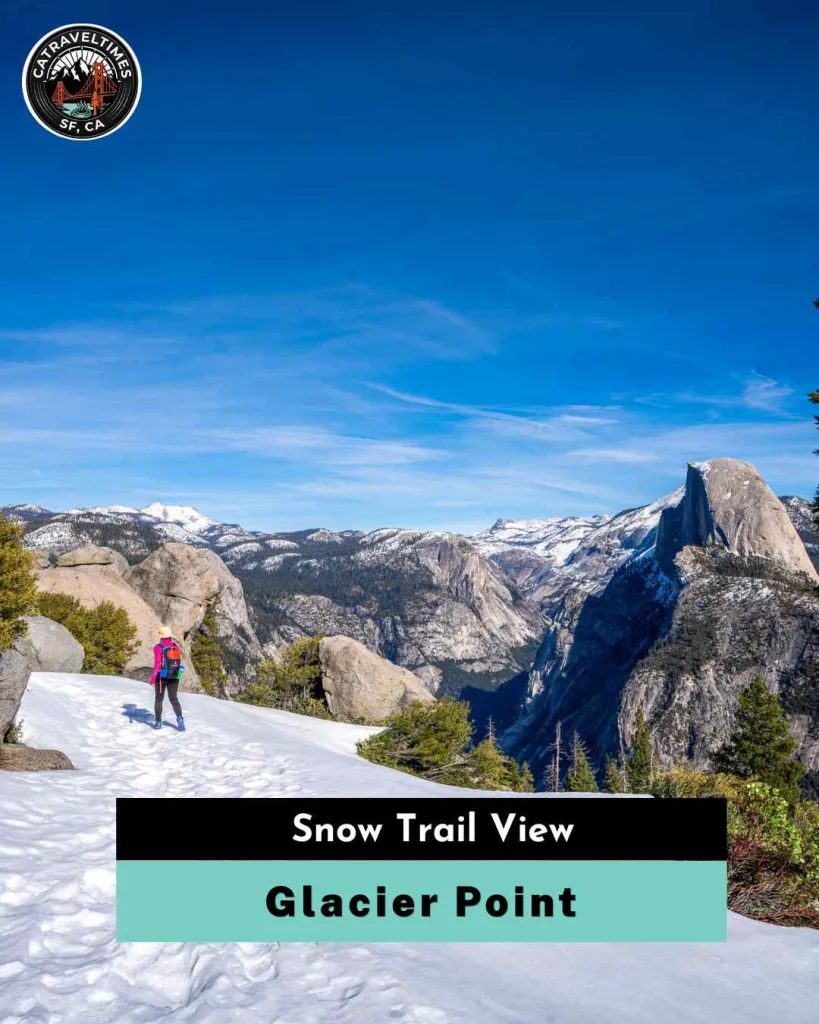
After lunch, drive the 16-mile Glacier Point Road up to Glacier Point. Note: this road is closed in winter (typically November through late May), so winter visitors should skip to the alternative section below. The drive itself winds through pine forest with occasional pull-outs that keep getting better.
At Glacier Point, you stand 3,200 feet directly above Yosemite Valley. Half Dome is at eye level. Below you, you can trace the exact route of the Mist Trail to Vernal and Nevada Falls. I’ve stood at Glacier Point four times and it still drops my jaw every single visit.
On the way back from Glacier Point, stop at Washburn Point, a lesser-visited overlook just 1 mile before Glacier Point on the same road. The angle on Half Dome from here is completely different and far less crowded than the main overlook.
Evening: Taft Point Sunset
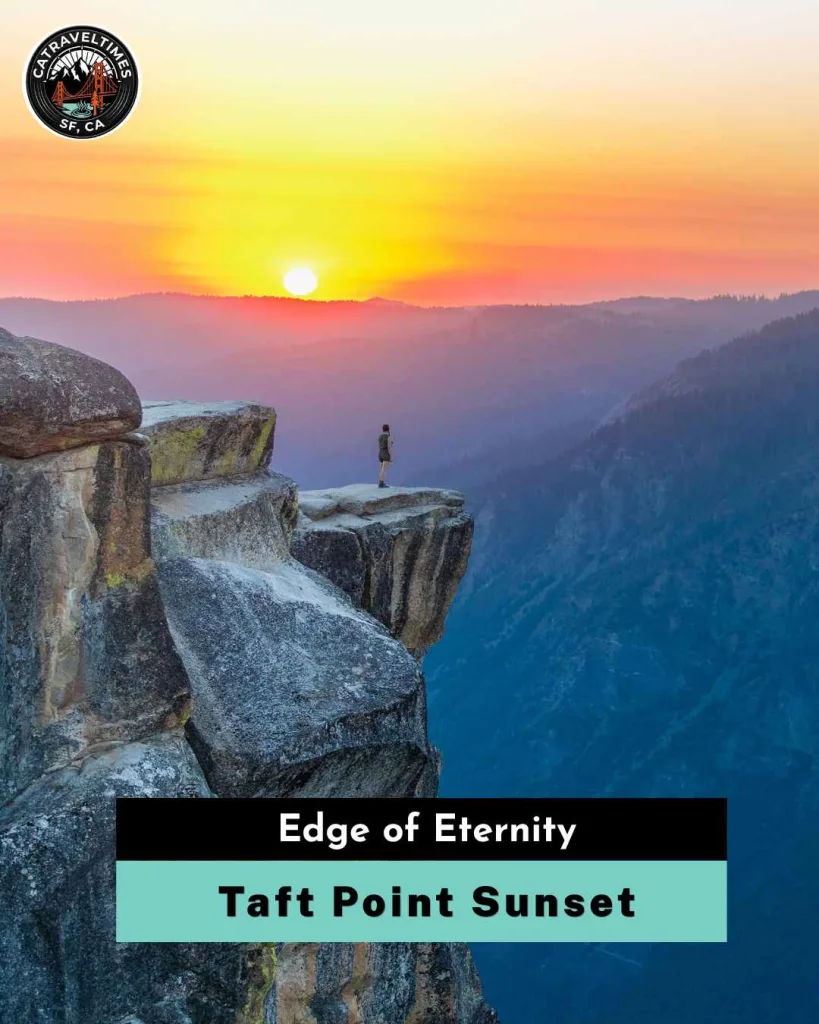
Taft Point is my single favorite place in Yosemite for a sunset, and I will defend that opinion firmly. The trailhead is in the same parking lot as Sentinel Dome on Glacier Point Road. It’s a 2.2-mile round-trip hike with only 200 feet of elevation change very manageable. The trail weaves through a quiet forest, then suddenly opens onto a cliff edge towering over the valley with no guardrail and a straight drop of over 2,000 feet. The view of El Capitan, Yosemite Valley, and the fading sky is extraordinary. Bring a headlamp you will want to stay until after dark.
Day 1: Views, Waterfalls & Sunset
- 7:30 AM — Tunnel View
- 8:15 AM — Bridalveil Fall & Valley Floor
- 10:00 AM — Sentinel Bridge reflection shot
- 10:45 AM — Valley Visitor Center + Ansel Adams Gallery
- 12:30 PM — Lunch at Degnan’s Kitchen
- 1:30 PM — Glacier Point Road (Washburn Point + Glacier Point)
- 5:00 PM — Taft Point sunset hike
Day 2: The Mist Trail, Mariposa Grove & Mirror Lake
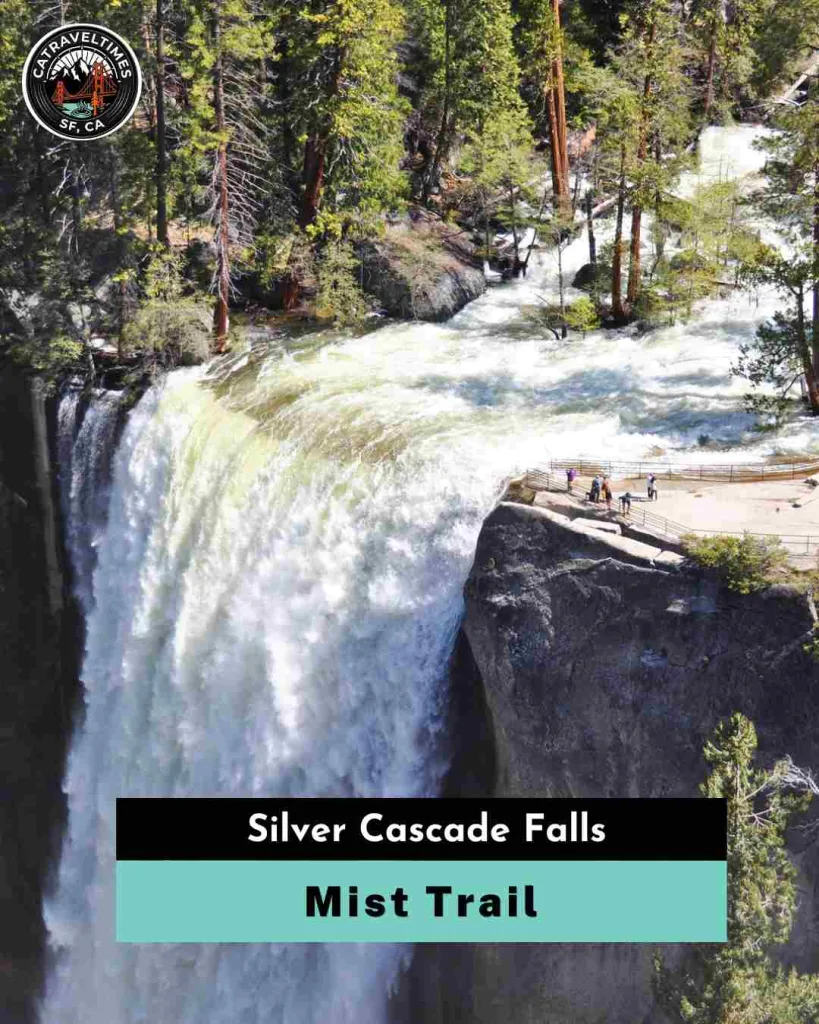
Early Morning: The Mist Trail to Vernal & Nevada Falls
Wake up early for Day 2. This is the most important advice I can give you. The Mist Trail is Yosemite’s signature hike, and by 10 AM the trail is packed. Start from Happy Isles (Shuttle Stop 16) no later than 7:30 AM.
The trail to the top of Vernal Fall is 2.4 miles round trip with 1,000 feet of elevation gain and more than 600 wet, granite steps. You will get misted. You may get soaked. Bring a light waterproof layer and grippy shoes. The steps are genuinely slippery, especially with kids.
If your legs and your schedule allow it, continue beyond Vernal Fall to Nevada Fall. This extends the hike to 5.4 miles round trip with 2,000 feet of total gain. The views of Liberty Cap and the valley below Nevada Fall’s 594-foot drop are worth every step. If you started early, you’ll be back at the valley floor by noon.
Midday: Mariposa Grove of Giant Sequoias
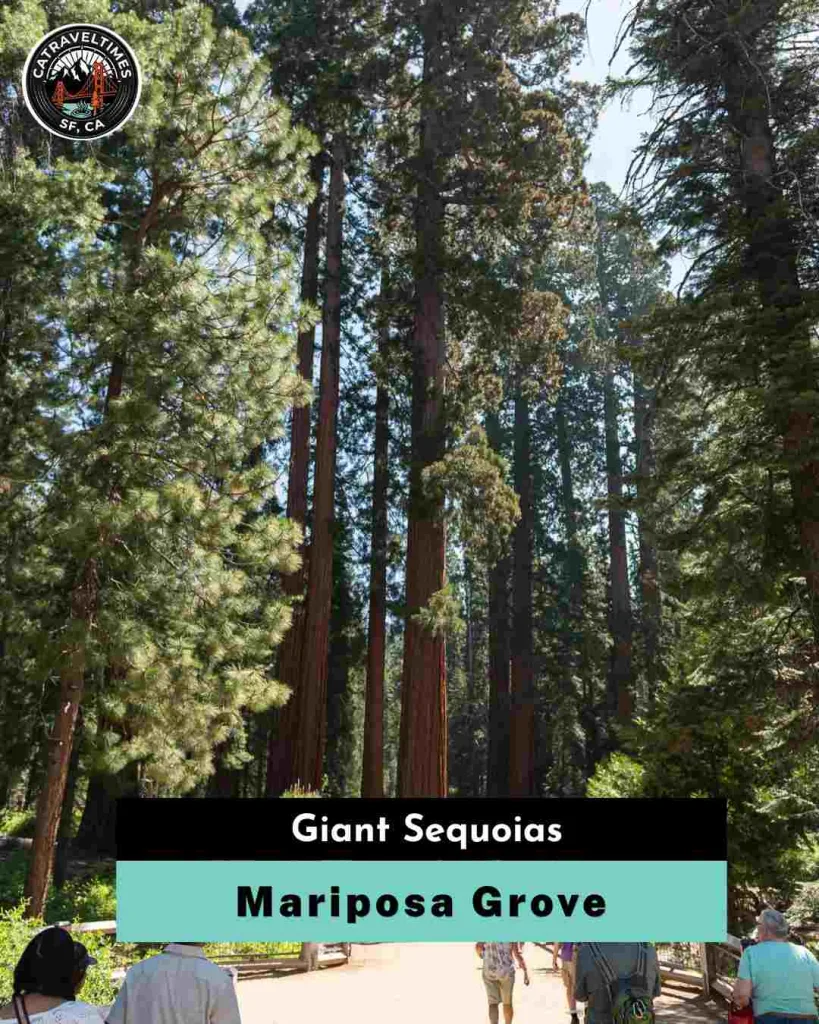
Drive approximately 35 miles south to Mariposa Grove, the largest giant sequoia grove in Yosemite. Allow about an hour each way. The Grizzly Giant Loop Trail is 2 miles round trip and takes you past the Grizzly Giant, a sequoia approximately 2,400 years old and 96 feet in circumference.
For families with young children or anyone wanting a flat, accessible option, the Big Trees Loop Trail is fully paved and wheelchair accessible. This is consistently one of the highlights for visitors bringing kids the scale of these trees genuinely stops adults and children alike in their tracks. According to the National Park Service, the grove contains over 500 mature giant sequoias.
Afternoon: Mirror Lake Loop
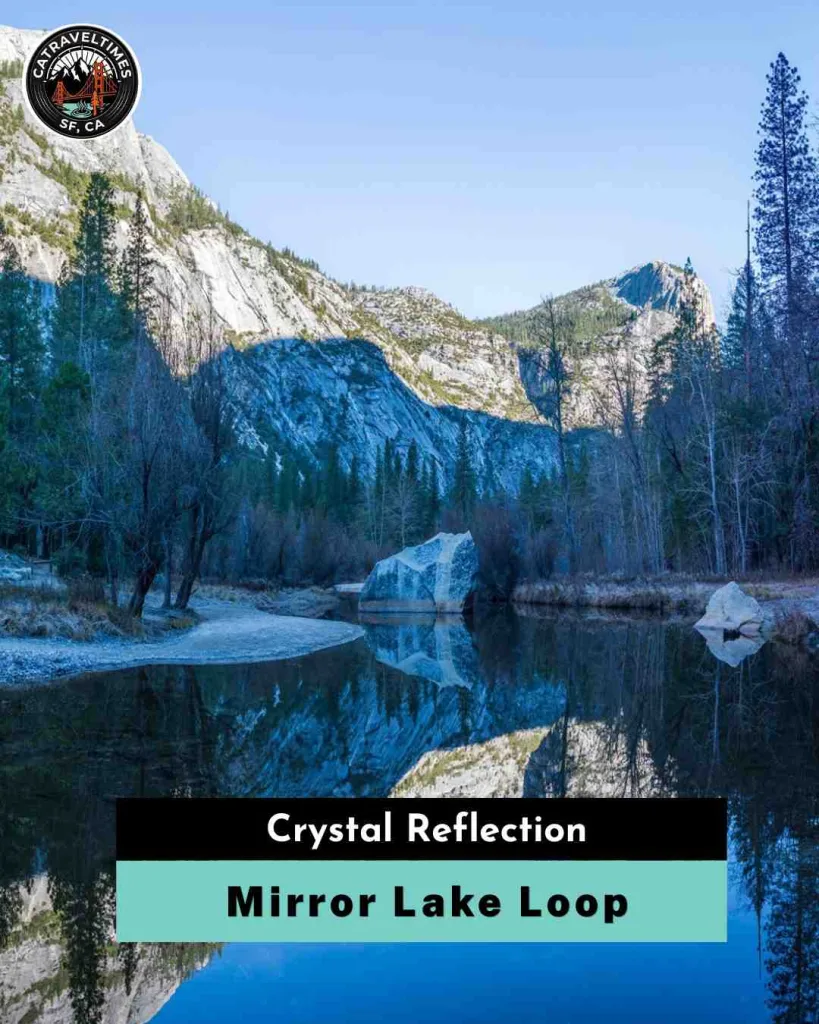
Back in the valley, head to Mirror Lake via Shuttle Stop 17. In spring and early summer, the lake mirrors Half Dome’s reflection on still mornings in a way that looks almost too beautiful to be real. The loop trail is 5 miles around the lake, or 2 miles to the lake and back. By mid-afternoon the light comes at a low, warm angle that makes photography here exceptional. This is an easy, flat walk, one of the best activities on a 2 Days in Yosemite Itinerary trip for families traveling with young children, as there’s no significant elevation change.
Late Afternoon: Yosemite Falls Trail
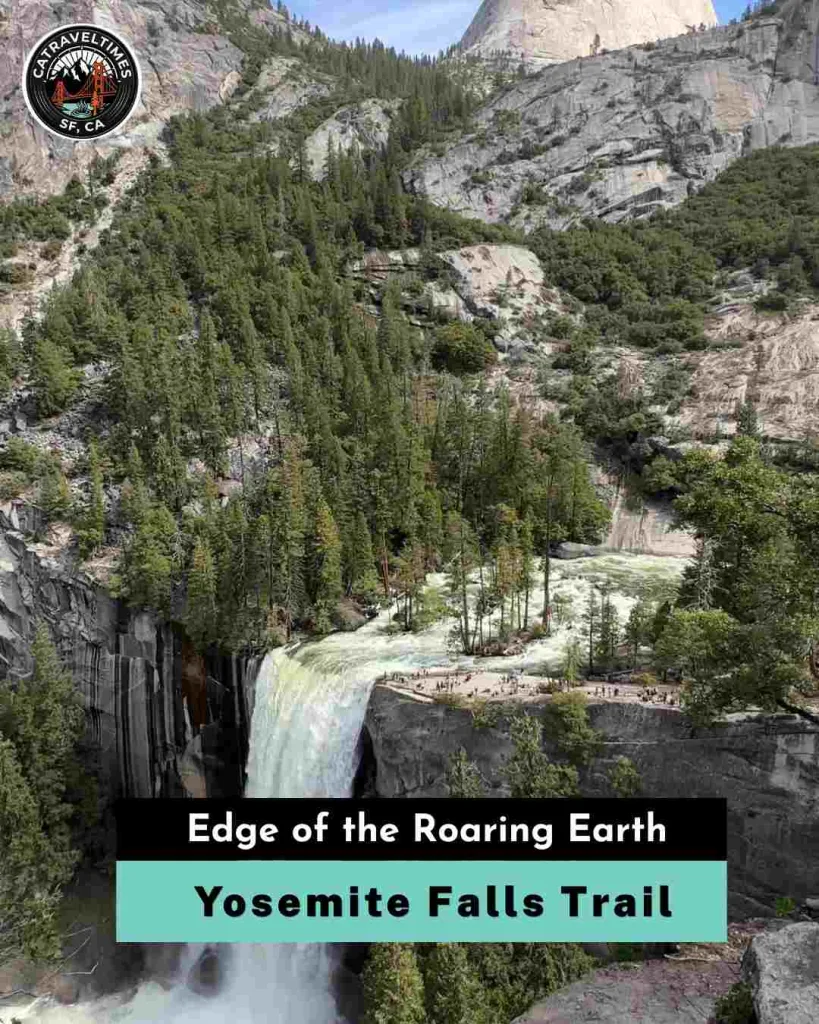
If your legs still have something left (mine usually do after a coffee from the Village), head to the Lower Yosemite Falls Trail, a 1-mile paved loop that takes you to the base of what is, at over 2,400 feet total, the tallest waterfall in North America. The roar at the base is genuinely physical; you feel it in your chest. The trail is flat, fully paved, and pet-friendly. In summer, the upper falls may slow to a trickle by August. In spring and early summer, the power is unreal. Check the National Park Service’s current conditions page before you go to confirm flow status.
Evening: Dinner at The Ahwahnee or Basecamp Eatery
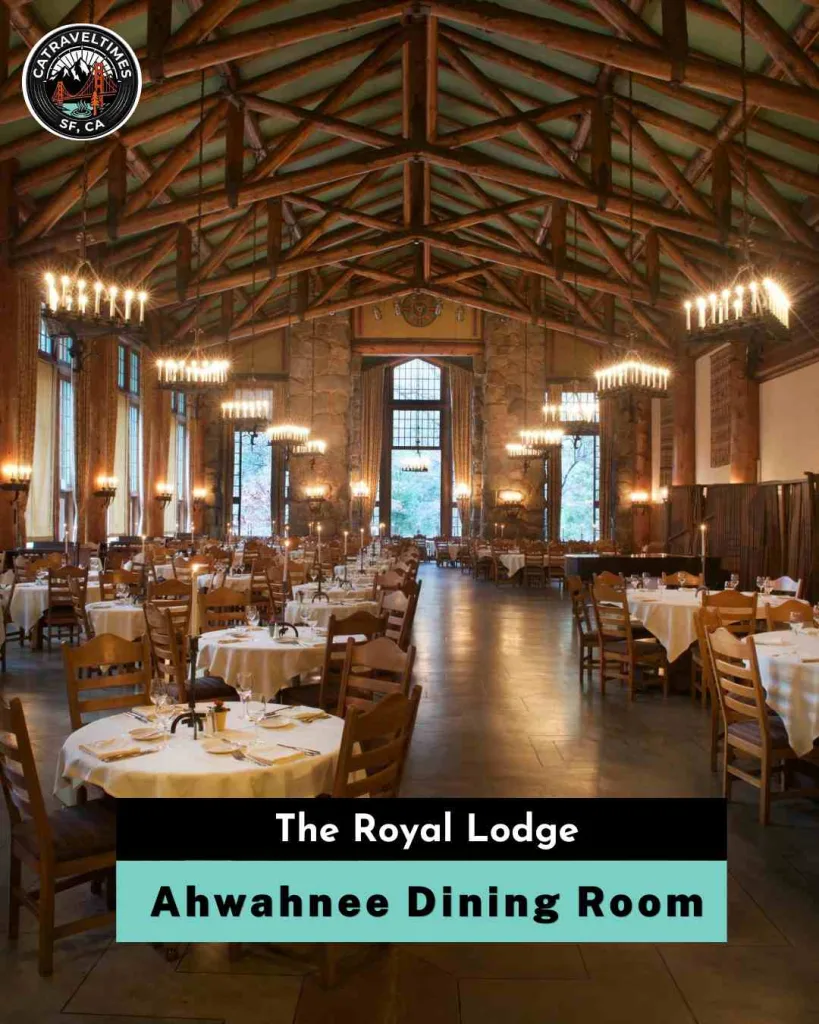
End your second day properly. The Ahwahnee Dining Room is a once-in-a-trip experience towering stone walls, chandeliers, and windows that frame the meadow and cliffs. Reservations are essential and fill quickly. For something more casual, Basecamp Eatery at Half Dome Village serves globally-inspired food in a relaxed setting. If the sky is clear on your last night, the meadows near Yosemite Village offer extraordinary Milky Way views during new moon periods. Bring a blanket and your camera.
Day 2 At a Glance:
- 7:00 AM — Mist Trail departure from Happy Isles
- 12:00 PM — Return to valley, drive to Mariposa Grove
- 1:30 PM — Mariposa Grove (Grizzly Giant Loop)
- 3:00 PM — Return to valley
- 3:30 PM — Mirror Lake Loop
- 5:00 PM — Lower Yosemite Falls Trail
- 7:00 PM — Dinner at The Ahwahnee or Basecamp Eatery
Season-by-Season Guide: When to Visit & What Changes
One of the most common questions I get is whether a specific season changes this itinerary significantly. The answer is yes — here’s exactly how.
| Season | Best For | Key Highlights | What to Watch Out For |
| Spring (Mar–May) | Waterfalls at peak flow | Yosemite Falls, Bridalveil, Vernal & Nevada Falls roaring at full force; vivid green meadows; wildflowers from late April | Glacier Point Road closed until late May; Mist Trail steps are wet and slippery — wear waterproof layers |
| Summer (Jun–Aug) | High-country access & full park experience | Tioga Road opens to Tenaya Lake & Tuolumne Meadows; white-sand beach swimming; all trails and roads accessible | Peak crowds; mandatory entrance reservations (6 AM–2 PM, June 15–Aug 15) required via Recreation.gov ($2 fee) |
| Fall (Sep–Nov) | Fewer crowds & golden photography light | Oak and dogwood trees turn gold and rust; low-angled warm light ideal for photography; Glacier Point open through October; bike rentals from Curry Village on valley’s 12-mile path | Waterfalls slow significantly by September and October |
| Winter (Dec–Feb) | Solitude & snow scenery | Snow-draped El Capitan and Half Dome; snowshoe rentals at Curry Village; Valley View pull-out for snowy Merced River views; Firefall (Horsetail Fall glows like fire ~3rd week of February on clear evenings) | Glacier Point Road and Tioga Road both closed; chains or AWD often required — check Caltrans before driving |
Vanessa’s Pick: If you can only choose one season, go in late April or early May. You get the waterfalls at full roar, the meadows at their greenest, manageable crowds before summer hits, and Glacier Point Road just starting to reopen. It is Yosemite at its most alive.
Yosemite with Kids: How to Adjust This Itinerary
Traveling with children changes the pace, not the destination. Yosemite is exceptionally family-friendly when you plan around shorter distances and built-in rest time. Here’s how I’d adjust for families:
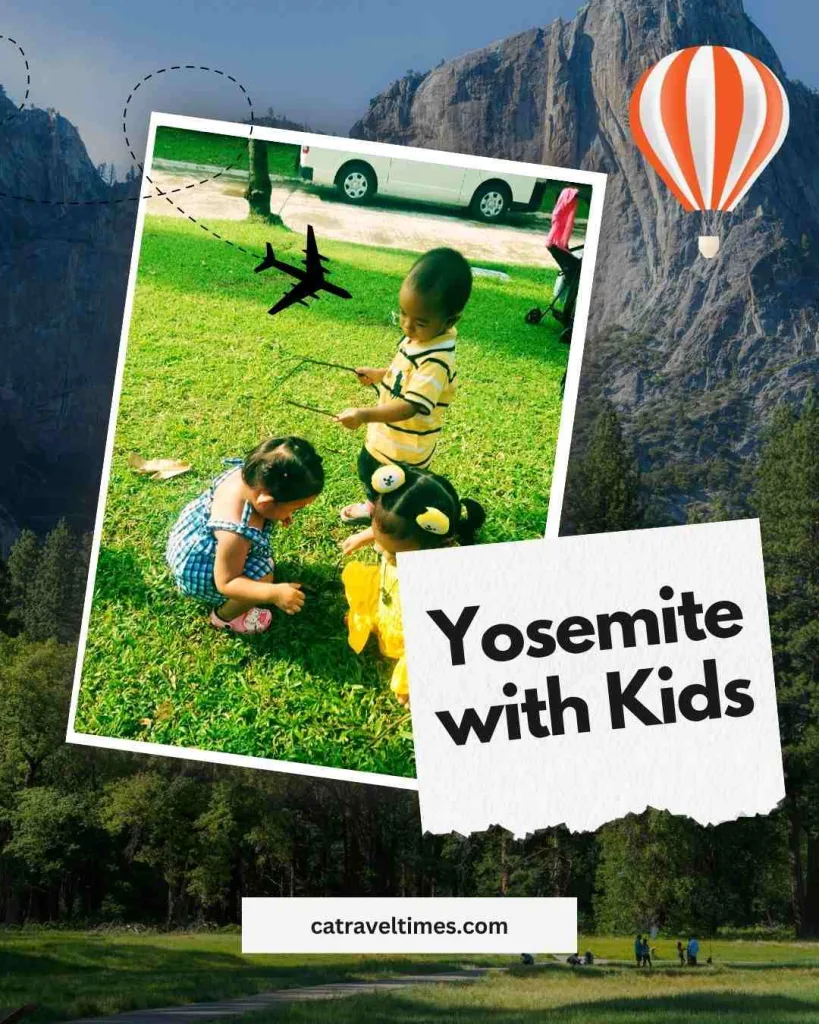
- Replace the Mist Trail (steep and wet steps are difficult for young kids) with the Valley Loop Trail — a 6.5-mile flat loop through meadows, past Yosemite Falls, and along the Merced River. Sections of it are paved.
- Lower Yosemite Falls Trail (1 mile, flat, paved) is ideal for toddlers and strollers.
- Mariposa Grove’s Big Trees Loop is fully paved and accessible. Kids absolutely love the scale of the sequoias.
- The Valley Floor Tram Tour (2 hours, open-air) covers all the major sights without hiking, perfect if you have very young children or grandparents in the group.
- The Junior Ranger Program (pick up a booklet at the Visitor Center) keeps older kids engaged and invested in what they’re seeing. Completing it earns them an official badge my niece still wears hers.
- Carry more water than you think you’ll need, and pack high-calorie snacks. Waiting in food lines with hungry children inside a national park is an experience no parent needs.
For in-depth coverage of California’s national parks with children, the National Parks destination guide on CA Travel Times covers seasonal access, family tips, and logistics across multiple parks.
Practical Tips That Will Save Your Trip
These are the small details that make the difference between a great trip and a frustrating one:
- Start every day before 8 AM. Parking fills by 9 AM at most major trailheads in summer. The park is quieter, cooler, and more photogenic in the early morning anyway.
- Entrance fees: $35 per vehicle (valid 7 days). The America the Beautiful Annual Pass ($80) covers all U.S. national parks and pays for itself in just a few visits.
- Wear layers. Valley temperatures can swing 30°F between morning and afternoon. Even in summer, mornings at 4,000 feet elevation can be cold.
- Pack lunch. Restaurant lines inside the park are long during peak hours. A packed lunch gives you the flexibility to eat at a viewpoint on your own schedule.
- Wildlife: Bears are common in Yosemite. Never leave food in your car, even overnight. The park provides bear boxes at campgrounds. Deer are extremely habituated to humans and do not feed them.
- Photography: The golden hour before sunset at Taft Point and Tunnel View are the two best photography opportunities in the park. For Half Dome reflections, Sentinel Bridge just after sunrise is the shot.
- Permits: The Half Dome cable route requires a permit obtained through a lottery system to apply months in advance at Recreation.gov if this is a goal. This itinerary does not include Half Dome because the permit logistics deserve their own dedicated planning session.
Final Thoughts: Is 2 Days Enough for Yosemite?
Two days is enough to experience Yosemite’s most iconic landscapes but the park will pull at you the moment you start planning your drive home. By the end of Day 2, you’ll understand exactly why rangers who’ve spent their careers there still call it one of the most extraordinary places on earth. For a deeper dive into Yosemite’s trails, seasonal conditions, and permit logistics including the full Yosemite National Park guide explore the resources in the CA Travel Times National Parks section.
Two days in Yosemite done right is not a compromise. It’s a foundation and for most people, it’s the beginning of a much longer relationship with this park.