Yosemite National Park: Everything You Need to Know (Updated Guide 2026)
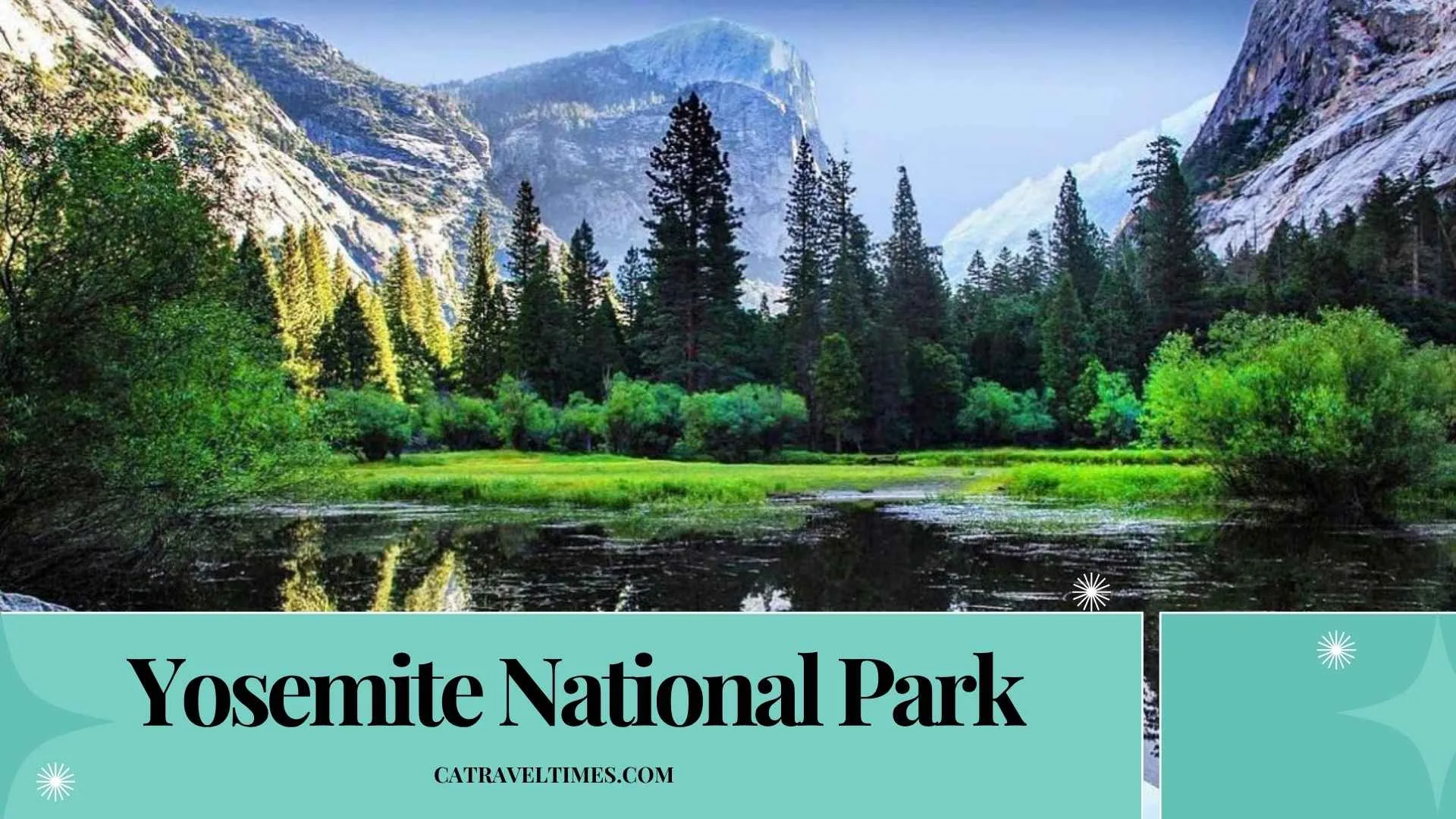
My first time driving through the Wawona Tunnel, I had no idea what was waiting on the other side. Then the darkness ended — and there it was. El Capitan. Half Dome. Bridalveil Fall. All of it, right in front of me, at once. I pulled over and just sat there. That’s Yosemite. It doesn’t ease you in. It just hits.
I’m Vanessa — a San Diego native, lifelong California traveler, and the researcher behind CA Travel Times. I spent years helping other people plan their California trips before I finally made it here myself. Since that first drive through the tunnel, I’ve come back every season. I’ve hiked the early morning trails, camped under the stars in Tuolumne, witnessed the February Firefall, and stayed at the historic Ahwahnee. This guide is everything I wish I’d had before that first visit — written from real experience, not a checklist.
Quick Facts About Yosemite National Park
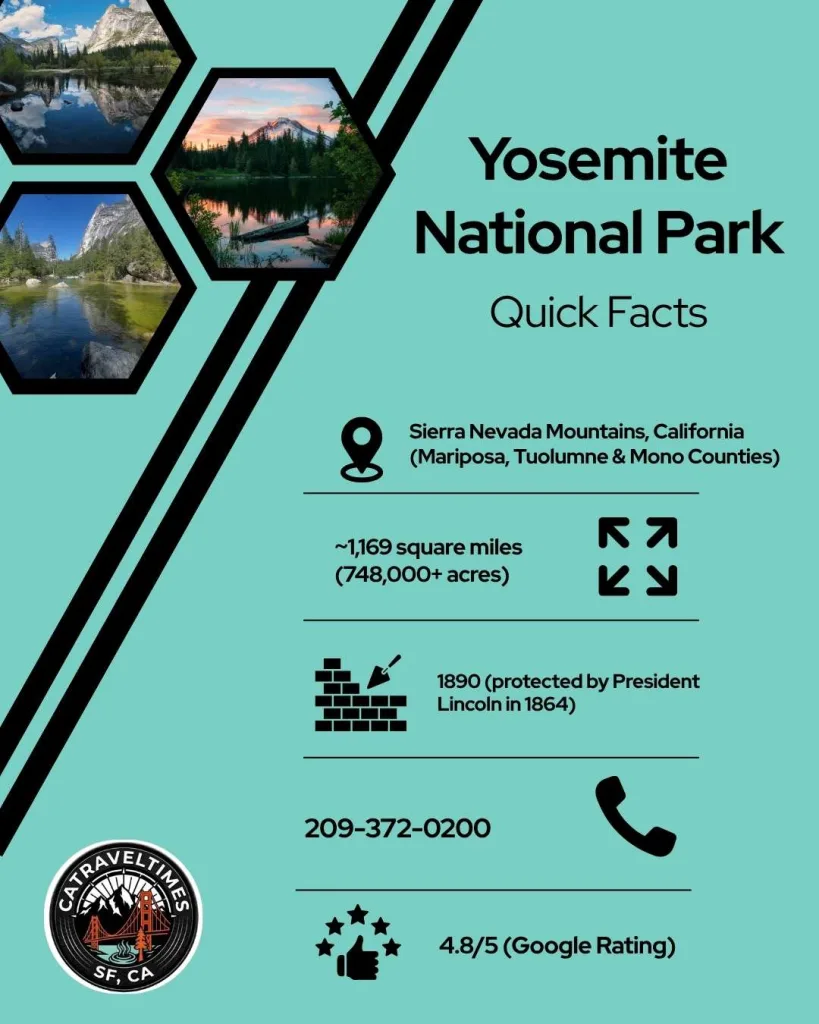
Yosemite National Park sits in the Sierra Nevada Mountains of California, spanning roughly 1,169 square miles across Mariposa, Tuolumne, and Mono Counties. The park was established in 1890 (though President Lincoln set aside the land for protection as far back as 1864), and it welcomes over 4 million visitors every year. Elevations range from about 2,000 feet on the Valley floor up to 13,000 feet in the high country — which matters a lot when you’re packing and planning.
Yosemite National Park Map: Directions to Every Key Area
Understanding the park’s layout before you arrive will save you hours of confusion — and I say that from hard-earned experience. On my first trip, I genuinely had no idea there were distinct districts, and I wasted nearly two hours backtracking between the Valley and Wawona because I hadn’t looked at a map beforehand. Learn from my mistake.
Yosemite is divided into several distinct districts:
- Yosemite Valley — The main hub. Home to most waterfalls, trailheads, visitor centers, and all Valley lodges. Only 2.25 square miles of the total park, but receives the lion’s share of visitors.
- Wawona — The southern district, about an hour from the Valley. Gateway to Mariposa Grove and the historic Wawona Hotel.
- Tuolumne Meadows — High-country district accessed via Tioga Road. Open summer only. Best for subalpine hiking and backcountry access.
- Hetch Hetchy — The park’s northwest corner, far less visited. Features a reservoir, granite walls, and excellent spring wildflowers with minimal crowds.
- El Portal — Not officially in the park, but the nearest gateway town on Highway 140. Good budget lodging option.
Download the NPS official Yosemite National Park map before your trip, and save an offline version on your phone. Cell service inside the park is extremely limited, especially on Tioga Road. And trust me, you do not want to be squinting at a paper brochure map in the dark at a trail fork. Once you’ve sorted out where you’re going, the next thing to lock in is how much entry is going to cost you.
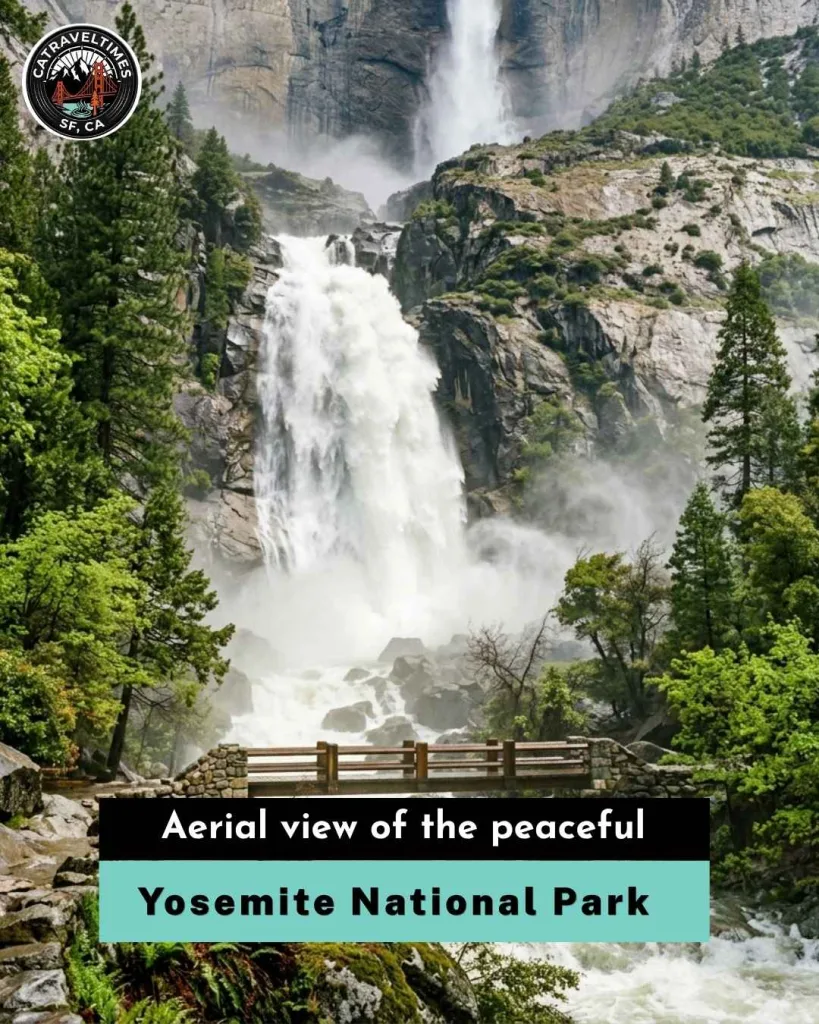
Yosemite National Park Photos: See Yosemite Before You Go
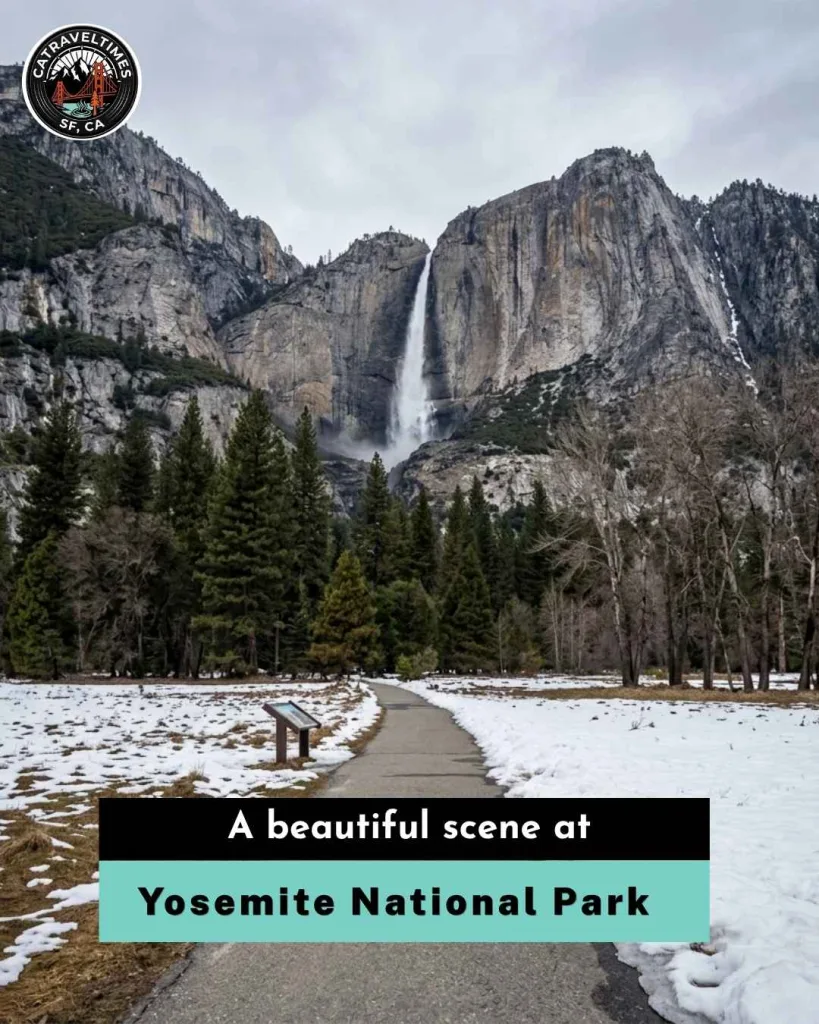
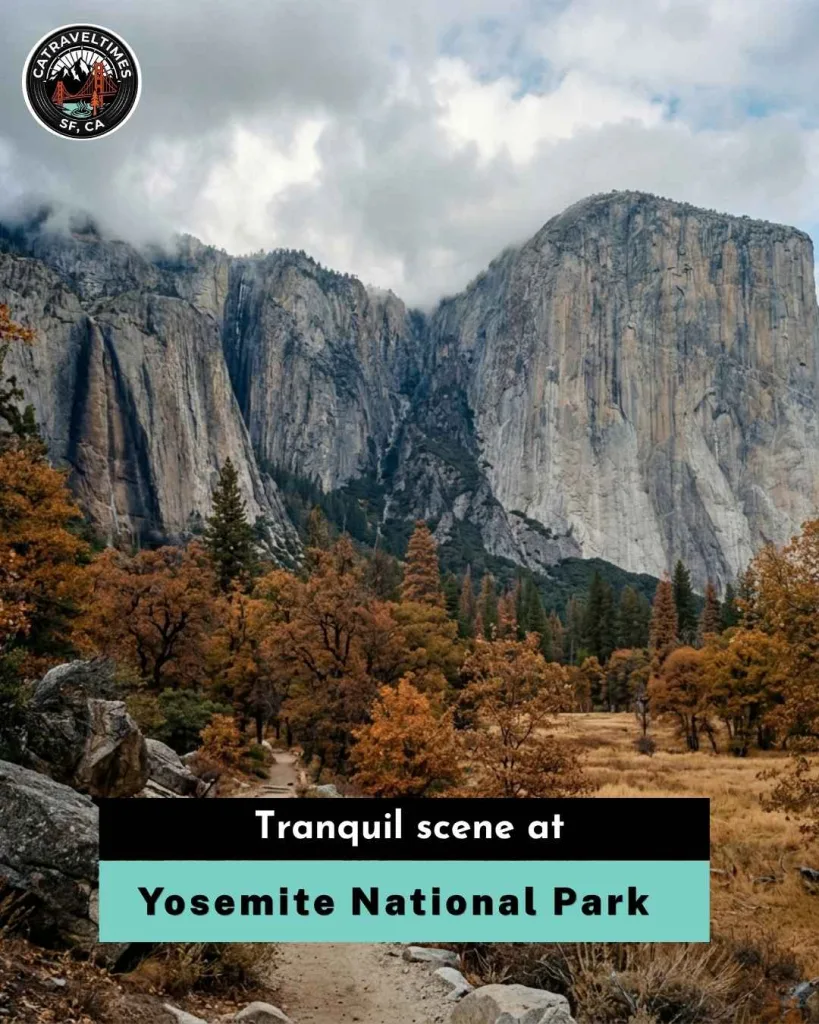
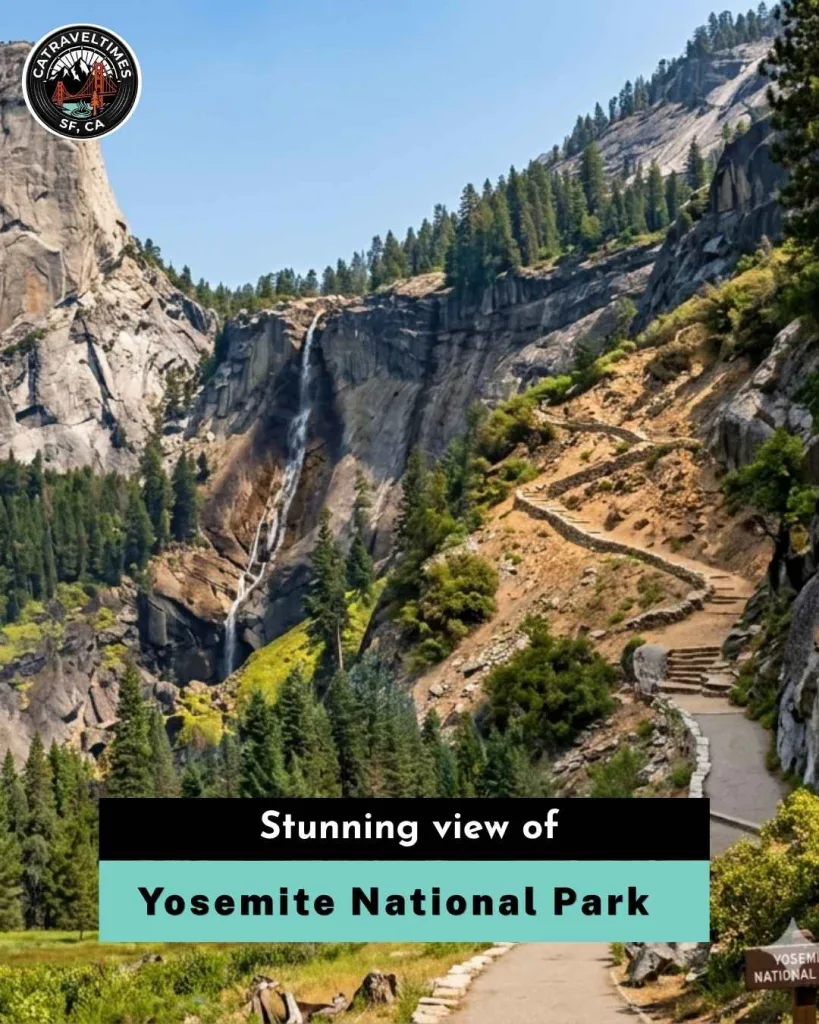
Yosemite is one of the most photographed places on the planet — and still, no image ever really captures it. The scale of El Capitan, the mirror-still reflection of Half Dome at Mirror Lake in April, the way Bridalveil Fall catches the afternoon wind and fans out like a silver veil. You’ll want your camera ready from the moment you enter.
When Is the Best Time to Visit Yosemite National Park?
The honest answer? The best time to visit Yosemite is spring (March–May) — waterfalls are roaring, crowds are light, and the weather is perfect. Fall (September–November) is a close second, with golden foliage and cool temperatures. Summer brings full park access but heavy crowds. Winter is quiet and magical, though roads close and temperatures drop hard. Here’s what I’ve experienced personally, season by season:
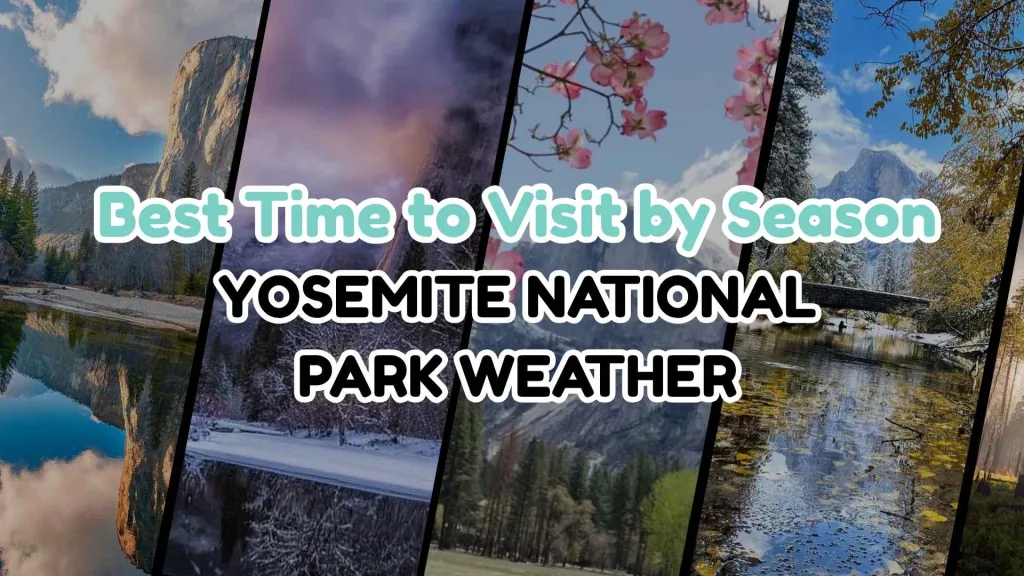
| Season | Temps (Valley) | Crowds | Waterfalls | Roads |
| Spring (Mar–May) | 55°F–70°F | Low–Moderate | Peak flow | Valley open; high roads closed early |
| Summer (Jun–Aug) | 75°F–100°F | Very High | Tapering | Fully open |
| Fall (Sep–Nov) | 50°F–75°F | Moderate–Low | Low | Tioga closes by Nov |
| Winter (Dec–Feb) | 26°F–48°F | Very Low | Frozen/minimal | Tioga & Glacier Pt closed |
Winter also happens to be when Mariposa Grove draped in fresh snow becomes one of the most surreal, under-photographed scenes in the entire park which brings me perfectly to what you should actually do when you’re there. Check out our complete Yosemite in Winter — it covers everything.
Yosemite National Park Tickets & Entry Fees (2026)
Entry fees are required every time you visit no exceptions. Here is the current Yosemite National Park tickets breakdown for 2026, which includes an important update for international visitors:
| Pass Type | Cost | Valid For |
| Private Vehicle (US residents) | $35 per vehicle | 7 consecutive days |
| Motorcycle (US residents) | $30 | 7 consecutive days |
| Individual walk-in/bike (US residents) | $20 per person | 7 consecutive days |
| Non-Resident / International (ages 16+) | $100 per person | 7 consecutive days |
| America the Beautiful Annual Pass | $250 per vehicle | 12 months, all national parks |
| Non-Resident America the Beautiful Pass | $250 per vehicle + 3 passengers | 12 months |
The big 2026 update: entrance reservations are NOT required this year. The timed vehicle reservation system in place from 2020 through 2025 has been suspended for 2026. This means you can drive in without booking a slot but park staff and conservation groups are warning of potentially severe summer congestion, especially on holiday weekends.
My advice: arrive before 8 a.m. during peak season (June through August) to secure parking in Yosemite Valley before lots fill. Digital passes can now be pre-purchased at recreation.gov for faster entry.
Of course, getting through the gate is only the beginning. Where you sleep once you’re inside is a whole other mission, one you need to plan well in advance.
Yosemite National Park Reservations: Camping, Lodging & Permits
Even though vehicle entry reservations are gone in 2026, campsite and lodging reservations are still very much required and they sell out fast. In-park accommodations open for booking 366 days in advance and regularly sell out within minutes for peak summer dates. I’ve lost campsite spots by being 30 seconds too slow on recreation.gov, and I learned from that. Book the moment your target dates open.
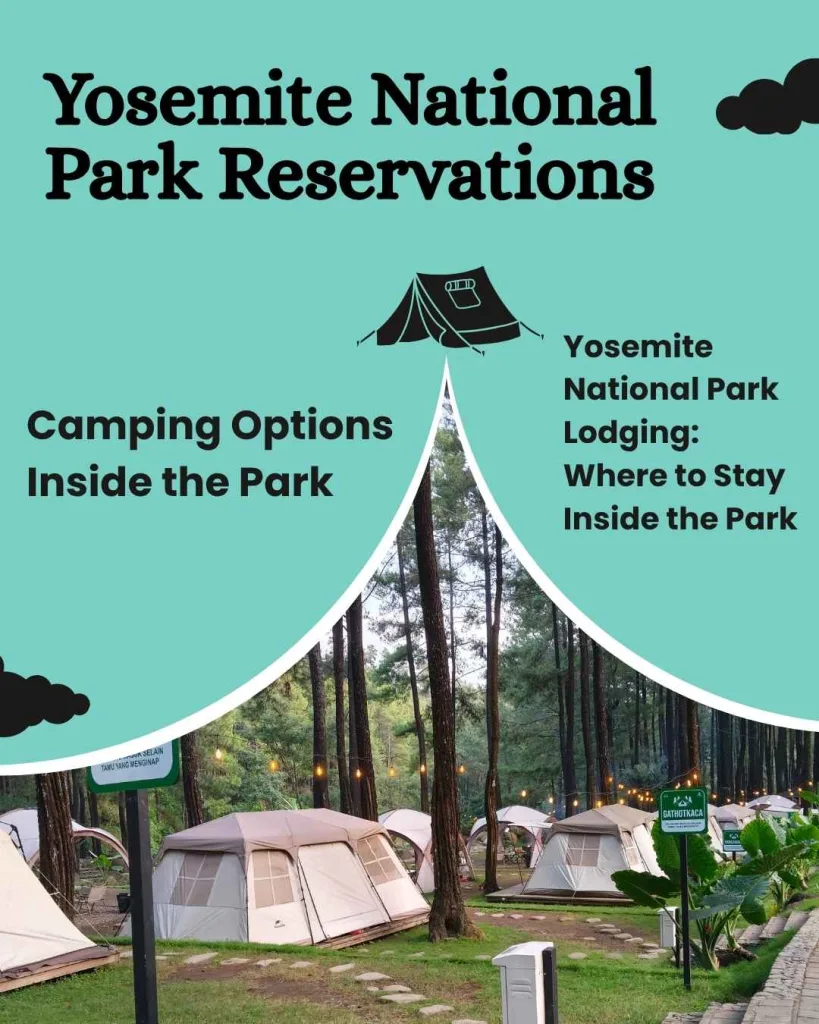
Camping Options Inside the Park
Yosemite has 13 campgrounds within its boundaries. Here are the most popular ones:
- Upper Pines — The largest Valley campground; perfect base for valley-floor hikes. Books the earliest and sells out immediately.
- Lower Pines — Smaller and right on the Merced River. Stunning views, equally competitive reservations.
- North Pines — Horse camping allowed. Steps from the Mirror Lake trailhead.
- Tuolumne Meadows — High-country camping at 8,600 ft. Open summer only. Incredible stargazing.
- Wawona — Near the Mariposa Grove of Giant Sequoias. Quieter than Valley campgrounds.
- Hodgdon Meadow — Near the Big Oak Flat entrance. Some first-come, first-served sites available.
For wilderness overnight trips, you’ll need a backcountry permit. Half Dome cable hike permits required every day the cables are up are distributed by lottery. Apply through recreation.gov months ahead. Check out my detailed 2 days in Yosemite itinerary for a structured plan that makes the most of limited time.
Yosemite National Park Lodging: Where to Stay Inside the Park
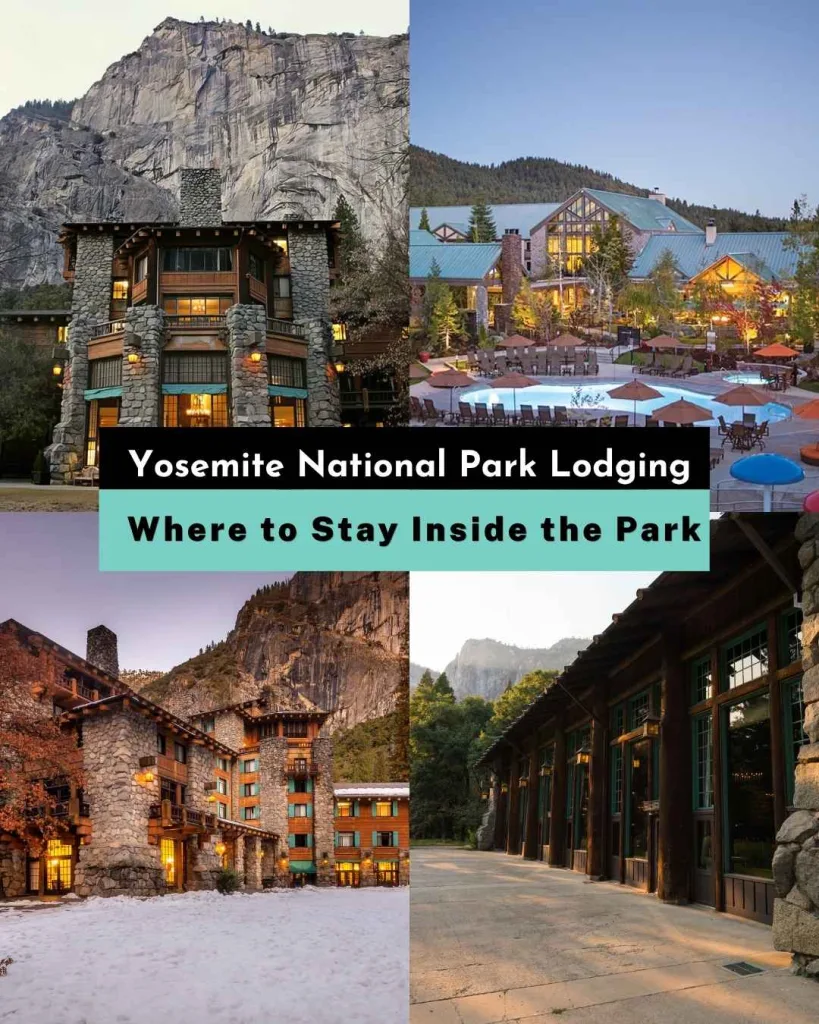
There are seven in-park lodging options run by Aramark (Yosemite Hospitality). Staying inside the park eliminates daily entrance queues and gives you access to trails at golden hour, when the light is magic and the crowds haven’t arrived yet. Here is a breakdown of Yosemite National Park hotel and lodging options:
| Property | Type | Location | Open |
| The Ahwahnee | Luxury hotel | Yosemite Valley | Year-round |
| Yosemite Valley Lodge | Mid-range hotel | Yosemite Valley | Year-round |
| Half Dome Village (Curry Village) | Cabins & canvas tents | Yosemite Valley | Year-round |
| Housekeeping Camp | Semi-open concrete units | Yosemite Valley | Spring–Fall |
| Wawona Hotel | Historic hotel | Wawona | Seasonal |
| Tuolumne Meadows Lodge | Canvas tent cabins | High country | Summer only |
| White Wolf Lodge | Cabins & tent cabins | Tioga Road | Summer only |
The Ahwahnee deserves its own mention. Built in 1927 in the grand National Park Lodge style, it is grand without being pretentious the Great Lounge alone, with its floor-to-ceiling windows framing Half Dome, is worth the stop even if you aren’t staying there. I did a full review, you can read here: Ahwahnee Hotel Yosemite review.
Before you lock in your dates and lodging, though, you’ll want to know exactly what kind of weather you’re walking into because Yosemite’s seasons are wildly different from each other, and that shapes everything.
Top Things to Do in Yosemite National Park
There is genuinely too much to do in one visit — which is exactly why most people, including me, keep coming back. Every single trip, I’ve discovered something I somehow missed the time before.
For a full breakdown of hikes, viewpoints, and must-do experiences organized by skill level and season, check out our complete Things To Do in Yosemite National Park guide — it covers everything from the easy Bridalveil Fall stroll to the permit-required Half Dome summit. Here’s a quick look at the experiences I consider essential, drawn from multiple trips across all four seasons:
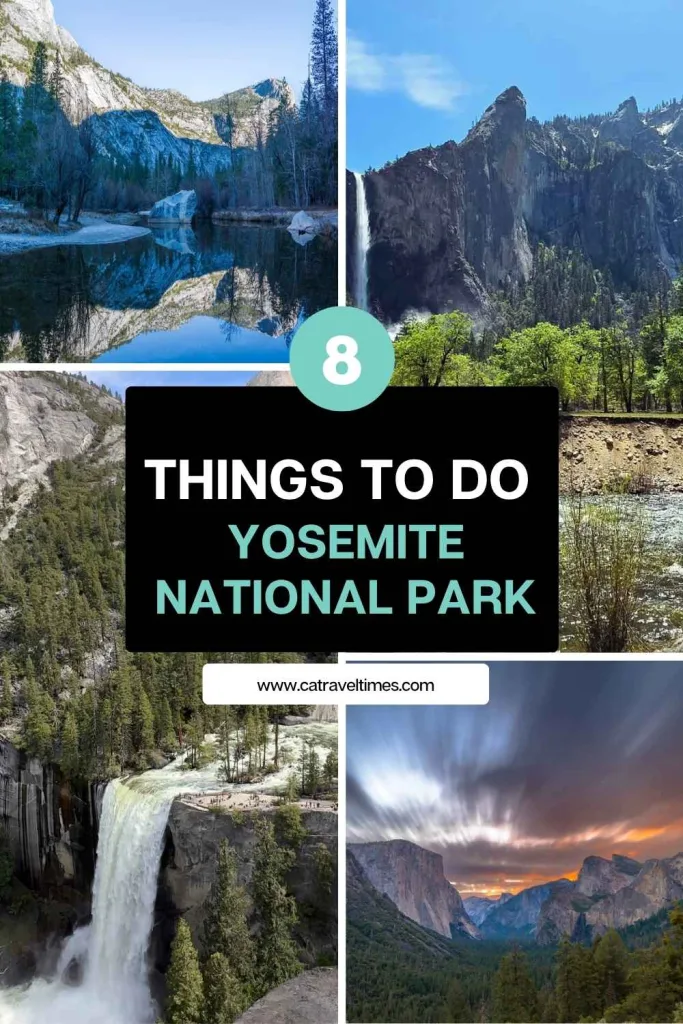
- Tunnel View — The park’s most iconic viewpoint, revealing El Capitan, Half Dome, and Bridalveil Fall in one dramatic frame; best at sunrise or dusk.
- Yosemite Falls Trail — North America’s tallest waterfall at 2,425 feet; offers an easy 1-mile loop or a strenuous 7.2-mile full trail with breathtaking valley views.
- Half Dome — A challenging 14–16 mile permit-required hike with a near-vertical cable section, rewarding summiteers with a stunning 360-degree Sierra Nevada panorama.
- Mirror Lake Trail — A flat 5-mile loop offering a stunning Half Dome reflection in early spring; the lake dries to a sandy meadow by midsummer.
- Glacier Point — At 7,214 feet, this viewpoint offers Half Dome at eye level and sweeping Sierra vistas; accessible by paved trail or winter snowshoe.
- Mariposa Grove — Home to 500 giant sequoias including the 2,700-year-old Grizzly Giant; arrive early to avoid crowds on the 6.5-mile loop trail.
- Bridalveil Fall — A year-round waterfall just a quarter-mile walk from parking; known for its wind-swept plume and heavy springtime mist requiring a rain jacket.
- Tioga Road & Tuolumne Meadows — A scenic 64-mile high-country drive reaching 9,945 feet, with vast open meadows, granite domes, and rarely seen views of Half Dome’s north face.
For a complete guide to planning your time, see all our National Parks guides for California and beyond.
Where to Stay & Eat Near Yosemite National Park?
Hotels Near the Yosemite (Gateway Towns)
If in-park lodging is fully booked or over budget, these gateway towns are your best alternatives:
- El Portal (10 min from Valley) — Closest option outside the park. The Yosemite View Lodge offers river views at mid-range prices.
- Mariposa (~1 hour, Highway 140) — The largest gateway town with the widest range of hotels, motels, and B&Bs. Great for budget and mid-range travelers.
- Groveland (~1 hour, Highway 120) — Charming small town with the historic Hotel Charlotte and several vacation rentals. Popular with Bay Area visitors.
- Fish Camp (2 miles from South Entrance) — Tiny and peaceful. The Tenaya Lodge here is a full resort with spa facilities, ideal for families.
- Lee Vining (East entrance, Highway 120) — Only viable in summer when Tioga Road is open. Stunning Mono Lake views and very affordable motels.
Restaurants Near Yosemite
Inside the park, dining options exist but are limited and pricey. These nearby spots outside the park are worth knowing:
- Savoury’s Restaurant, Mariposa — A local favorite for sit-down dinners after a long hiking day. Good wine list and hearty portions.
- Pizza Factory, Mariposa — Casual, affordable, and family-friendly. Perfect for post-hike comfort food.
- The Iron Door Saloon, Groveland — California’s oldest saloon (est. 1852). Great burgers and atmosphere, especially on your drive in via Highway 120.
- Mono Cone, Lee Vining — A beloved roadside soft-serve stop. Simple but iconic if you’re coming through the east gate in summer.
- Base Camp Eatery (Half Dome Village) — Inside the park at Curry Village. Casual cafeteria-style dining, open seasonally. Convenient after Valley hikes.
Pro tip: Stock up on groceries at the Village Store inside Yosemite Valley or at supermarkets in Mariposa before entering — food prices inside the park are significantly higher than outside.
Yosemite National Park: The Best Spots for Photography
I have taken thousands of Yosemite National Park photos across seasons, and these are the locations and conditions that consistently produce stunning images:
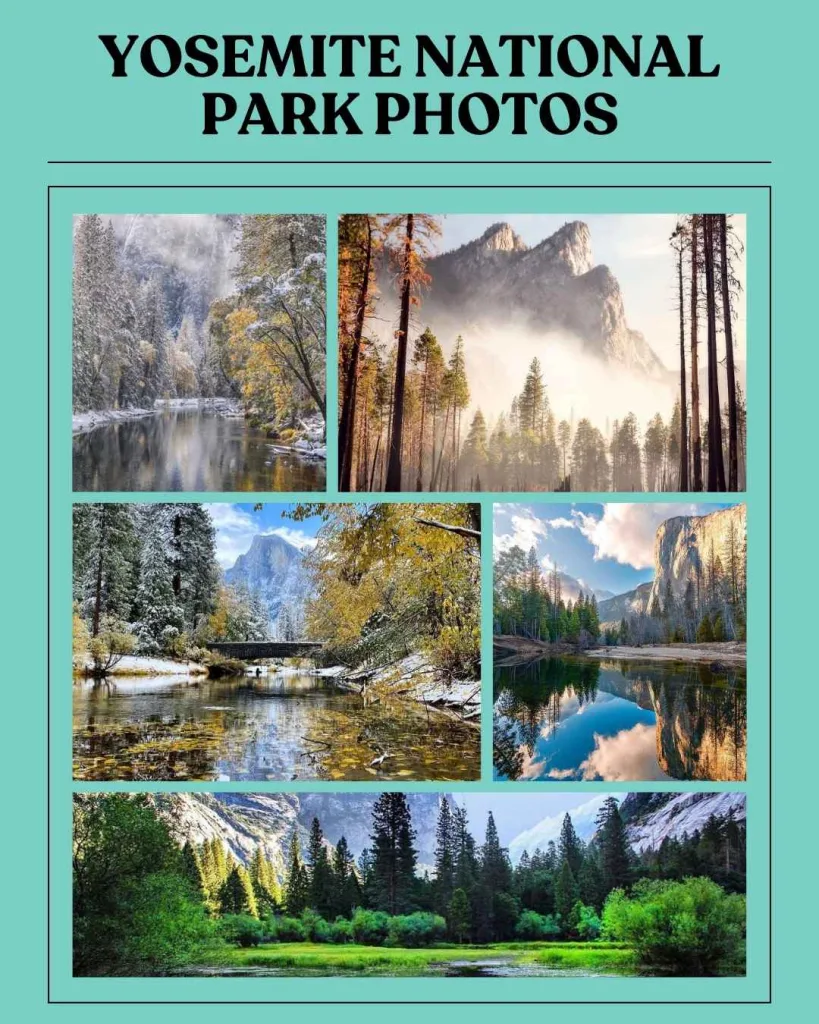
- Tunnel View at sunrise — Golden light on El Capitan and Half Dome. Arrive 30 minutes before sunrise to claim a spot.
- Valley View (Merced River Reflection) — From the west end of the Valley on Northside Drive. Still water in early morning reflects El Capitan perfectly.
- Glacier Point at sunset — Half Dome turns gold then deep orange. Stay for twilight blue-hour shots.
- Mirror Lake in April — Half Dome reflection before the lake dries.
- Horsetail Fall in February — The “Firefall” phenomenon when the setting sun lights the waterfall like molten lava. Usually two weeks around mid-February. Arrive hours early — it is extremely competitive.
- Mariposa Grove in snow — The giant sequoias capped with fresh snow look surreal and are almost never photographed since most visitors avoid winter.
For photography timing, I use the Photographer’s Ephemeris app to predict exact sunrise and sunset angles. The Yosemite Conservancy’s seasonal updates also post photography alerts for special conditions like post-storm clearing and peak waterfall flow.
Practical Tips for Visiting Yosemite National Park
Getting There & Getting Around
The valley is about 3 hours from the San Francisco Bay Area (via Highway 120 or 140) and around 5.5 hours from Los Angeles (via Highway 41 through Fresno). Once inside, the free Valley Shuttle serves all major trailheads and lodges using it during peak summer hours will save you the stress of circling full parking lots. YARTS (Yosemite Area Regional Transportation System) runs buses into the park from Merced, Fresno, Sonora, and Mammoth Lakes for those arriving without a car.
What to Pack — Season by Season
- All seasons: Layers, sun protection, a reusable water bottle, offline maps, bear canister for food storage.
- Spring/Summer: Rain jacket (afternoon storms), hiking poles for trail stability, insect repellent.
- Fall: Warm base layers for early mornings, a headlamp for pre-dawn starts.
- Winter: Tire chains (required by law when roads are icy), waterproof boots, hand warmers, microspikes for icy trails.
Wildlife & Safety
Black bears are active throughout the park year-round. Food storage in bear-proof canisters or park-provided food lockers is required by law not optional. I have had a bear investigate my campsite at Upper Pines at 2 a.m., and I was grateful for that locked box. Beyond bears, watch for rattlesnakes on rocky trails in summer, keep 150 feet from all wildlife, and never feed deer or squirrels both carry diseases and have seriously injured visitors who fed them.
Crowds & Parking
No reservations are required in 2026, which means summer wait times at entrance stations could reach 1–3 hours between 8 a.m. and 5 p.m. on busy weekends. The park’s active parking management will redirect vehicles when Valley lots are full. The single best crowd-avoidance strategy I’ve found: arrive before 7 a.m., use the free shuttle for all Valley movement, and schedule popular trailheads (Half Dome Village, Yosemite Falls) for early morning starts.
Yosemite National Park Reviews: What Travelers Really Think
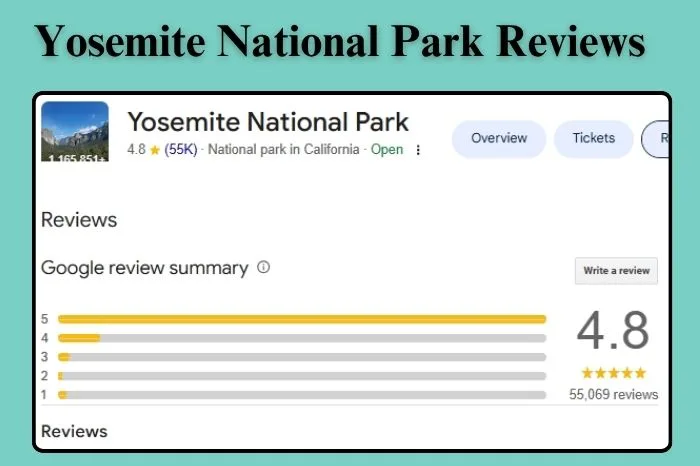
With 4.8 stars across 55,069 Google reviews, Yosemite speaks for itself. Visitors consistently describe Tunnel View as “genuinely life-changing” and Half Dome as “the hardest and most rewarding day of my life.” Many call spring visits “absolutely magical” with waterfalls at full power.
Families love Mariposa Grove while photographers rave about the February Firefall. Personally, after every season visited, one truth remains unchanged — Yosemite never stops surprising you. No matter how well you prepare, the park always delivers something unexpectedly breathtaking.
Is Yosemite National Park Worth It? My Honest Review
I’ve stood at Tunnel View in every season, watched first-timers fall completely silent, and honestly that silence says everything. Yosemite absolutely lives up to the hype. The sheer granite walls, ancient sequoias, and glacial rivers create something no photograph ever truly captures.
Yes, summer crowds get overwhelming, parking feels like a battle, and reservations vanish within minutes. Cell service barely exists. But here’s the truth every single challenge disappears the moment El Capitan fills your entire view. If you prepare well, Yosemite doesn’t just meet expectations. It quietly, completely, rewrites them.
FAQs
Q. Do I need to book a reservation to enter Yosemite in 2026?
No, the timed vehicle reservation system has been suspended for 2026. However, arrive before 8 a.m. during summer to avoid 1–3 hour entrance wait times.
Q. What is the best time to visit Yosemite National Park?
Spring (March–May) is ideal for stunning waterfalls and smaller crowds. Fall (September–November) is a close second with golden foliage and comfortable temperatures.
Q. Is it safe to camp in Yosemite with bears around?
Yes, but food storage in bear-proof canisters or park lockers is legally required at all times. Never leave food in your car or tent as bears are active year-round throughout the park.
Q. How far is Yosemite from major California cities?
It is roughly 3 hours from San Francisco and about 5.5 hours from Los Angeles via Highway 41. From San Diego, Highway 41 through Fresno is the most direct route.
Q. What State Is Yosemite National Park In?
Yosemite National Park is located in California, nestled in the western slope of the Sierra Nevada mountain range.