30+ Best Things to Do in Yosemite National Park (Local Tips Inside)
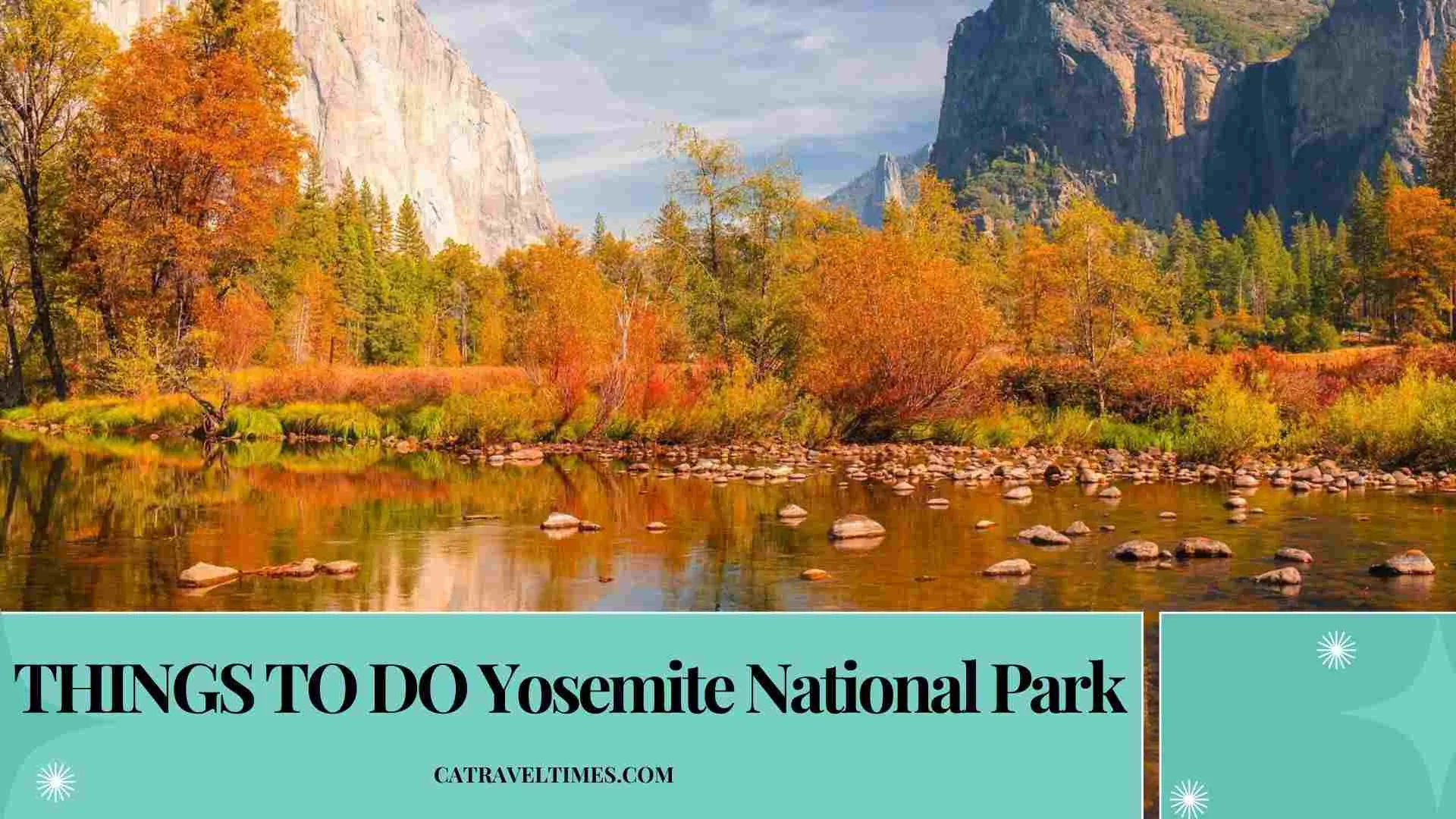
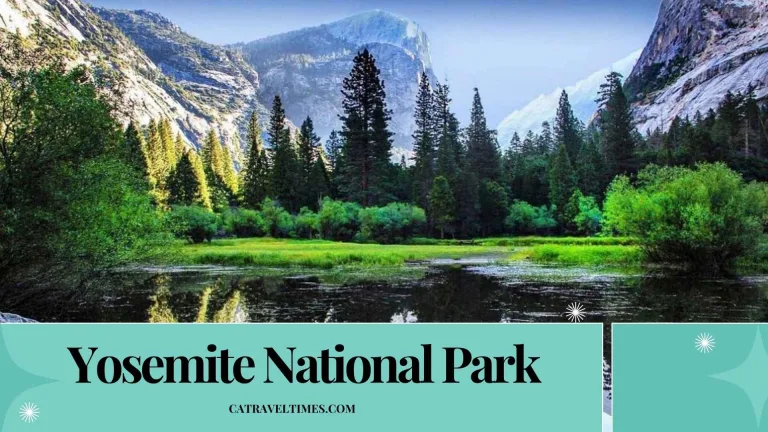
My first memory of arriving at Yosemite is pulling through the Arch Rock entrance on a foggy April morning, windows down, and then the valley just opening up in front of me. I had seen photos, read the guides, watched the documentaries and none of it came close to the real thing. The granite walls rose so fast and so high I actually pulled over because I couldn’t drive and stare at the same time. That moment changed how I travel. At CA Travel Times, we’ve spent years exploring California’s most iconic destinations so you plan smarter and see more.
This guide covers 30 things to do in Yosemite National Park, plus 10 experiences just outside its borders. Whether it’s your first visit or a return trip, you’ll find something worth adding to your plan. Everything is organized by category with real practical details, permits, costs, difficulty, and timing because good planning makes a great trip even better. Start early though, key permits and campsites sell out months ahead.
Plan Your Visit: Yosemite Quick Facts
- Location: Yosemite National Park, Sierra Nevada, California, USA
- Nearest city: San Francisco (about 3.5 hours by car, 195 miles / 314 km); Fresno (about 1.5 hours, 65 miles / 105 km)
- Park entrance fee (2025): $35 per vehicle, $20 per person on foot or bike, $30 per motorcycle. America the Beautiful Annual Pass ($80) covers entry.
- Best months to visit: May and June (waterfalls at peak), September and October (mild weather, fewer crowds)
- Worst months for crowds: July and August — beautiful but very busy, especially on weekends
- How many days recommended: 3–5 days to cover the highlights without feeling rushed
- Must-book in advance: Half Dome permit (lottery), day-use reservations (required April–October), campsites (book up to 5 months ahead on recreation.gov)
- Insider tip: Visit on weekdays if possible. Weekend traffic into the valley can add 2+ hours to your drive, and parking fills by 8 AM in summer.
When Is the Best Time to Go to Yosemite?
Timing your visit matters a lot. Each season offers something different and has real trade-offs worth knowing about.
Spring is the best time to see Yosemite’s waterfalls at full power. Snowmelt rushes down from the Sierra Nevada peaks, the meadows go bright green, and wildflowers start showing up in April. Hiking temperatures sit around 50–65°F (10–18°C), and crowds are lighter than summer though May weekends can get busy. Tioga Road usually stays closed until late May or early June.
Summer brings reliable weather and full access to all roads and trails, including the high country around Tuolumne Meadows. The trade-off is crowds parking fills by 9 AM and shuttles get long. Book everything months ahead and start your days early.
Fall is quieter, cooler, and golden. The valley oaks turn in October, the light gets soft and warm, and crowds thin out after Labor Day. It’s the best season for photography.
Winter brings snow to the valley floor and far fewer visitors. The Firefall at Horsetail Fall draws photographers every February. See our complete winter visit guide for packing tips and road conditions.
2026 Entry Update: No More Vehicle Reservations
For the 2026 season, Yosemite has removed the vehicle reservation requirement that has been in place since 2020; you no longer need to book a timed entry slot to drive into the park. That said, this decision gets reviewed every year, so check the NPS website before your trip. Parking still fills fast on summer weekends, sometimes by 8 AM, so arriving early remains the single best move you can make regardless of any reservation system.
How to Get to Yosemite: Location and Directions
Yosemite has four entrance gates, each serving different directions. From San Francisco (west), take Highway 120 through the Big Oak Flat entrance, the most popular route, about 3.5 hours. From Los Angeles (south), Highway 41 brings you through the South Entrance near Mariposa Grove, roughly 6 hours.
From Fresno (southwest), Highway 140 leads to the Arch Rock entrance along the Merced River, scenic and straightforward. From the east, Highway 120 over Tioga Pass is spectacular but closes in winter, usually October through May. Check road conditions on the NPS website before every trip mountain weather changes fast.
- 🔵 Blue markers represent recommended Things To do in Yosemite National Park.
- 🔴 Red markers represent recommended Things To do Near Yosemite National Park.
30 Things to Do in Yosemite National Park
Here are the top in-park activities, organized by type so you can build a trip that fits your pace and interests.
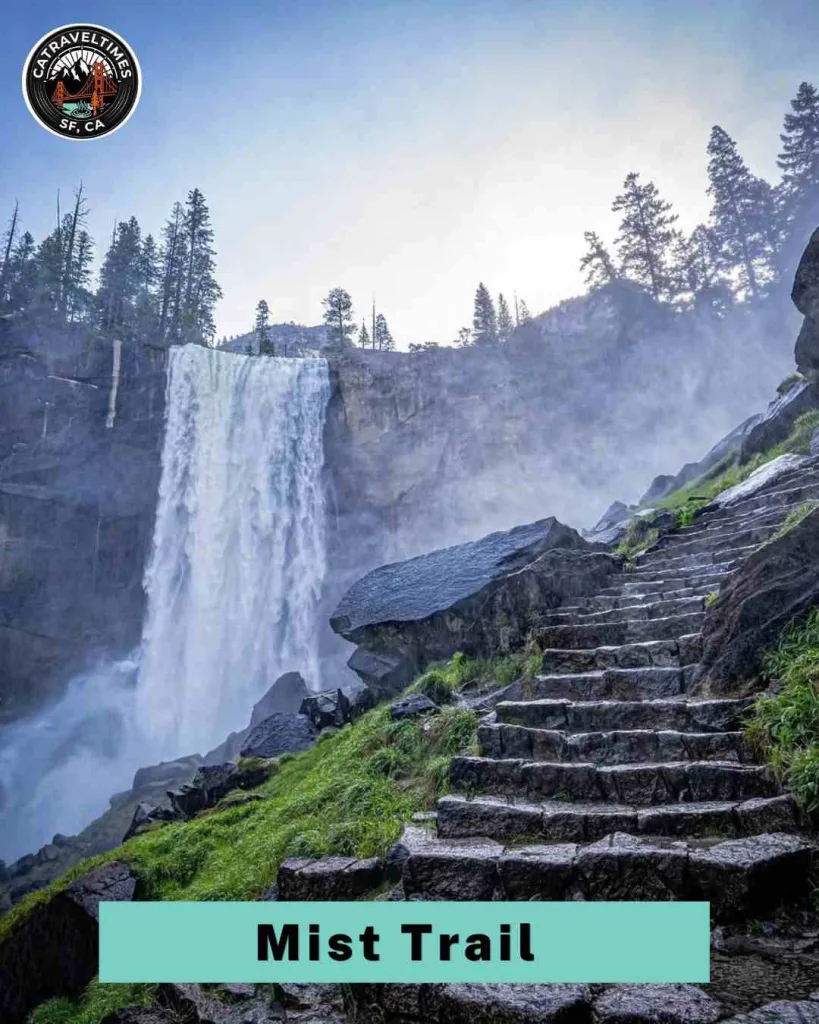
1. Walk the Mist Trail to Vernal and Nevada Falls
The Mist Trail is one of the most rewarding hikes in the park, and it earns its name if you get genuinely soaked near the top. The round trip to Vernal Fall is 3 miles (4.8 km), while continuing to Nevada Fall adds another 2.4 miles (3.9 km). The views from the top of Nevada Fall, looking back into the valley, are hard to match anywhere in Yosemite. Expect stone steps, steep sections, and crowds in summer.
- Difficulty: Moderate to Hard
- Time needed: 3–6 hours depending on how far you go
- Cost: Free with park entry
- Best season: Spring (April–June) when the falls are roaring; the mist is heaviest then
- Quick tip: Start by 7 AM to beat the crowds and get the best light on the water.
2. Hike to the Top of Half Dome
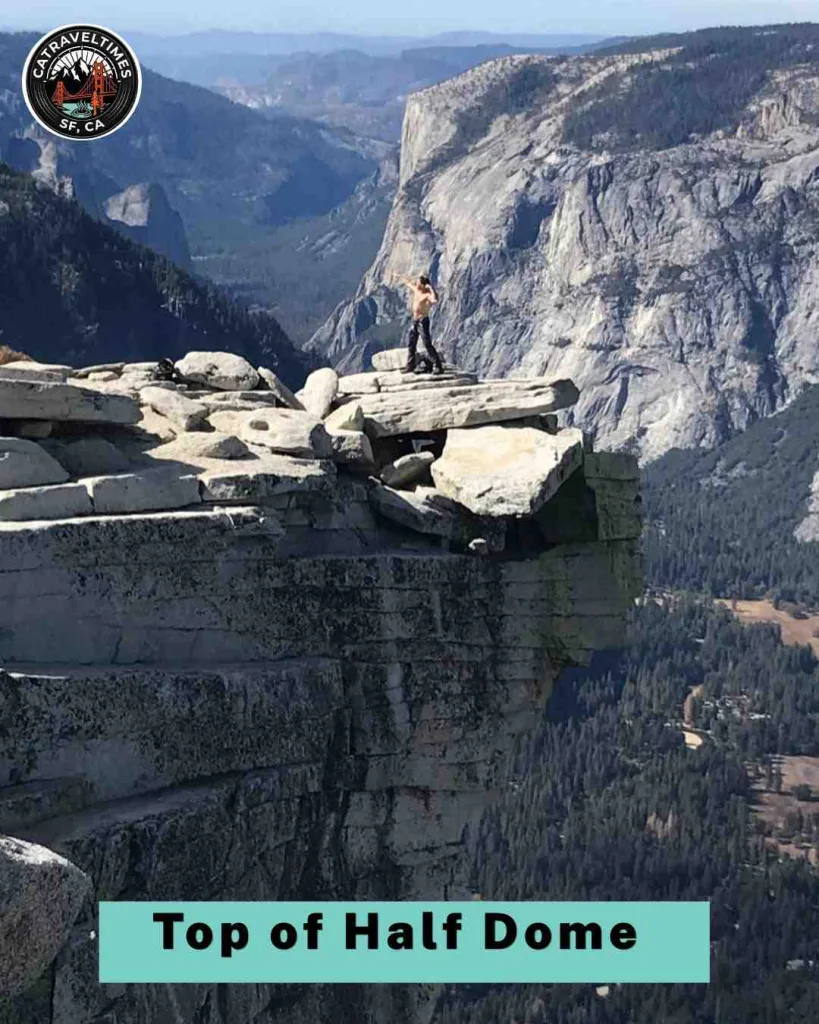
Half Dome is the iconic hike that people talk about for years after doing it. The round trip is about 16 miles (25.7 km), with the final 400 feet (122 m) climbed using steel cables bolted into the granite. It’s as thrilling as it sounds and as tiring. I had trained for this one for months before my first attempt, and I still underestimated how much energy the cables take out of you. The summit views are genuinely unlike anything else in the park.
- Difficulty: Strenuous
- Time needed: 10–14 hours; start before dawn
- Cost: Free with park entry, but a permit is required (see planning section)
- Best season: Late May through October when cables are installed
- Quick tip: Wear gloves for the cables your hands will thank you.
3. Climb to Upper Yosemite Falls
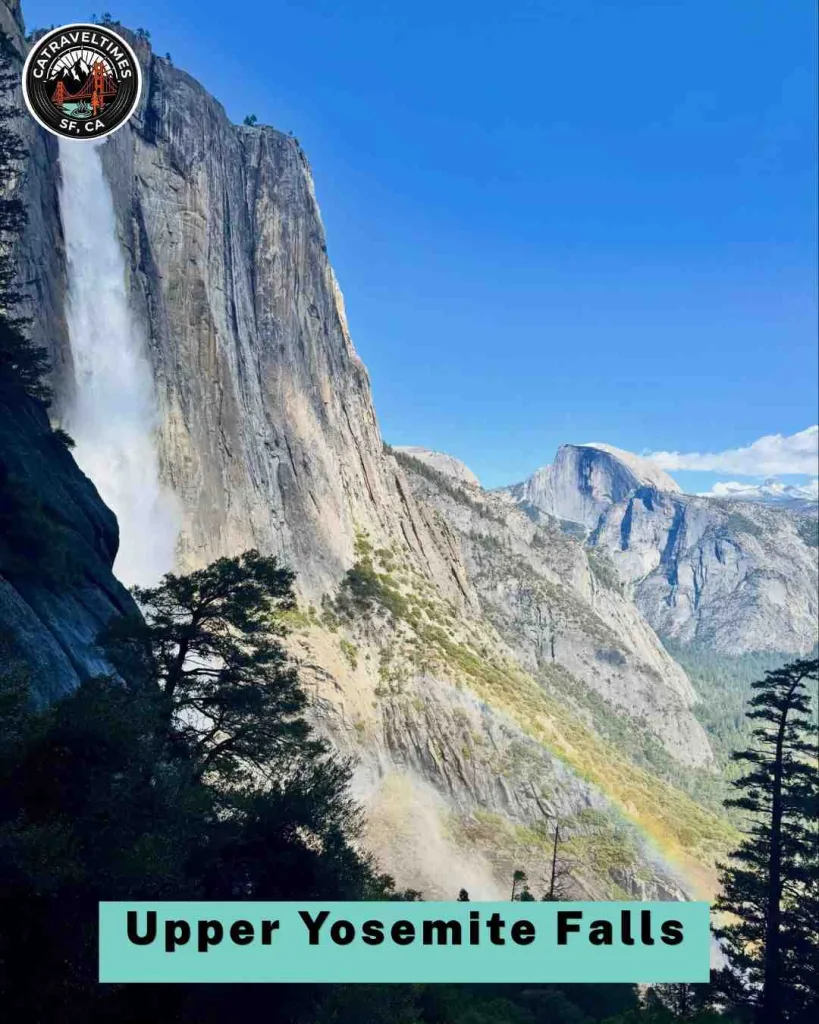
Upper Yosemite Falls is the tallest waterfall in North America at 2,425 feet (739 m), and this hike takes you right to its edge. The trail is 7.2 miles (11.6 km) round trip with over 2,700 feet (820 m) of elevation gain; it’s steep from the very start and doesn’t let up. The payoff at the top is a view straight down the falls and across the valley.
- Difficulty: Hard
- Time needed: 5–7 hours
- Cost: Free with park entry
- Best season: Spring and early summer (May–June) when the falls are running strongest
- Quick tip: The falls often dry up significantly by late summer — check current conditions before you go.
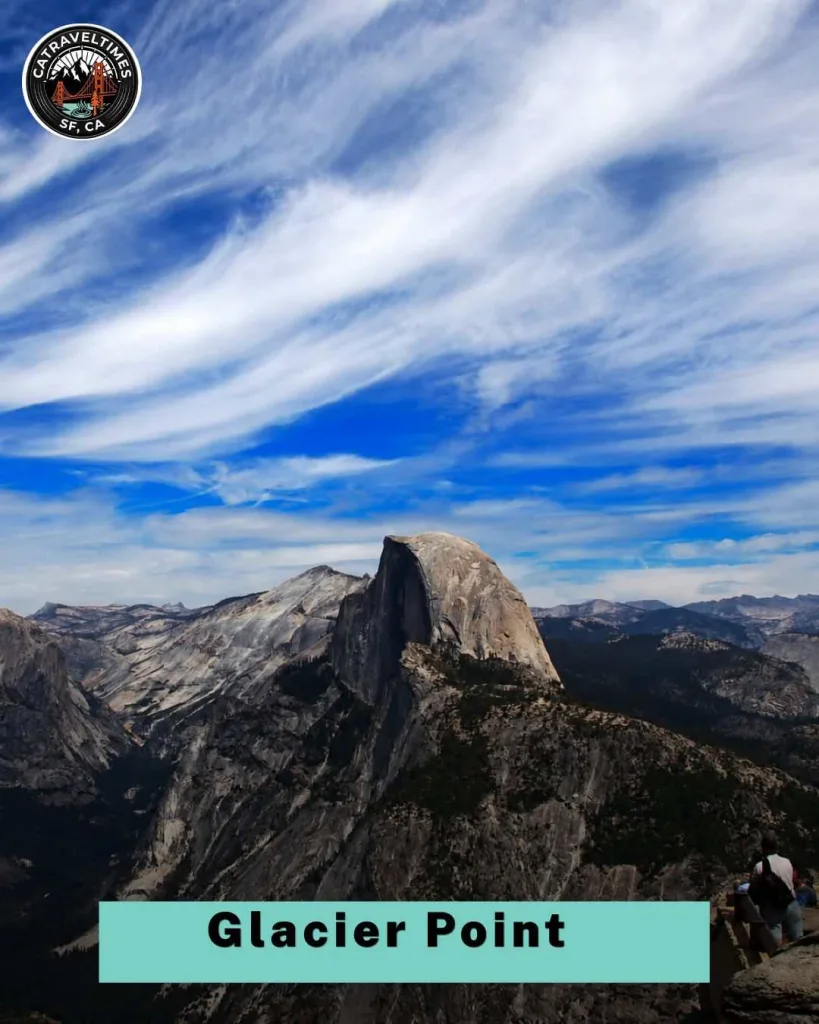
4. Take the Panorama Trail from Glacier Point
This point-to-point trail runs 8.5 miles (13.7 km) from Glacier Point down to the valley floor, passing Nevada Fall, Vernal Fall, and multiple viewpoints along the way. It’s one of the best all-day hikes in the park for scenery per mile. You’ll need a shuttle or second car at each end since it’s not a loop.
- Difficulty: Moderate (mostly downhill)
- Time needed: 5–7 hours
- Cost: Free with park entry; Glacier Point Road access may require a fee
- Best season: Late spring through fall (the road to Glacier Point is usually closed in winter)
- Quick tip: Combine it with a sunrise at Glacier Point before you start hiking for the best experience.
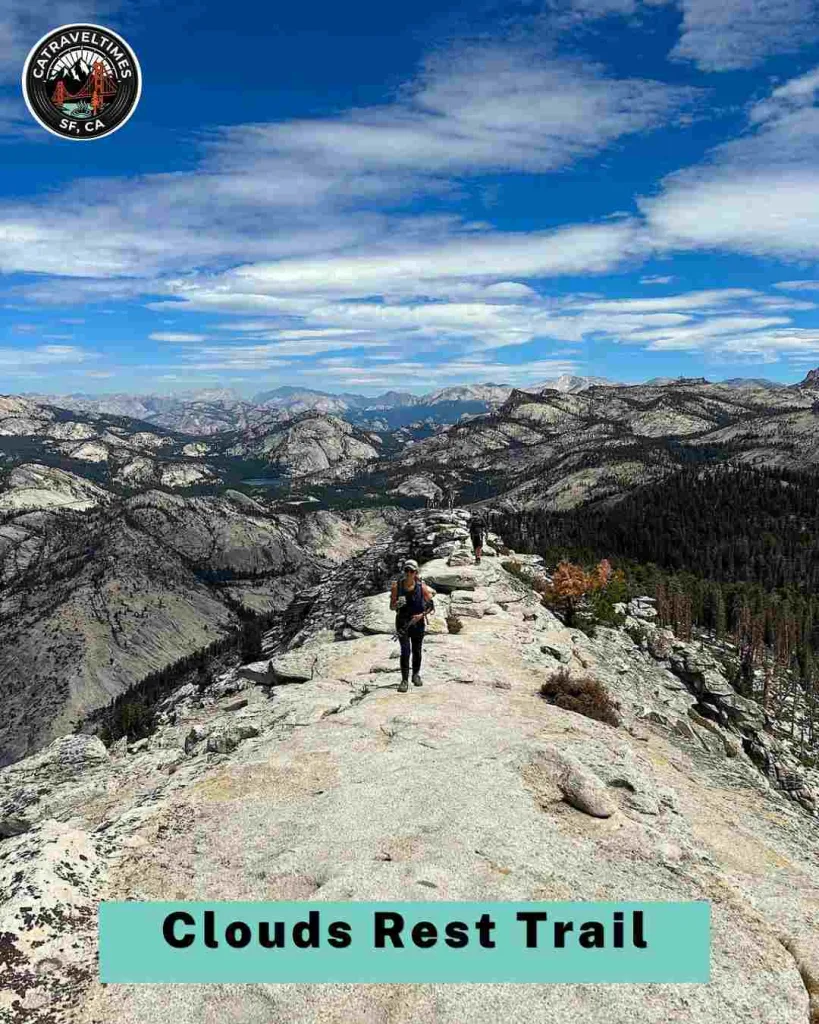
5. Trek the Clouds Rest Trail
Clouds Rest sits higher than Half Dome and offers a wider, arguably better, view of the valley without requiring a permit. The round trip from Tenaya Lake is 14 miles (22.5 km) with a 2,300-foot (700 m) elevation gain. The final approach along a narrow ridge gives you a 360-degree look at the High Sierra.
- Difficulty: Strenuous
- Time needed: 8–10 hours
- Cost: Free with park entry
- Best season: July through September when the high country is clear of snow
- Quick tip: Start from the Sunrise Lakes trailhead for a slightly shorter option at 10 miles (16 km) round trip.
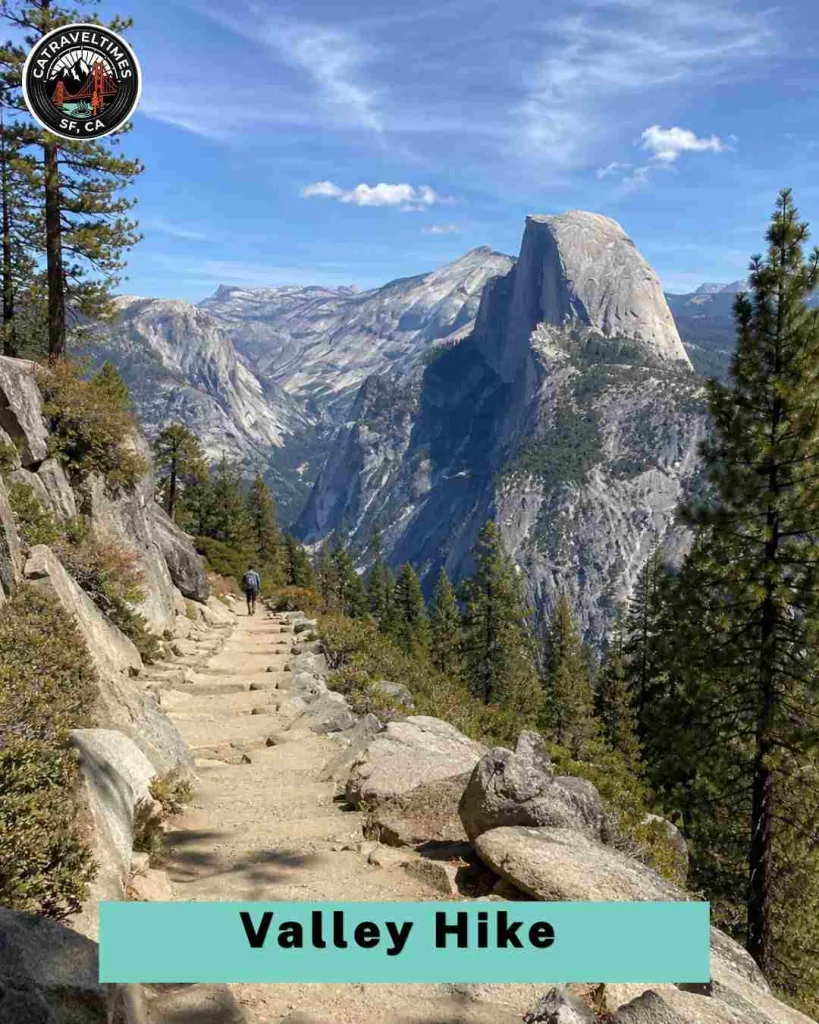
6. Hike the Four Mile Trail for Valley Views
The Four Mile Trail (actually 4.8 miles / 7.7 km one way) climbs from the valley floor to Glacier Point, passing through forest and opening up to sweeping views of Half Dome and the valley at multiple points. Many hikers go up this trail and take the shuttle down from Glacier Point.
- Difficulty: Hard
- Time needed: 4–6 hours up
- Cost: Free with park entry
- Best season: May through October
- Quick tip: This trail faces south and gets hot by midday in summer, start early or save it for fall.
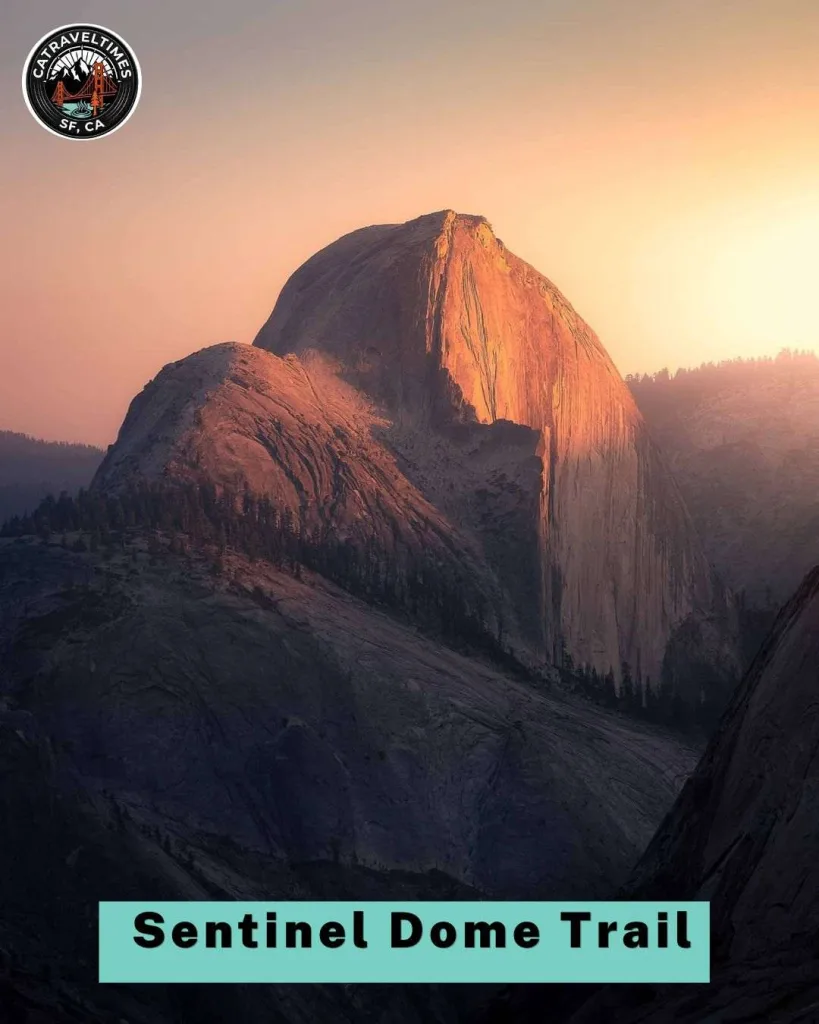
7. Walk the Sentinel Dome Trail at Sunset
Sentinel Dome is one of the most accessible big views in the park. The hike is only 2.2 miles (3.5 km) round trip, and the summit puts you at 8,122 feet (2,476 m) with 360-degree views including Half Dome, Yosemite Falls, and the High Sierra. At sunset, the light on the granite turns gold and the shadows in the valley go deep.
- Difficulty: Easy to Moderate
- Time needed: 1.5–2 hours
- Cost: Free with park entry
- Best season: Late spring through fall; avoid when icy
- Quick tip: Combine with nearby Taft Point for a 5-mile (8 km) loop — both are stunning
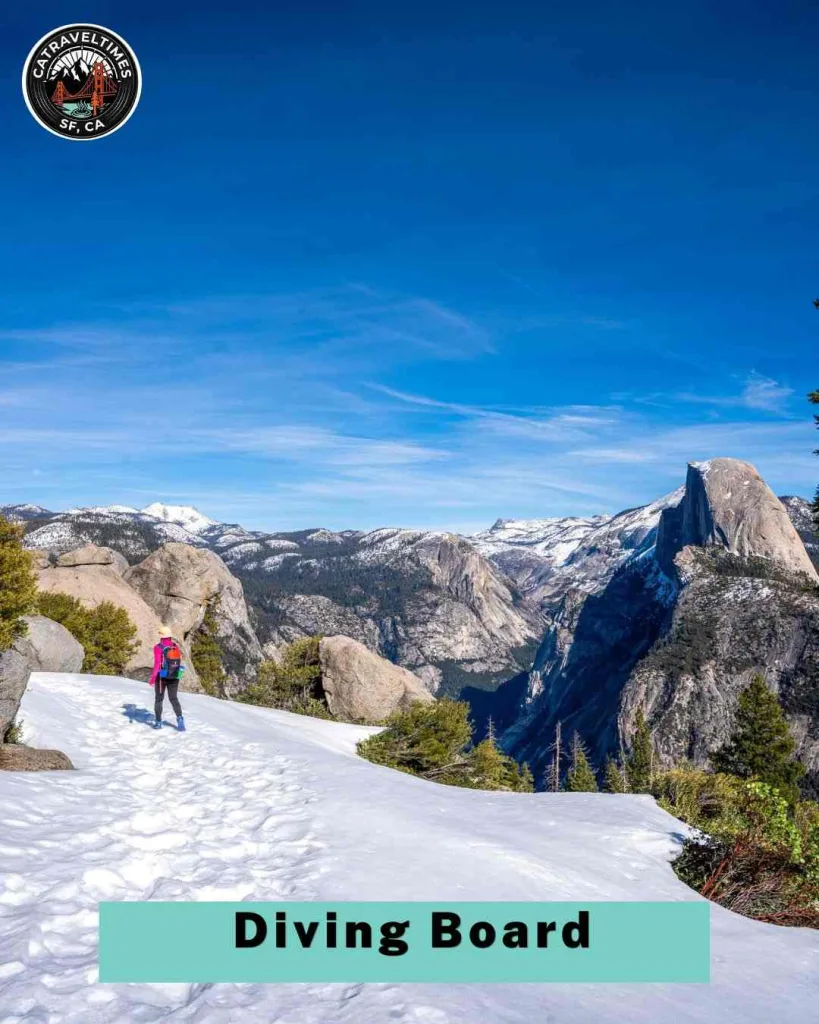
8. Explore the Diving Board (Half Dome’s Hidden Side)
Most visitors never make it to the Diving Board, a granite ledge on the west shoulder of Half Dome that gives you a direct, unobstructed look at the sheer face. Reaching it requires off-trail scrambling from the Half Dome trail; it’s not marked. The extra effort keeps the crowds away.
- Difficulty: Hard + scrambling
- Time needed: Add 1–2 hours to the standard Half Dome approach
- Cost: Free with park entry; Half Dome permit required
- Best season: July through September
- Quick tip: Only attempt this with solid scrambling experience and good footwear.
9. Stroll Through Cook’s Meadow at Sunrise
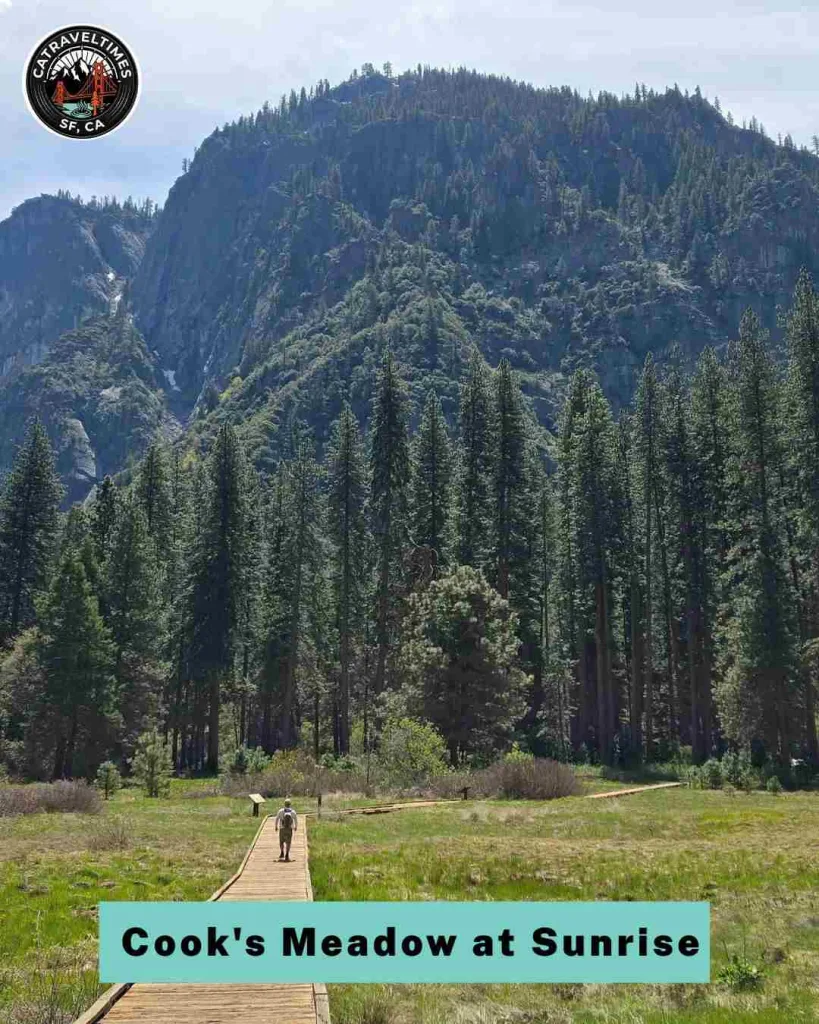
Cook’s Meadow is a flat loop of about 1 mile (1.6 km) right in the heart of Yosemite Valley. At sunrise, the meadow fills with mist and the light hits Half Dome directly; it’s one of the most photographed views in the park. Deer often graze here in the early morning. This walk is perfect for first-time visitors or anyone wanting to ease into the day.
- Difficulty: Easy
- Time needed: 30–45 minutes
- Cost: Free with park entry
- Best season: Year-round; best in spring and fall for the light
- Quick tip: Come before 7 AM for the mist and the deer, and bring a wide lens if you have one.
10. Walk the Lower Yosemite Falls Trail
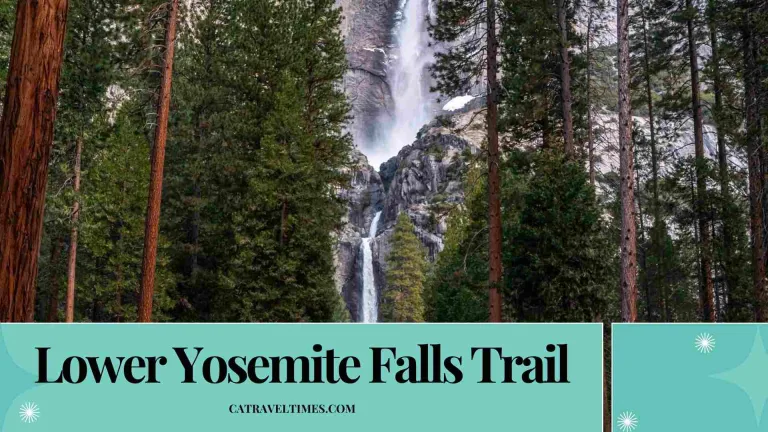
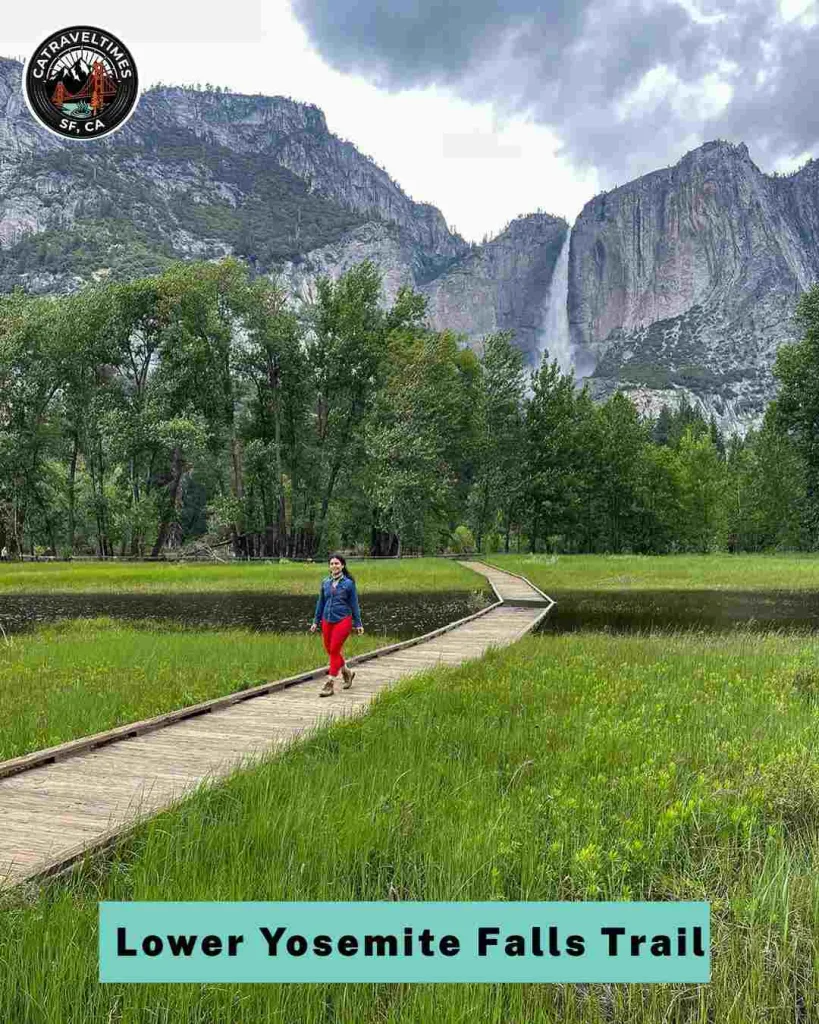
This 1-mile (1.6 km) paved loop takes you right to the base of Lower Yosemite Falls, where the spray reaches you in spring. It’s stroller and wheelchair accessible, making it one of the most family-friendly walks in the park. The full waterfall at 2,425 feet (739 m) drops into view above you as you approach.
- Difficulty: Easy
- Time needed: 30–45 minutes
- Cost: Free with park entry
- Best season: Spring (March–May) when the falls are fullest
- Quick tip: Visit in the morning when the spray catches the light.
11. Visit Bridalveil Fall
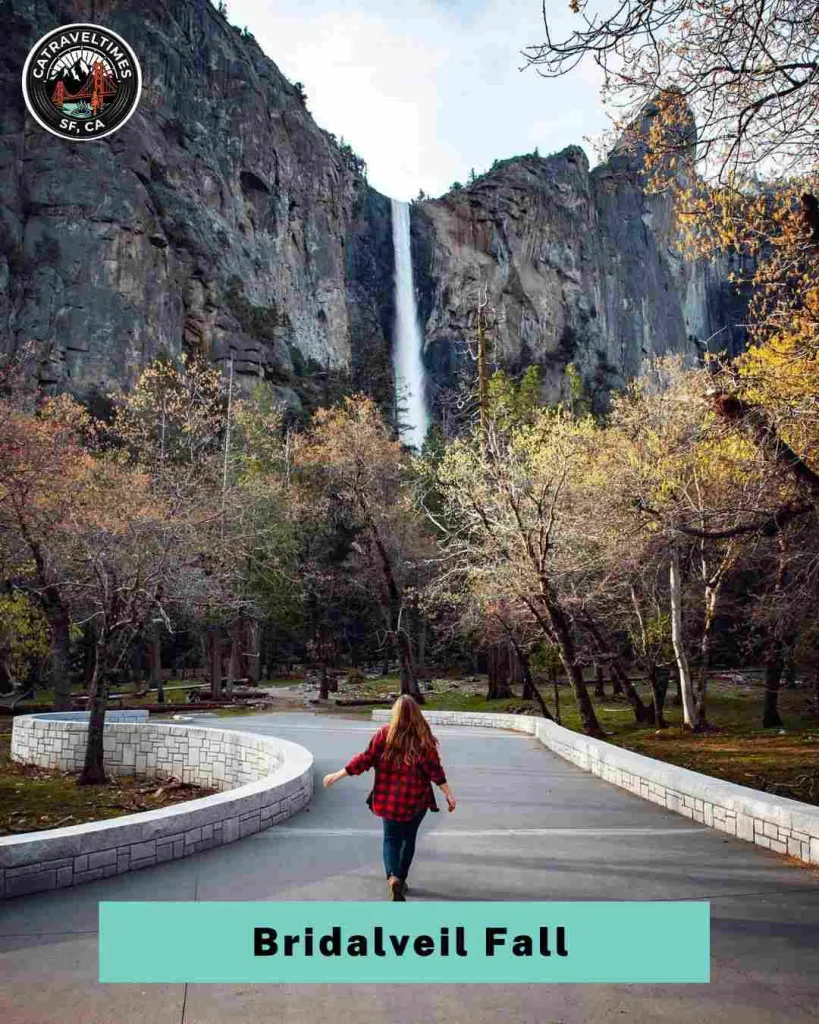
Bridalveil Fall drops 620 feet (189 m) and is usually the first waterfall new visitors see it’s right near the valley entrance. The short trail (0.5 miles / 0.8 km round trip) leads to the base, where even in summer a light mist drifts across the path. In spring, the wind sometimes pushes the water sideways, which is where the name comes from.
- Difficulty: Easy
- Time needed: 20–30 minutes
- Cost: Free with park entry
- Best season: Spring for the full flow; accessible year-round
- Quick tip: Wear a light jacket if you’re visiting in spring — the spray is real.
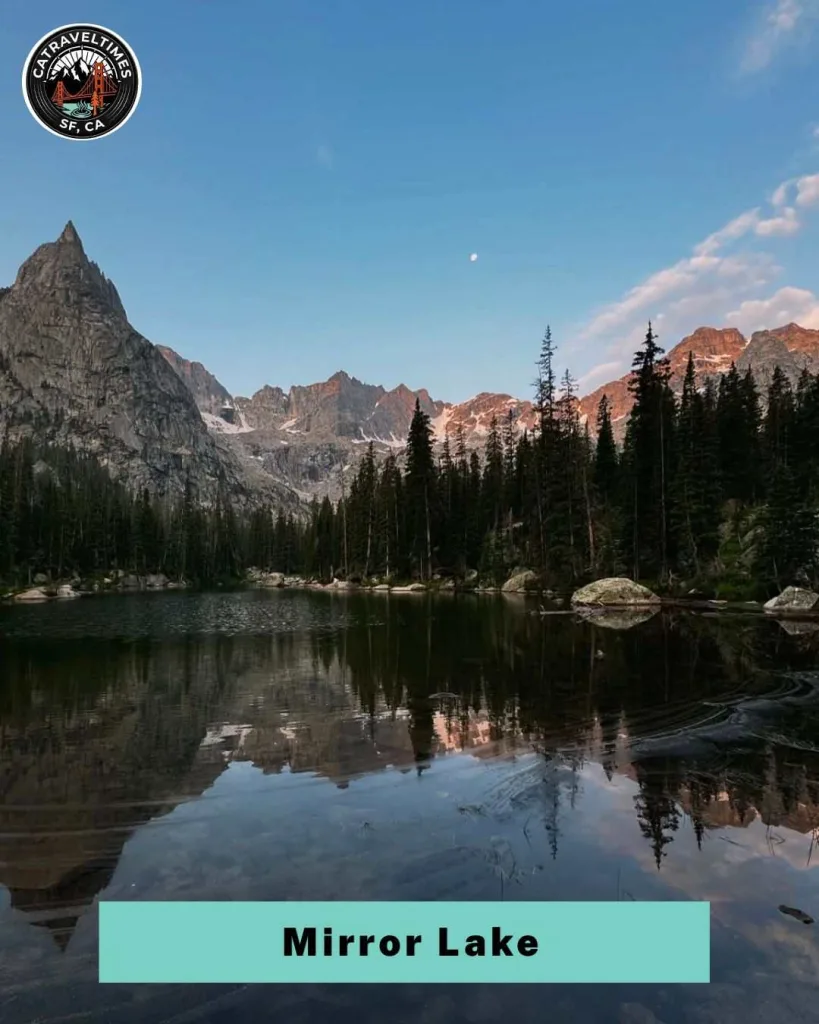
12. Take the Mirror Lake Loop
Mirror Lake sits at the base of Half Dome, and in early spring the still water creates a perfect reflection of the dome and surrounding peaks. The full loop is 5 miles (8 km), but the best reflection spot is just 2 miles (3.2 km) in. By late summer the lake becomes a meadow as it dries up beautifully in a different way.
- Difficulty: Easy
- Time needed: 1.5–3 hours depending on the full loop
- Cost: Free with park entry
- Best season: April and May for the best reflections
- Quick tip: The first mile and a half are accessible by shuttle — get off at stop 17 to save the walk.
13. Walk the Valley Loop Trail
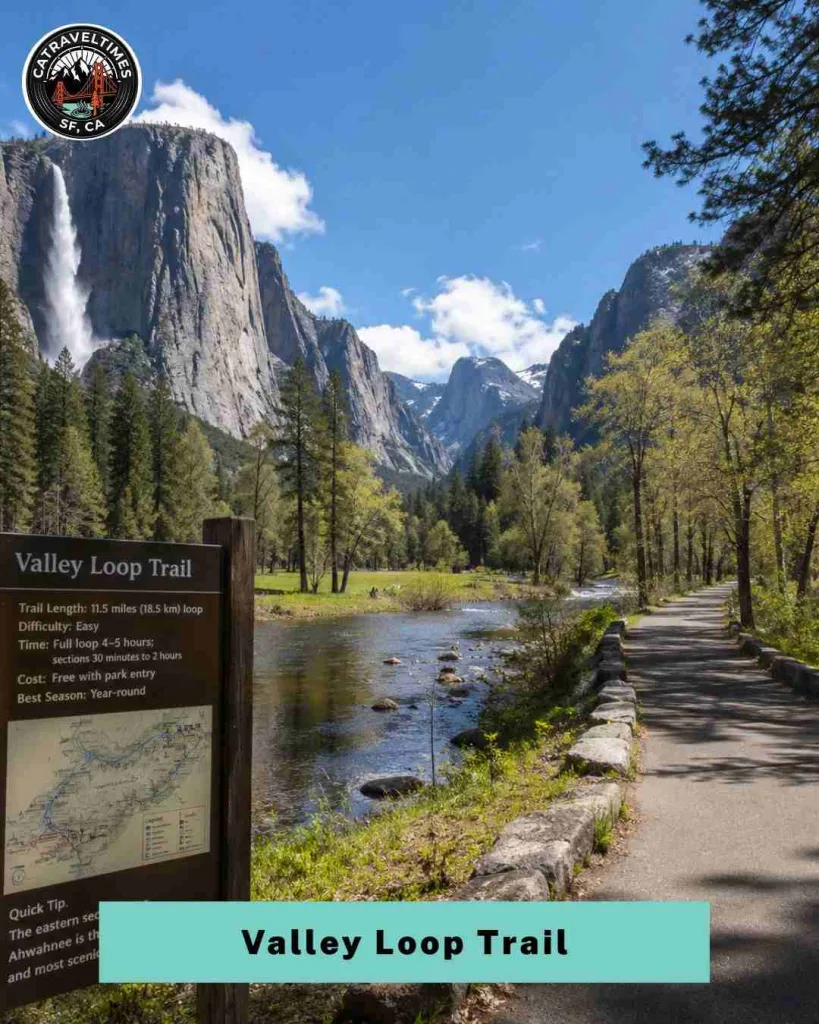
The Valley Loop Trail circles the entire Yosemite Valley at about 11.5 miles (18.5 km). Most people walk just sections of it rather than the full loop. It connects all the main sights Bridalveil Fall, the meadows, the Merced River, and multiple valley viewpoints and it’s mostly flat throughout.
- Difficulty: Easy
- Time needed: Full loop 4–5 hours; any section 30 minutes to 2 hours
- Cost: Free with park entry
- Best season: Year-round
- Quick tip: The eastern section near Ahwahnee is the quietest and most scenic.
14. Stop at Tunnel View (The First WOW Moment)
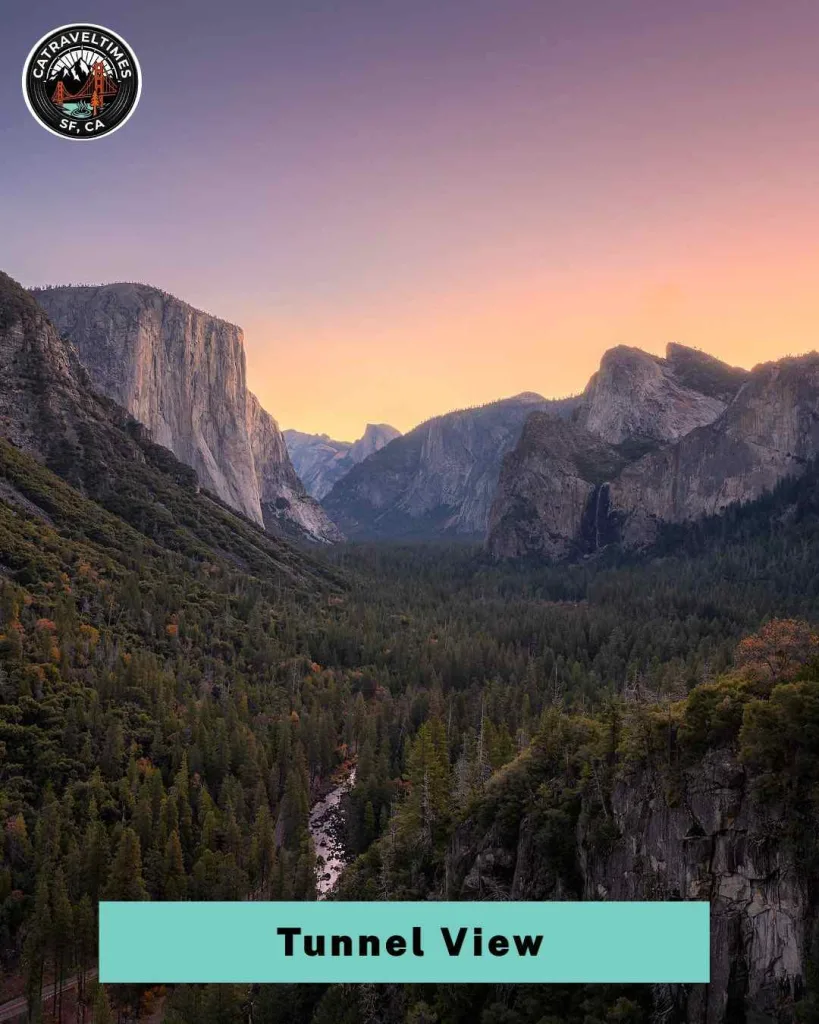
Tunnel View is located right at the east end of the Wawona Tunnel, and it frames the entire Yosemite Valley in one single view, El Capitan on the left, Bridalveil Fall on the right, and Half Dome straight ahead. It’s the most-photographed view in the park for a reason. Most people stop here first and just stand there for a while.
- Difficulty: Easy (roadside pullout)
- Time needed: 15–30 minutes
- Cost: Free with park entry
- Best season: Any time of year; morning light is best for photos
- Quick tip: Get here before 8 AM to avoid tour buses. Evening light can be equally dramatic.
15. Drive to Glacier Point for Sunset
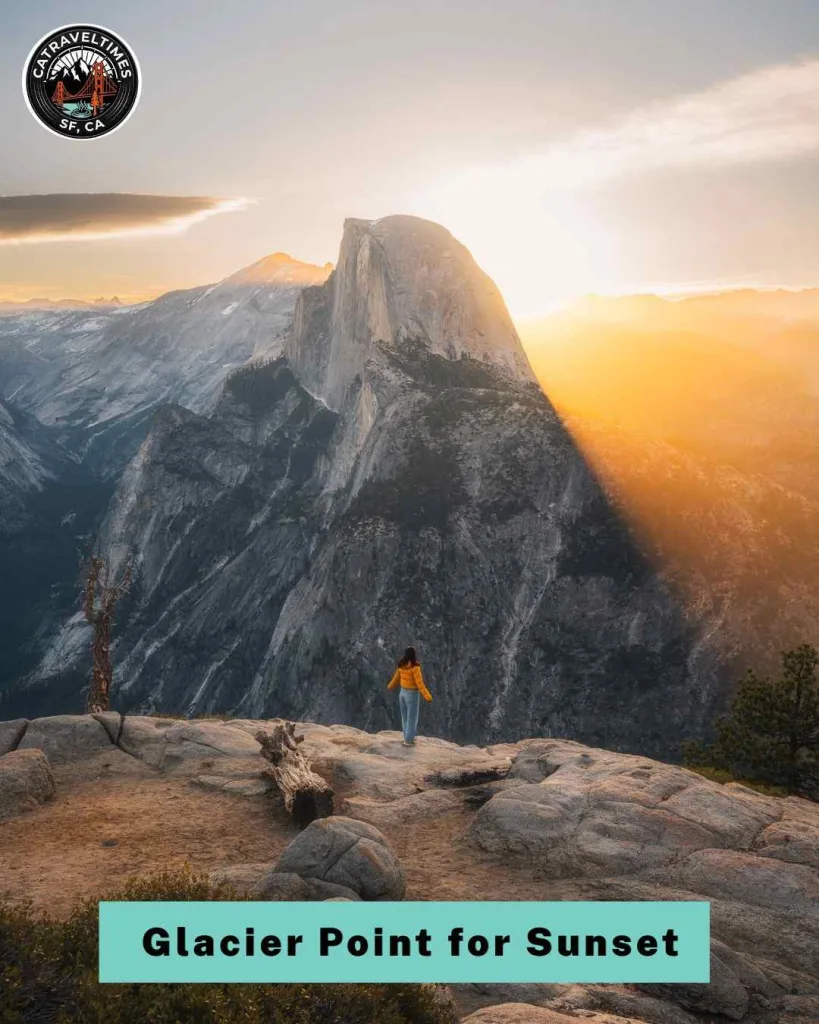
Glacier Point sits at 7,214 feet (2,199 m) and looks directly out over the entire valley, with Half Dome just a few miles away and Nevada and Vernal Falls visible below. The road is open from late spring through fall, and sunset from this spot is something I still think about often. The valley below turns amber, the shadows stretch, and you feel very small in the best way possible.
- Difficulty: Easy (short walk from parking)
- Time needed: 1–3 hours
- Cost: Free with park entry; road access fee may apply
- Best season: May through October when the road is open
- Quick tip: Stay for the stars — Glacier Point is one of the best stargazing spots in the park once the valley lights fade.
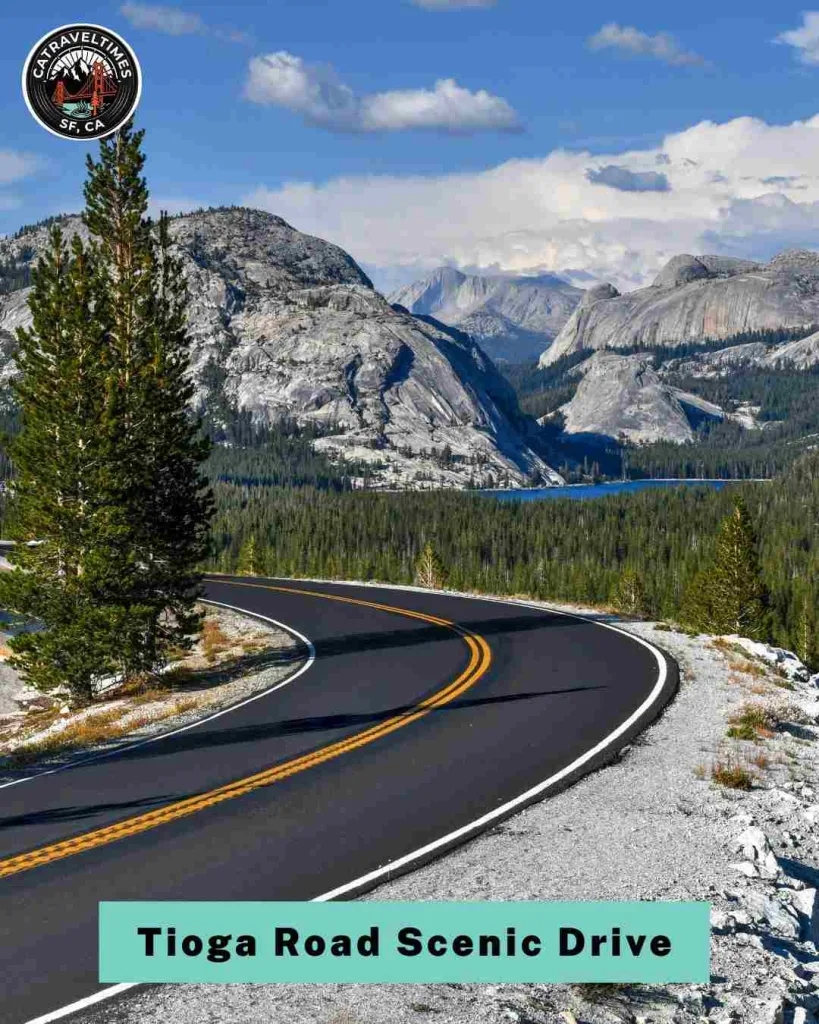
16. Take the Tioga Road Scenic Drive
Tioga Road (Highway 120) crosses the Sierra Nevada at 9,945 feet (3,031 m) and passes through some of the most remarkable high-country scenery in California. The drive from the valley to the east entrance takes about 1.5 to 2 hours, with stops at Tenaya Lake, Tuolumne Meadows, and several pullouts with mountain views. This road is closed in winter and usually opens in late May or early June.
- Difficulty: Easy (drive-based)
- Time needed: Half day to full day with stops
- Cost: Free with park entry
- Best season: June through October
- Quick tip: Drive from west to east in the morning for the best light on the high country.
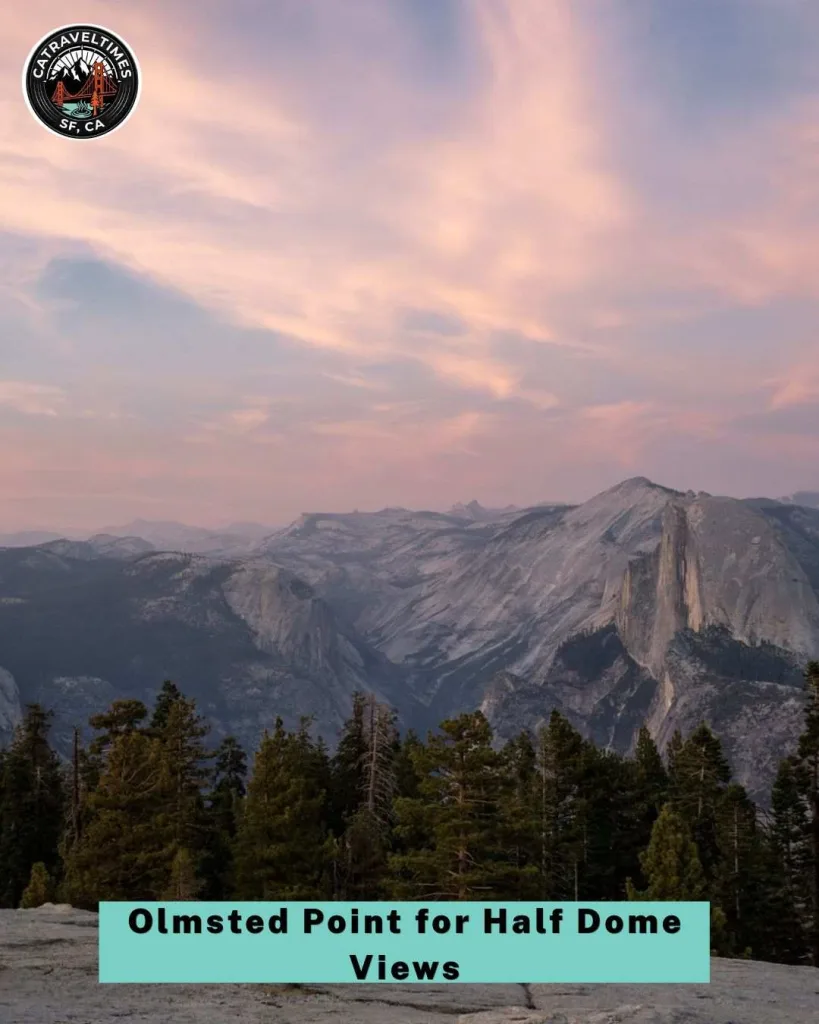
17. Visit Olmsted Point for Half Dome Views
Olmsted Point is a granite outcrop along Tioga Road that gives you a completely different angle on Half Dome. You see the dome from the back, which most valley visitors never get to see. It’s a short walk from the parking area to the overlook, and the view also includes Tenaya Canyon below.
- Difficulty: Easy
- Time needed: 30–45 minutes
- Cost: Free with park entry
- Best season: June through October
- Quick tip: Look for marmots on the boulders here — they’re almost always around.
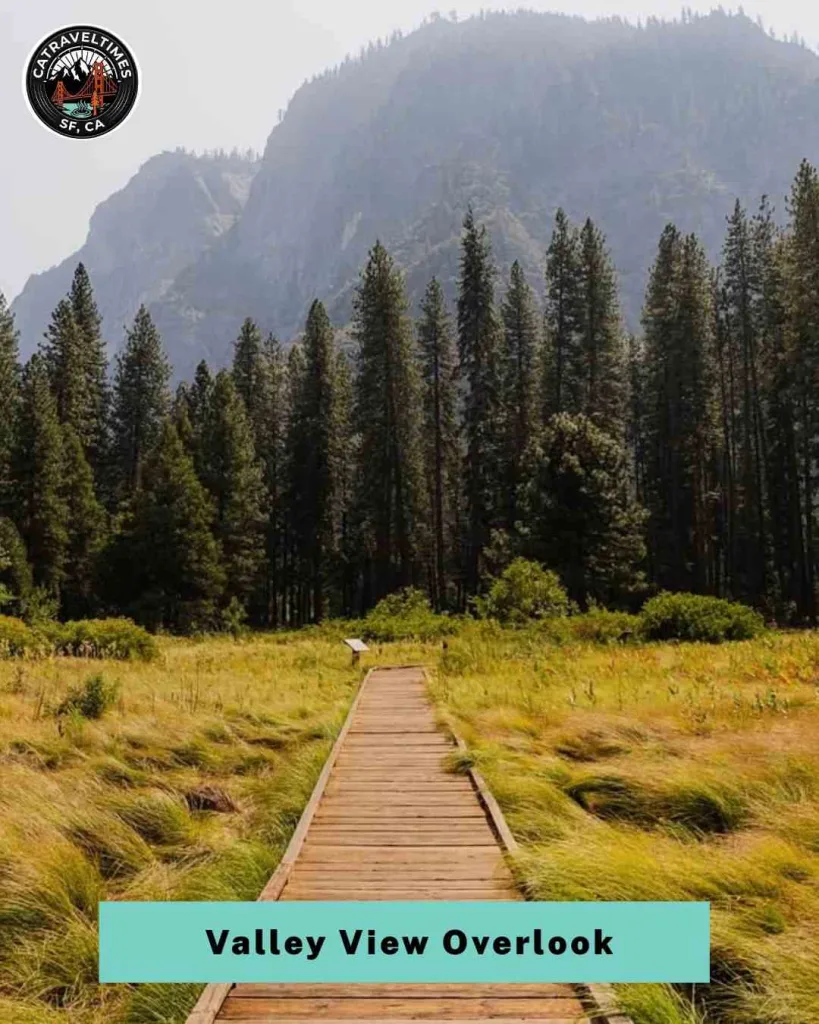
18. See the Valley from Valley View Overlook
Valley View (also called Gates of the Valley) is a pullout near the western end of the valley where the Merced River runs wide and the cliffs frame the view on both sides. It’s less visited than Tunnel View but gives you a more intimate, ground-level feel of the valley entrance.
- Difficulty: Easy (roadside)
- Time needed: 15–20 minutes
- Cost: Free with park entry
- Best season: Year-round; lovely in late afternoon light
- Quick tip: This is a great spot for a quiet moment, especially if Tunnel View feels too crowded.
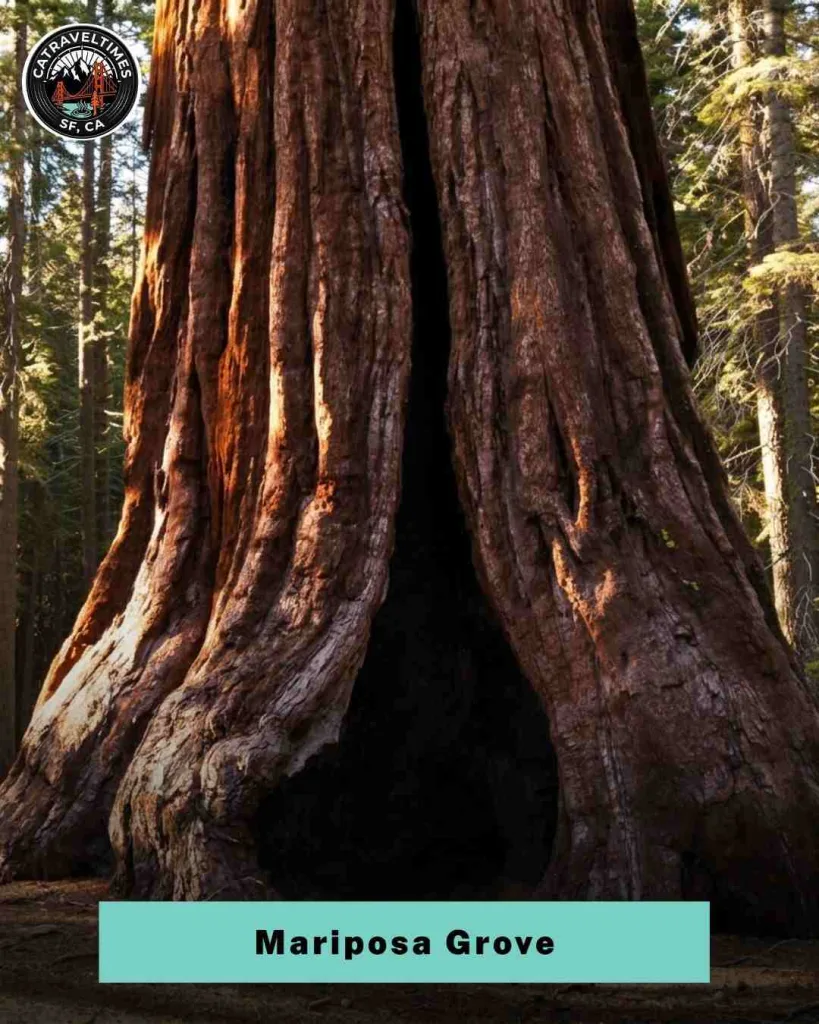
19. Explore Mariposa Grove (Giant Sequoias)
Mariposa Grove is the largest grove of giant sequoias in Yosemite, with over 500 mature trees, including the Grizzly Giant at around 3,000 years old. Walking among these trees is one of those experiences that puts everything in perspective. I remember placing my hand on the Grizzly Giant and trying to imagine what was happening in the world when this tree was a seedling. It stopped me in my tracks.
- Difficulty: Easy to Moderate (some uphill sections)
- Time needed: 2–4 hours for the full grove
- Cost: Free with park entry; shuttle required from the parking area in summer
- Best season: May through October; the road can be closed in winter
- Quick tip: Visit early morning on a weekday to have the grove nearly to yourself — it feels sacred when it’s quiet.
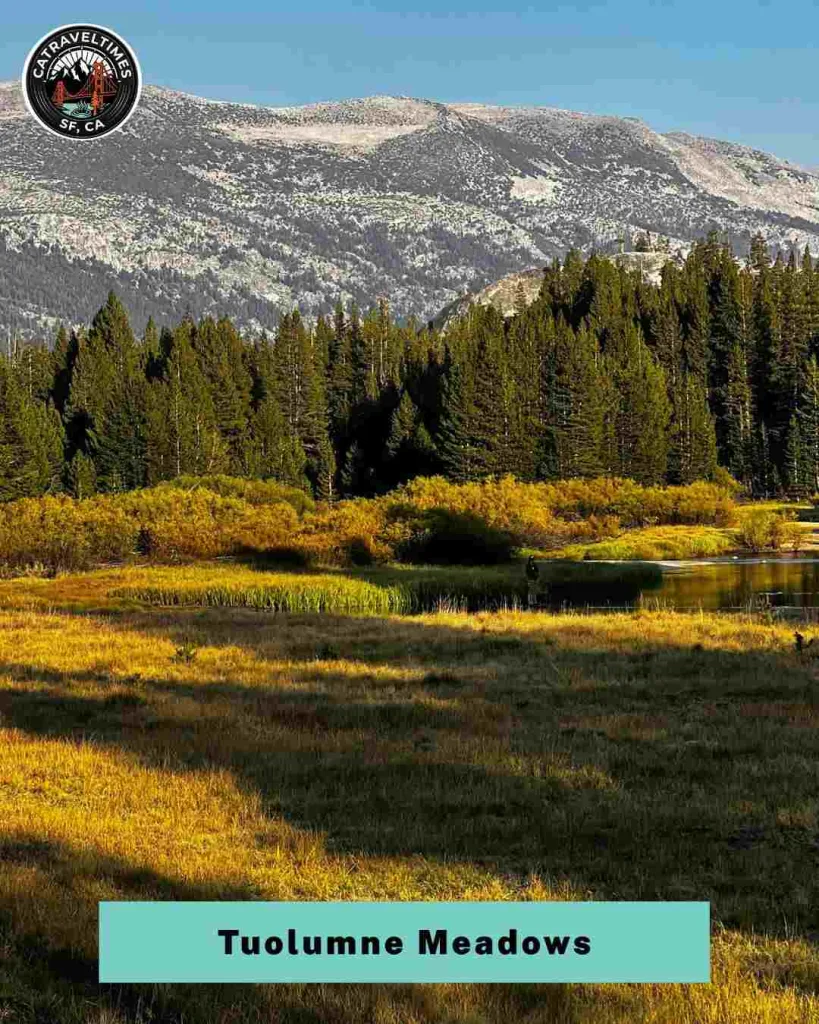
20. Watch for Wildlife in Tuolumne Meadows
Tuolumne Meadows is the largest subalpine meadow in the Sierra Nevada at about 8,600 feet (2,620 m), and it’s one of the best places in the park to see wildlife. Mule deer, black bears, coyotes, and pikas are all regularly spotted here, especially at dawn and dusk. The wide-open landscape makes spotting animals much easier than in the forested valley.
- Difficulty: Easy (flat meadow walks)
- Time needed: 1–3 hours
- Cost: Free with park entry
- Best season: July through September
- Quick tip: Bring binoculars. You’ll see far more wildlife with them than without.
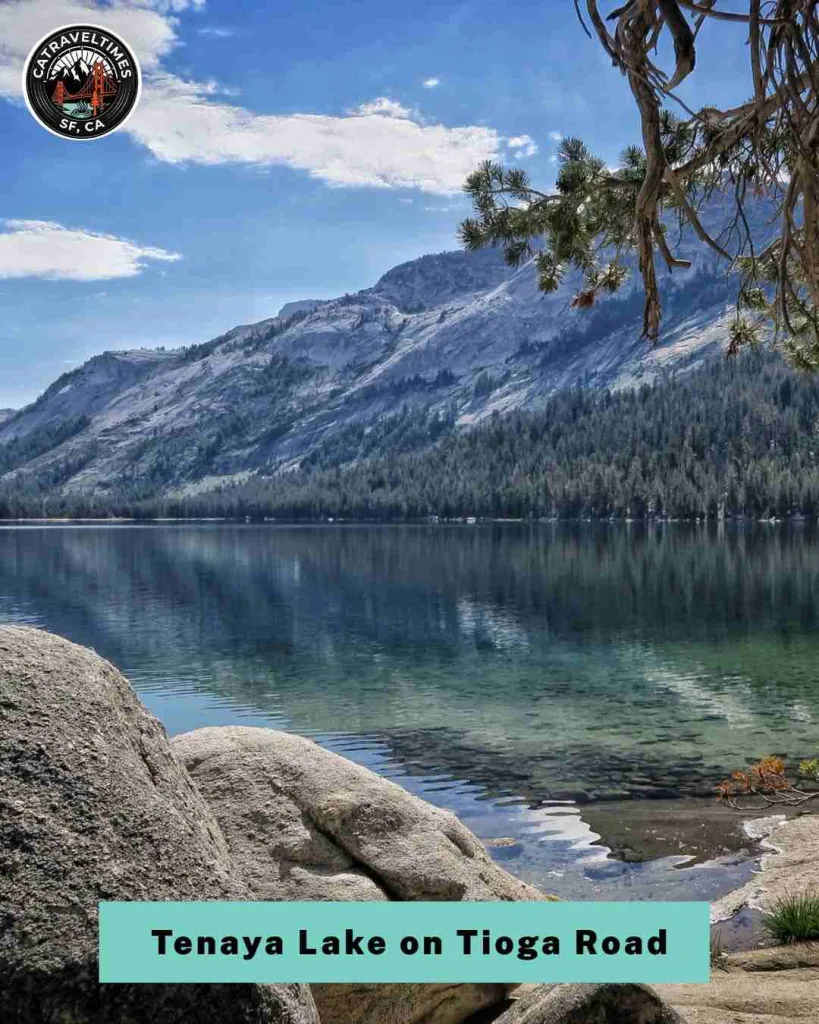
21. Visit Tenaya Lake on Tioga Road
Tenaya Lake is a crystal-clear alpine lake sitting at 8,150 feet (2,484 m), surrounded by polished granite domes. On a calm day the reflections are stunning, and on warm summer days the water is clear enough to see the bottom even where it’s deep. There’s a small sandy beach on the west end that makes it a great picnic stop.
- Difficulty: Easy
- Time needed: 30 minutes to 2 hours
- Cost: Free with park entry
- Best season: July through September
- Quick tip: Swimming is allowed but the water is cold — expect temps around 55–65°F (13–18°C) even in August.
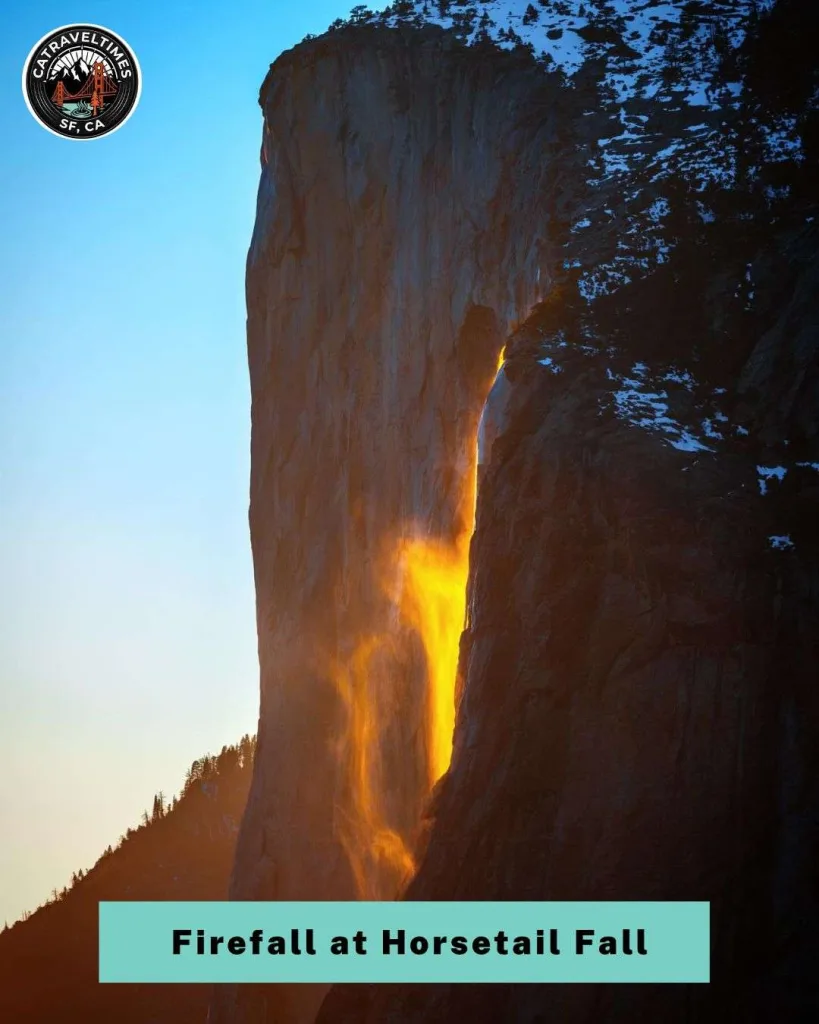
22. See the Firefall at Horsetail Fall (February Only)
Every February, if the conditions align, the setting sun lights up Horsetail Fall so it glows bright orange and red, looking exactly like a flow of lava. The effect only lasts 10–15 minutes each evening over a window of about two weeks. Photographers camp out for days to get the shot. Even if you’re not into photography, watching it in person is worth adjusting your travel dates for.
- Difficulty: Easy (valley floor viewing)
- Time needed: 1–2 hours to get in position and watch
- Cost: Free with park entry; special parking rules apply during the event
- Best season: Mid-to-late February, clear evenings only
- Quick tip: Check Yosemite’s website in January for the exact predicted dates — they publish a forecast.
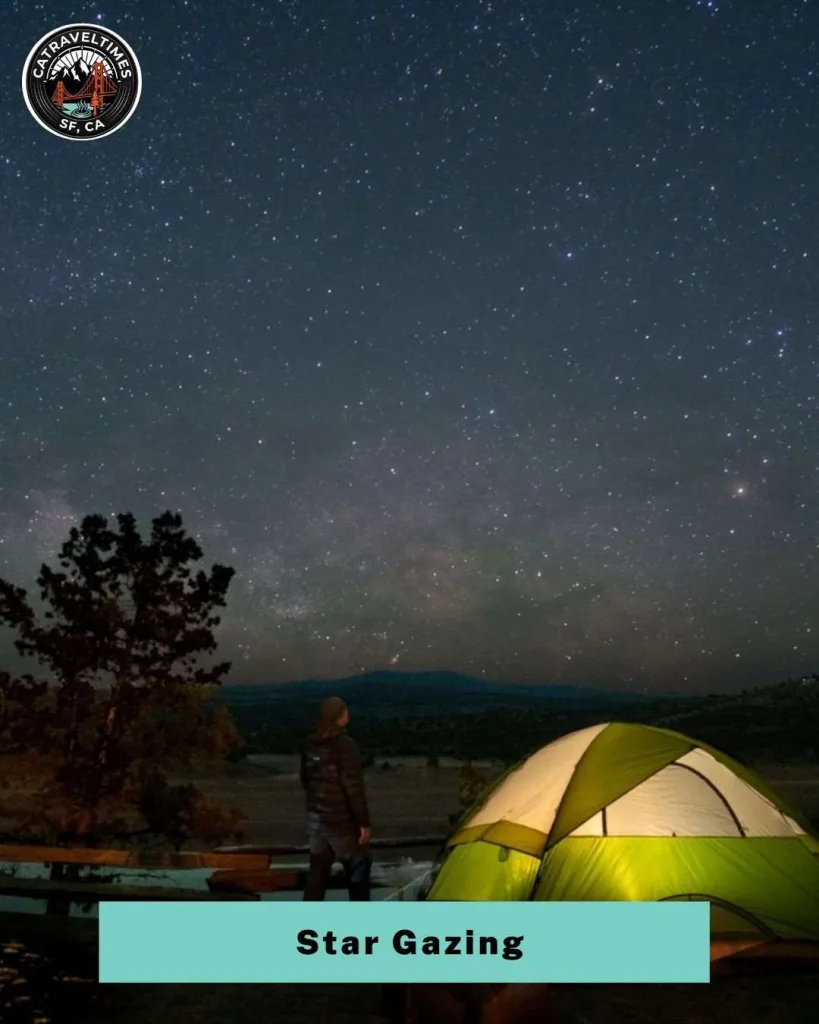
23. Star Gaze in the High Country
Yosemite is designated a Dark Sky area, and the high country above 8,000 feet (2,438 m) offers some of the clearest skies in California. Tuolumne Meadows, Glacier Point, and Tenaya Lake are the top spots. On a clear night you can see the Milky Way core from May through October, and the high elevation means less atmospheric haze.
- Difficulty: Easy
- Time needed: 1–3 hours
- Cost: Free with park entry
- Best season: Summer and early fall; new moon nights are best
- Quick tip: Let your eyes adjust for 20 minutes before looking for faint stars — it makes a big difference.
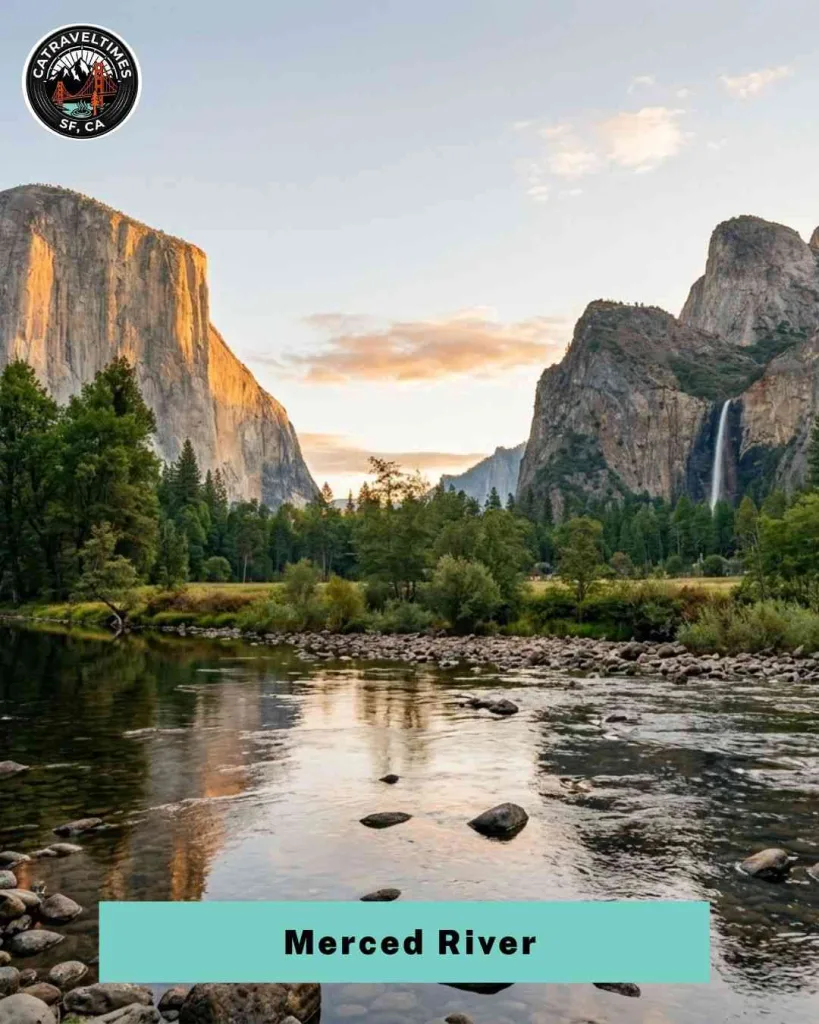
24. Swim in the Merced River (Summer)
The Merced River runs through Yosemite Valley, and several popular swimming holes open up along it in summer. The area near Sentinel Beach and the Swinging Bridge are the most popular, with calm, clear water and sandy banks. Water temperatures peak in July and August, reaching around 65–70°F (18–21°C).
- Difficulty: Easy
- Time needed: As long as you want
- Cost: Free with park entry
- Best season: July and August; the river is too fast and cold in spring
- Quick tip: Never swim near waterfalls or in fast-moving water. Check NPS safety advisories before you go.
25. Raft the Merced River (Seasonal)
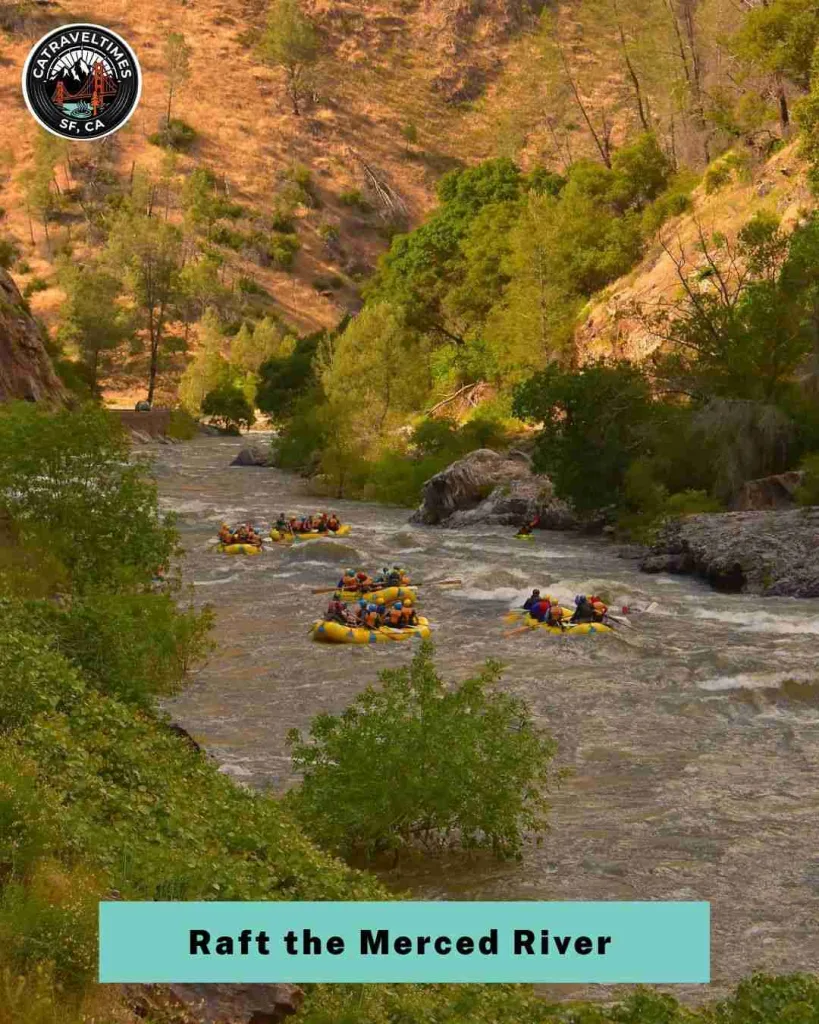
Aramark/Yosemite Hospitality rents inflatable rafts for a self-guided float down a 3-mile (4.8 km) stretch of the Merced River between Stoneman Meadow and Sentinel Beach. It takes about 2–3 hours, it’s relaxing, and the views of the valley from river level are completely different from anything you see on foot.
- Difficulty: Easy
- Time needed: 2–3 hours for the float
- Cost: Rental fees apply (check the Yosemite concessioner’s website for current pricing)
- Best season: Late June through July, when water levels are just right
- Quick tip: Book in advance — raft rentals often sell out by midday during peak summer weekends.
26. Fish in Yosemite’s Streams and Lakes
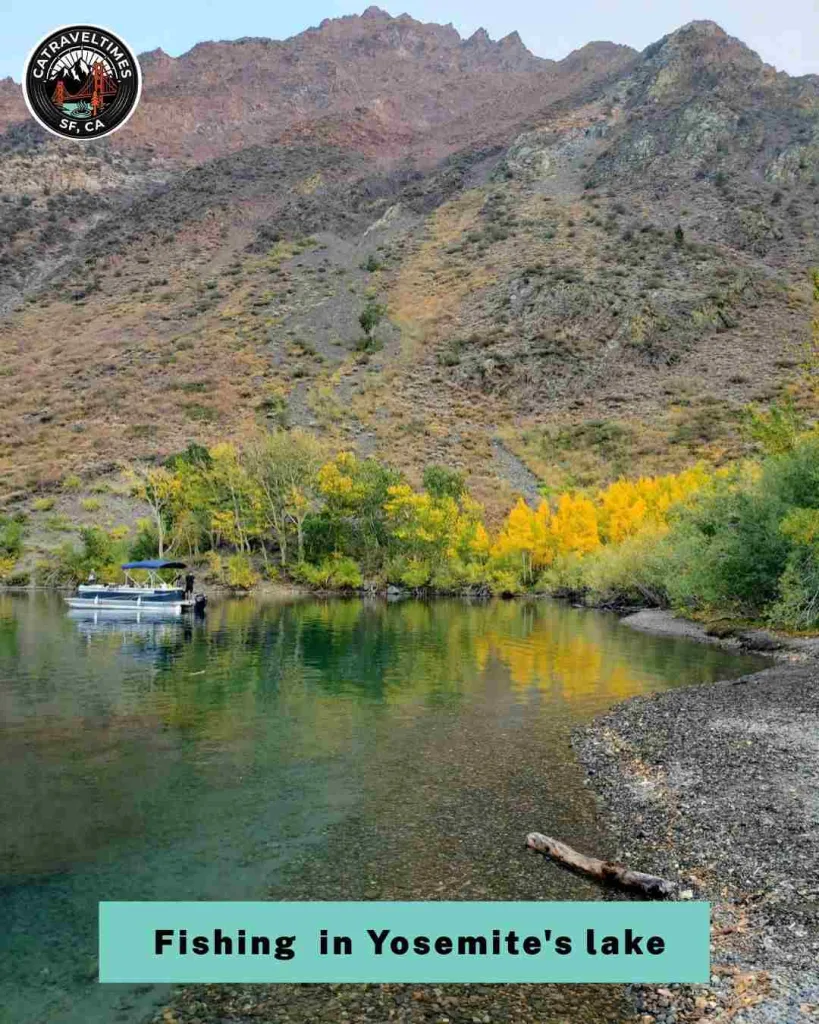
Yosemite has about 800 miles (1,287 km) of streams and 130 lakes open to fishing. Rainbow trout and brown trout are the main catch. A valid California fishing license is required for anyone 16 and older. The Merced River and Tuolumne River are the most popular fishing spots, but smaller streams in the backcountry see very little pressure.
- Difficulty: Easy to Moderate depending on location
- Time needed: Half day to full day
- Cost: California fishing license required (~$17 for a 1-day license)
- Best season: Summer through fall; check for any seasonal closures
- Quick tip: Barbless hooks are required in some sections — check current regulations on the California DFW website.
27. Visit Camp 4 — The Birthplace of Rock Climbing
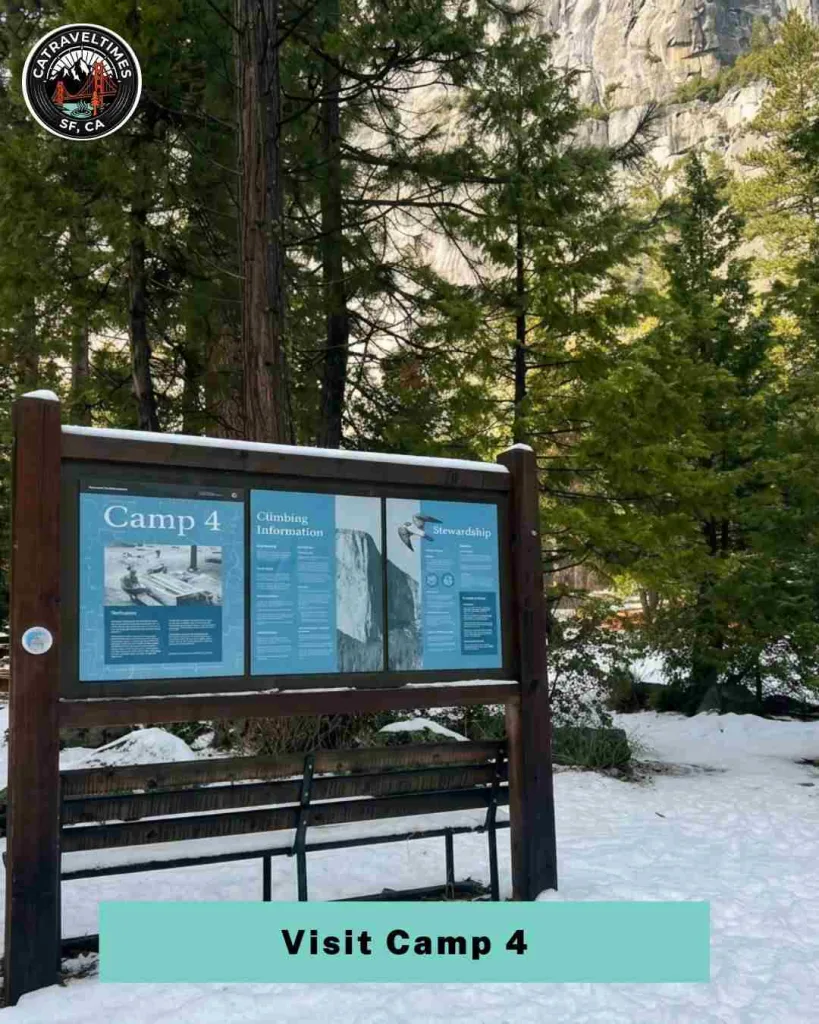
Camp 4 is a walk-in campground on the north side of Yosemite Valley that became the center of the modern rock climbing world. In the 1950s through 1970s, climbers like Royal Robbins, Warren Harding, and later Lynn Hill and Alex Honnold called this place home. The first free ascents of El Capitan’s hardest routes were planned around fire rings here. I spent a morning talking to a climber who had been coming to Camp 4 for 30 years, and the stories he told about the golden era were incredible. It’s a national historic landmark now.
- Difficulty: Easy
- Time needed: 30 minutes to wander and read the history boards
- Cost: Campsite fee if staying; day visit is free with park entry
- Best season: Year-round
- Quick tip: If you want to watch real climbers in action, bring binoculars and look up at El Capitan — there are almost always parties on the wall.
28. Explore Yosemite Village and the Ansel Adams Gallery
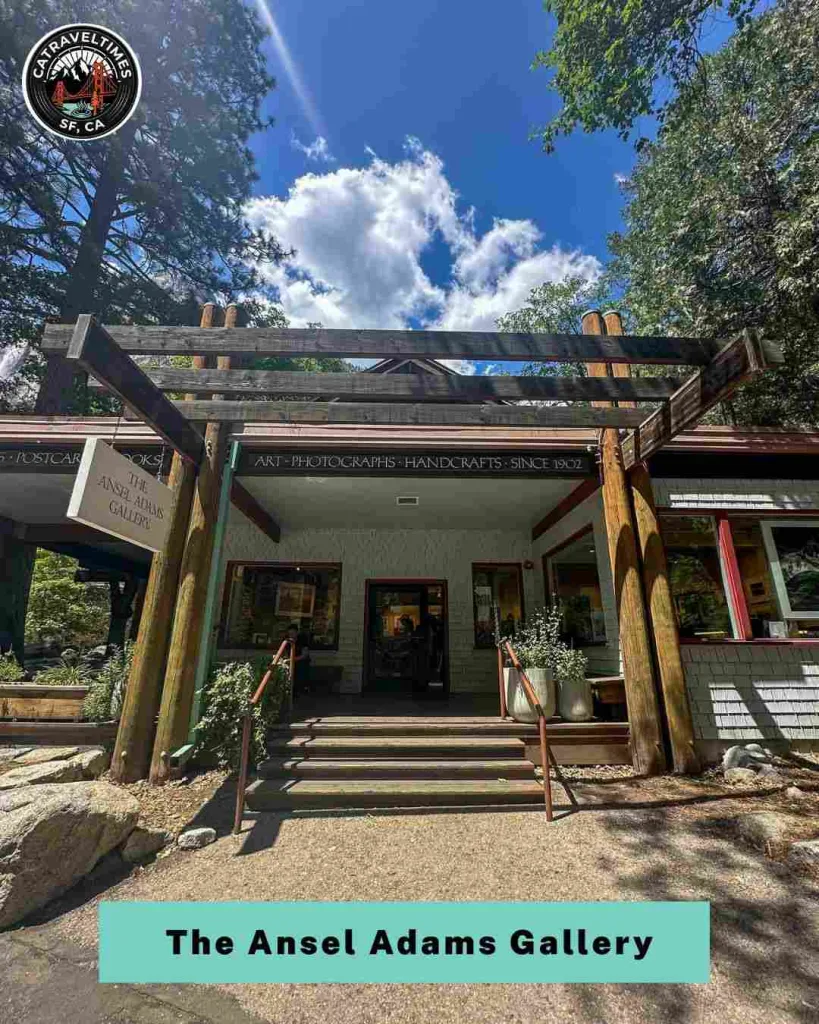
Yosemite Village is the main hub in the park, with a visitor center, museum, post office, and the Ansel Adams Gallery. The gallery has been in operation since 1902 and displays original fine art prints, including Adams’ iconic Yosemite photography. The visitor center has excellent exhibits on the park’s geology and Indigenous history.
- Difficulty: Easy
- Time needed: 1–2 hours
- Cost: Gallery entry is free; some prints are for sale
- Best season: Year-round
- Quick tip: The Yosemite Museum next door is free and has fascinating exhibits on the Ahwahnee people who lived in the valley for thousands of years.
29. Stay at The Ahwahnee Historic Hotel
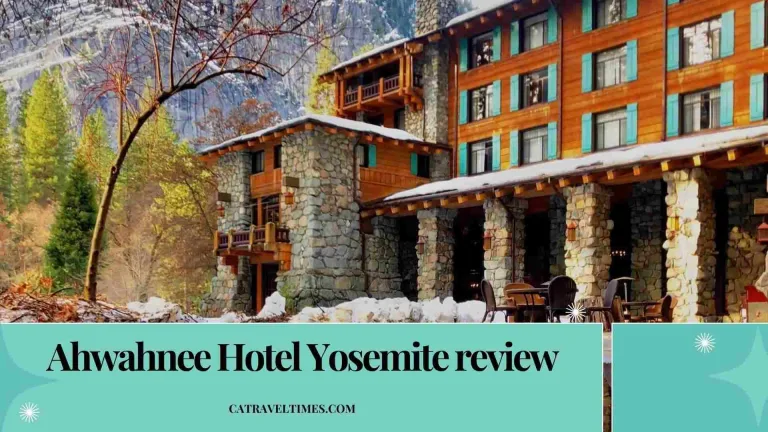
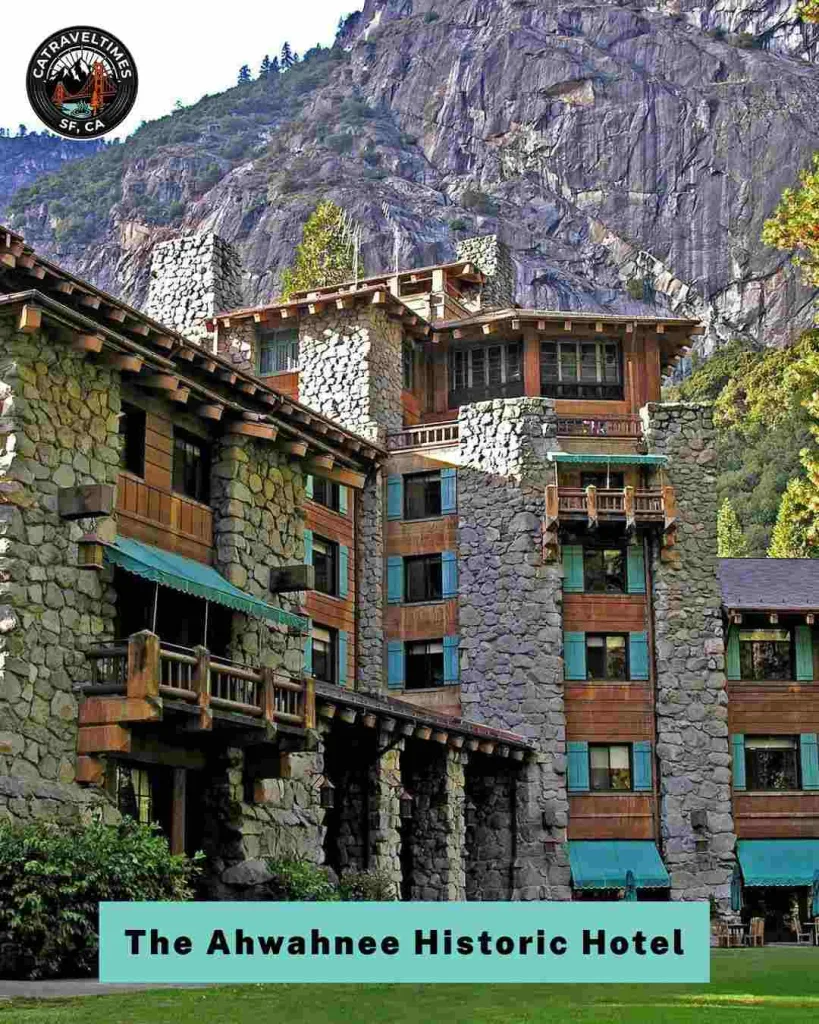
The Ahwahnee (formerly the Ahwahnee Hotel) opened in 1927 and is one of the most architecturally distinctive lodges in any U.S. national park. The Great Lounge alone — with its 24-foot (7.3 m) ceilings and floor-to-ceiling windows looking out at Glacier Point — is worth a visit even if you’re not staying. Dinner in the dining room is a special experience. Read our full Ahwahnee Hotel review for room tips and what’s worth ordering.
- Difficulty: Easy
- Time needed: A meal is 1–2 hours; a stay is as long as you book
- Cost: Room rates typically $500–$800+ per night; dinner entrées around $40–$60
- Best season: Year-round; the holiday Bracebridge Dinner in December is famous
- Quick tip: Walk-in visits for the lobby and bar are welcome even without a reservation. Book rooms 6+ months ahead for peak season.
30. Attend a Ranger-Led Program
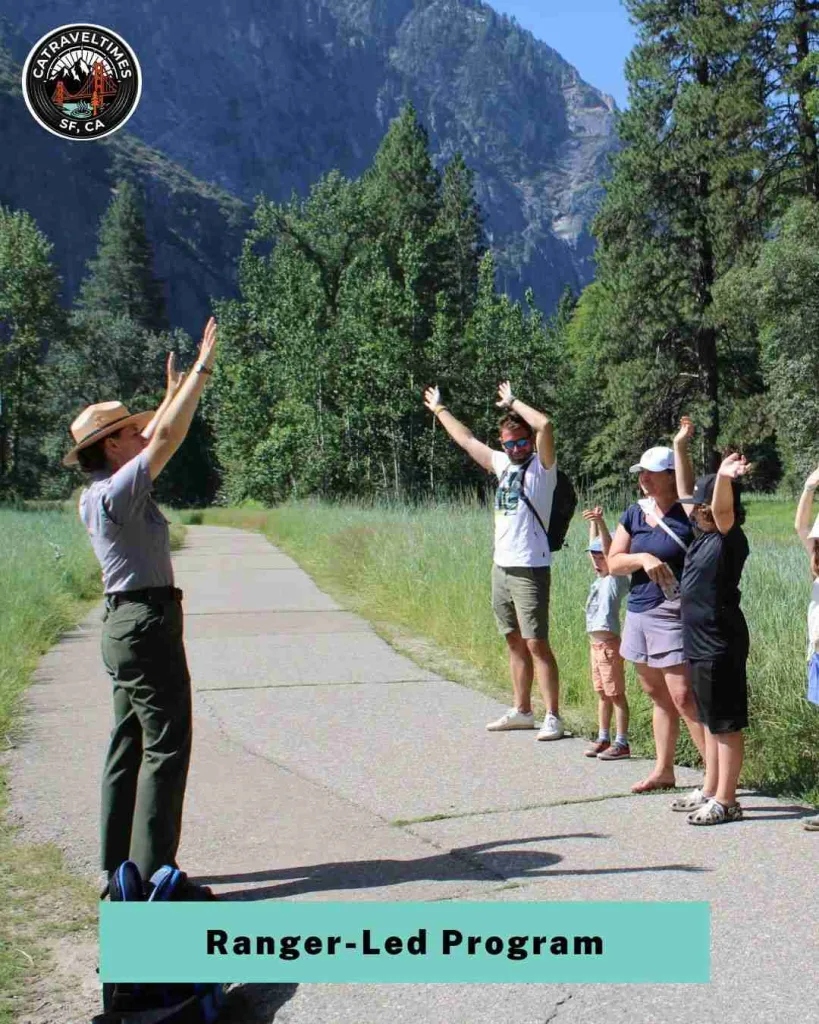
Yosemite’s ranger programs are free, genuinely educational, and cover everything from geology and wildlife to night sky tours and photography walks. Programs run year-round and are usually listed in the Yosemite Guide (the newspaper you get at the entrance gate). Evening programs at Camp Curry and Yosemite Valley Lodge are popular with families.
- Difficulty: Easy
- Time needed: 1–2 hours
- Cost: Free with park entry
- Best season: Summer has the most programs; some run in spring and fall
- Quick tip: Check the Yosemite app or the NPS website for the current schedule before your visit.
10 Things to Do Near Yosemite National Park
If you have extra time or want to extend your trip, these nearby destinations are well worth the detour.
1. Explore Stanislaus National Forest
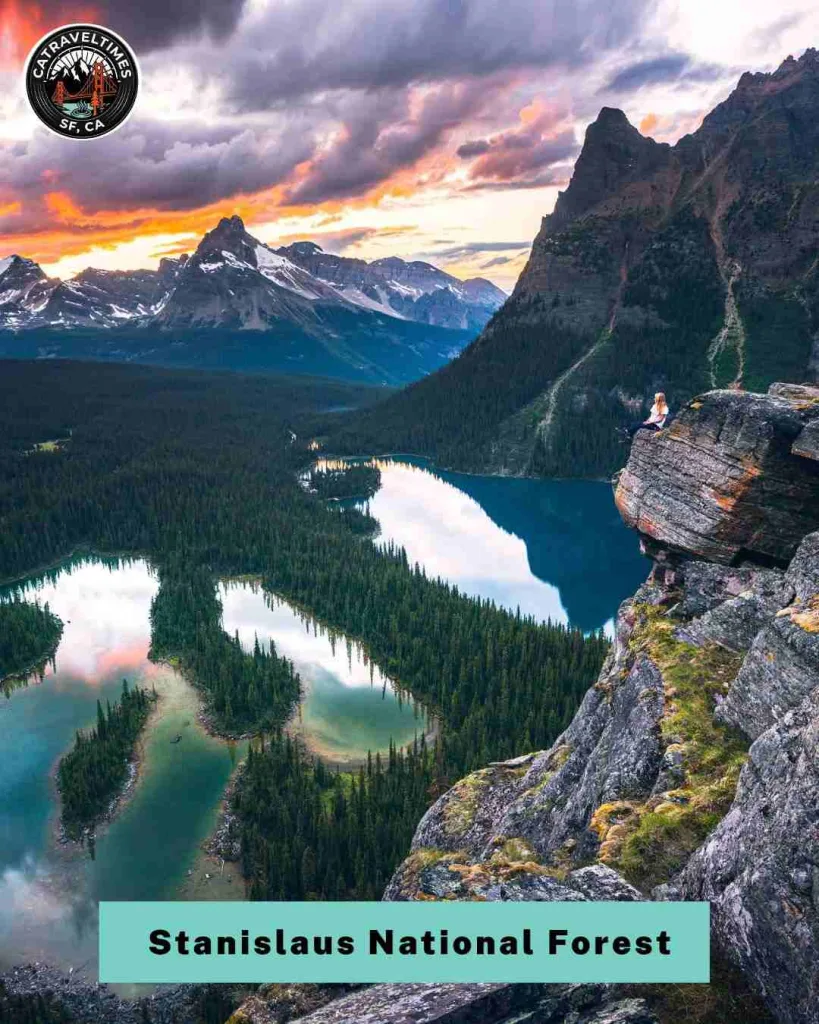
Stanislaus National Forest borders Yosemite to the northwest and offers hiking, fishing, and camping with far fewer crowds than the park. It’s about 10–20 miles (16–32 km) from the Big Oak Flat entrance. The Emigrant Wilderness inside the forest is particularly beautiful, with granite lakes and meadows that feel a lot like Yosemite’s high country without the permit pressure.
2. Visit the Town of El Portal
El Portal sits just 2 miles (3.2 km) from the Arch Rock entrance and serves as the residential community for many Yosemite park employees. It’s a quiet spot with a small grocery store and a few places to stay, but the main reason to stop is the Merced River gorge right through town — the water here is a vivid turquoise color and the canyon walls are impressive.

3. Go Wine Tasting in the Sierra Foothills
The Sierra Nevada foothills between Sonora and Placerville are home to a growing wine region known for Zinfandel and Rhône varietals. Amador County is about 1.5 hours (90 miles / 145 km) northwest of the park. Several tasting rooms are casual, scenic, and uncrowded — a nice contrast to a busy week in the park.
4. See Hetch Hetchy Reservoir
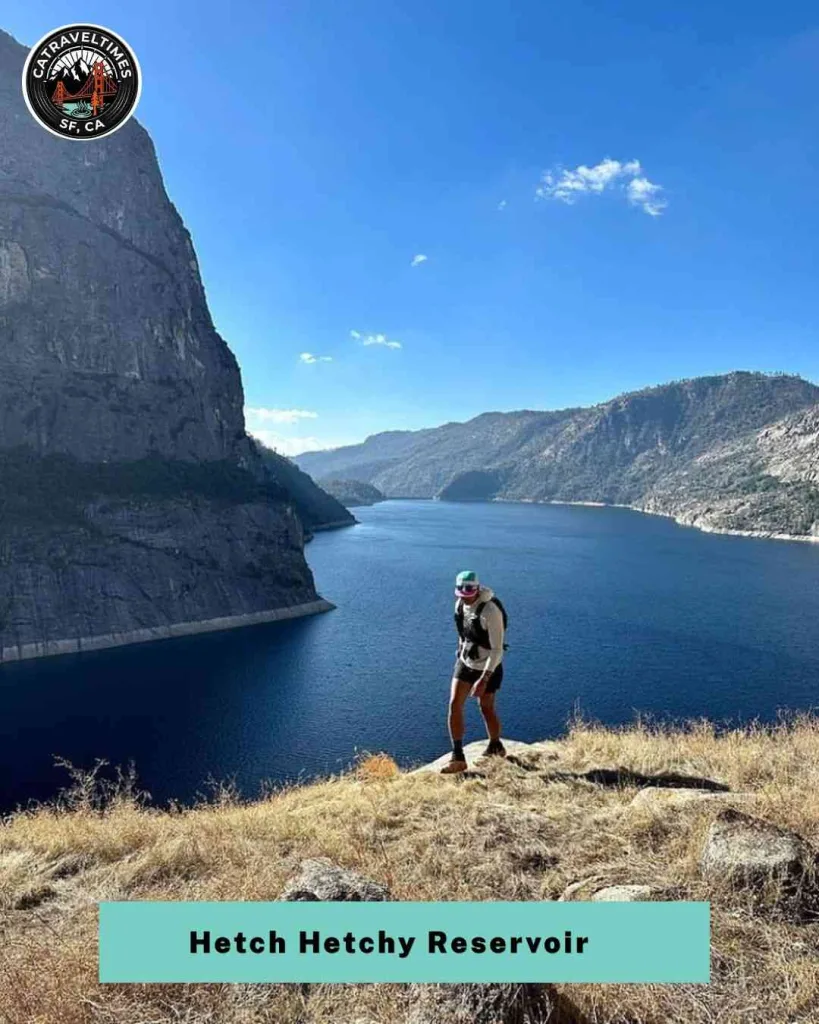
Hetch Hetchy Valley was flooded in 1923 to create a water reservoir for San Francisco, and the debate over that decision shaped U.S. conservation policy for decades. Today you can hike along the reservoir’s edge to Wapama Falls, a 5-mile (8 km) round trip, and see what a Yosemite-scale valley looks like when a third of it is underwater. It’s thought-provoking, and the waterfall is impressive. Located about 40 miles (64 km) from Yosemite Valley.
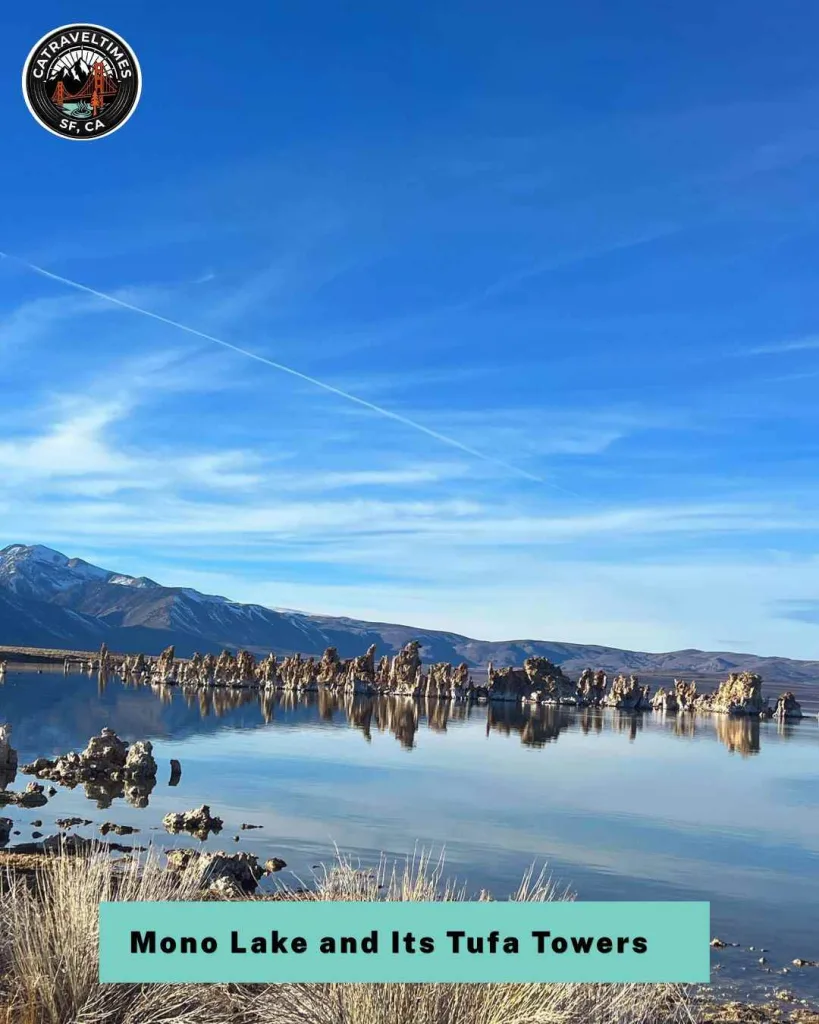
5. Drive to Mono Lake and Its Tufa Towers
Mono Lake is a prehistoric saltwater lake east of Yosemite on Highway 395, about 13 miles (21 km) from the Tioga Pass entrance. The tufa towers spires of calcium carbonate that formed underwater and are now exposed along the shore look like something from another planet. I first stopped here on a quick detour and ended up staying two hours because I couldn’t stop photographing. The light in the late afternoon turns everything in the scene a warm amber, and the reflections of the towers in the lake are surreal. Mono Lake is also an important migratory bird stopover, with millions of grebes and phalaropes passing through in fall.
Distance: 13 miles (21 km) east of Tioga Pass; 75 miles (121 km) from Yosemite Valley via Tioga Road Why it’s worth it: It’s unlike anything else in the region, and the drive on Highway 395 to get there is one of the best in California.
6. Visit Sequoia and Kings Canyon National Park
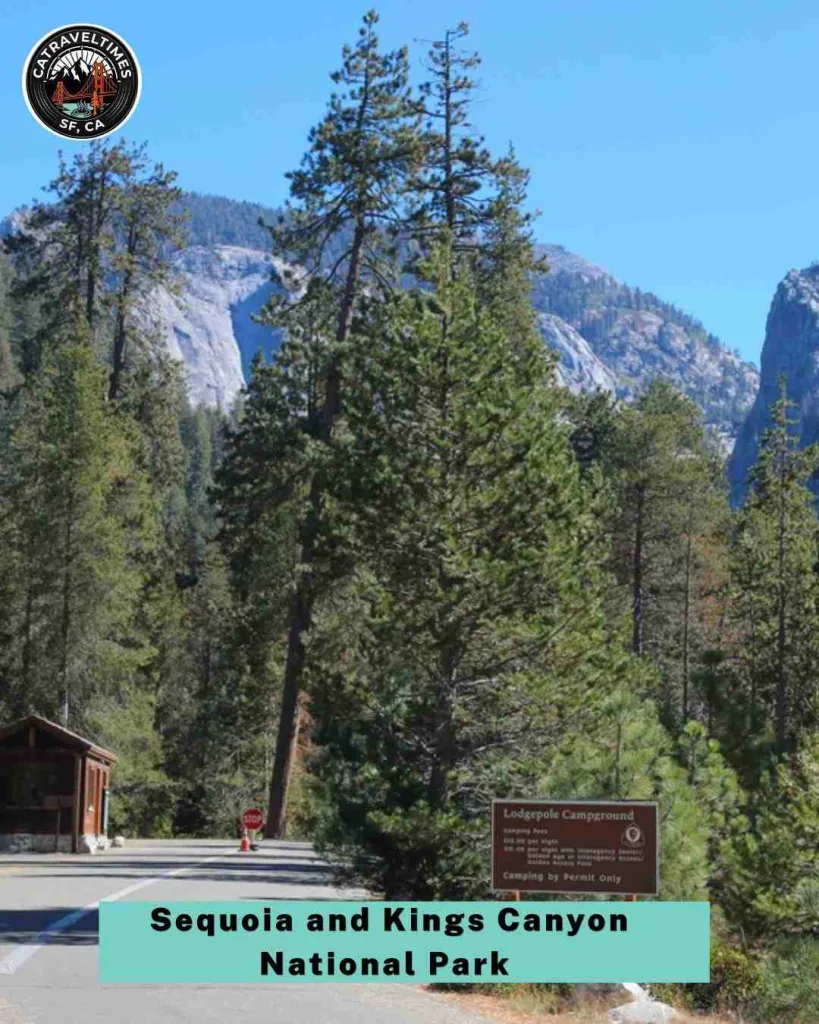
Sequoia and Kings Canyon are about 2.5–3 hours (150 miles / 241 km) south of Yosemite and together form a separate but equally spectacular park system. The General Sherman Tree the largest tree on Earth by volume, is here, along with deep canyon hiking and less crowded backcountry than Yosemite. It makes sense to combine the two parks into a multi-day California national parks trip.
7. Stop in Groveland for Local Food and History
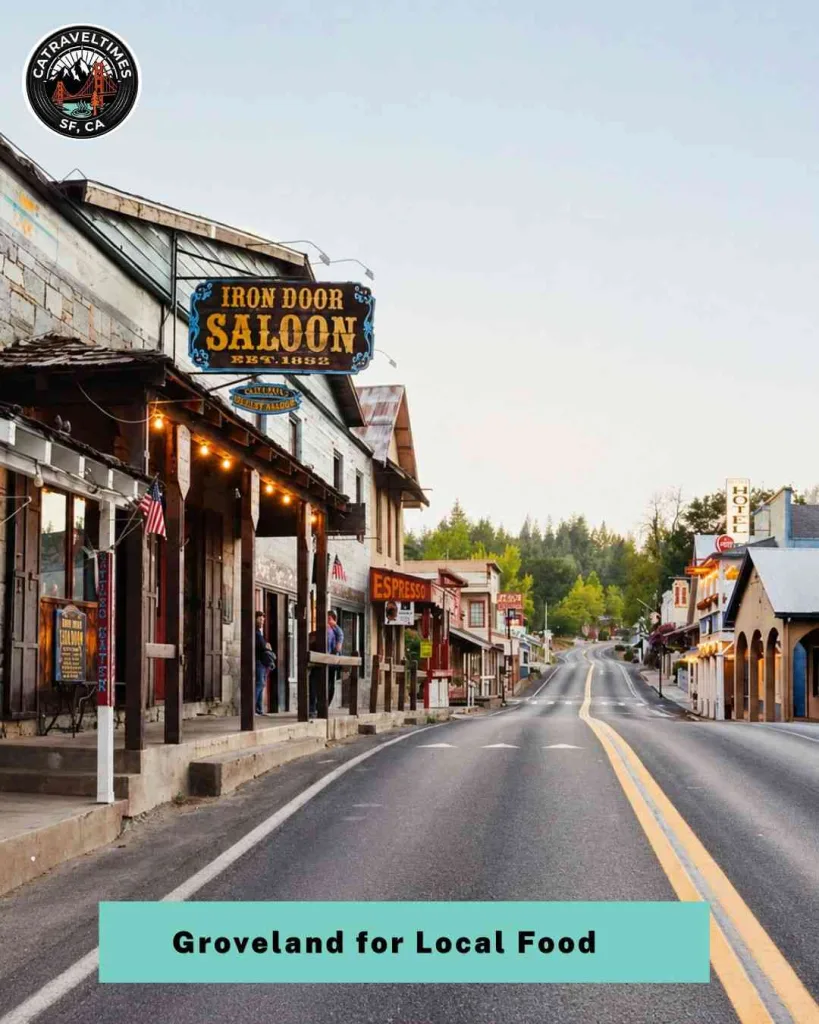
Groveland is a small Gold Rush town on Highway 120, about 25 miles (40 km) west of the Big Oak Flat entrance. The Iron Door Saloon claims to be the oldest continuously operating bar in California (since 1852), and the town has several good spots for a meal or a craft beer before or after a park visit. It’s a comfortable and charming stop with real character.
8. Explore Bodie Ghost Town
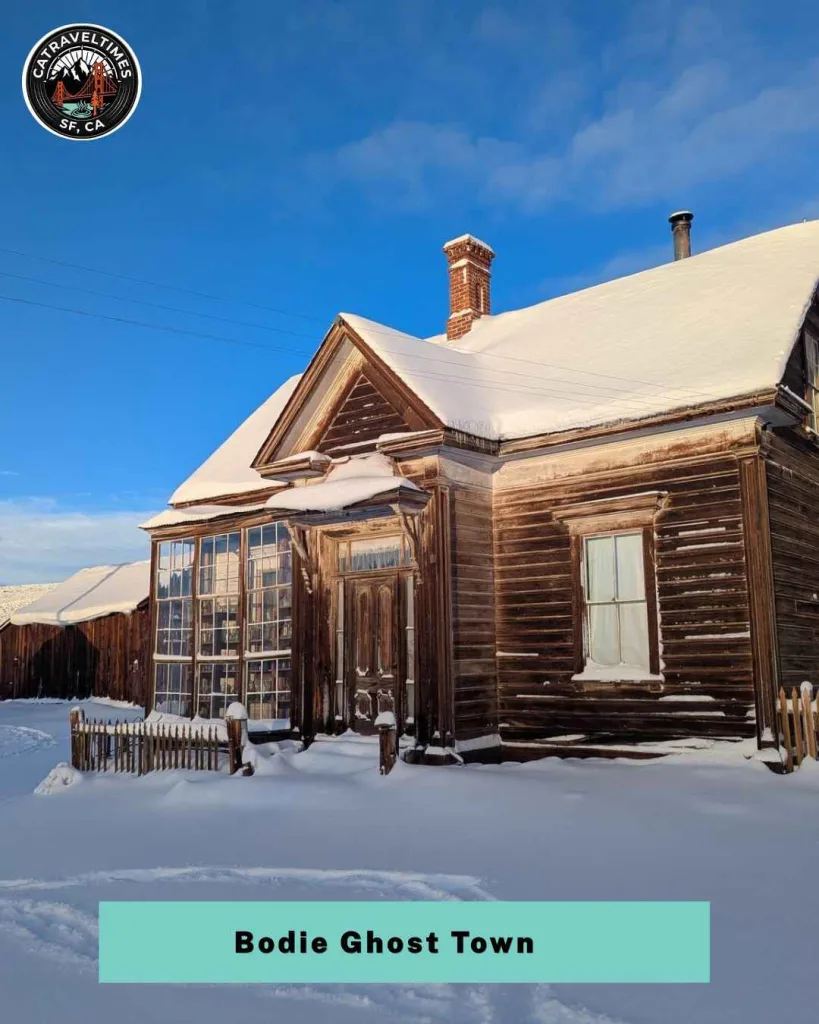
Bodie is a remarkably well-preserved gold mining ghost town in the high desert east of the Sierra, about 75 miles (121 km) from Yosemite’s east entrance. At its peak in the 1870s it had nearly 10,000 residents; today it has none, and the state parks system maintains it in a state of “arrested decay.” Walking through the empty streets with the wind blowing is genuinely eerie and interesting.
9. Soak in Hot Springs near Mammoth Lakes
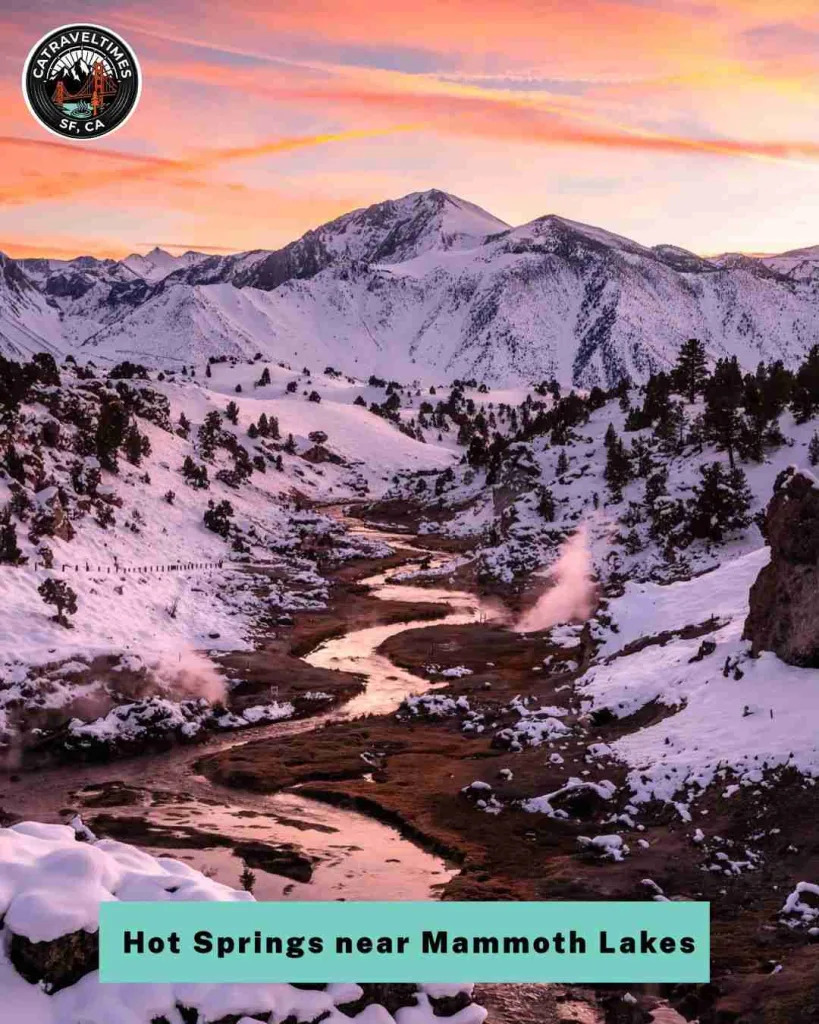
Mammoth Lakes is about 40 miles (64 km) south of Mono Lake on Highway 395, roughly 2 hours from Yosemite Valley via Tioga Road. The area has several accessible hot springs, including Benton Hot Springs and Hot Creek Geological Site. After a hard week of hiking, spending an evening soaking in a natural pool under the stars is a proper reward.
10. Take a Day Trip to Lake Tahoe
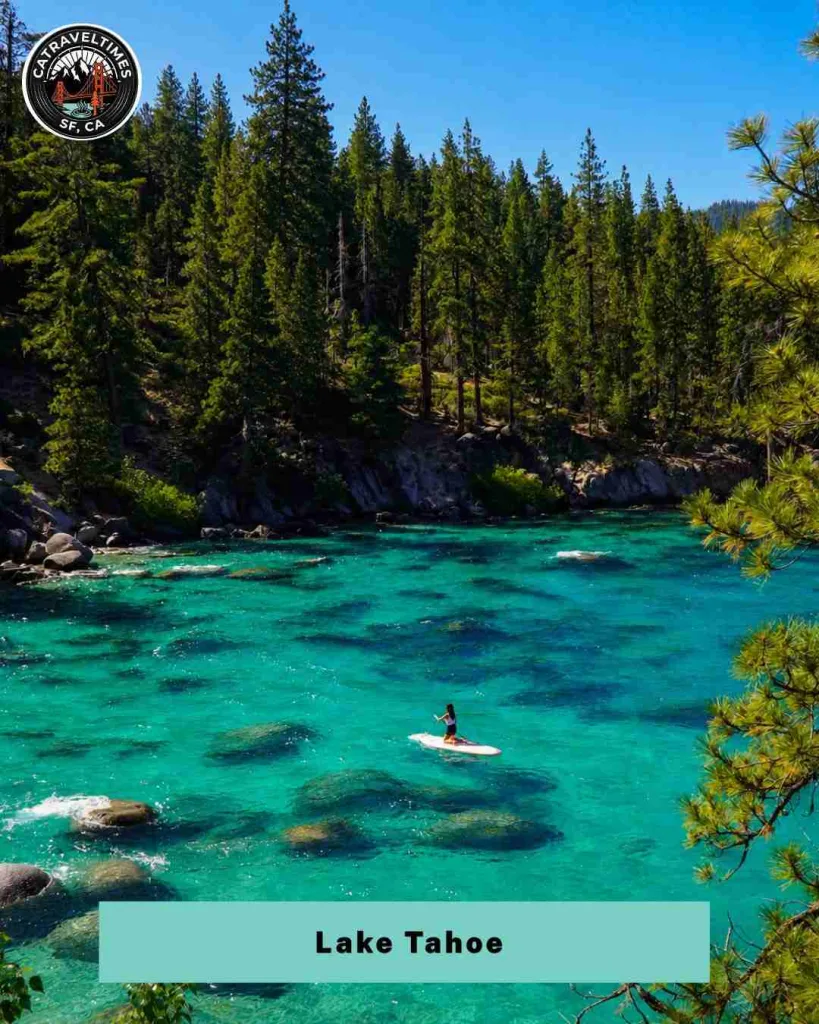
Lake Tahoe sits about 4 hours (180 miles / 290 km) north of Yosemite, making it a stretch as a day trip but very doable as an extension if you’re driving through. The lake is one of the clearest and deepest in North America, and the drive along its eastern or western shore is spectacular. Best combined with an overnight stay in South Lake Tahoe or Truckee.
5 Things You Should Know Before Visiting Yosemite National Park
How to Get a Half Dome Permit
Half Dome permits are distributed through a lottery system. There are two chances to get one: the pre-season lottery in March (for permits valid May through September) and daily lotteries that open two days before each hiking date. Each application allows up to six people and costs a small non-refundable application fee. Permits for weekends go fast in the pre-season lottery, so apply for weekdays if you have flexibility. Check the NPS recreation.gov page for current dates and fees.
Yosemite Entry Fees and Annual Passes
In 2025, the standard vehicle entry fee is $35, valid for seven days. Individual entry (on foot, bicycle, or motorcycle) is $20–$30. If you plan to visit multiple national parks in a year, the America the Beautiful Annual Pass at $80 covers Yosemite and over 2,000 other federal recreation sites it pays for itself in two visits. Active military and fourth-grade students get free access. Buy your pass online before you arrive to save time at the gate.
Where to Stay in Yosemite (All Budgets)
Accommodation inside the park ranges from tent cabins at Curry Village (around $120–$150/night) to rooms at The Ahwahnee ($500+). Mid-range options include Yosemite Valley Lodge and Housekeeping Camp. Campsites are the most affordable option at $26–$36/night, but they book out months ahead on recreation.gov. Outside the park, gateway towns like El Portal, Groveland, Mariposa, and Lee Vining have hotels and vacation rentals at lower prices, usually 30–60 minutes from the valley entrance.
Getting Around the Park (Shuttles and Driving)
The free Yosemite Valley Shuttle runs year-round on a loop with 21 stops covering all major valley sights, campgrounds, and trailheads. From April through October, some areas of the valley require shuttle access rather than personal vehicles. If you’re driving, know that day-use parking reservations are required during peak season (April through October) and must be booked in advance. GPS isn’t always reliable inside the park, download offline maps before you go.
What to Pack for Yosemite
- Layers: Valley temperatures can vary 30–40°F (17–22°C) between morning and afternoon
- Sun protection: Sunscreen, sunglasses, and a hat granite reflects UV aggressively
- Water: Carry at least 2 liters (0.5 gallons) per person per day; more on strenuous hikes
- Snacks: Food options in the park are limited outside of Yosemite Village
- Bear canister or bear box: Required for overnight backcountry camping
- Traction devices: If visiting in winter or early spring, Microspikes are useful on icy trails
- Printed maps: Cell service is unreliable in the valley and nearly nonexistent in the high country
Best Spots to Take Photos in Yosemite
I’ve spent years photographing Yosemite across every season, and honestly it never gets old. Every visit I come back with shots that still surprise me.
- Golden Hour & Sunrise — Cook’s Meadow and Valley View are perfect for sunrise when low-angle light hits the cliff faces. Glacier Point and Sentinel Dome go warm gold at sunset. Tunnel View works beautifully on overcast days too.
- Waterfall Shots — Use a slow shutter speed (1/4 second or slower) with a tripod to get that silky water effect. Spring mornings give the best light before valley walls create shade. For Horsetail Fall in February, get to the El Capitan picnic area at least 45 minutes before sunset.
- Wildlife Photography — Tuolumne Meadows and valley meadows at dawn are your best bet for bears, deer, and coyotes. Stay at least 50 feet (15 m) from deer and 100 yards (91 m) from bears. Use a 200mm+ telephoto lens and never feed animals for a better shot.
Stay Safe and Follow the Rules
Yosemite is wild in the best way, but that also means a little preparation goes a long way. Keep these basics in mind and you’ll have a safe, responsible visit.
What to Do If You Encounter a Bear in Yosemite?
Black bears are a real part of the Yosemite experience; the park is home to somewhere between 300 and 500 of them, and you will likely spot at least one. If a bear approaches you, don’t freeze and don’t run. Stand your ground, make yourself look big, raise your arms or lift something over your head, and make noise. Bears here are wild animals, not photo opportunities, respect the distance and they’ll move on.
Trail Safety and Altitude Awareness
The valley floor sits at 4,000 feet (1,219 m), but many trails climb to 8,000–10,000 feet (2,438–3,048 m). If you’re coming from sea level, give yourself a day to acclimatize before attempting strenuous hikes. Symptoms of altitude sickness include headache, nausea, and fatigue. On all high trails, check the weather before starting afternoon thunderstorms are common in summer and can appear quickly above treeline. Carry a map and don’t rely entirely on your phone for navigation.
Leave No Trace Principles in Yosemite
Pack out everything you pack in including food scraps and orange peels, which take months to decompose. Stay on marked trails, especially in meadows, which are fragile. Don’t pick wildflowers or collect rocks. Use designated toilets at trailheads; in the backcountry, use a trowel and bury waste at least 200 feet (61 m) from water sources. Camp only in designated sites or use a backcountry permit for dispersed camping. These habits are what keeps Yosemite wild.
Sample Yosemite Itineraries for Every Trip Length
1-Day Yosemite Itinerary
- 6:00 AM — Arrive early, park at the Yosemite Valley day-use lot
- 6:30 AM — Walk Cook’s Meadow for sunrise views of Half Dome
- 7:30 AM — Drive to Bridalveil Fall for a short walk to the base
- 8:00 AM — Stop at Tunnel View for the classic valley panorama
- 9:00 AM — Hike the Lower Yosemite Falls Trail
- 11:00 AM — Walk to Mirror Lake for Half Dome reflections
- 1:00 PM — Lunch at Yosemite Village
- 2:30 PM — Drive to Valley View Overlook for a different valley angle
- 4:00 PM — Head to Glacier Point for sunset (if road is open)
- 7:00 PM — Drive out before night parking restrictions apply
2-Day Yosemite Itinerary
Day 1:
- Early morning: Cook’s Meadow and Tunnel View
- Morning: Hike the Mist Trail to Vernal Fall
- Afternoon: Swim in the Merced River at Sentinel Beach
- Evening: Glacier Point sunset
Day 2:
- Early morning: Upper Yosemite Falls Trail (start by 6:30 AM)
- Midday: Explore Yosemite Village and the Ansel Adams Gallery
- Afternoon: Drive to Mariposa Grove for the Giant Sequoias
- Evening: Ranger-led program at Curry Village or Camp 4 history walk
3-Day Yosemite Itinerary
Day 1:
- Morning: Cook’s Meadow, Tunnel View, Bridalveil Fall
- Midday: Mist Trail to Vernal and Nevada Falls
- Evening: Glacier Point sunset
Day 2:
- Early morning: Upper Yosemite Falls Trail
- Afternoon: Mariposa Grove
- Evening: Swimming at Merced River; dinner at The Ahwahnee
Day 3:
- Full day: Drive Tioga Road — stop at Olmsted Point, Tenaya Lake, Tuolumne Meadows
- Evening: Stargazing in the high country before returning to the valley
5-Day Yosemite Itinerary (Full Experience)
- Day 1: Valley floor orientation — Cook’s Meadow, Tunnel View, Bridalveil Fall, Mirror Lake, Valley Loop sections
- Day 2: Strenuous hike — Upper Yosemite Falls or Four Mile Trail to Glacier Point
- Day 3: Mist Trail to Nevada Fall; afternoon raft on the Merced River
- Day 4: Full Tioga Road day — Olmsted Point, Tenaya Lake, Tuolumne Meadows wildlife watching, stargazing overnight
- Day 5: Mariposa Grove in the morning; Camp 4 and El Capitan watching in the afternoon; Half Dome permit hike if you secured one
Final Thoughts
Yosemite stays with you long after you leave. I’ve been back multiple times across different seasons and every visit still feels new; the light, the snow, and the sheer scale of the place never get old.
If it’s your first trip, don’t rush it. Pick two or three things that excite you and go from there. The valley isn’t going anywhere. Whatever brings you — the waterfalls, the hikes, or just the need to feel small for a while — Yosemite always delivers. For more California travel guides and trip planning resources, visit CA Travel Times.
Frequently Asked Questions About Yosemite
What is Yosemite most famous for?
El Capitan, Half Dome, and its dramatic waterfalls put Yosemite on the map. It’s also famous for giant sequoias, Ansel Adams’ photography, and being the birthplace of modern big wall climbing.
How many days do you need in Yosemite?
Three days covers the valley highlights and one major hike comfortably. Five days lets you add the high country and Half Dome if you have a permit.
Is Yosemite worth visiting in winter?
Yes. You get snow-covered meadows, far fewer crowds, and lower hotel rates. The valley stays fully open even when Tioga Road and Glacier Point Road close.
Can you visit Yosemite without a permit?
Most of the park only requires the entrance fee. Day-use reservations (April–October) are free but must be booked ahead only Half Dome and backcountry overnight trips need extra permits.
What is the hardest hike in Yosemite?
Half Dome is the toughest single-day hike at 16 miles (25.7 km) with 4,800 feet (1,463 m) of gain and a steep cable section near the top.