
What to Expect From a Steakhouse That Puts Prime Cuts Up Front
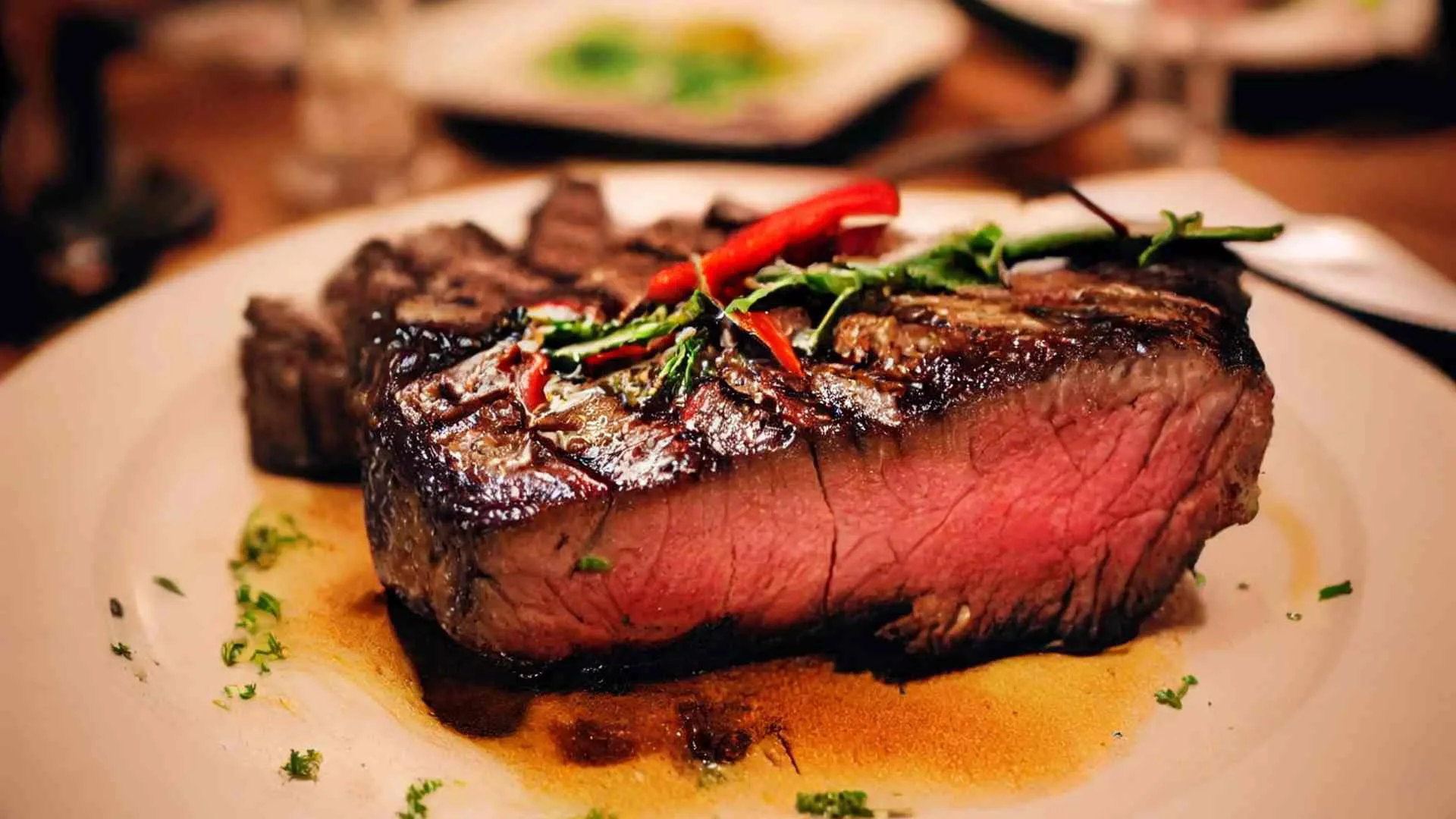
Not every steakhouse treats its beef as the centerpiece, but the best ones do. Prime-grade cuts earn their status through superior marbling, and restaurants that build a menu around them make a deliberate choice. Guests at these places expect more than a good steak. They expect sides prepared with equal care, a staff that knows the menu cold, and a room designed to let the food take center stage. That experience starts well before the first bite.
The beef itself sets the standard
Prime beef represents a small fraction of all USDA-graded cattle. The grade reflects dense, even marbling throughout the muscle, and that fat is what gives prime cuts their tenderness and depth of flavor. A reputable Tampa steakhouse built around this grade works with select suppliers and often ages its beef in-house, whether through dry-aging or wet-aging methods.
Guests will recognize the usual lineup: ribeye, filet mignon, New York strip. But at the prime level, those familiar cuts perform differently on the plate. As the steak cooks, intramuscular fat renders, basting the meat from within and producing a richness lower grades cannot replicate.
Preparation matters as much as the cut
Sourcing prime beef is half the job. The other half belongs to the kitchen. Most serious steakhouses sear at extreme temperatures, often above 1,000 degrees Fahrenheit, to produce a dark, caramelized crust while keeping the center at the guest’s requested doneness.
Seasoning stays minimal on purpose. Salt, pepper, and high heat are enough for a well-marbled steak. Heavy marinades and thick sauces tend to show up where the meat needs help. A confident kitchen pairs its prime cuts with butter or a restrained finishing touch and leaves the beef flavor in full view.
Sides and accompaniments hold their own
A restaurant that spends on prime-grade beef usually applies that same discipline to its sides. Creamed spinach, loaded baked potatoes, roasted asparagus: these appear everywhere, but the gap between a forgettable version and a great one comes down to fresh ingredients, accurate seasoning, and precise timing.
Wine programs at these steakhouses skew toward full-bodied reds. Cabernet Sauvignon and Malbec stand up well to the fat content in prime beef. A knowledgeable staff pairs the bottle to the cut without turning the table into a classroom.
Service reflects the price point
Guests paying premium prices for prime steak expect staff who earn the check. A good server at this level can walk through the differences between a bone-in ribeye and a porterhouse without hesitation. They understand cook times, resting periods, and which sides work best alongside each cut.
Pacing is just as telling. A rushed dinner cheapens the experience. A slow one tests patience. The strongest steakhouses land somewhere precise, timing each course so guests finish comfortably before the next plate arrives.
Atmosphere supports the meal
Dim lighting, leather seating, and solid tableware show up in nearly every steakhouse in this category. Those choices are intentional. A quieter dining room encourages guests to slow down and pay attention to what they are eating.
Music sits low in the mix. Conversations carry without raised voices. The room stays comfortable through a long dinner. None of this replaces the quality of the steak on the plate, but it clears away anything that might compete with it.
What separates a good steakhouse from a forgettable one
Consistency draws regulars back. One impressive meal is not enough. A guest who orders the ribeye on a quiet Tuesday night should get the same quality as someone dining on a packed Saturday. That takes disciplined sourcing, a well-trained kitchen, and management unwilling to substitute lesser ingredients when supply tightens.
Portions count, too. A prime-cut steakhouse serves generous plates that justify a higher check. Guests should walk out satisfied, not looking for a second stop on the way home.
Conclusion
A steakhouse that leads with prime cuts raises the bar for everything around them. The beef should carry real marbling and arrive cooked with skill. Sides should stand on their own. Service should feel sharp without feeling stiff. Before booking the next reservation, it pays to check whether the restaurant lists its beef grade on the menu. That one detail says more about what to expect than any photo or review ever could.