
How to Make California Cioppino for a Small Guest Dinner
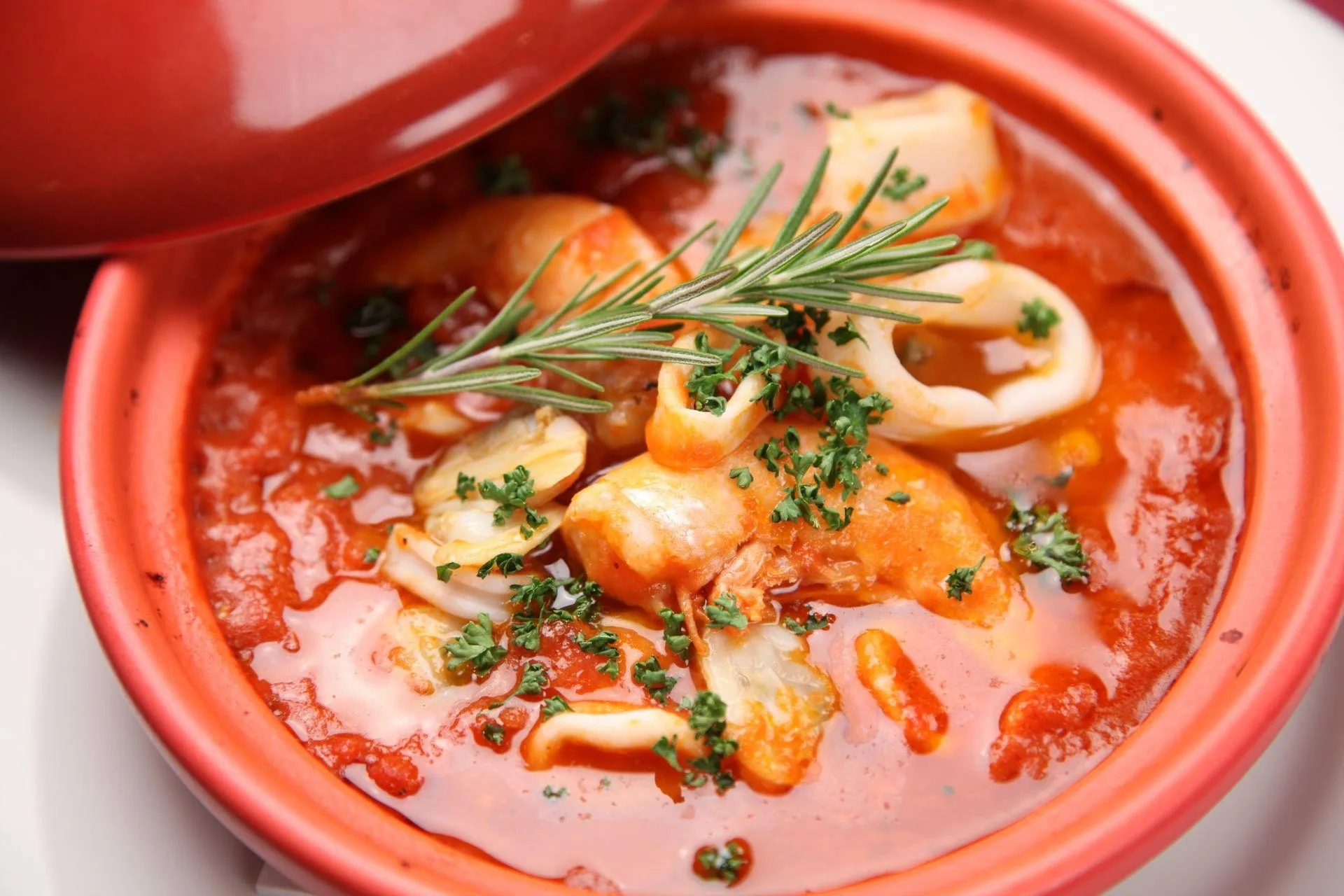
The first ladle of cioppino brings a coastal dinner to life: tomato-scented steam, tender fish, and mussels opening in a garlicky broth. Picture serving it with warm sourdough as guests settle around the table.
For a small California inn or vacation property offering dinner, this San Francisco–associated seafood stew feels special without requiring individual entrées. The secret is simple: prepare the broth early and cook the seafood just before serving.
1. Plan the dinner service
This recipe serves six generously. Allow about an hour for preparation and cooking, plus time to clean the shellfish. Serve bread and a green salad alongside.
Ask guests about shellfish allergies before buying ingredients. A fish-only version still needs separate utensils and preparation space to prevent cross-contact with shellfish.
For inns charging separately for dinner, restaurant payment processing should keep meal charges and any refunds clearly documented. Settle the booking details before cooking so the final minutes belong to the food.
2. Gather your ingredients
Use a heavy pot with a lid, ideally around 8 quarts, and have these ingredients ready:
- 2 tablespoons olive oil
- 1 medium onion, diced
- 1 small fennel bulb, thinly sliced
- 4 garlic cloves, minced
- 2 tablespoons tomato paste
- ½ teaspoon dried oregano
- ¼ teaspoon red pepper flakes, optional
- 1 cup dry white wine
- 1 can crushed tomatoes, 28 ounces
- 4 cups seafood stock
- 1 bay leaf
- 1 pound firm white fish, cut into 2-inch pieces
- 1 pound large shrimp, peeled and deveined
- 1 pound mussels
- 1 pound littleneck clams
- Chopped parsley, lemon wedges, and sourdough for serving
Choose cod, halibut, or another firm fish. If adding cooked Dungeness crab, replace some shrimp with cracked crab pieces and warm them near the end.
3. Clean and chill the seafood
Scrub the clams and mussels under cold running water. Remove mussel beards. Discard cracked shells and any open shellfish that don’t close when tapped.
Pat the fish and shrimp dry. Refrigerate all seafood until needed; don’t leave it beside the stove while the broth cooks.
4. Soften the vegetables
Heat the oil over medium heat. Add the onion and fennel with a small pinch of salt. Cook for 8–10 minutes, stirring occasionally, until softened.
Add the garlic, tomato paste, oregano, and pepper flakes. Stir for about 1 minute, until fragrant. Keep the garlic from browning.
5. Build the broth
Pour in the wine and simmer for 3–4 minutes, scraping the bottom of the pot. Add the tomatoes, stock, and bay leaf.
Bring to a gentle simmer, partially cover, and cook for 20 minutes. Taste before adding salt because seafood stock varies considerably in saltiness.
For an alcohol-free version, replace the wine with additional stock. Add lemon juice at the end if the broth needs brightness.
6. Pause here for make-ahead cooking
You can prepare the broth a day ahead. Divide it among shallow containers and refrigerate within two hours. Keep the raw seafood separate.
Before dinner, bring the broth back to a steady simmer. Set out bowls, bread, and a large bowl for empty shells before adding seafood.
7. Add the clams first
Add the clams, cover, and simmer for 5 minutes. Give the pot a gentle shake rather than stirring vigorously.
The shells may only begin opening at this stage. They will continue cooking with the remaining seafood.
8. Finish with fish, shrimp, and mussels
Nestle in the fish, shrimp, and mussels. Cover and simmer gently for another 5–8 minutes, checking frequently.
The fish should flake easily and reach 145°F on a food thermometer. Shrimp should look pearly and opaque. Discard clams or mussels that remain closed after cooking.
9. Ladle and serve immediately
Remove the bay leaf. Divide the seafood among warm bowls, then ladle broth over it. Finish with parsley and serve lemon wedges separately.
10. Cool leftovers promptly
Refrigerate leftovers in shallow containers within two hours and use within two days. Reheat gently to 165°F; repeated boiling toughens seafood.
For the best freezer option, reserve some broth before adding seafood. Freeze that portion separately, then add fresh seafood when you want another dinner.