California Outdoor Trips in 2027: 6 Tips for Eating Well, Staying Active and Getting on the Water
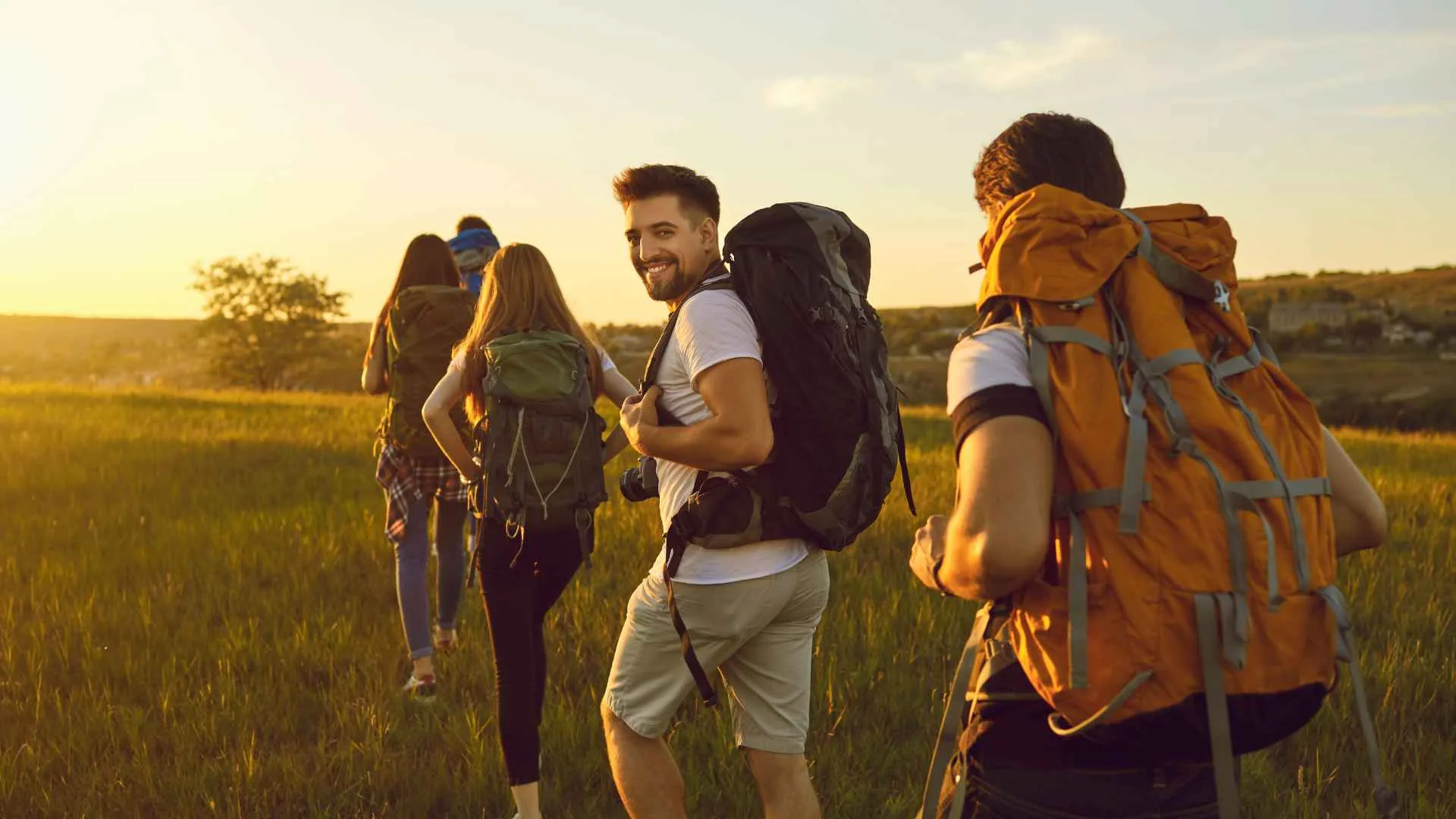
California offers some of the best outdoor adventures in the entire country, from coastal hikes to lakes perfect for kayaking. Planning a trip around these adventures takes more than packing a cooler and grabbing a map. The best outdoor trips in 2027 will belong to travelers who think ahead about food, fitness, safety, and the small details that make a long day outside actually enjoyable instead of exhausting.
Many travelers focus heavily on the destination itself, choosing a beautiful trail or a scenic stretch of coastline, while forgetting the details that determine whether the trip feels smooth or stressful. A poorly packed snack bag, a body that is not ready for activity, or a car that breaks down on a remote highway can derail even the most carefully chosen destination. The travelers who enjoy their trips most are the ones who prepare every piece of the puzzle, not just the scenery.
This guide breaks down six practical tips that cover the full experience of a California outdoor trip, from the food in your backpack to the vehicle that gets you there. Some tips focus on nutrition and energy, since the right food can make or break a long hike or a day on the water. Others focus on physical readiness and safety, since staying active and getting to your destination safely matter just as much as the view once you arrive.
Throughout this guide, experts from different corners of health, nutrition, and outdoor readiness share what they have learned from real experience helping people prepare for active trips. Their insights offer a clear, practical roadmap for anyone hoping to make the most of California’s outdoors in 2027, whether that means a quiet hike, a day on the lake, or a full weekend of adventure.
1. Pack Snacks That Actually Travel Well
Not every snack holds up well in a backpack or cooler during a long day outside. Greasy, messy foods can spoil quickly or create a sticky mess, while heavy snacks can weigh down a pack on a long hike. Choosing the right travel food matters just as much as choosing the right trail.
Falah Putras, Owner of Japantastic, has helped many customers discover snacks that hold up well during active outdoor trips.
“I love when a hiker emails us asking what Japanese snacks pack well for a long day on the trail. We started recommending onigiri rice balls and dried seaweed snacks because they hold up better than greasy chips in a backpack. One customer told us her family ate Japantastic snacks on every California coastal hike last summer. Good food on the trail does not have to mean boring or heavy, it just has to travel well.”
This advice applies far beyond one specific brand of snack. Travelers planning a day outdoors should think carefully about which foods will survive heat, movement, and time without spoiling or becoming unpleasant to eat. A little planning here prevents a hungry, cranky end to what should be an enjoyable day.
2. Build Fitness Habits Before the Trip, Not During It
Many travelers assume their body will simply handle whatever activity level a trip demands, only to discover halfway through a hike that their legs or lungs disagree. Building basic fitness habits before a trip, even a few weeks of walking or light training, makes outdoor activities far more enjoyable once you arrive. This becomes even more important for travelers over fifty, whose bodies often respond differently to sudden activity than they did decades earlier.
Richard Riviere, Founder of Richard Riviere, learned this lesson firsthand after a serious health scare forced him to rethink how he approached activity and energy after turning fifty.
“Two blood clots nearly ended my life and forced me to rethink everything about how I treated my body after fifty. I learned the old rules for staying active simply stop working once your metabolism and joints change with age. Now I hike California trails regularly, but only after rebuilding my strength and energy through real research, not guesswork. Staying active after 50 is possible, but it demands a smarter approach than what worked at thirty.”
This perspective offers valuable reassurance to travelers who worry that age limits their outdoor options. Staying active outdoors remains possible at any age, but it often requires a more thoughtful approach than simply showing up and hoping the body cooperates.
3. Check Your Vehicle Before Any Long Drive to the Water
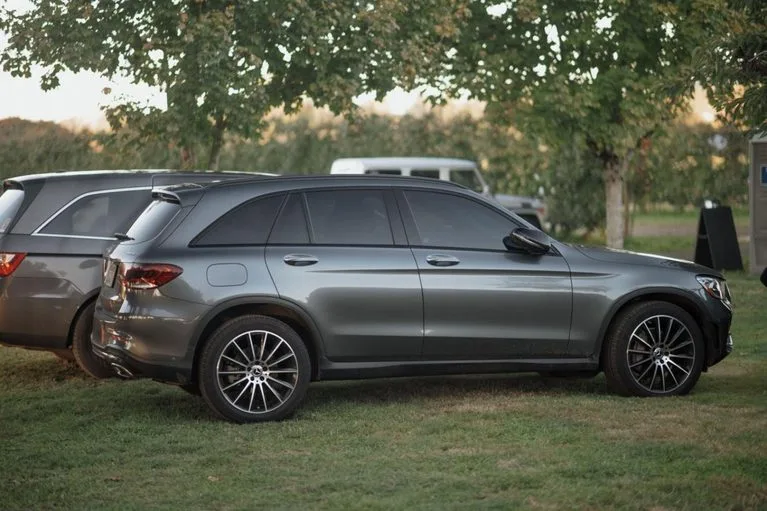
Many of California’s best outdoor destinations sit far from major cities, which means a long drive on roads that may not have reliable cell service. A simple vehicle issue, like a worn tire, can turn a relaxing trip to the coast into a stressful, even dangerous situation. Checking a vehicle thoroughly before departure protects against the kind of problem that no amount of trail planning can fix.
Beverley Murray, Project Manager at Tireco Distributors, has seen firsthand how a quick vehicle check before a trip can prevent serious trouble on the road.
“Nothing ruins a weekend trip to the California coast faster than a flat tire on a remote highway with no cell service. We tell every customer heading toward the water to check tire tread and pressure before any long road trip. One family avoided a blowout on Highway 1 simply because they stopped in for a quick inspection first. A few minutes checking your tires can save your entire outdoor adventure.”
This small step often gets overlooked in the excitement of planning an outdoor trip. Travelers heading toward lakes, beaches, or remote trailheads should treat a basic vehicle check as seriously as packing sunscreen or checking the weather forecast.
4. Treat Activity Like a System, Not a Struggle
Many travelers approach fitness and activity with willpower alone, pushing themselves to exercise more before a trip without any real plan behind the effort. This approach often fails, especially for busy people juggling work and family responsibilities. A smarter system, built around a few key habits rather than constant effort, tends to produce far better results.
Tobias Burkhardt, Founder of Paretofit, has helped many busy professionals build exactly this kind of simple, effective system for staying active.
“Busy entrepreneurs often tell me they have no time to stay active, yet most just need a smarter system, not more hours. We built Paretofit around the eighty-twenty rule, focusing coaching on the few habits that actually move the needle. One client reported better sleep and energy within six weeks simply by fixing his hydration and morning movement routine. Staying active on a busy schedule is about priorities, not willpower alone.”
This lesson applies directly to anyone preparing for an active California trip. Rather than trying to overhaul an entire routine right before a trip, focusing on a few key habits, like hydration, sleep, and basic movement, can make a real difference in how the body performs once the adventure begins.
5. Plan Water Activities Around Energy, Not Just Timing
Getting on the water, whether through kayaking, paddleboarding, or simply swimming, requires more physical energy than many travelers expect. Planning these activities around peak energy levels rather than convenient scheduling alone can make the difference between an enjoyable afternoon and an exhausting one. Dehydration and low blood sugar sneak up quickly during water activities, especially under the California sun.
Travelers should eat a real meal or substantial snack before heading onto the water, rather than relying on caffeine or adrenaline alone to power through the activity. Bringing water and snacks directly onto a kayak or paddleboard, when possible, helps maintain energy throughout longer outings. Treating water activities as seriously as a hike, in terms of preparation, leads to a far more enjoyable experience overall.
6. Pack Light, But Pack Smart
Overpacking weighs down a hiker or kayaker unnecessarily, while underpacking leaves travelers without essentials when they need them most. Finding the right balance means thinking carefully about what truly matters for a specific activity rather than packing out of habit or anxiety. A well packed bag includes enough food, water, and safety basics without becoming a burden to carry.
Travelers heading into California’s outdoors should prioritize lightweight, high-energy snacks, a reliable water supply, and basic safety items like a first aid kit or portable charger. Leaving behind bulky, unnecessary items frees up space and energy for what actually matters during the trip. This kind of smart, intentional packing reflects the same mindset behind every other tip in this guide, preparation that matches the actual demands of the day ahead.
Turning Preparation Into a Better Adventure
The six tips shared throughout this guide all point toward the same central idea. A great California outdoor trip in 2027 depends on more than choosing a beautiful destination. It depends on the food packed for the trail, the fitness built before arrival, the vehicle that gets travelers there safely, and the systems that keep energy and activity sustainable throughout the day.
Travelers who think through each of these details before heading out tend to enjoy their trips far more than those who leave everything to chance. Good snacks keep energy steady, smart fitness habits make activity enjoyable rather than exhausting, a safe vehicle removes unnecessary stress, and a simple system for staying active makes the whole experience sustainable long after the trip ends.
In the end, the best outdoor adventures are built from careful preparation, not luck. Travelers who apply these six lessons, drawn from real experience in nutrition, fitness, and outdoor readiness, set themselves up for a trip that feels smooth, energizing, and genuinely memorable. That simple shift in mindset, from hoping things go well to preparing so they do, may be the most valuable lesson any traveler can carry into their next California outdoor adventure.