
Easy Citrus Olive Oil Cake Recipe: Tender, Gluten-Free, One Bowl!
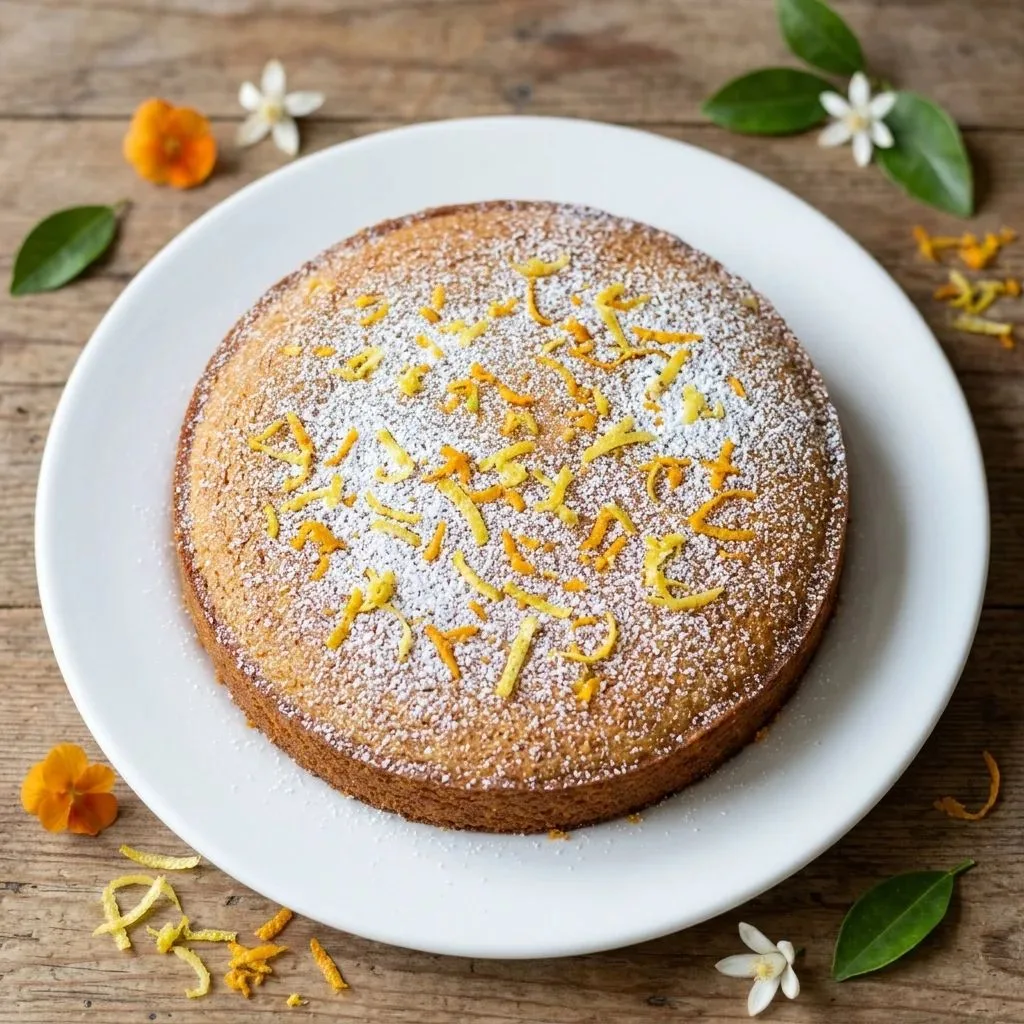
I made this Citrus Olive Oil Cake Recipe on a slow weekend, and my kitchen smelled like fresh orange and lemon within minutes. The crumb came out moist, golden, and just sweet enough to enjoy with a cup of coffee. I loved that everything went into one bowl, so cleanup was almost nothing.
It took me right back to those sunny California road trips, where citrus stands sat on every other corner. Now it is one of my favorite easy desserts, and I think it will be yours too.
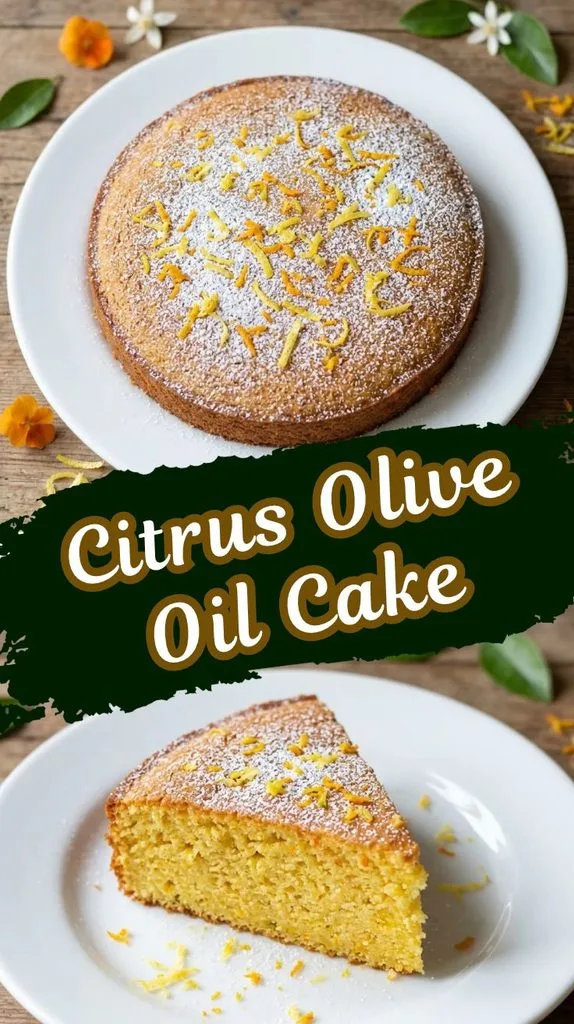
Prep Time and Cooking Time
This cake comes together fast, so you can bake it even on a busy day. Here is how the time breaks down.
- Prep Time: 15 minutes
- Cooking Time: 35 to 40 minutes
- Total Time: about 50 to 55 minutes (plus 15 minutes of cooling in the pan)
Ingredients You Need for Citrus Olive Oil Cake
Every ingredient here has a job, so I added a quick note to each one.
- 2 cups (220 grams) almond flour: the gluten-free base, so weigh it for the best result.
- 3/4 cup (145 grams) cane sugar: keeps the cake lightly sweet, and white sugar works too.
- 2/3 cup (100 grams) fine or medium-grind cornmeal: adds a golden color and a soft bite.
- 1 1/2 teaspoons baking powder: helps the cake rise.
- 1/2 teaspoon fine sea salt: balances the sweetness, but use half if yours is table salt.
- 3 eggs, whisked: bind the batter together.
- 3/4 cup extra-virgin olive oil: makes the crumb moist, so pick a mild, mid-range bottle.
- 1 teaspoon vanilla extract: rounds out the flavor.
- 1/2 teaspoon almond extract: brings out the nutty notes next to the citrus.
- 1 lemon, zest plus 2 tablespoons of juice: gives the bright, tangy lift.
- 1 orange, zest plus 2 tablespoons of juice: adds sweet citrus aroma.
- Powdered sugar, optional: dust it on top right before serving.
Note: serves several, about 12 slices.
Equipment You Need
You do not need anything fancy for this recipe. A few basic tools are enough.
- 9-inch springform pan: lets you remove the cake neatly without flipping it.
- Parchment paper: keeps the bottom from sticking.
- Large mixing bowl: holds the whole batter, so there is only one bowl to wash.
- Whisk: blend the dry ingredients evenly.
- Zester or box grater: pulls fresh zest from the lemon and orange.
- Citrus juicer: gets every drop of juice out quickly.
- Kitchen scale: measures the almond flour and cornmeal accurately.
- Wire rack: cools the cake evenly.
- Fine-mesh strainer: dusts powdered sugar over the top.
- Toothpick: checks if the center is done.

How to Make Citrus Olive Oil Cake Recipe?
This cake is truly beginner friendly. You just whisk, stir, pour, and bake. Follow the steps below, and you will have a fragrant cake in under an hour.
Zest and Juice the Citrus
Start with the lemon and orange. Zest both fruits first, since it is much easier to zest a whole fruit. Then juice them and measure out 2 tablespoons from each.

Heat the Oven and Prep the Pan
Heat your oven to 350°F (180°C). Trace the bottom of your springform pan on parchment and cut the circle slightly smaller. Place it in the pan and lightly grease the sides with cooking spray.
Whisk the Dry Ingredients
In a large bowl, add the almond flour, sugar, cornmeal, baking powder, and salt. Whisk everything until it looks evenly blended. Break up any small clumps so the cake bakes with a smooth texture.

Add the Wet Ingredients
Pour in the whisked eggs, olive oil, vanilla, and almond extract. Add the lemon zest, orange zest, and both juices. Stir until the batter is smooth and evenly combined, then stop.
Bake the Cake
Pour the batter into the prepared pan and smooth the top. Bake for 35 to 40 minutes. The cake is ready when a toothpick in the center comes out clean.
Cool and Remove from the Pan
Move the pan to a wire rack and let the cake cool for at least 15 minutes. Keep it in the pan during this time. Then run a knife gently around the edge and release the sides.
Serve and Enjoy
Dust the top with powdered sugar through a fine-mesh strainer if you like. Slice the cake and serve it warm or at room temperature. I think it tastes lovely with a hot coffee or tea.
Additional Tips for Making This Recipe Better
These small habits made a big difference when I tested this cake at home.
- I always weigh almond flour. A cup can vary a lot, and too little flour can leave the cake flat.
- I zest the fruit before juicing it. This saves me from wrestling with a squishy lemon.
- I use organic citrus when I can, because the zest is a big part of the flavor.
- I choose a mild extra-virgin olive oil. A harsh, peppery one can take over the cake.
- I use Meyer lemons when I find them. Their softer, floral flavor reminds me of California backyard trees.
- I start checking the cake at 35 minutes. Ovens run differently, and I never want a dry edge.
- I pulse medium-grind cornmeal in a food processor if I want a smoother crumb.
- I line the bottom of the pan every single time. It makes the release so much easier.
Common Mistakes to Avoid
I have made a few of these myself, so learn from my kitchen slips.
- Measuring almond flour by cups: I once ended up with a flat cake. Weigh it, or you may use too little.
- Skipping the zest: My first batch tasted plain without it. The zest carries most of the citrus flavor.
- Using coarse polenta: It made my cake gritty. Stick with fine or medium cornmeal.
- Using a very cheap or very strong olive oil: Its flavor shines through, so I now pick a mid-range oil I enjoy.
- Overbaking: I pull the cake as soon as the toothpick comes out clean, so it stays moist.
How to Serve Citrus Olive Oil Cake?
This cake is lovely on its own, but a few simple touches make it look special. Here are my favorite ways to serve it.
- Powdered sugar: Dust it lightly over the top for a pretty, snowy finish.
- Whipped cream: Add a soft dollop beside each slice, or pipe it on top.
- Vanilla ice cream: A scoop next to a warm slice is always a win.
- Fresh fruit or compote: Blueberry compote looks gorgeous against the golden crumb.
- Simple glaze: Whisk 1 tablespoon of lemon or orange juice with 1/2 cup of powdered sugar, then drizzle it over the cake.
- Citrus slices: Fan thin orange or lemon slices on top for a fresh garnish.
- Farmers market style platter: I like to pile on berries and citrus slices, like the colorful stands in Santa Monica or San Francisco.
Variations
You can change this recipe in many easy ways. Here are some ideas to match your pantry and taste.
- Swap the citrus: Use grapefruit, mandarin, or Meyer lemon instead of the lemon and orange.
- Orange olive oil cake: Use more orange and less lemon for a sweeter, mellow citrus flavor.
- Spanish olive oil cake style: Use a fruity Spanish olive oil for a flavor close to the market cake that inspired this recipe on the Costa Brava.
- Sicilian olive oil cake style: Try blood orange zest and juice for a deeper color.
- Olive oil loaf cake: Bake the batter in a lined loaf pan. Start checking early, since the time will change.
- Vegan citrus olive oil cake: Try flax eggs in place of the eggs. The cake will be softer, so cool it fully before slicing.
- Sugar-free: Test a baking-friendly sugar substitute, though the texture may change slightly.
- Spiced: Add a pinch of cardamom for a warm, fragrant twist.
Nutritional Information
Here is an approximate nutrition estimate for one slice, based on 12 servings. Values vary by brand and ingredients.
- Calories: about 330
- Protein: about 6 grams
- Carbohydrates: about 23 grams
- Fat: about 24 grams
Make Ahead and Storage
This cake keeps well, which makes it great for planning ahead. Use these simple guidelines.
Make Ahead
You can bake the cake a day before serving. Cool it fully, wrap it well, and leave it at room temperature. Add the powdered sugar or glaze just before serving.
Storage
Store the cake in an airtight container at room temperature for 2 to 3 days. For longer storage, keep it in the fridge for up to 5 days. Let slices sit out for a few minutes before eating.
Reheating
Warm a slice in the microwave for about 10 seconds. You can also use a 300°F (150°C) oven for 8 to 10 minutes. Warming brings back the soft crumb and the citrus aroma.
Freezing
Wrap the cooled cake, or individual slices, tightly in plastic and foil. Freeze for up to 2 to 3 months. Thaw it overnight in the fridge before serving.
Why You’ll Love This Recipe?
There are plenty of reasons this cake keeps coming back to my table. Here are my top picks.
- Easy one-bowl prep: You only need about 15 minutes and one bowl. I love how little cleanup there is.
- Naturally gluten-free and dairy-free: The almond flour and cornmeal replace wheat flour, and olive oil replaces butter. It works for many guests.
- Fresh citrus flavor: Real lemon and orange zest and juice give a bright taste. It feels light and sunny, even in winter.
- Moist, tender texture: The olive oil keeps every slice soft. The cornmeal adds a little bite that I really enjoy.
- Flexible and versatile: Serve it for dessert, snacks, or even breakfast. You can also swap the citrus or add toppings.
FAQs
Is this citrus olive oil cake gluten-free and dairy-free?
Yes, it is naturally both. It uses almond flour and cornmeal instead of wheat flour. It also uses olive oil instead of butter.
What is the best olive oil for this cake?
Choose a mild extra-virgin olive oil with a flavor you love. It does not need to be pricey, but avoid very cheap bottles. A fruity California or Mediterranean oil works well.
Can I use almond meal or a different pan?
Yes, almond meal can replace almond flour. The recipe is written for a 9-inch springform pan, but 8-inch and 10-inch pans also work. Just adjust the baking time and check with a toothpick.
Can I make a vegan citrus olive oil cake?
You can try flax eggs in place of the eggs. The texture will be softer and a little more delicate. Let it cool fully before slicing.
How is this different from a lemon olive oil cake Ottolenghi or Nigella style?
Those popular versions have their own loyal fans. This one is a simple, one-bowl take that uses almond flour and cornmeal. It also blends both lemon and orange for a rounder citrus flavor.