Point Lobos State Natural Reserve: Updated Guide 2026
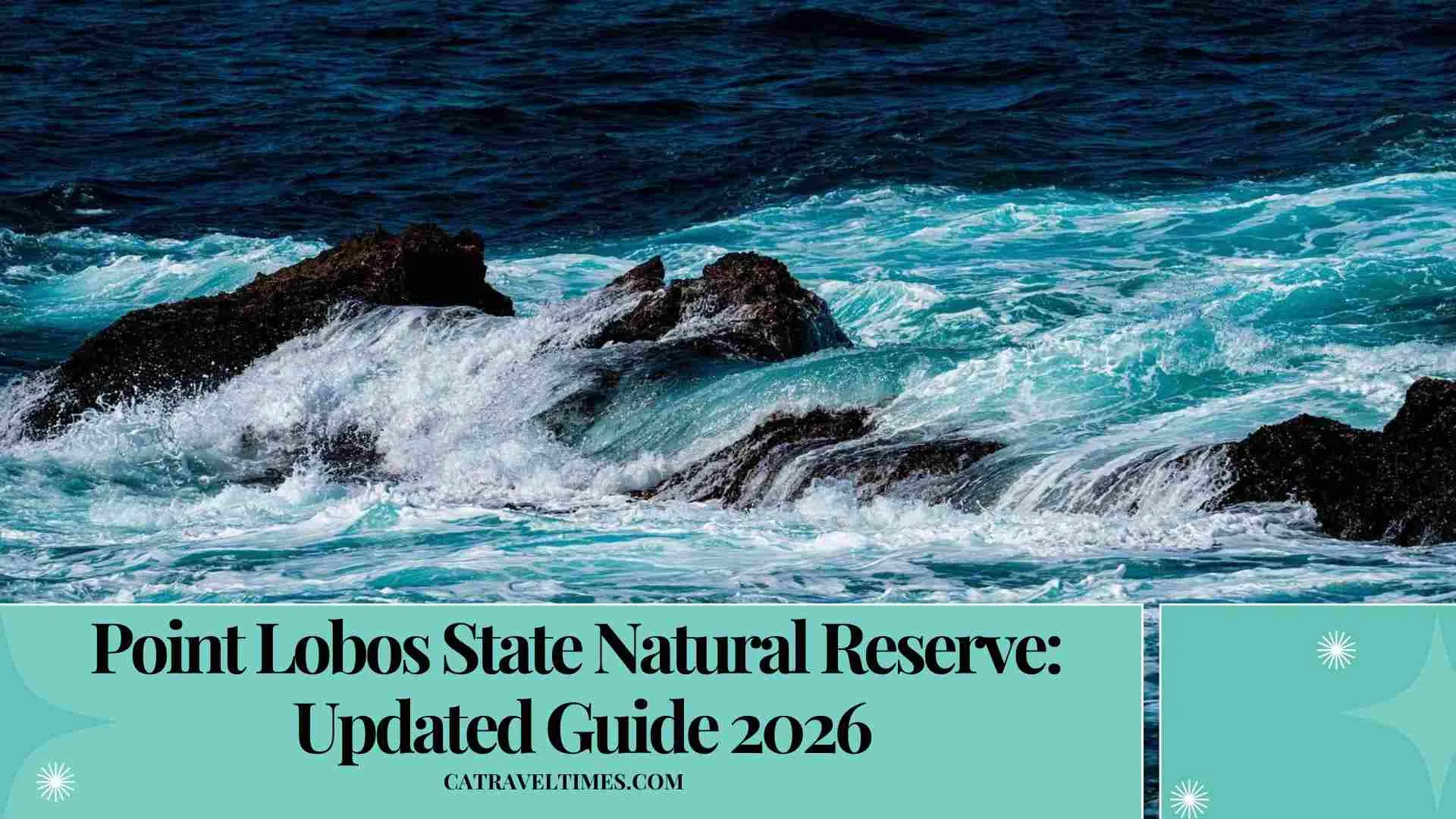
I had driven past the sign for Point Lobos more times than I can count, always rushing toward Big Sur and telling myself I would stop on the way back. On my last trip down the coast from San Francisco, I finally pulled in and just ten minutes down the first trail, I understood why people call this little reserve the most beautiful meeting of land and water anywhere.
The cypress trees leaned sideways from years of wind, the water below glowed every shade of blue I had never seen in real life, and I had not even reached China Cove yet. I stayed for lhours longer than planned, and I have been telling everyone about it ever since.
Point Lobos State Natural Reserve at a Glance: Quick Detail
Before you head out, here’s a quick snapshot of Point Lobos State Natural Reserve location, hours, entry fees, and the essentials you’ll want to know before driving down Highway 1.
| Detail | Information |
| Location | 3 miles south of Carmel-by-the-Sea, on Highway 1 |
| GPS Coordinates | 36.516° N, 121.937° W |
| Hours | 8 AM – 7 PM daily (no entry after 6:30 PM) |
| Entry Fee | $10/vehicle, $9 senior, $5 disabled pass, free for pedestrians |
| Phone | 831-624-4909 |
| Online Rating | 4.8★ (9,700+ reviews) |
| Dogs Allowed | No |
| Camping | Not permitted day-use only |
How to Find Point Lobos State Natural Reserve? Direction
Point Lobos State Natural Reserve sits right on Highway 1, about three miles south of Carmel-by-the-Sea and roughly two hours (120 miles) from San Francisco. Coming from the north, it pairs naturally with a longer Central Coast itinerary if you’re still mapping out your stops, the California Destinations guide on catraveltimes.com covers everything worth adding to your route. GPS coordinates for the entrance are approximately 36.516° N, 121.937° W, and the turnoff is clearly marked once you’re heading south past Carmel.
What is the Best Time to visit and the temperature?
Point Lobos State Natural Reserve enjoys mild weather year-round, but conditions shift by season. Summer brings coastal fog, fall offers the clearest skies, and winter is best for spotting gray whales.
| Season | Months | Avg. Temperature | Best For |
| Winter | Dec – Feb | 43°F – 60°F | Whale watching, fewer crowds |
| Spring | Mar – May | 46°F – 64°F | Mild hiking weather, wildflowers |
| Summer | Jun – Aug | 53°F – 71°F | Warm afternoons, morning fog |
| Fall | Sep – Nov | 51°F – 71°F | Clearest skies, ideal for photos |
Best Hiking Trails at Point Lobos
Point Lobos State Natural Reserve packs nearly ten miles of trails into a small headland, and every path offers its own version of the coastline. Here are the five worth prioritizing.
Cypress Grove Trail
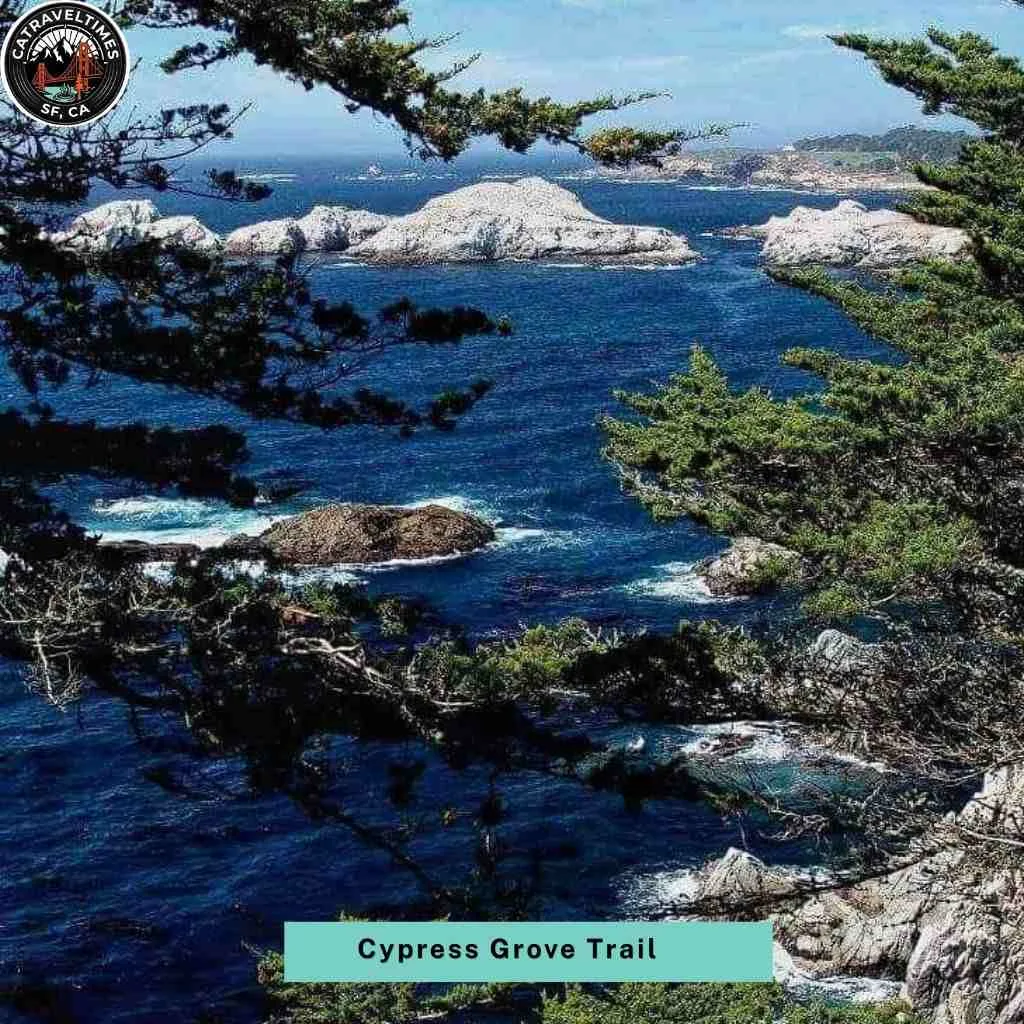
This easy 0.8-mile loop winds through the Allan Memorial Grove, one of only two places on Earth where Monterey cypress grows naturally the other sits across the bay at Pebble Beach. Twisted, wind-bent trees frame the cliffs at almost every turn, making this the most photographed trail in the entire reserve, especially in the soft light just after sunrise.
Bird Island Trail
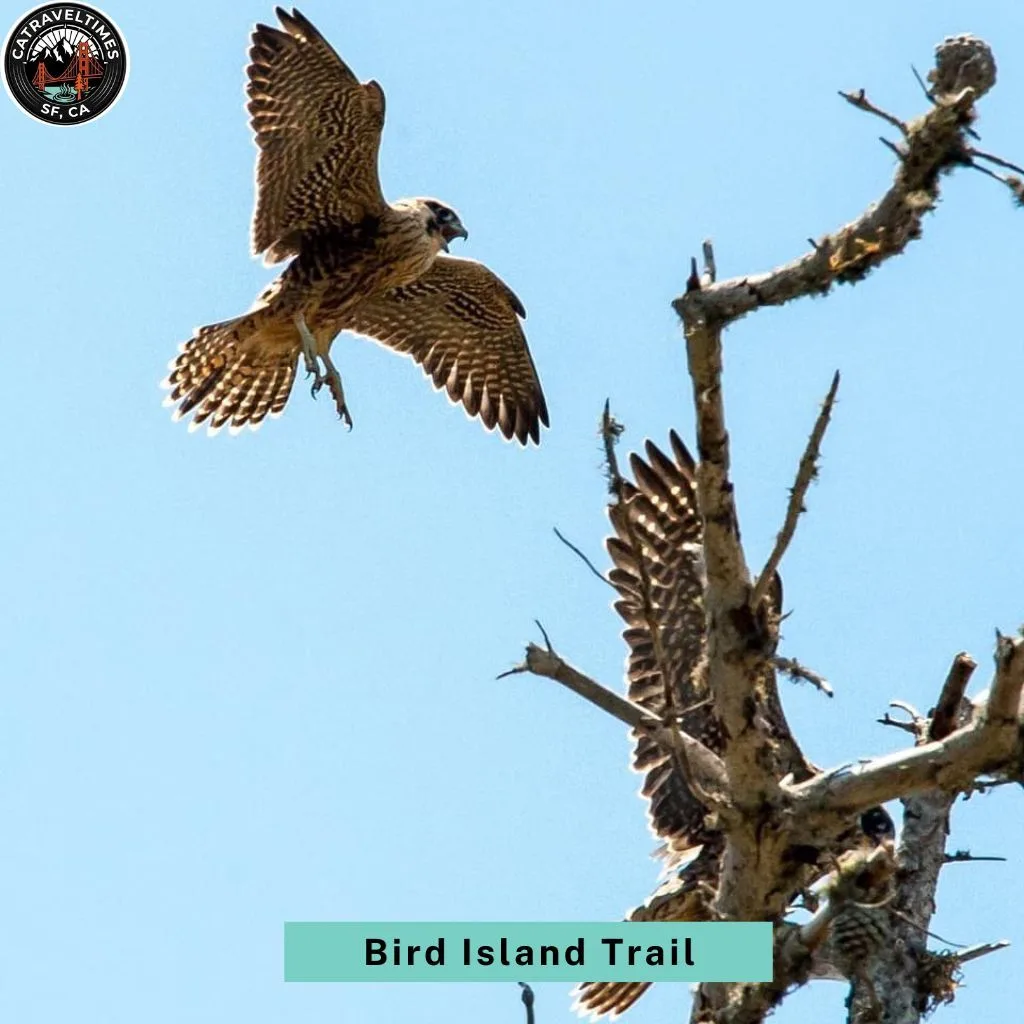
At 0.8 miles and easy-to-moderate difficulty, this trail passes directly above China Cove, where harbor seals nap on the sand and pups paddle in impossibly clear, turquoise water. It continues toward Gibson Beach before ending at a lookout over the noisy seabird colony on Bird Island, a spot worth lingering at with binoculars if you have the time.
South Shore Trail
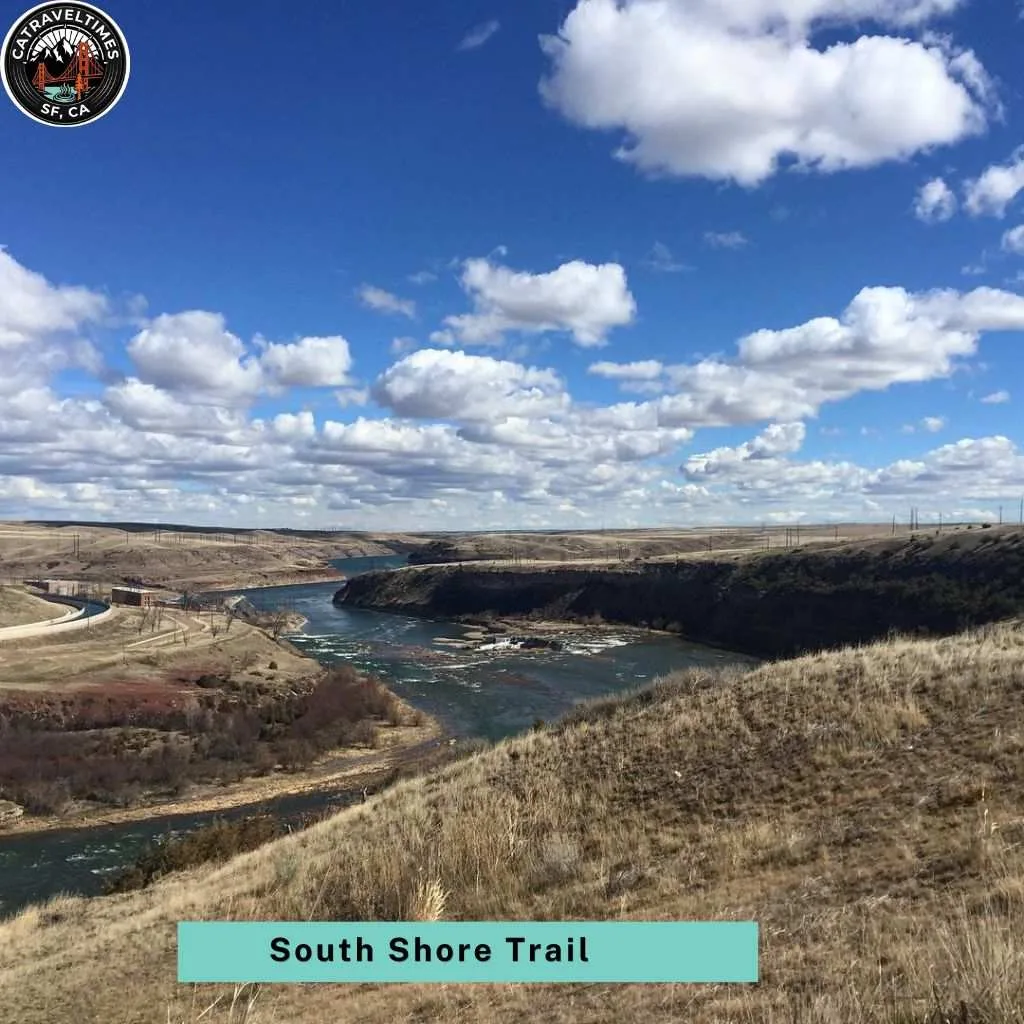
This roughly one-to-two-mile coastal stretch runs parallel to the ocean, passing both Weston Beach and Hidden Beach along the way. Tide pools sit tucked into the rocks below, packed with anemones and tiny crabs, and sea otters bob in the kelp beds just offshore more often than not, especially in the early morning hours.
Sea Lion Point Trail
A short 0.6-mile loop connecting with the Sand Hill Trail, this path overlooks both Headland Cove and Sea Lion Cove below. Sea lions and harbor seals frequently haul out on the rocks here, barking loudly enough to hear from the trail, which makes it one of the easiest and most reliable wildlife-viewing spots in the entire reserve.
Whalers Cove and Granite Point Trail
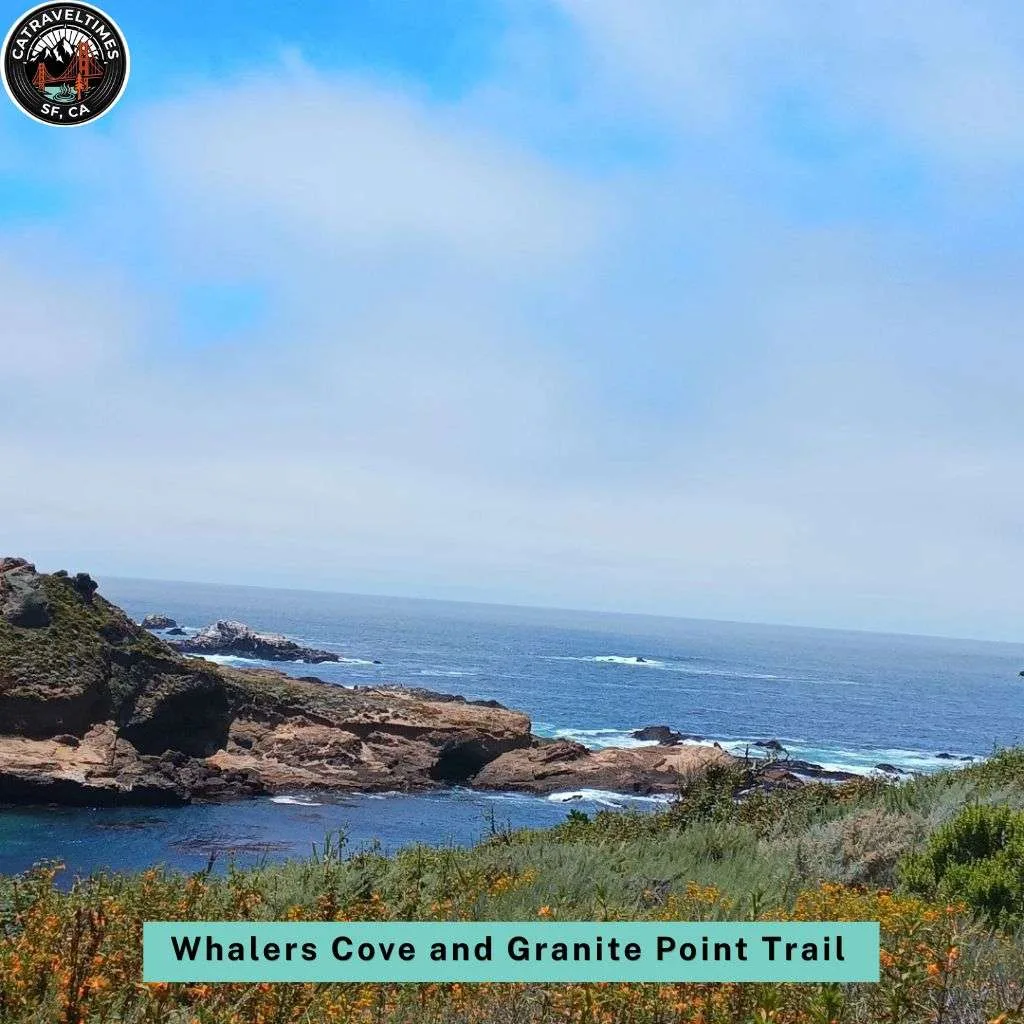
Roughly two moderate miles starting at the historic Whalers Cabin, this trail traces rocky cliffs above the cove where Japanese and Chinese fishermen once lived back in the 1850s. It’s a strong pick for history lovers, and during migration season, it doubles as one of the most reliable whale-spotting vantage points anywhere along this stretch of coast.
Rules to Know Before You Go at Point Lobos
Because Point Lobos State Natural Reserve is a natural reserve rather than a standard park, rules here are stricter than you might expect, and rangers do enforce them.
- No dogs anywhere in the reserve, even inside a parked vehicle
- Bikes are restricted to paved areas only
- Drones, skateboards, smoking, fires, and alcohol are all prohibited
- No camping; the reserve is day-use only, and visitors must exit by closing time
- Nothing can be collected and taken home no shells, rocks, plants, or driftwood
Things to Do at Point Lobos
Go diving or snorkeling. Certified divers can explore 70-foot kelp forests at Whalers Cove and Bluefish Cove, the only two spots in the reserve open for diving. Reservations and proof of certification are required, with fees running $20 to $30 depending on the day. If you’re looking for other natural stops nearby, Tassajara Hot Springs in Monterey County makes for a worthwhile side trip on the same stretch of coast.
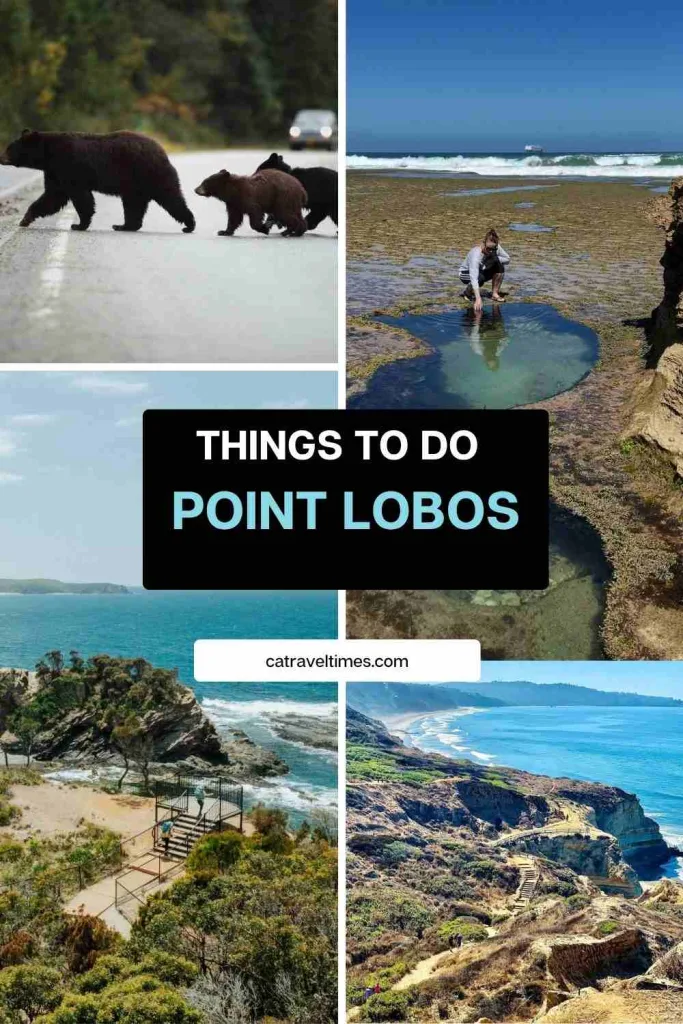
- Hike the coastal trails. Lace up for one of the five main trails, all under two miles, that wind past cypress groves, hidden beaches, and dramatic cliffside overlooks. Even a short walk here delivers ocean views that rival much longer hikes elsewhere on the coast.
- Watch for wildlife. Sea otters drift in the kelp nearly year-round, harbor seals haul out at China Cove, and gray whales pass close enough to spot from December through May. Even mountain lions and monarch butterflies occasionally make an appearance on the inland trails.
- Explore the tide pools. Weston Beach and the rocks along the South Shore Trail turn into a living classroom at low tide, with anemones, crabs, and tiny fish hiding in shallow pockets. Just remember nothing here can be collected or taken home.
- Go diving or snorkeling. Certified divers can explore 70-foot kelp forests at Whalers Cove and Bluefish Cove, the only two spots in the reserve open for diving. Reservations and proof of certification are required, with fees running $20 to $30 depending on the day.
- Picnic at a designated area. Whalers Cove, Bird Island, and Piney Woods all have picnic spots set aside for day visitors. It’s a relaxed way to soak in the views before or after a longer hike around the headland.
- Photograph the coastline. Point Lobos has drawn photographers like Ansel Adams and Edward Weston for decades, and it’s easy to see why once the light hits the cypress trees at golden hour. Bring a camera even if you’re not usually the photo-taking type.
Where to Stay and Eat Near Point Lobos?
Most visitors base themselves in Carmel-by-the-Sea, just minutes from the Point Lobos State Natural Reserve entrance, with options ranging from cozy cottages to ocean-view resorts. Here’s where I’d recommend staying and eating nearby.
Where to Stay Near Point Lobos

- Carmel River Inn. Just five miles north of Point Lobos, this cozy cottage-style property sits along the Carmel River with well-maintained gardens. It’s an affordable, family-friendly base that still feels like a proper Carmel getaway.
- Cypress Inn. Located right in downtown Carmel-by-the-Sea, this boutique hotel is famously co-owned by Doris Day and known for its dog-friendly charm. It’s about a ten-minute drive from the reserve entrance.
- Hyatt Carmel Highlands. Perched on the cliffs of Carmel Highlands, this resort has some of the best ocean views on the Peninsula and sits just minutes south of Point Lobos. Its Pacific’s Edge restaurant looks straight out toward the reserve.
- Tickle Pink Inn. This boutique bluff-top inn in Carmel Highlands offers panoramic ocean views and is only a short drive from the reserve. Many rooms have private balconies that look right out over the water.
- Carmel Valley Lodge. Set a little further inland in Carmel Valley, this relaxed lodge is a good pick if you’d rather unwind by a pool after a day of hiking than stay right on the coast.
Where to Eat Near Point Lobos

- Pacific’s Edge. This destination restaurant inside the Hyatt Carmel Highlands pairs a seasonal, locally sourced menu with sweeping views of the coastline and Point Lobos itself. It’s an ideal spot for a celebratory dinner after a day of hiking.
- Mission Ranch Restaurant. Owned by Clint Eastwood and set against a sheep meadow with Point Lobos visible in the distance, this is one of the most scenic dinner spots in Carmel. Sunday brunch here is a local favorite.
- Nora’s Carmel. Tucked into downtown Carmel-by-the-Sea, this family-owned spot serves elevated comfort food in a cozy dining room with a quiet outdoor patio. It’s a relaxed, reliable choice after a long morning on the trails.
- La Bicyclette. This casual corner bistro in downtown Carmel is known for wood-fired pizzas and a warm, unpretentious atmosphere. It’s an easy, no-fuss option if you just want a good meal without the formality.
- Chez Noir. For something more special, this Michelin-starred spot blends French and Spanish coastal cuisine in an intimate dining room. It’s become one of the most talked-about tables on the entire Peninsula.
Practical Tips for Visiting Point Lobos
A little planning goes a long way at Point Lobos State Natural Reserve, especially since parking and cell service can both be unpredictable. Here are a few tips I wish someone had told me before my visit.
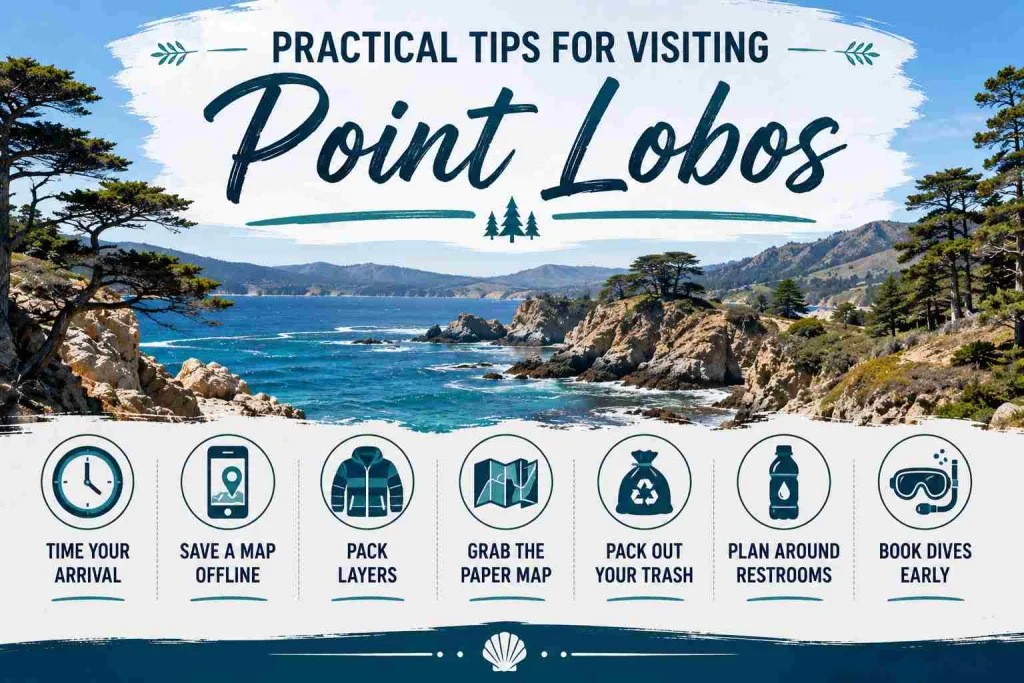
- Time your arrival. Arrive right at 8 AM opening, or after 3 PM, since the small lots fill fast on weekends and sunny afternoons. Once full, rangers stop letting vehicles in until space opens again.
- Save a map offline. Download or screenshot a trail map before you arrive, since cell service is unreliable once inside the reserve. The paper map at the entrance also works well as a backup if your phone loses signal.
- Pack layers. Pack layers no matter what season you visit, since coastal fog can roll in within minutes, even on what started as a warm, sunny morning. Mornings and evenings both run noticeably cooler than midday.
- Grab the paper map. Pick up the $2 paper map at the entrance station if you’d rather not depend on your phone at all. It clearly marks all the trailheads, restrooms, and parking areas inside the reserve.
- Pack out your trash. Carry out everything you bring in, since trash facilities inside the reserve are limited to a few spots near the entrance. Pack a small bag for wrappers and water bottles just in case.
- Plan around restrooms. Restrooms and drinking water are only available near the entrance station and a couple of main trailheads, so fill up your water bottle before setting out. Trails themselves have no facilities at all.
- Book dives early. If you’re planning to dive, book your reservation at least a week ahead, since weekend slots at Whalers Cove and Bluefish Cove fill quickly during peak season. Same-day diving spots are rare.
Final Thoughts
Point Lobos State Natural Reserve isn’t a place you rush through on the way to somewhere else, even though that’s exactly how most people first stumble onto it. Between the cypress groves, the wildlife, and coves that look almost too blue to be real, it’s easy to lose an entire afternoon here without noticing.
Whether you come for the hiking, diving, or simply the views, give it more time than you think you’ll need. I left wishing I’d planned a full day instead of a quick stop, and I’d go back tomorrow if I could. For more places like this along the California coast, catraveltimes.com is a good place to keep exploring.
Frequently Asked Questions
How much does it cost to visit Point Lobos State Natural Reserve?
Entry costs $10 per vehicle, $9 for seniors, and $5 with a disabled discount pass. Pedestrians walking in from the roadside aren’t charged an entrance fee at all.
Is Point Lobos worth visiting?
Yes between the cypress groves, rich wildlife, and coastal views packed into one small headland, most visitors leave wishing they had planned more time here to explore everything.
Can you bring dogs to Point Lobos?
No, dogs aren’t allowed anywhere inside the reserve, including left inside a parked vehicle, regardless of breed or size. Rangers do check, so board pets elsewhere before visiting.
What is the best trail at Point Lobos?
Bird Island Trail is the most popular choice, combining an easy walk with views of China Cove, resting harbor seals, and the noisy seabird colony out on Bird Island.
Is there camping at Point Lobos State Natural Reserve?
No, the reserve is strictly day-use only, with all visitors required to exit before closing time each evening. Overnight stays aren’t permitted anywhere within the park, even in vehicles.
Do I need a reservation to enter Point Lobos State Natural Reserve?
No reservation is required just to enter the reserve itself, only for scuba diving permits at Whalers Cove and Bluefish Cove. Regular visitors can simply pay and walk in.