California Red Wine: A Complete Guide to Varieties, Regions & Best Bottles
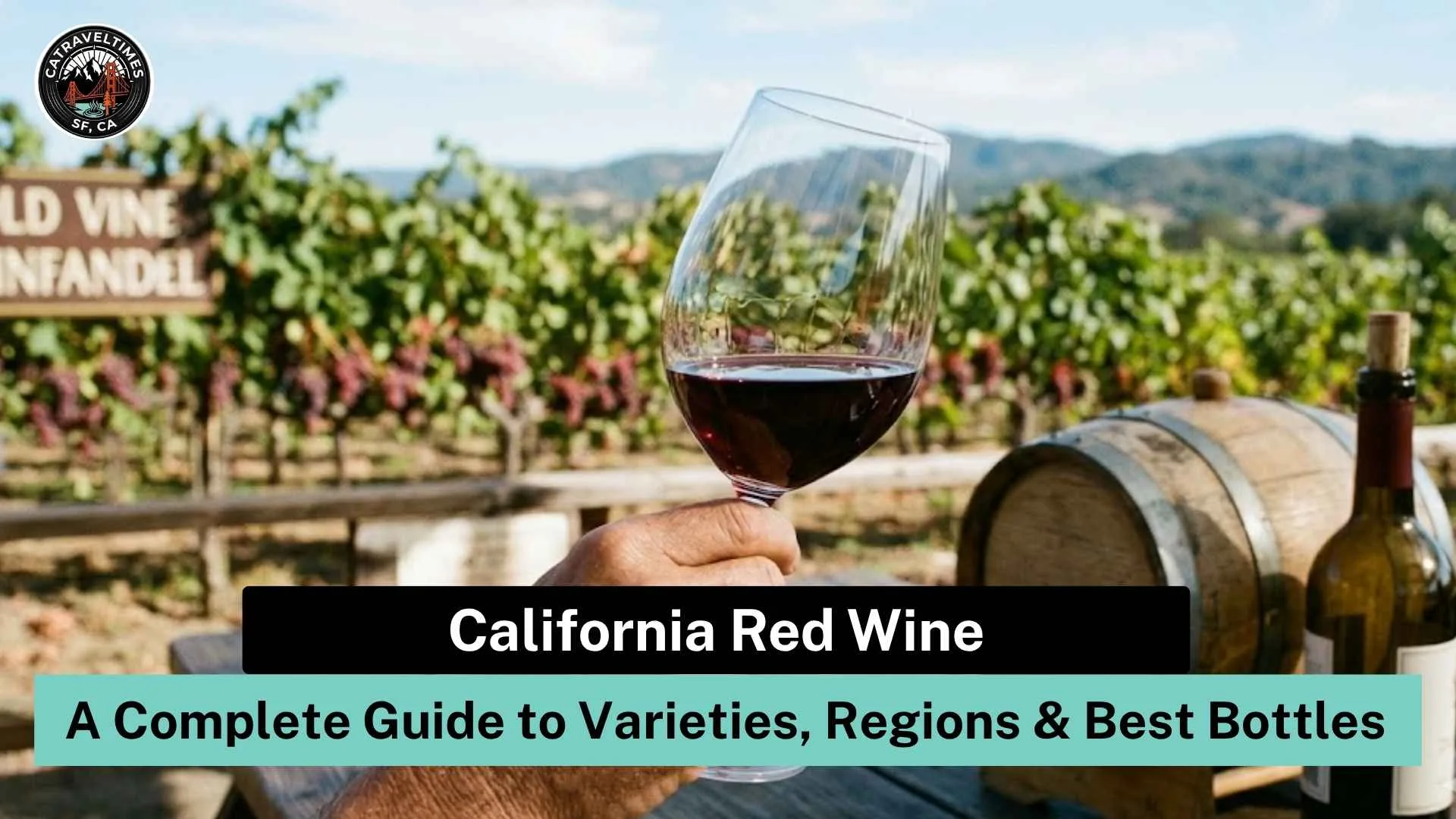
I grew up in San Diego, and my first real California red wine moment happened not in some fancy tasting room — it was at a backyard barbecue in Paso Robles, holding a glass of old vine Zinfandel that tasted like the sun had literally been stored inside it. That was the moment I understood what this state is actually doing with grapes. Years later, after scouting appellations from Lodi to Santa Barbara, I still reach for California red wine when I want something that feels genuinely alive in the glass.
This guide covers everything worth knowing — the grapes, the regions, the best bottles, the 2025 vintage outlook, and exactly how to pick the right bottle for your budget. If you’re planning to visit wine country in person, CA Travel Times has destination guides for every corner of the state worth exploring.
What Makes California Red Wine Different?
California red wine refers to wines made from dark-skinned grape varieties grown across the state’s diverse wine regions — from the fog-kissed Sonoma Coast to the sun-baked Central Valley. What sets these wines apart globally is California’s Mediterranean-like climate: warm, dry summers that ripen grapes fully, and cool nights (especially near the coast) that lock in acidity and freshness.
The result is wine that feels both generous and structured — fruit-forward yet built to age. With over 615,000 acres of wine grape plantings statewide and 81% of all U.S. wine produced here, California’s red wine identity is shaped by dozens of microclimates, soil types, and the hands that farm them.
California Red Wine in 2026: Where the Industry Stands
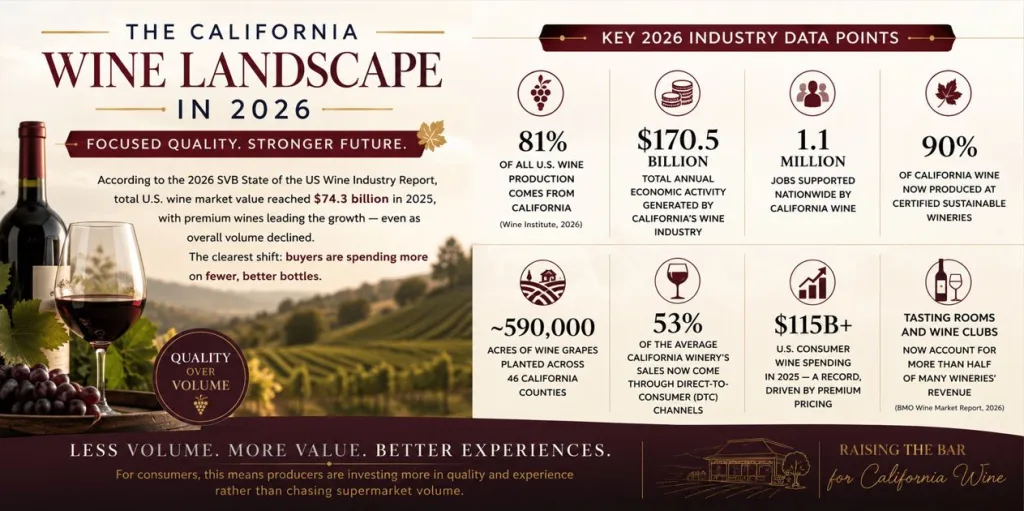
The California wine landscape in 2026 is one of focused quality over raw volume. According to the 2026 SVB State of the US Wine Industry Report, total U.S. wine market value reached $74.3 billion in 2025, with premium wines leading the growth — even as overall volume declined. The clearest shift: buyers are spending more on fewer, better bottles.
Key 2026 Industry Data Points
- 81% of all U.S. wine production comes from California (Wine Institute, 2026)
- $170.5 billion total annual economic activity generated by California’s wine industry
- 1.1 million jobs supported nationwide by California wine
- 90% of California wine now produced at Certified Sustainable wineries
- ~590,000 acres of wine grapes planted across 46 California counties
- 53% of the average California winery’s sales now come through direct-to-consumer (DTC) channels
- $115B+ U.S. consumer wine spending in 2025 — a record, driven by premium pricing
The 2026 BMO Wine Market Report notes that tasting rooms and wine clubs now account for more than half of many wineries’ revenue. For consumers, this means producers are investing more in quality and experience rather than chasing supermarket volume.
The 2025 Vintage: What to Expect in 2026 Bottles
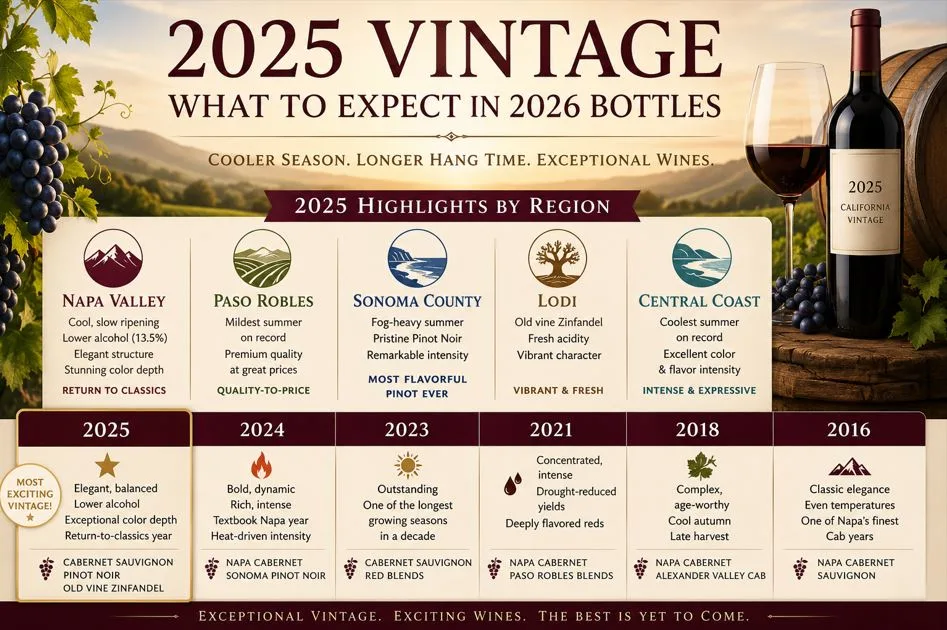
The 2025 California harvest is shaping up to be one of the most celebrated in years. A cool spring, mild summer, and extended hang time allowed grapes to ripen slowly and evenly — precisely the conditions winemakers dream about. The Wine Institute’s official 2025 Harvest Report describes the vintage as delivering “concentrated flavors and bright acidity” statewide, with reds showing “depth and structure.”
2025 Highlights by Region
- Napa Valley — Cool, slow ripening produced Cabernet Sauvignon with lower alcohol (closer to 13.5%), elegant structure, and striking color depth. Described as a “return to classics” vintage by winemakers on the ground.
- Paso Robles — One of its mildest summers on record. Steve Peck of J. Lohr noted that their $20 Cabernet fruit tasted like it belonged in their $50 bottle — a genuine quality-to-price story.
- Sonoma County — A fog-heavy summer on the coast created pristine Pinot Noir with remarkable intensity. Ted Lemon of Littorai called it the most flavorful Pinot he has ever tasted.
- Lodi — Old vine Zinfandel showing fresh acidity and vibrant character from the cool summer.
- Central Coast — One of the coolest summers on record, producing excellent color and flavor intensity in Syrah and Cabernet.
| Vintage Year | Standout Character | Best Varieties |
| 2025 (Exciting) | Elegant, balanced, lower alcohol, exceptional color depth — return-to-classics year | Cabernet Sauvignon, Pinot Noir, Old Vine Zinfandel |
| 2024 | Bold, dynamic, rich — textbook Napa year with heat-driven intensity | Napa Cabernet, Sonoma Pinot Noir |
| 2023 | Outstanding — one of the longest growing seasons in a decade | Cabernet Sauvignon, Red Blends |
| 2021 | Concentrated, intense — drought-reduced yields, deeply flavored reds | Napa Cab, Paso Robles Blends |
| 2018 | Complex, age-worthy — cool autumn and late harvest | Napa Cabernet, Alexander Valley Cab |
| 2016 | Classic elegance — even temperatures, one of Napa’s finest Cab years | Napa Cabernet Sauvignon |
The Main Red Wine Varieties Grown in California
Cabernet Sauvignon
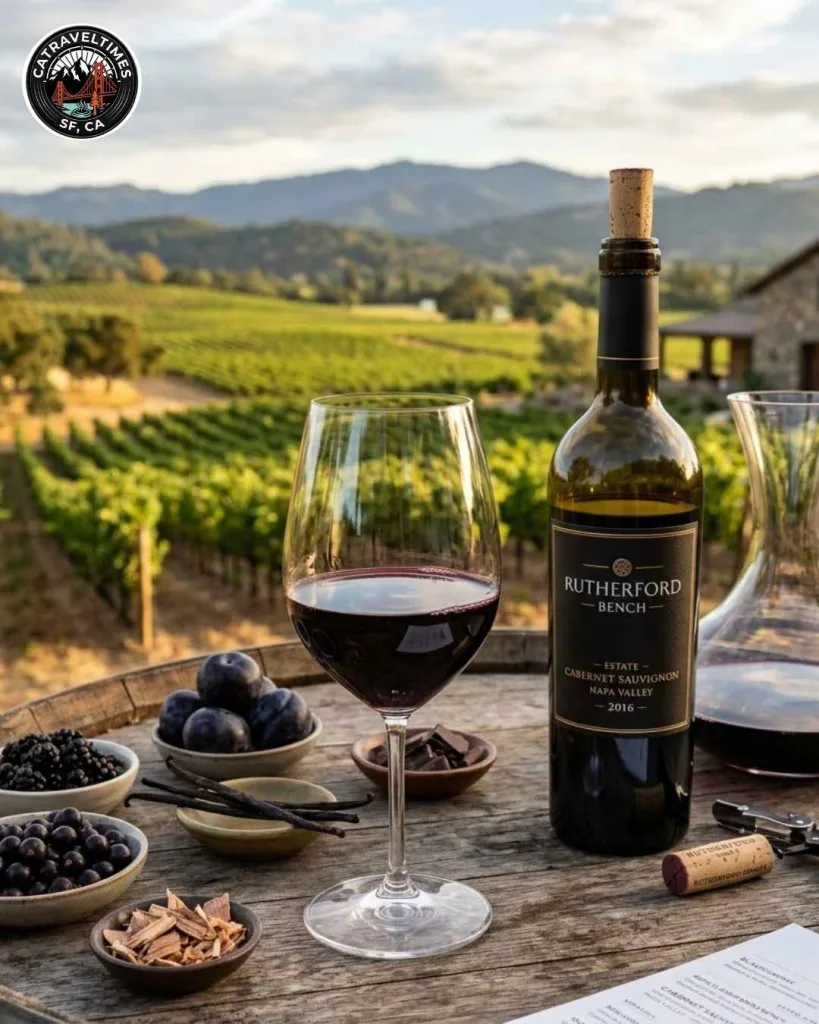
Cabernet Sauvignon is California’s benchmark red variety, and Napa Valley is where it reaches its global peak. Full-bodied, tannic, and built for aging, Napa Cab carries flavors of blackcurrant, dark plum, cedar, and chocolate. Sub-appellations matter enormously: Oakville and Rutherford produce plush, velvety expressions with that signature “Rutherford dust,” while Howell Mountain and Spring Mountain Cabs are more structured and mineral.
Paso Robles Cabernet Sauvignon California is a compelling alternative — equally bold with calcareous limestone soil influence, and typically 30–50% more affordable than Napa equivalents.
Key Characteristics:
- Flavor: Blackcurrant, dark plum, cedar, vanilla, dark chocolate
- Tannins: High — benefits from decanting and aging
- Best regions: Napa Valley (Oakville, Rutherford, Howell Mountain), Paso Robles
- Aging potential: 10–20+ years for premium Napa Cabs
Pinot Noir
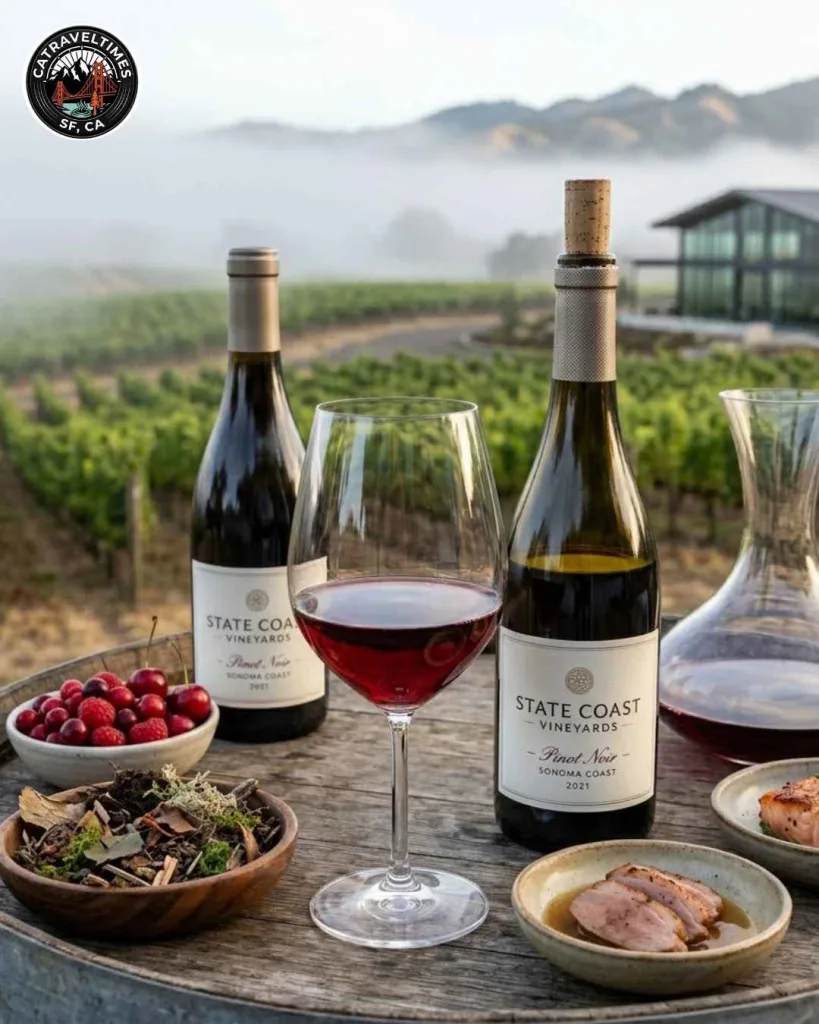
Pinot Noir thrives in California’s coolest wine zones, producing some of the most acclaimed expressions outside of Burgundy. The Russian River Valley’s daily fog delays ripening and builds layered complexity — cherry, cranberry, forest floor, and silky tannins. Santa Barbara County’s Sta.
Rita Hills funnels cold Pacific air directly into the vines, producing wines with a distinctive saline finish and fresh acidity. Sonoma Coast Pinot tends to be more structured and age-worthy, while inland Sonoma examples are often more approachable.
Key Characteristics:
- Flavor: Cherry, cranberry, raspberry, forest floor, light spice
- Tannins: Light to medium — elegant and silky
- Best regions: Russian River Valley, Sonoma Coast, Sta. Rita Hills, Santa Barbara
- Best pairing: Salmon, duck, mushroom dishes, roast chicken
Zinfandel
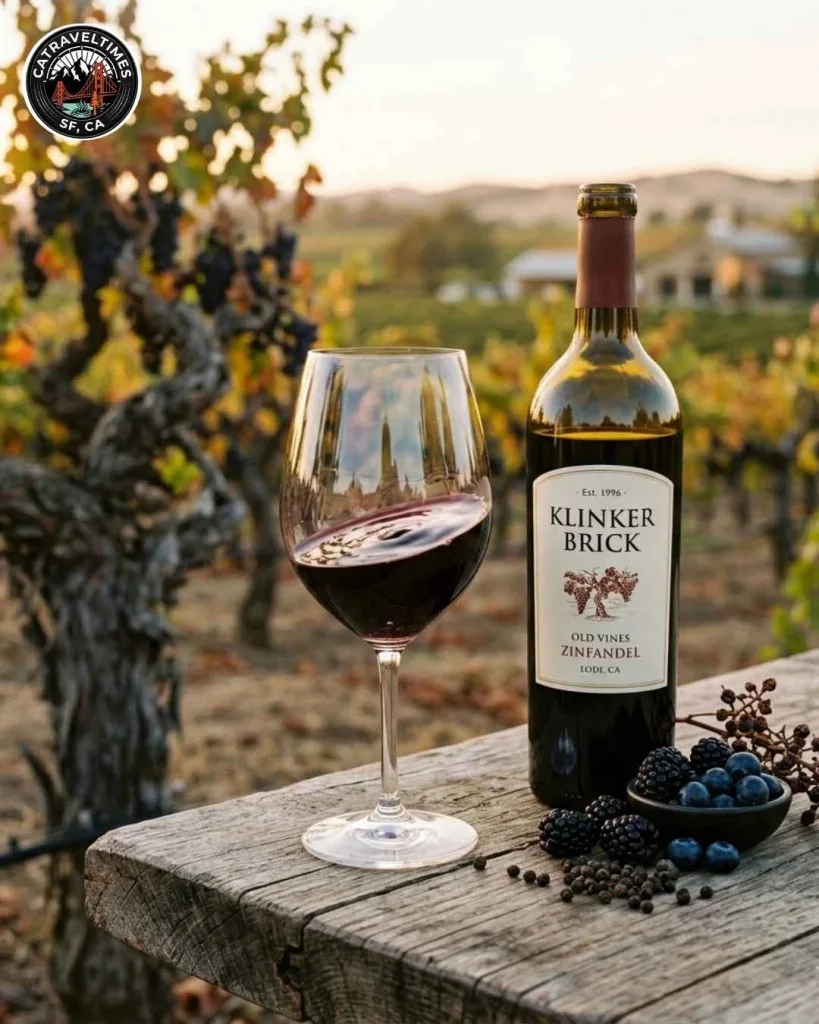
Zinfandel is the variety California made entirely its own. Dry-farmed old vines in Dry Creek Valley, Lodi, and Sonoma County produce deeply concentrated fruit with enormous character. Dry Creek Valley Zinfandel is spicy, bold, and jammy with blackberry and black pepper.
Lodi old vine Zinfandel is softer and more approachable. The Klinker Brick Old Vines Zinfandel from Lodi and McPrice Myers “Pound for Pound” Zinfandel from Paso Robles are standout examples of this grape at its honest, unshowy best.
Key Characteristics:
- Flavor: Blackberry, blueberry, black pepper, spice, jam
- Tannins: Medium to full — warm and generous
- Best regions: Dry Creek Valley, Lodi, Sonoma County, Paso Robles
- Style note: Technically dry, but lush and fruit-forward in character
Syrah and Rhône-Style Blends
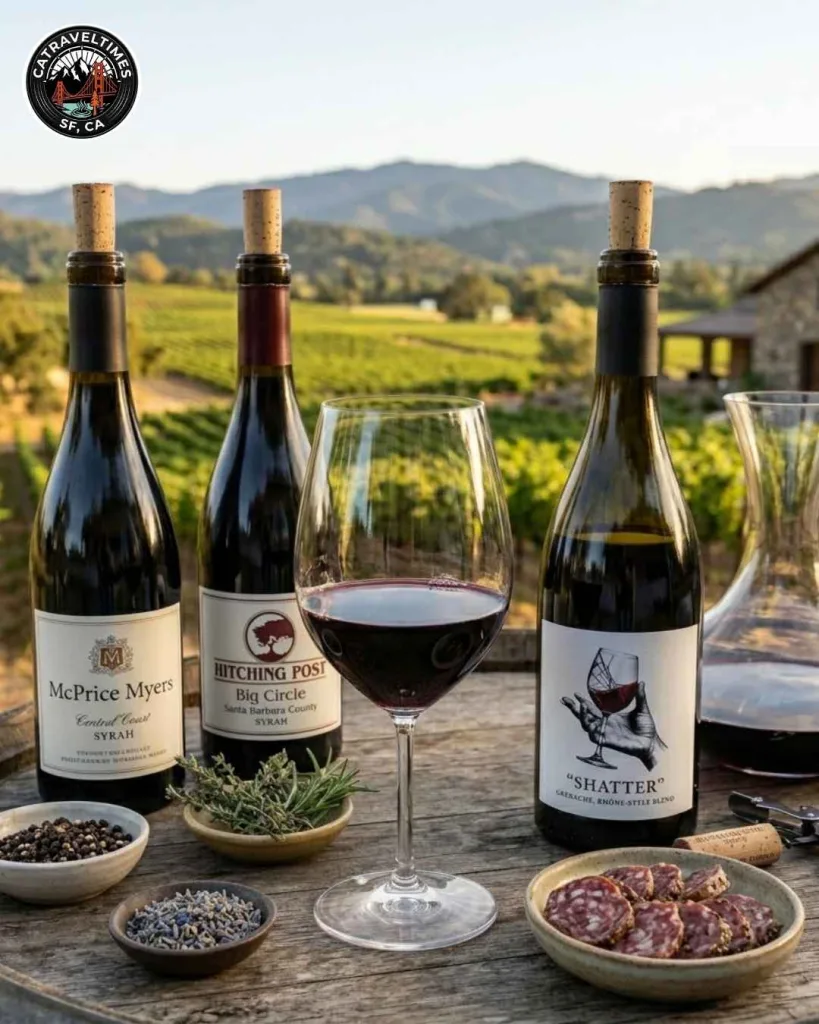
Central Coast Syrah is California’s most underappreciated red category, quietly earning international attention. McPrice Myers produces terroir-driven Syrahs from the Central Coast that are dark, peppery, and savory — closer in spirit to Northern Rhône than anything overripe.
The Hitching Post Big Circle Syrah from Santa Barbara County is another benchmark — cool-climate grapes, minimal intervention, and real depth. Rhône-style blends combining Grenache, Syrah, and Mourvèdre are also gaining ground, with Orin Swift “Shatter” Grenache being a strong example.
Merlot
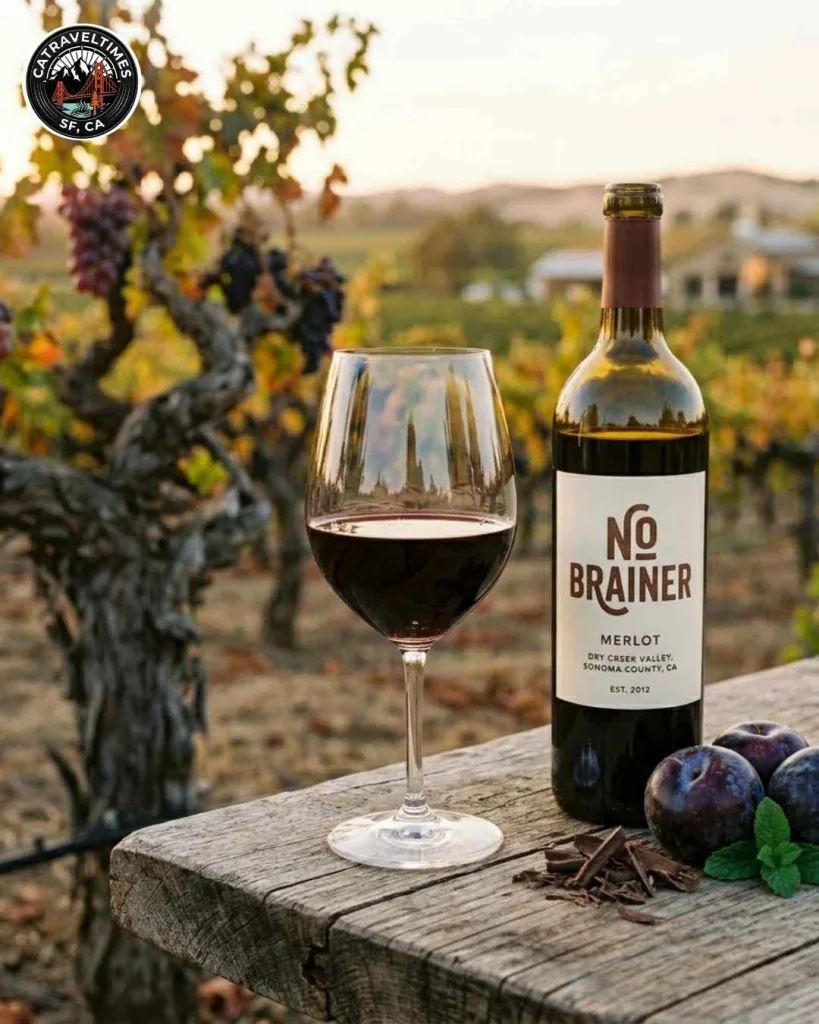
California Merlot hit a confidence peak in the early 2000s, and quality has remained strong. Sonoma County and Napa Valley produce medium-to-full-bodied Merlots with plum, mocha, and chocolate notes, wrapped in soft tannins that make them immediately accessible.
The No Brainer Merlot from Dry Creek Valley is a well-made, honest expression at an attractive price, while Talaria Merlot steps up the complexity for more formal settings.
Red Blends
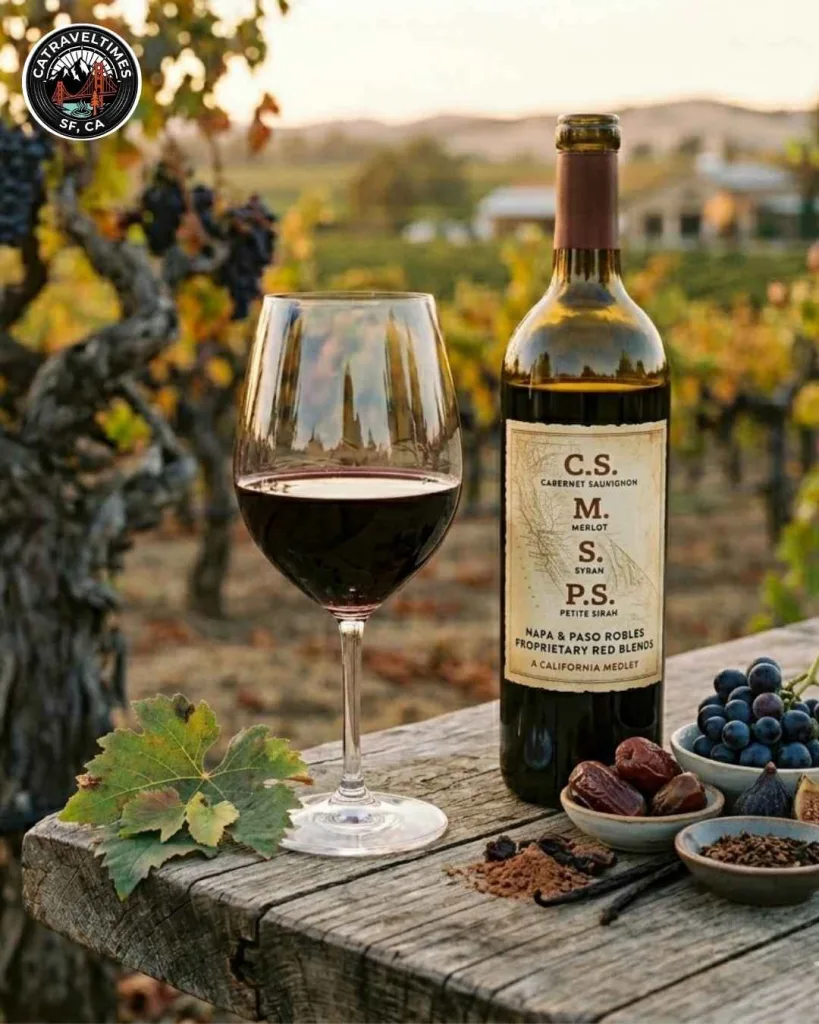
California’s proprietary red blends give winemakers creative freedom to combine Cabernet Sauvignon, Merlot, Syrah, Petite Sirah, Grenache, and other varieties. The Caymus Conundrum Red Blend is rich and broadly approachable.
Paydirt “Going For Broke” Red Blend from Paso Robles punches well above its price. Elyse “C’est Si Bon” Red Blend brings Napa-level quality to an accessible format. These wines represent some of the best value in all of California reds.
California’s Most Important Red Wine Regions
For more on visiting these regions in person, the California Local Guides at CA Travel Times covers many from a traveler’s perspective.
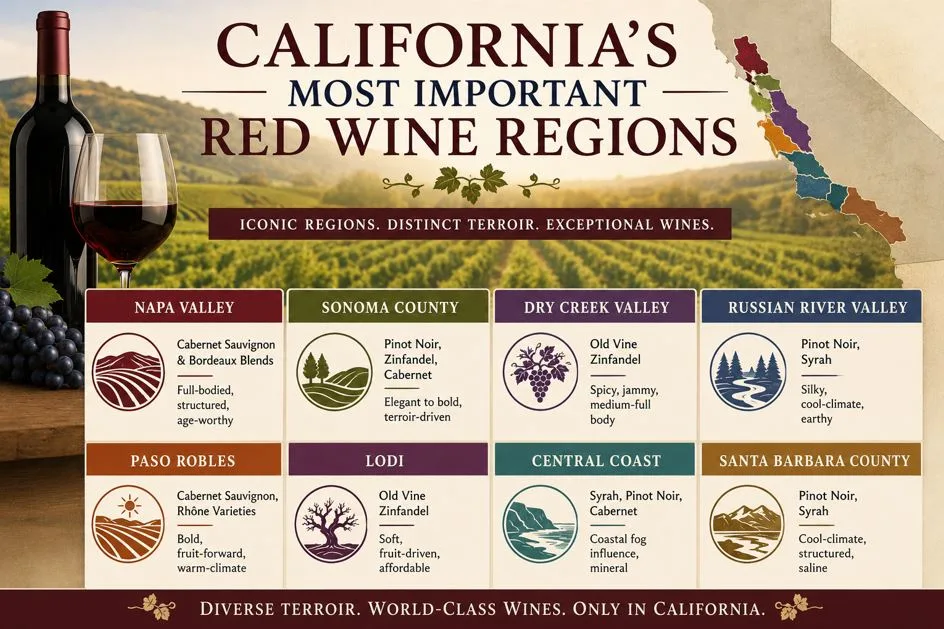
| Region | Best Known For | Style |
| Napa Valley | Cabernet Sauvignon, Bordeaux blends | Full-bodied, structured, age-worthy |
| Sonoma County | Pinot Noir, Zinfandel, Cabernet | Elegant to bold, terroir-driven |
| Dry Creek Valley | Old Vine Zinfandel | Spicy, jammy, medium-full body |
| Russian River Valley | Pinot Noir, Syrah | Silky, cool-climate, earthy |
| Paso Robles | Cabernet Sauvignon, Rhône varieties | Bold, fruit-forward, warm-climate |
| Lodi | Old Vine Zinfandel | Soft, fruit-driven, affordable |
| Central Coast | Syrah, Pinot Noir, Cabernet | Coastal fog influence, mineral |
| Santa Barbara County | Pinot Noir, Syrah | Cool-climate, structured, saline |
Best California Red Wines to Try Right Now
These are bottles I’ve personally tasted or researched in depth — a mix of splurge-worthy picks and genuine everyday values.
Under $25
- Decoy California Red Wine (Duckhorn Portfolio) — A Merlot and Cabernet Sauvignon blend that’s polished and consistent. Soft red fruit, light tannins, easy to enjoy any night of the week. Around $20-$25.
- Valravn Zinfandel, Sonoma County — Ripe blackberry and plum with a peppery finish. Good value for Sonoma County fruit at this price.
- No Brainer Cabernet Sauvignon — Fruit-forward and reliable. If you want something simple that delivers, this is a solid bottle.
$25 to $50
- Klinker Brick Old Vines Zinfandel, Lodi — Dry-farmed old vines, concentrated flavors, and a long finish. This is one of the best value Zinfandels in California.
- Olema Cabernet Sauvignon — A well-structured Sonoma County Cab with dark fruit and a clean finish. Great for the price.
- Cliffside Zinfandel — Lush and juicy with blackberry and spice. A go-to recommendation for Zinfandel newcomers.
- Paydirt “Going For Broke” Red Blend — Small-production Paso Robles blend with intensity and depth. This one surprises people.
$50 to $100
- McPrice Myers “Bull By The Horns” Cabernet Sauvignon, Paso Robles — One of the most seriously built Cabernets coming out of Paso right now. Dark fruit, firm tannins, and real aging potential.
- Talaria Vineyards Cabernet Sauvignon — Hand-selected fruit, single vineyard focus, and a price that still feels honest for the quality inside.
- Method Cabernet Sauvignon Napa Valley — Restrained, precise, and complex. If you want a Napa Cab that shows finesse over power, this is your bottle.
- Hobson Estate Pinot Noir — Elegant Russian River-style Pinot with cherry, forest floor, and silky texture.
Splurge-Worthy
- Caymus Napa Valley Cabernet Sauvignon — A California institution. Rich, ripe, and plush with blackberry, cocoa, and vanilla. Consistently one of the most well-made Cabs at this tier.
- Orin Swift “Shatter” Grenache — Technically a Côtes Catalanes French wine but made by California winemaker Dave Phinney. Layered, perfumed, and unlike anything else.
- The Prisoner Red Blend — Bold, brooding, and instantly recognizable. A Napa-sourced red blend that built a cult following for good reason.
Standout Picks Worth Knowing
- The Whole Shebang! ‘Seventeenth Cuvée’ Red Blend, Sonoma Valley — A ripe, generous Sonoma Valley blend from old vine Zinfandel, Cabernet, and Petite Sirah. Fantastic value at under $15 — one of the most reliable bargains in California reds right now.
- Klinker Brick Old Vines Zinfandel, Lodi — Dry-farmed old vines, long hang time, concentrated fruit. Bold blackberry, spice, and a finish that goes on longer than expected for the price.
- McPrice Myers ‘Bull By The Horns’ Cabernet Sauvignon, Paso Robles — One of the most seriously built Cabernets in the $25 range anywhere in California. Dark fruit, firm but integrated tannins, and genuine aging potential.
- Method Cabernet Sauvignon, Napa Valley — 95 Points — Restrained, precise Napa Cab that shows finesse over weight. Lower alcohol style, bright acidity, and layers that develop in the glass over time.
- Olema Cabernet Sauvignon, Sonoma County — 92 Points Best Buy — A polished, food-friendly Sonoma Cab with dark fruit, fine tannins, and a clean finish. One of the most honest best-buy designations in the category.
- Paydirt ‘Going For Broke’ Red Blend, Paso Robles — Dark, layered, and built with Paso Robles intensity. This small-production blend surprises people every time.
- Slam Dunk Red Blend, California — A crowd-pleasing California red blend with dark fruit, soft tannins, and a smooth finish. Tagged a “fantastic buy” by expert reviewers — the bottle to bring when you want to impress without overspending.
Is California Red Wine Sweet or Dry?
Virtually all quality California red wine is dry. Cabernet Sauvignon, Pinot Noir, Zinfandel, Merlot, and Syrah are all produced as dry wines by reputable producers — meaning residual sugar is absent or at trace levels. What confuses many people is California’s ripe, generous fruit profile.
Warm growing seasons push grapes to full phenolic ripeness, creating wine that tastes lush and fruit-forward even without added sugar. A Dry Creek Zinfandel loaded with blackberry flavors is still technically dry — the sweetness impression comes entirely from fruit concentration, not sugar. For a more savory, less fruit-forward style, focus on cool-climate regions: Russian River Valley, Sonoma Coast, or Sta. Rita Hills.
How to Read California Red Wine Tasting Notes?
Tasting notes on California reds follow a consistent structure worth understanding before you buy:
- Primary fruit — Dark cherry, blackberry, plum, raspberry, blueberry (straight from the grape)
- Oak-derived notes — Vanilla, cedar, toast, smoke, coconut (from barrel aging)
- Earth and mineral — Forest floor, graphite, dried herbs, volcanic mineral, clay
- Structure terms — Tannins (grip/texture), acidity (freshness), body (light/medium/full)
- Finish — The length of flavor after swallowing — longer is generally better in premium wines
When a note says “approachable now,” the wine is ready to drink. “Cellar 5–10 years” means it will improve with age. For everyday California reds, approachability is a strength, not a compromise.
How to Serve California Red Wine?
Getting the serving right makes a real difference. Here’s what actually matters:
Temperature
Serve most California reds between 60–65°F (15–18°C). Most homes sit warmer than this, so 15 minutes in the fridge before opening makes a noticeable difference. Serving at the right temperature sharpens aromas and reveals structure that heat tends to blur.
Decanting
Bold wines like Cabernet Sauvignon and Zinfandel open up significantly with 30 to 60 minutes of air. Decanting softens tannins and expands the nose. Lighter reds like Pinot Noir benefit from 15 to 20 minutes. For very young Napa Cabs, a double-decant accelerates the process.
Glassware
Use a large, wide-bowled glass for Cabernet and Zinfandel — the bowl allows aromas to gather and develop. A narrower Burgundy-style glass concentrates delicate Pinot Noir aromatics toward the nose. Quality glassware genuinely changes the tasting experience.
Aging and Storage
Premium Napa Cabernet ages 10 to 20+ years in proper conditions: 55°F, high humidity, dark, and stored on its side. Most everyday California reds drink best within 3 to 7 years of vintage. The 2025 vintage is expected to reward patience — especially from Napa Valley.
California Red Wine Food Pairing Guide
California reds are among the most food-friendly wines produced anywhere. Match the weight of the wine to the weight of the food. High-tannin reds want fat and protein. Light-bodied reds suit delicate dishes.
| Wine | Best Pairings | Why It Works |
| Napa Cabernet Sauvignon | Ribeye, lamb, aged cheddar | Tannins cut through rich fats |
| Sonoma Pinot Noir | Salmon, duck, mushroom risotto | Delicate body meets subtle flavors |
| Dry Creek Zinfandel | BBQ ribs, brisket, spiced lamb | Fruit + spice echo smokiness |
| Paso Robles Red Blend | Burgers, pasta Bolognese | Versatile structure, wide range |
| Central Coast Syrah | Lamb tagine, short ribs, charcuterie | Peppery savory notes match earth |
| Merlot | Roast chicken, pork, soft cheese | Soft tannins suit tender proteins |
One thing I’ve learned from years of pairing: don’t overthink it. High-tannin reds want fatty or protein-rich food. Light-bodied reds want lighter fare. When in doubt, match the weight of the wine to the weight of the dish.
How to Pick the Right Bottle?
When you’re standing in front of a wall of California reds and feeling overwhelmed, these filters cut through the noise fast:
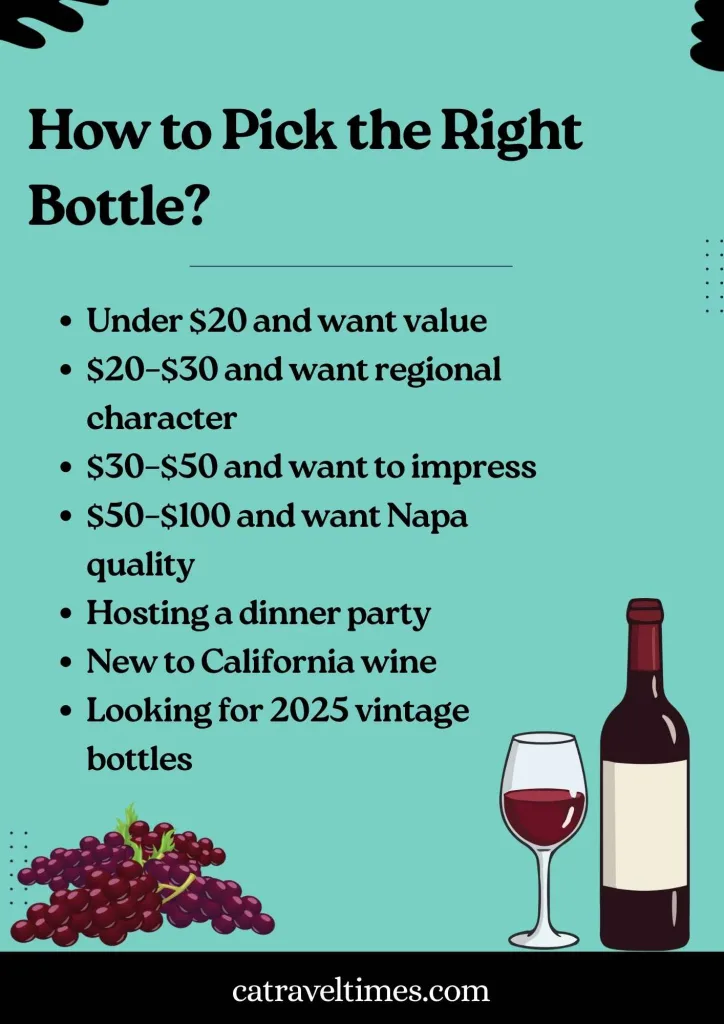
- Under $20 and want value — Klinker Brick Old Vines Zinfandel Lodi or The Whole Shebang! Sonoma Red Blend — both punch well above their price
- $20–$30 and want regional character — Valravn Zinfandel Sonoma County or Olema Cabernet Sauvignon Sonoma County — honest, food-friendly choices
- $30–$50 and want to impress — McPrice Myers Bull By The Horns Cabernet Sauvignon or Paydirt Going For Broke Red Blend
- $50–$100 and want Napa quality — Method Cabernet Sauvignon Napa Valley (95 pts) or Talaria Vineyards Cabernet Sauvignon
- Hosting a dinner party — A Napa Valley Cab or a Paso Robles Red Blend gives crowd-pleasing structure
- New to California wine — Start with the Caymus Conundrum Red Blend or Slam Dunk Red Blend
- Looking for 2025 vintage bottles — Watch for Paso Robles Cabernet and Lodi Zinfandel — early reports call it one of California’s best in years
According to Wine Institute, California produces roughly 85% of all U.S. wine, making it the fourth-largest wine producer in the world — behind France, Italy, and Spain. That scale matters because it means every style and price point is represented.
California Red Wine Clubs: What to Know
Wine clubs have become one of the most popular ways to discover small-production California reds — bottles that never reach retail shelves. Tasting rooms and wine clubs now account for 53% of the average California winery’s sales (2026 industry data), meaning the best wines often go directly to club members first.
| What to Look For | Why It Matters |
| Hand-selected, small-production bottles | Access to wines not found in regular stores |
| Quarterly or monthly delivery flexibility | Fits your schedule and cellar space |
| Tasting notes and pairing cards included | Helps you get more from every bottle |
| Mix of regions (Napa, Sonoma, Paso, Central Coast) | Broadens your California wine education |
| Cancel-anytime policy | Risk-free exploration of new producers |
Final Thoughts
California red wine is one of the most exciting and varied categories in the world. From the powerful, cellar-worthy Cabernets of Napa Valley to the spicy old vine Zinfandels of Dry Creek Valley and the cool-climate Pinot Noirs of the Russian River Valley, there is no single California red — just an endlessly interesting collection of wines shaped by place, climate, and the people who make them.
My honest advice: don’t limit yourself to one region or one grape. The more you explore across California’s appellations, the more you’ll understand what makes this state’s wine genuinely special. Start with what fits your budget, follow what you like, and let the geography lead you the rest of the way.
Frequently Asked Questions
What is the most popular California red wine?
Cabernet Sauvignon from Napa Valley holds the top spot globally by reputation and price. For everyday popularity by volume, Red Blends and Zinfandel lead in retail sales across the U.S.
What is the best vintage year for California red wine right now?
In 2026, look for bottles from the 2023 vintage (outstanding across most regions), the 2021 vintage (deeply concentrated), and watch for early releases of 2025 — the harvest reports describe it as exceptional, particularly for Napa Cabernet and Lodi Zinfandel.
What is a California Red Blend vs. a varietal wine?
A varietal wine (like Cabernet Sauvignon) must contain at least 75% of that grape by U.S. law. A California Red Blend is a proprietary mix of varieties in proportions the winemaker chooses — not bound by varietal rules. Blends often offer more complexity and value.
Where can I buy small-production California red wines?
The best small-production California reds are found through winery direct-to-consumer sales, wine club memberships, and specialty wine retailers. Platforms like Brix26 focus specifically on hand-selected small-production bottles not available through regular retail channels.