Car Travel on PaxTravelTweaks: Road Trip Guide 2026
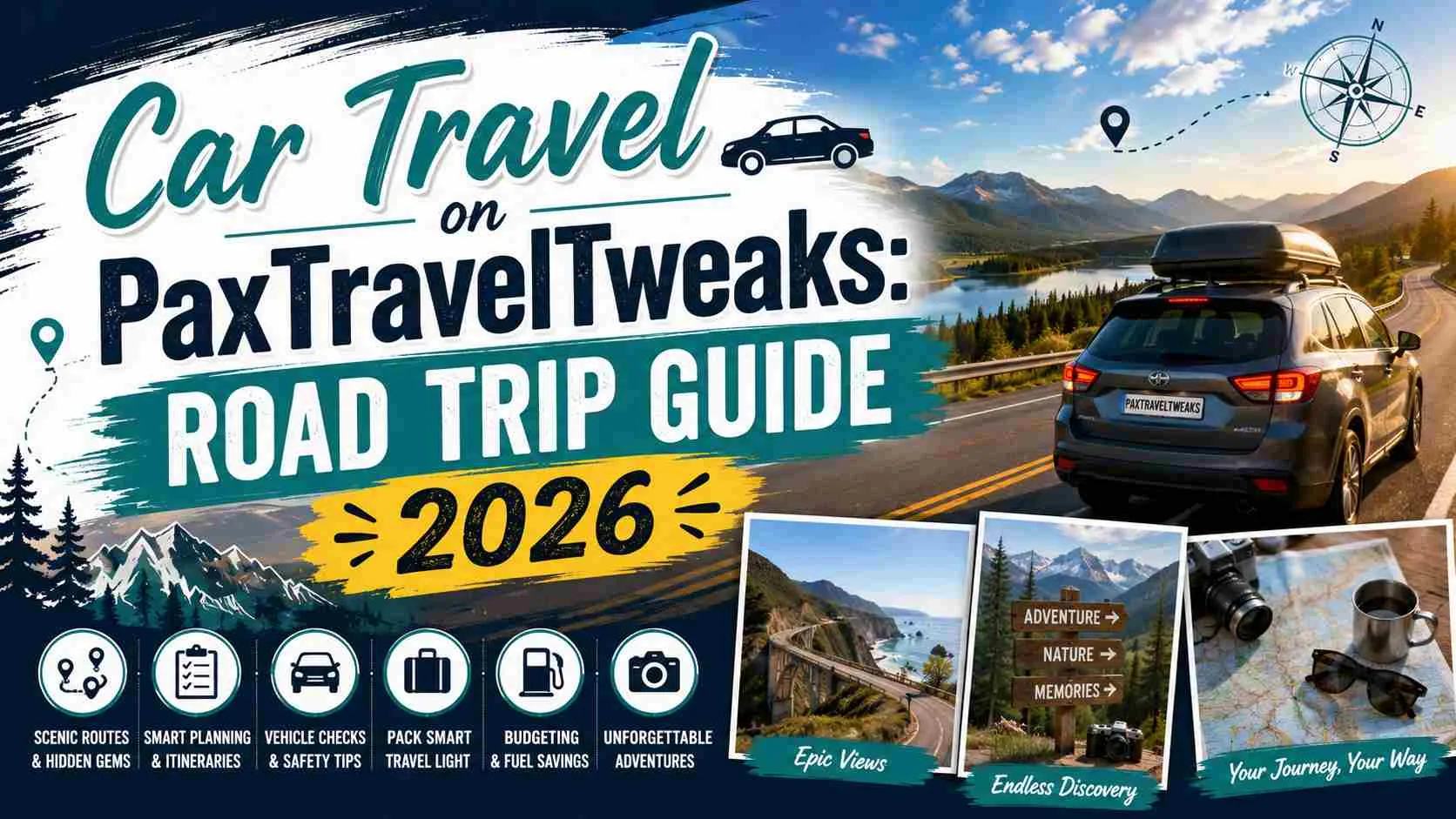
Few travel experiences offer the same freedom as getting behind the wheel and choosing your own path no boarding gates, no baggage carousels, no fixed schedules. For travelers who want that flexibility without sacrificing preparation, car travel on PaxTravelTweaks has become a go-to reference for planning smarter, safer, and more enjoyable road journeys. For more destination ideas, CA Travel Times is a great companion resource to plan the rest of your trip.
This guide brings together the core ideas behind road-trip planning as covered by PaxTravelTweaks from route planning and vehicle checks to packing, budgeting, and discovering hidden gems along the way.
What Does Car Travel on PaxTravelTweaks Actually Mean?
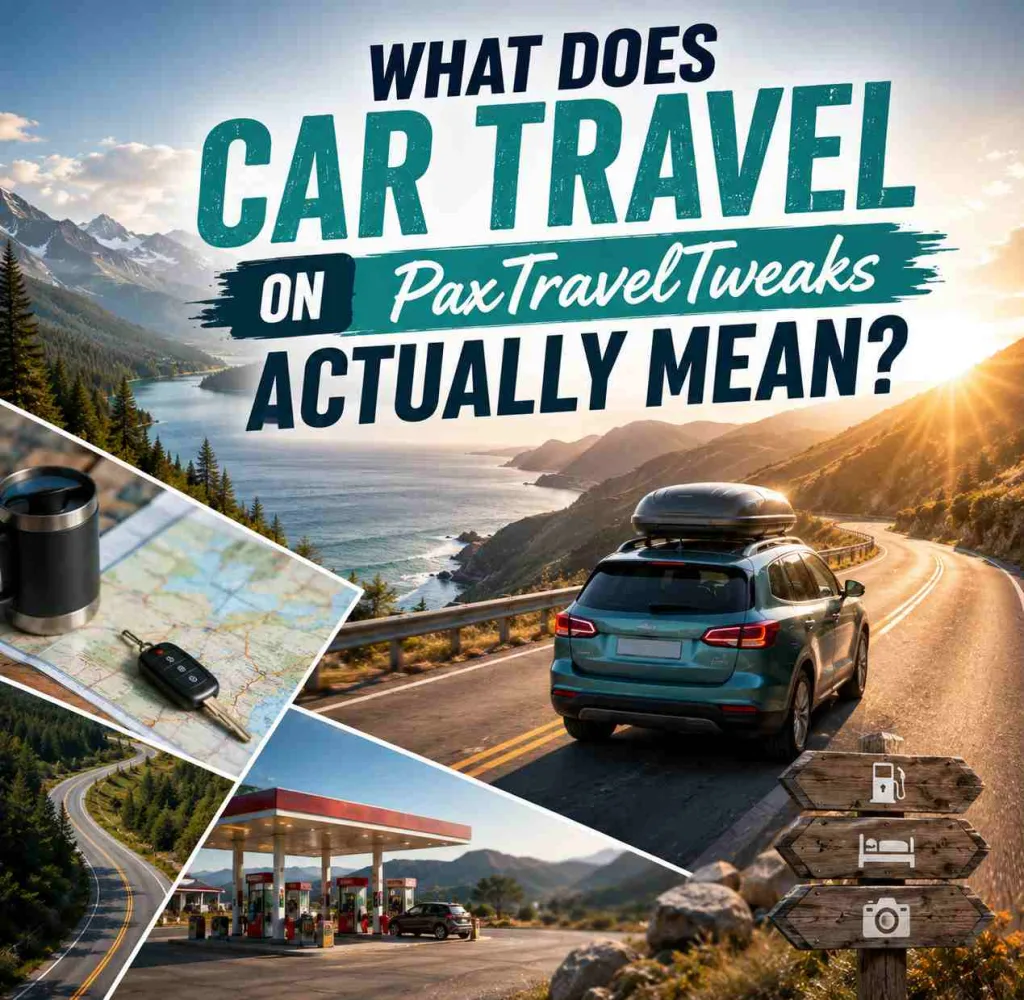
At its core, car travel on PaxTravelTweaks refers to a structured approach to road-trip planning one that treats driving not just as a means of getting from point A to point B, but as a meaningful part of the travel experience itself. This philosophy matters because road trips involve variables that flights and trains simply don’t. Drivers need to think about:
- Fuel costs and refueling stops
- Road conditions, tolls, and seasonal closures
- Rest breaks and driving fatigue
- Vehicle readiness before departure
- Local driving laws that vary by state or region
Understanding these factors upfront is what separates a smooth, memorable drive from a stressful one.
Why Choose Car Travel Over Other Modes of Transport?
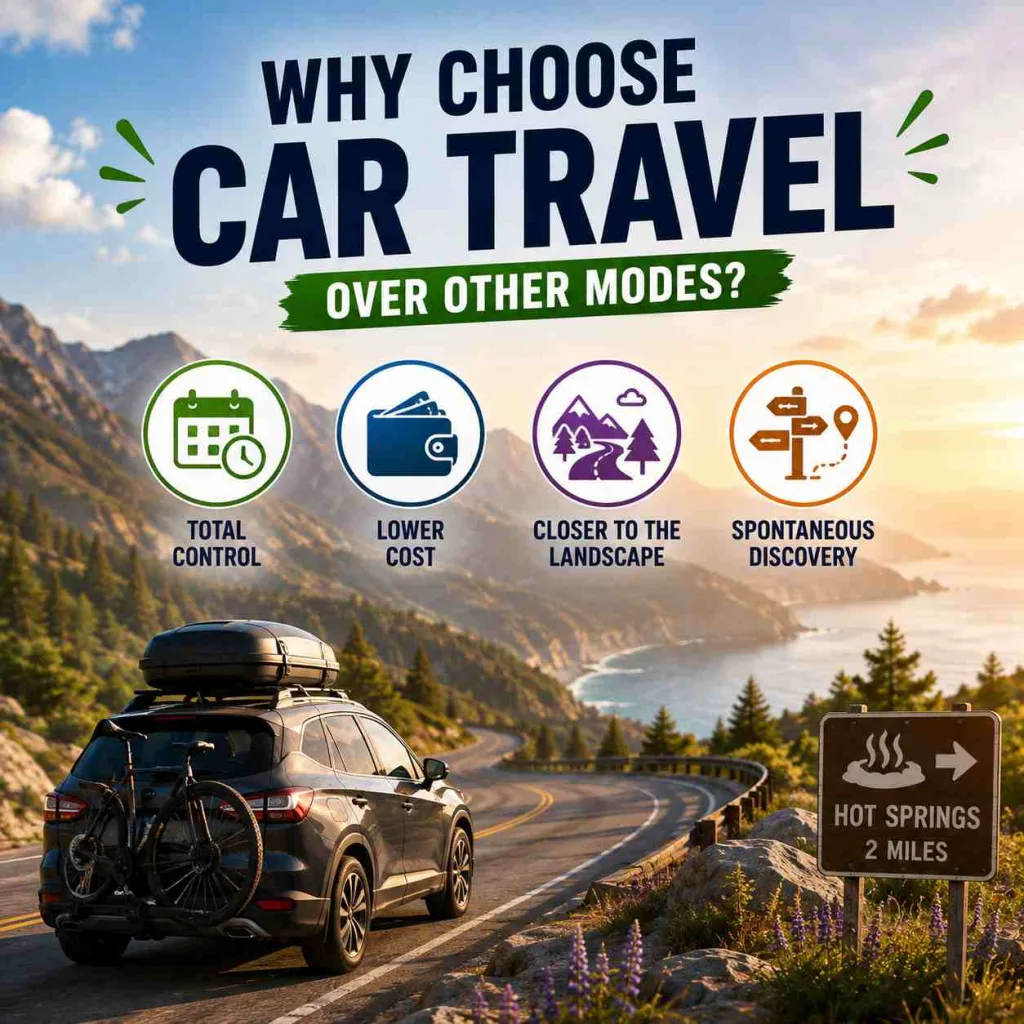
- Total control over your itinerary — no check-in deadlines, no fixed departure times, and the freedom to take a detour whenever something catches your eye.
- Lower overall cost — for families and small groups, driving is often far more economical than flying once you factor in baggage fees and airport transfers.
- A closer connection to the landscape — driving through a region lets you actually experience its geography and culture instead of flying over it.
- Spontaneous discovery — some of the best travel memories come from unplanned stops: a roadside diner, a scenic overlook, or a secluded natural hot spring just off the highway.
If soaking in a natural mineral pool sounds appealing after a long day of driving, resources like CA Travel Times are a helpful starting point for finding scenic hot springs and other detour-worthy stops along popular driving routes.
Planning Your Route the Smart Way
Use Digital Tools Before You Go
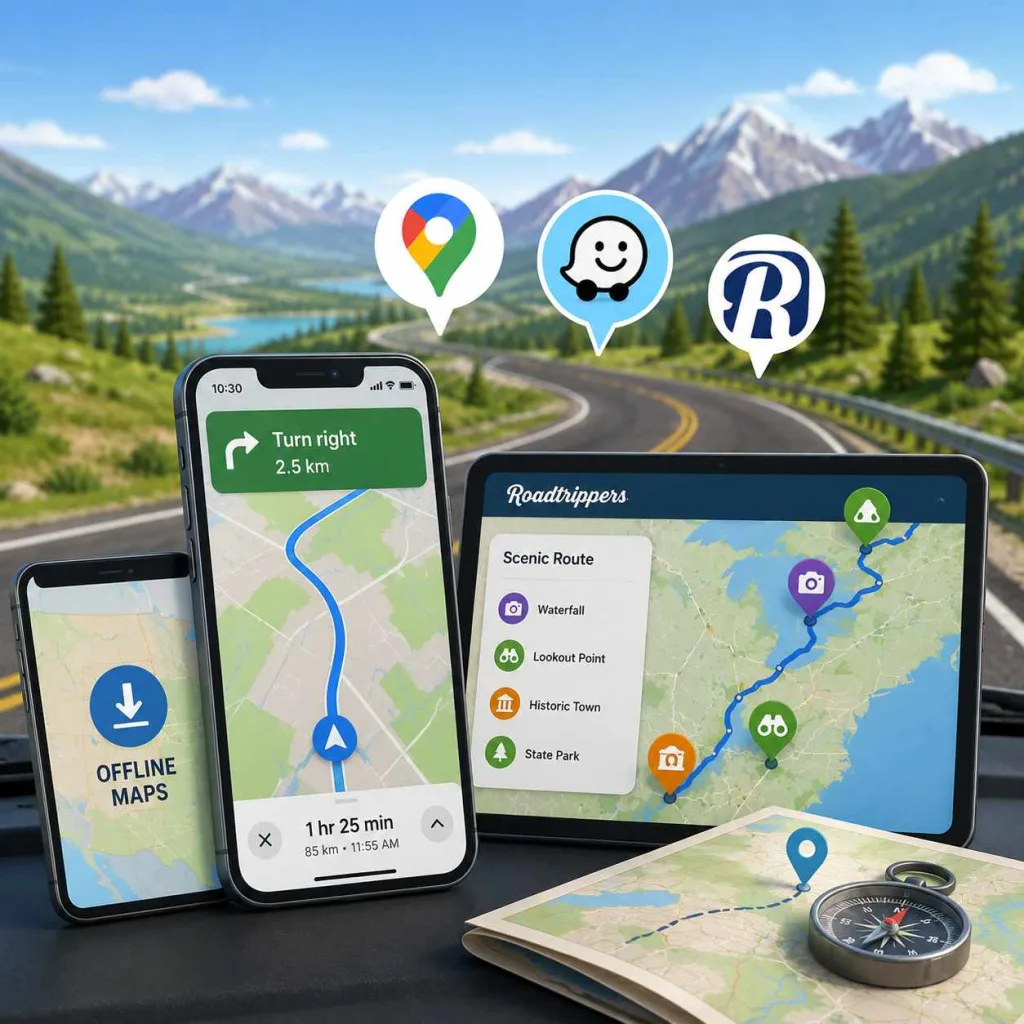
Route planning is where every successful road trip begins. Car travel on PaxTravelTweaks places heavy emphasis on using navigation technology strategically. Apps like Google Maps and Waze provide real-time traffic updates, while platforms such as Roadtrippers help you map scenic detours along your corridor. Download offline maps before entering areas with limited cell coverage, since national forests and mountain passes often fall into a dead zone right when you need directions most.
Build Flexibility Into Your Itinerary
- Identify your major waypoints and overnight stops in advance.
- Leave roughly 20–30% of each day open for spontaneous stops.
- Cap daily driving distances at around 300–400 miles to avoid fatigue.
- Research fuel stations, rest areas, and scenic pullouts before you set off.
Factor In Timing and Seasonal Conditions
Morning starts on weekdays generally mean lighter traffic, and checking weather forecasts a few days out lets you shift your schedule if severe conditions are expected. For mountain routes, checking official state transportation sites before departure can save hours of frustration.
Vehicle Preparation: The Pre-Trip Checklist
A thorough pre-trip inspection is one of the most consistently emphasized elements of car travel on PaxTravelTweaks, since mechanical issues are a leading cause of road-trip delays. Before you leave, run through this checklist:
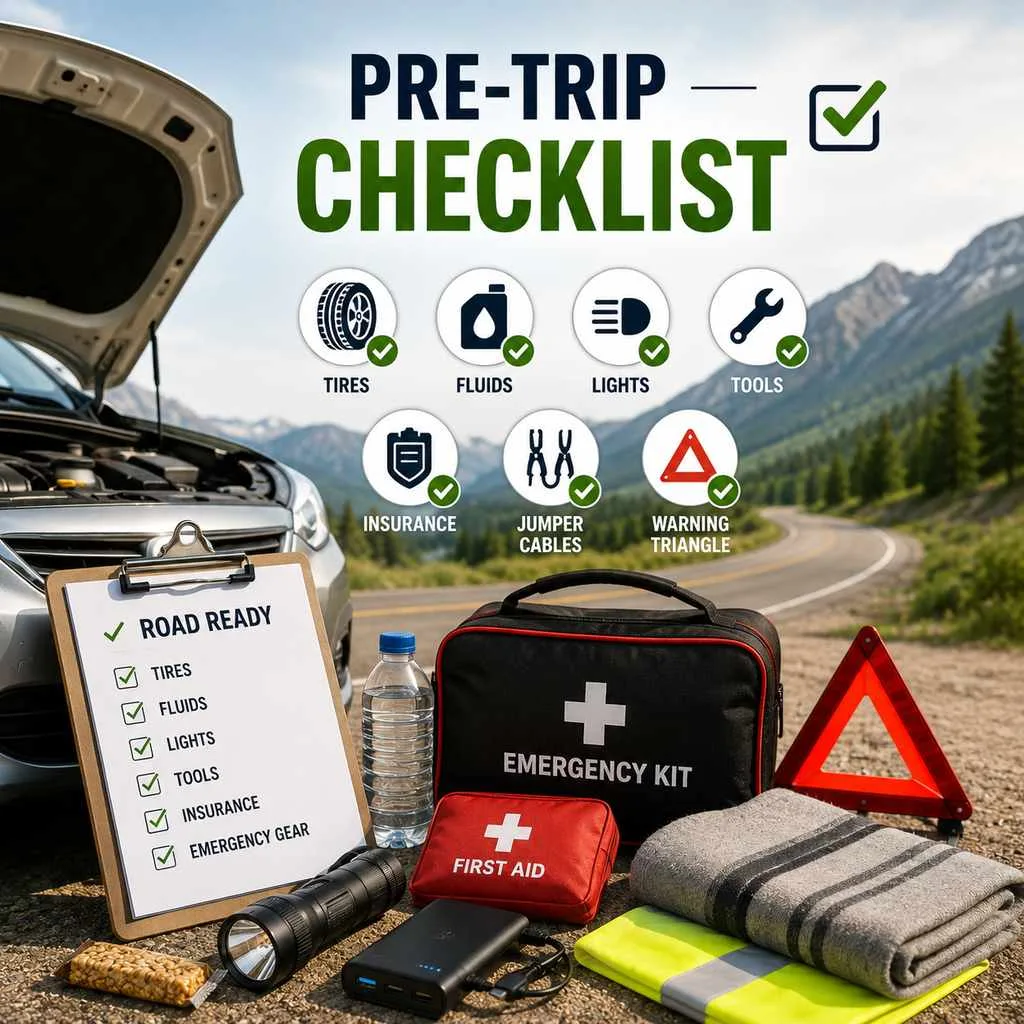
- Check tire pressure and tread depth, including the spare.
- Inspect fluid levels: oil, coolant, brake fluid, and washer fluid.
- Test all lights — headlights, brake lights, and turn signals.
- Confirm your jack and basic toolkit are in working order.
- Update your insurance documents and roadside assistance membership.
- Pack jumper cables, a tire repair kit, and a reflective warning triangle.
Keep a Basic Emergency Kit
A well-stocked emergency kit is non-negotiable for longer drives. At minimum, include a flashlight, a first-aid kit, a charged power bank, drinking water, and non-perishable snacks — plus a blanket if you’re heading into remote or mountainous terrain.
Packing and In-Car Comfort
Pack Smart, Not Heavy
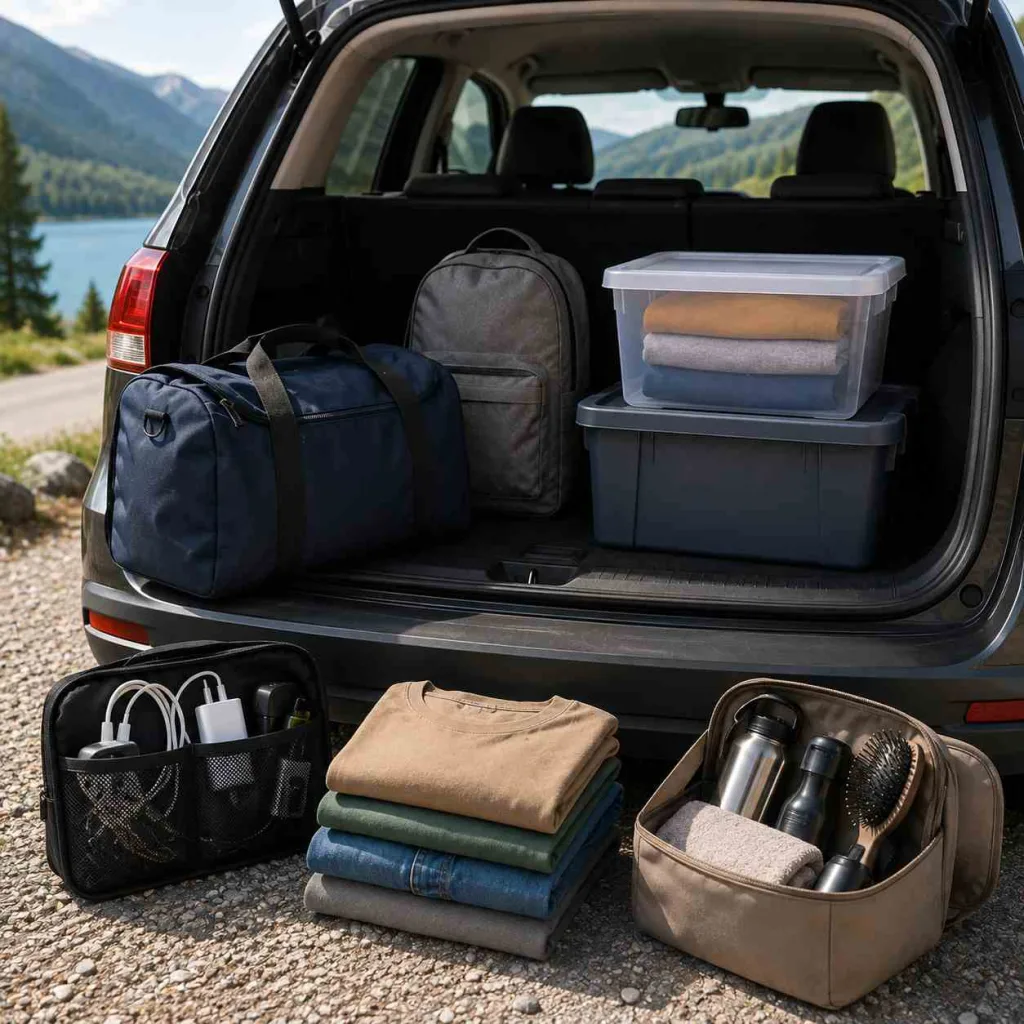
Overpacking is one of the most common road-trip mistakes. Focus on organized essentials: a soft duffel for daily items, a separate bag for emergency clothing, and a dedicated pouch for chargers and cables. Storage bins make it far easier to find what you need without unpacking at every stop.
Prioritize Ergonomic Support
Standard car seats aren’t built for multi-hour drives. A lumbar support cushion and a properly designed neck pillow can noticeably reduce fatigue on long stretches. Cabin temperature matters too — aim for a steady, moderate setting to avoid drowsiness or discomfort.
Take Purposeful Rest Stops
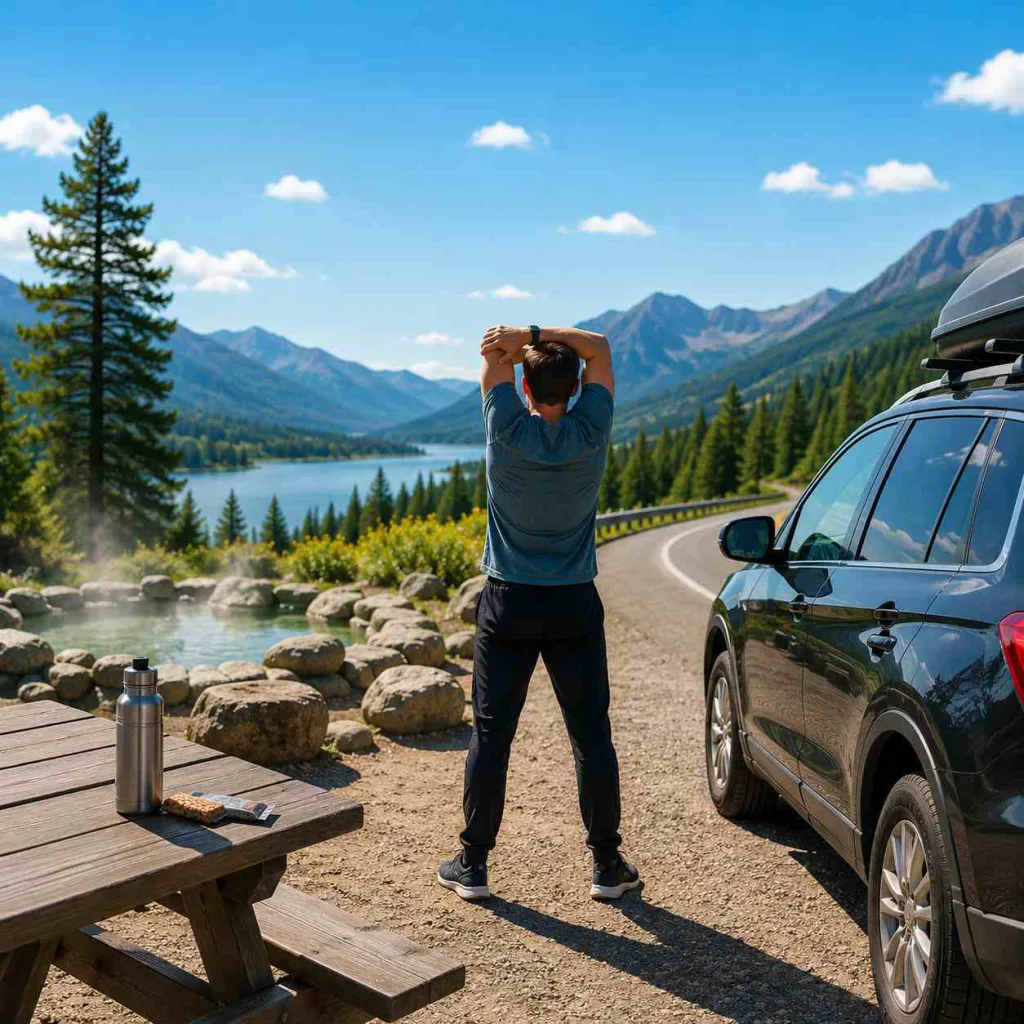
Stopping every 1.5 to 2 hours isn’t a sign of poor planning it’s smart driving. Use each stop to walk for five to ten minutes, stretch the hips and shoulders, and hydrate with a light snack.
If your route passes through a region known for geothermal activity, time one of these breaks around a soak. A short stop at a natural hot spring relieves muscle tension from hours behind the wheel and turns a routine rest stop into a genuine highlight. Guides covering scenic hot springs near major driving routes, such as those on CA Travel Times, can help you find one that fits your itinerary.
Safety on the Road
Safety sits at the center of every recommendation tied to car travel on PaxTravelTweaks.
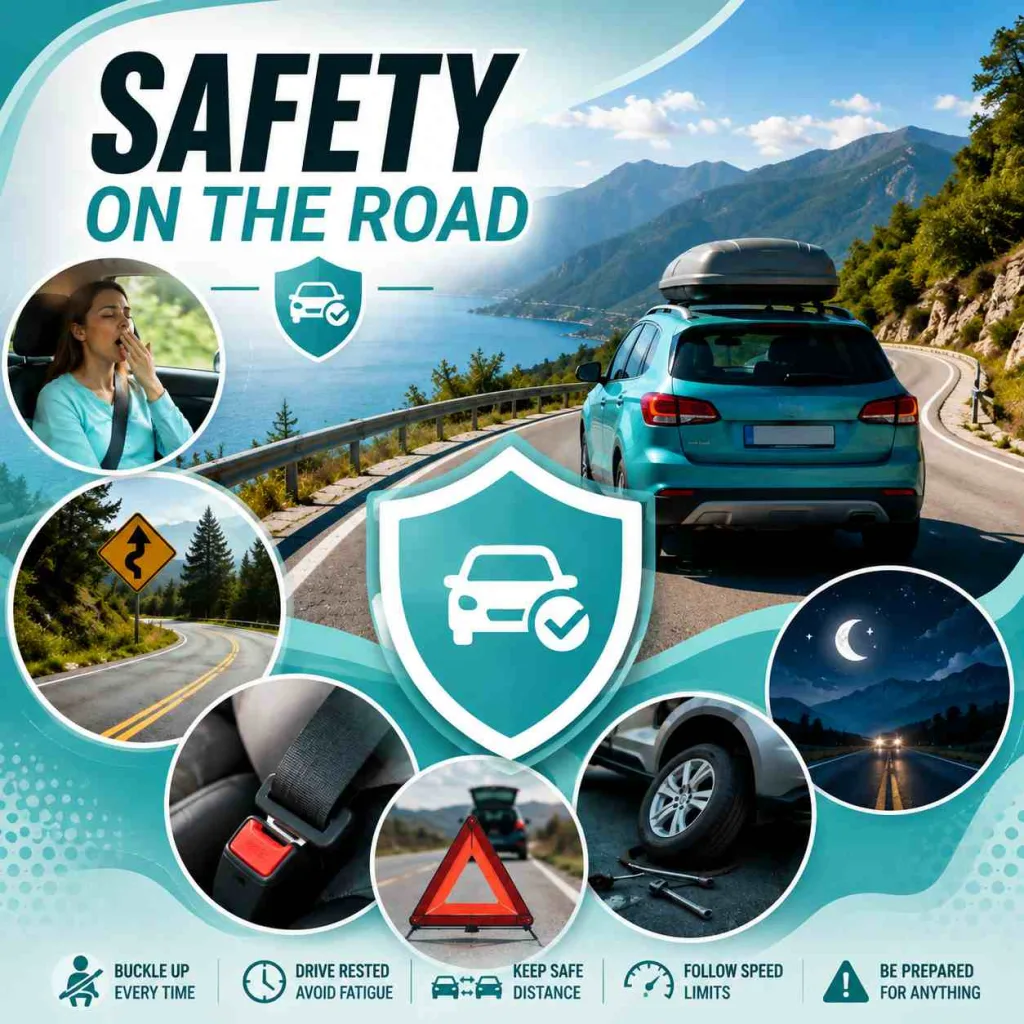
- Avoid driving more than 8–9 hours in a single day without adequate rest.
- Limit driving between midnight and 6 a.m., when fatigue-related accidents peak.
- Maintain a safe following distance, especially at highway speeds.
- Pull over immediately if you feel drowsy — even a short nap restores alertness significantly.
Seat belt laws, child-seat requirements, and speed enforcement methods vary by state. Before crossing into a new region, check official government resources — the Federal Highway Administration publishes updated guidance on road conditions and interstate travel rules across the United States.
If your vehicle breaks down, move it to a safe area, activate hazard lights, and set up a reflective triangle if it’s safe to do so. Keep your roadside assistance number saved and accessible, since cell service isn’t guaranteed everywhere.
Budget and Fuel Efficiency
Car travel on PaxTravelTweaks highlights several practical strategies for controlling costs:
- Track fuel prices using apps like GasBuddy to identify the cheapest stations along your route.
- Drive at consistent speeds — highway cruising between 55–65 mph is more fuel-efficient than aggressive acceleration and braking.
- Reduce roof drag by removing cargo carriers when they’re not in use.
- Book accommodation in advance, ideally with flexible cancellation policies.
- Prepare meals and snacks ahead of time — a stocked cooler can cut food costs by 40–50% on a multi-day trip.
Entertainment on the Road
Long highway stretches can test anyone’s patience, so plan your in-car entertainment ahead of time:
- Download podcasts, audiobooks, or playlists in advance for offline listening.
- Prepare road trip games or trivia cards for younger passengers.
- Pre-download shows or movies for tablets before losing signal.
- Schedule activity stops — nature trails or roadside attractions — to break up long stretches.
Discovering Hidden Gems Along the Way
One of the biggest advantages of car travel on PaxTravelTweaks is the access it provides to places you simply can’t reach by plane or train. To find these off-the-beaten-path spots:

- Use satellite map view to spot interesting geographic features near your route.
- Browse regional tourism board websites for the areas you’ll be passing through.
- Ask locals at gas stations or diners they usually know the best-kept secrets nearby.
- Look for national forest roads and scenic byways running parallel to major highways.
Many of these detours lead to genuinely special places a valley overlook, a small-town bakery, or a hidden hot spring tucked off a forest road. Browsing the CA Travel Times destination guides is a good way to line up a few of these stops before you leave. The National Park Service also maintains official listings and safety guidance for geothermal features on protected federal lands, a reliable starting point before visiting any natural thermal area.
Final Thoughts
Car travel on PaxTravelTweaks is about treating the journey as part of the destination, not just a way to get there. A well-planned route, a properly prepared vehicle, smart packing, and genuine openness to unplanned discoveries can turn an ordinary drive into a memorable one.
From checking your tires before departure to timing rest stops around a scenic soak, every small decision adds up to a smoother trip. Pair these habits with CA Travel Times for fresh destination ideas, and every mile becomes worth remembering.
Frequently Asked Questions
What is car travel on PaxTravelTweaks?
It’s a structured approach to road-trip planning covering route selection, vehicle prep, safety, budgeting, and comfort — helping travelers turn ordinary drives into well-organized, enjoyable journeys.
How many miles should I drive per day on a road trip?
Most planners recommend capping daily driving at 300–400 miles, with breaks every 1.5 to 2 hours, to avoid fatigue and keep the trip enjoyable.
What should I check on my car before a long drive?
Inspect tire pressure and tread, fluid levels, lights, and your spare tire, and confirm your insurance and roadside assistance details are current.
How can I save money during a road trip?
Track fuel prices with apps like GasBuddy, drive at consistent highway speeds, book lodging early, and pack meals instead of eating out at every stop.
Are hot springs good road trip stops?
Yes — a short soak at a natural hot spring along your route relieves driving fatigue and adds a memorable highlight; sites like CA Travel Times can help you find one nearby.