
Red Spider Mites Hot Springs: Risks, Bites & Safety Tips 2026
If you’ve spent any time researching backcountry soaking in Idaho or the Pacific Northwest, you’ve probably come across warnings about tiny red bugs lurking near the water’s edge. Red spider mites hot springs encounters are one of those quirky realities of natural geothermal soaking that rarely make it into glossy travel brochures, yet every serious hot spring enthusiast should understand them before packing the car.
These pinhead-sized arachnids aren’t dangerous, but an unprepared visit can turn a relaxing soak into a week of itchy frustration. This guide breaks down what red spider mites are, where they tend to show up, how they affect the human body, and the practical steps that keep your soak comfortable from start to finish. Whether you’re a first-timer or a seasoned hot springs hunter, understanding red spider mites hot springs behavior will help you plan smarter trips and avoid unnecessary discomfort.
What Are Red Spider Mites?
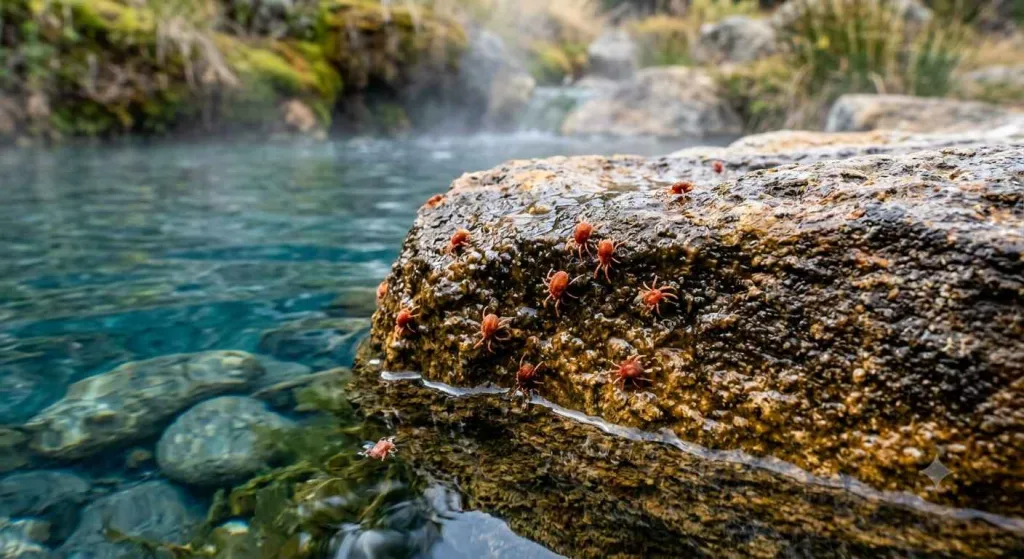
Red spider mites (often shortened to RSMs by regular soakers) are tiny arachnids related to spiders and ticks. They’re barely visible without a close look, appearing as fast-moving orange-red specks that dart across warm rocks, pool rims, and even the surface film of the water itself.
It’s worth clearing up a common mix-up right away:
- These hot springs mites are not the same species as the agricultural red spider mite (Tetranychus urticae) that gardeners battle on houseplants and crops.
- The hot springs variety has adapted specifically to warm, mineral-rich pool margins rather than plant leaves.
- They are most frequently reported around natural pools in Idaho, with additional sightings across Oregon, Nevada, and parts of California.
Why Do They Cluster Around Geothermal Pools?
The steady warmth surrounding geothermal vents creates a near-perfect microclimate for these mites to thrive year-round. Springs that don’t get scoured by heavy seasonal snowmelt or runoff tend to host larger, more persistent mite colonies, since nothing is flushing them out. Less-acidic, non-sulfur springs also seem to be more hospitable to them than highly mineralized, sulfur-heavy waters.
How Red Spider Mites Affect Humans
Anyone planning a trip around red spider mites hot springs locations should understand exactly what happens on contact, since the reaction is fairly predictable.
The Bite-and-Heal Cycle
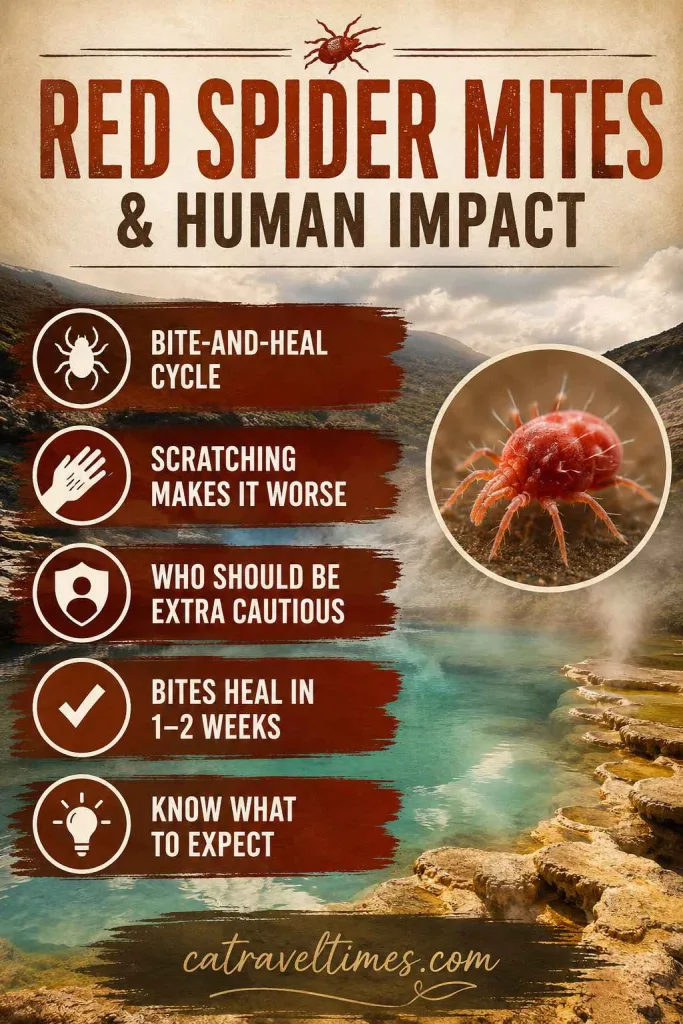
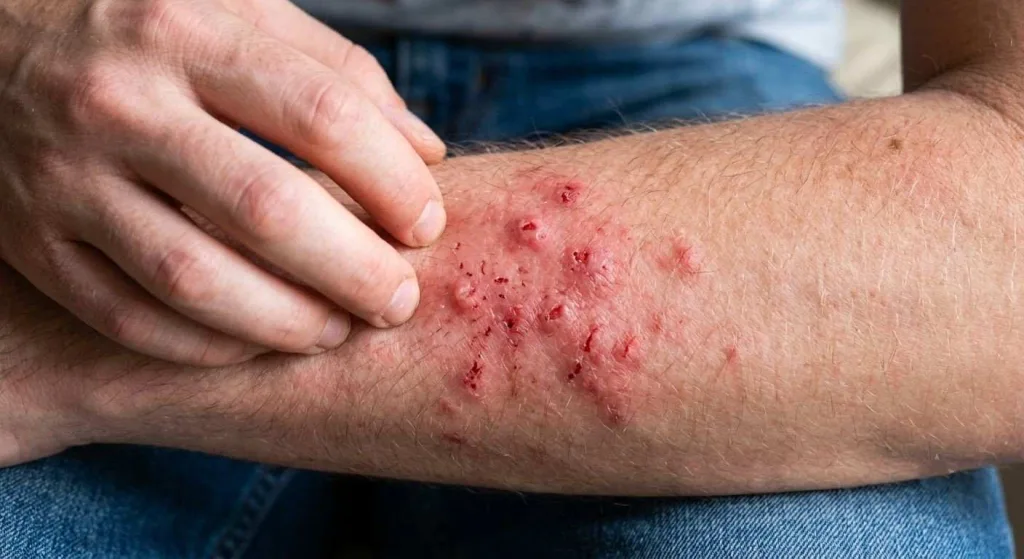
RSMs cling to exposed skin — and to towels or clothing left near the pool — and attempt to bite into the skin’s surface to lay eggs. The human immune system stops the eggs from hatching and, within a few days, typically clears the mites from the skin entirely. What’s left behind is a small, itchy red welt that looks and feels a lot like a mosquito bite.
Why Scratching Makes It Worse
- Scratching during the first few days after a bite can agitate the area and trigger additional biting.
- Irritated skin appears to draw more mite activity rather than less.
- Most bites heal completely within one to two weeks if left alone and properly treated.
Who Should Be Extra Cautious
- Children often react more visibly to bites and should be watched closely for excessive scratching.
- People with sensitive skin or weakened immune systems may experience longer-lasting irritation and should consider extra precautions or avoiding known high-activity pools.
- First-time soakers unfamiliar with RSMs sometimes panic at the first itch — knowing what to expect in advance makes the experience far less alarming.
Where Are Red Spider Mites Found?
Mite activity isn’t spread evenly across every geothermal pool. It shifts by location, season, and water chemistry, and can appear one week and vanish the next. Below is a breakdown drawn from long-running community reports across the Northwest.
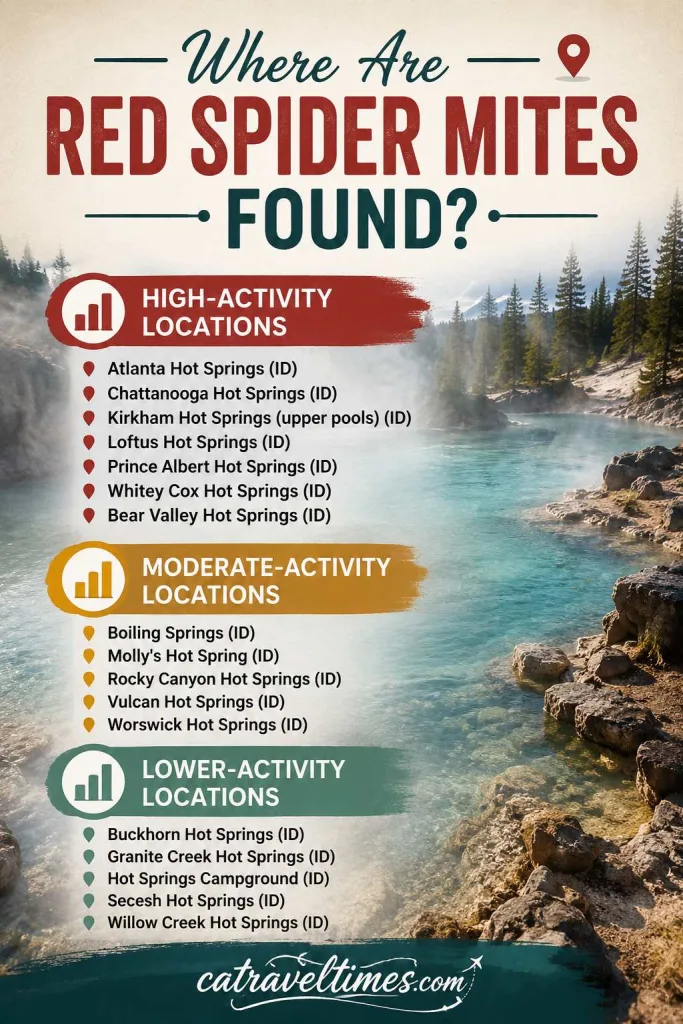
High-Activity Locations
- Atlanta Hot Springs (ID)
- Chattanooga Hot Springs (ID)
- Kirkham Hot Springs — upper pools (ID), though the lower pools report little to no activity
- Loftus Hot Springs (ID)
- Prince Albert Hot Springs (ID)
- Whitey Cox Hot Springs (ID)
- Bear Valley Hot Springs (ID) — high, but fluctuates seasonally
Moderate-Activity Locations
- Boiling Springs (ID)
- Molly’s Hot Spring (ID)
- Rocky Canyon Hot Springs (ID)
- Vulcan Hot Springs (ID) — some reports may actually describe chiggers rather than RSMs
- Worswick Hot Springs (ID)
Lower-Activity Locations
- Buckhorn Hot Springs (ID)
- Granite Creek Hot Springs (ID)
- Hot Springs Campground (ID)
- Secesh Hot Springs (ID)
- Willow Creek Hot Springs (ID)
Reports also place RSMs at a handful of Oregon springs, including Bog Hot Springs and Little Borax, confirming that the issue isn’t confined to Idaho alone. If you’re planning travel further south, it’s worth noting that the warm mineral pools across California’s hot springs tend to report far fewer mite issues overall, which is one more reason soakers exploring the West Coast often diversify their itinerary between regions.
Spotting Red Spider Mites Before You Soak
A few seconds of observation before stepping into any pool can save you days of itching later.
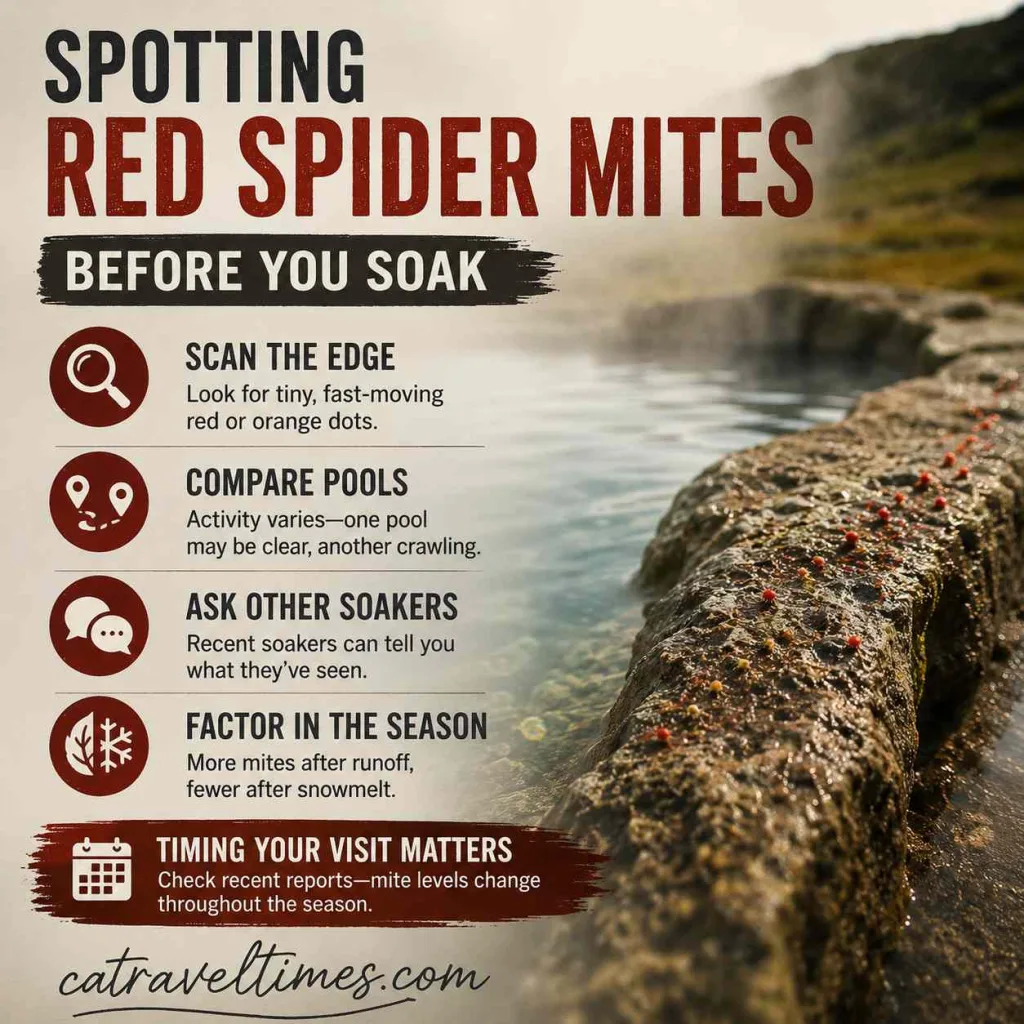
- Scan the pool’s edge. Mites gather where warm rock meets water — look for tiny, fast-moving red or orange dots zipping along the rim.
- Compare multiple pools in the same complex. Activity often varies dramatically between adjacent pools; one may be clear while the next is crawling.
- Ask other soakers. Anyone who has soaked there that same day or week can usually tell you whether they noticed activity.
- Factor in the season. Activity tends to climb after spring runoff has settled and drop again once fresh snowmelt flushes the pools.
Timing Your Visit Matters
Mite populations rise and fall with seasonal water flow, meaning the same pool can be mite-free one month and active the next. Checking recent trip reports before heading out is one of the simplest ways to avoid a surprise.
Red Spider Mite Precautionary Measures
Prevention takes only a few extra minutes and dramatically lowers your odds of getting bitten during any red spider mites hot springs visit.
Protecting your gear:
- Hang towels, clothing, and packs from a tree branch rather than setting them on rocks or bare ground.
- If no branch is available, seal gear inside a plastic bag.
- Never leave anything flat on the rocks surrounding the pool — mites actively search out dry surfaces to lay eggs.
While you’re in the water:
- Stay toward the center of the pool, since mites concentrate near the edges.
- Soak near a gentle outflow if one exists; moving water tends to discourage mite activity.
- Shorten your soak if you notice active mites along the rim.
After you soak:
- Dry off quickly and thoroughly before mites have a chance to settle on damp skin.
- Apply insect repellent or lotion only after soaking, never before — RSMs tend to bite most aggressively once skin is dry, and pre-soak lotion only pollutes the pool.
- Check your skin and gear carefully before the drive home.
- Shake out and wash all clothing and towels once you’re back, just to be safe.
Why “After, Not Before” Matters
Applying repellent before getting in the water does nothing to stop bites and instead introduces chemicals into a shared natural pool. Waiting until after your soak protects both your skin and the water quality everyone else relies on.
Treatment After RSM Bites
If you’ve been bitten, you’ll typically know within a day or two as the welts start to itch and redden.
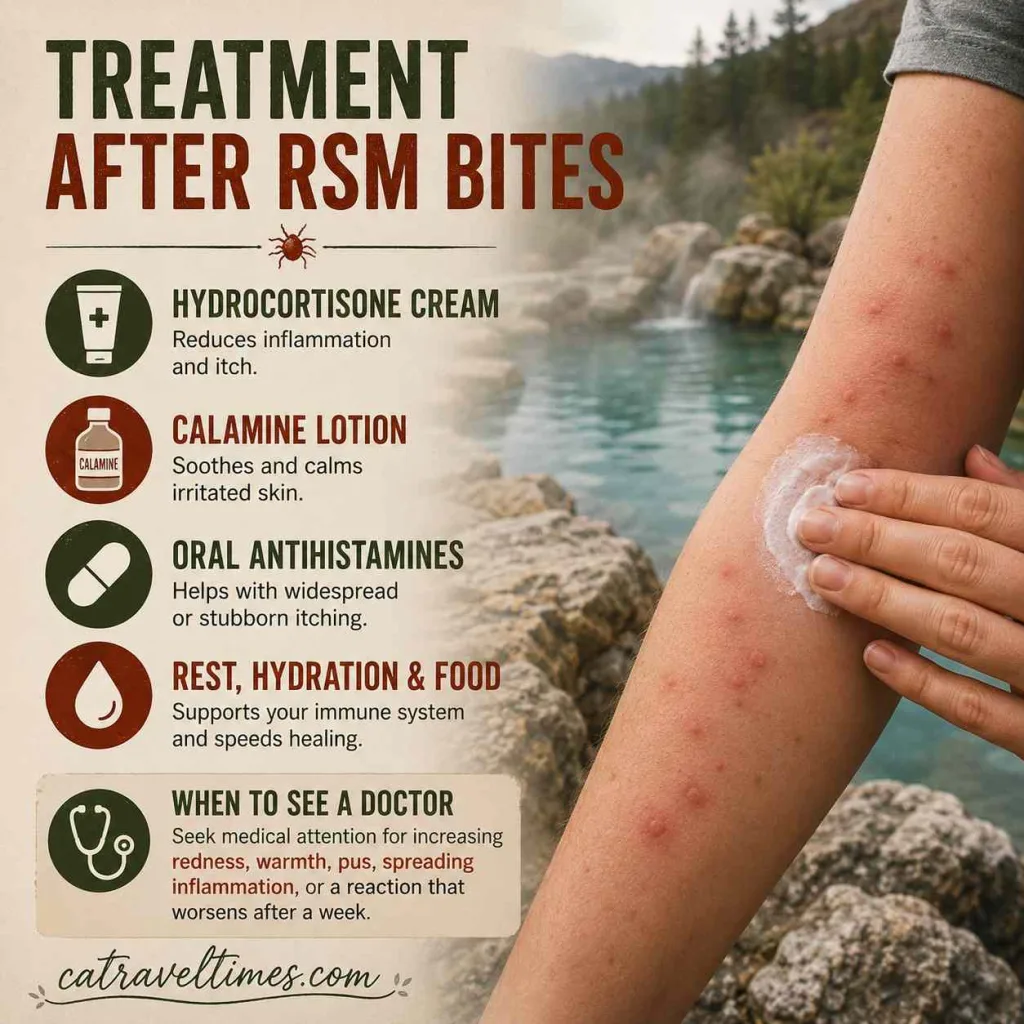
- Hydrocortisone cream — a mild topical steroid that reduces both inflammation and itch.
- Calamine lotion — a classic, gentle option for soothing irritated skin.
- Oral antihistamines — useful if the reaction is more widespread or topical treatment isn’t enough.
- Rest, hydration, and food — giving your immune system the resources it needs speeds up natural healing.
When to See a Doctor
Most RSM bites resolve on their own within one to two weeks without any medical care. That said, watch for increasing redness, warmth, pus, or spreading inflammation, since these can signal a secondary infection that needs professional attention. Anyone with a severe or worsening reaction after a week should check in with a healthcare provider rather than waiting it out.
Final Thoughts
Red spider mites hot springs encounters sound more alarming than they actually are. With a quick visual check, smart gear storage, and a center-of-pool soak, most visitors avoid bites altogether — and those who don’t are usually back to normal within a couple of weeks. Idaho and the Pacific Northwest remain home to some of the most rewarding natural soaks in the country, and a little preparation is all it takes to keep RSMs from getting in the way of a good trip.
Visit CA Travel Times for comprehensive hot springs guides helping you plan unforgettable geothermal adventures across the American West.
This article is intended for general informational purposes only and is not a substitute for professional medical advice. If you experience a severe reaction after a hot springs visit, consult a healthcare provider.
Common Questions About Red Spider Mites Hot Springs
Will mites follow me home?
It’s unlikely, as long as gear is bagged, shaken out, and washed after the trip. RSMs don’t survive well outside the warm, humid environment of a natural hot spring.
Do all hot springs have them?
No. Activity depends heavily on water chemistry, seasonal flushing, and the specific microhabitat of each pool. Some springs have never reported a single case, while others have persistent populations year after year.
Does the body build immunity over time?
Yes, to a degree. Frequent soakers often notice that repeated exposure leads to milder reactions, as the immune system becomes more efficient at handling the mites and their eggs.
Are red spider mites the same as chiggers?
Not quite, though the symptoms overlap enough to cause confusion. At a few locations, including Vulcan Hot Springs, reports may actually describe chiggers rather than true RSMs. Both cause itchy bites, but chiggers are a separate species more commonly found in grassy or wooded terrain rather than geothermal pools specifically.