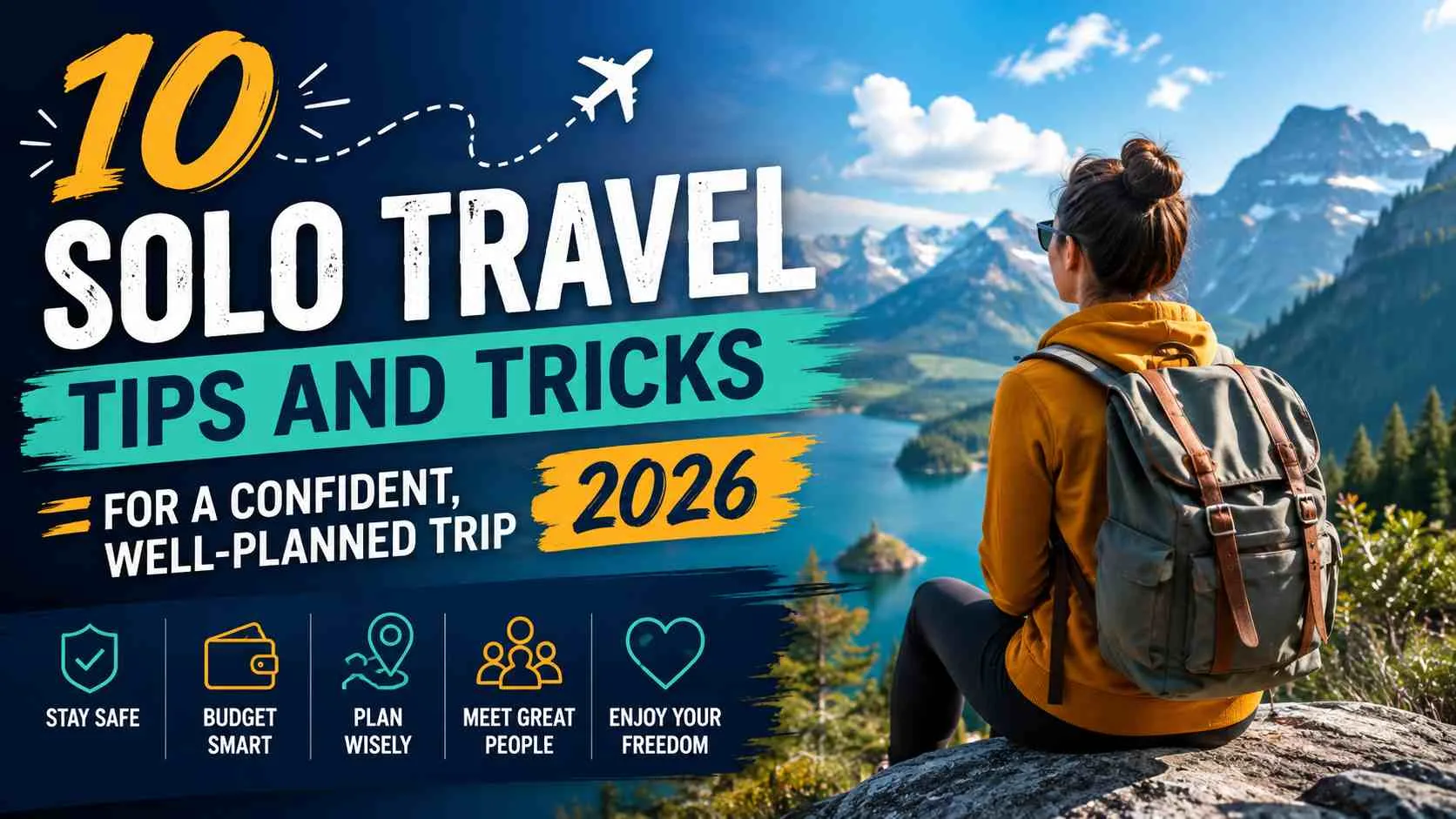
10 Solo Travel Tips and Tricks for a Confident, Well-Planned Trip 2026
Traveling alone puts you fully in charge of your own itinerary, but it also means you are the planner, guide, and safety net at once. These solo travel tips and tricks combine planning habits, safety advice, and small mindset shifts that experienced solo travelers rely on, so your trip feels intentional, not improvised.
From choosing the right destination to staying safe after dark, this guide covers details that actually matter once you land. Whether it is your first solo trip or your fifth, each tip below is written to be genuinely useful, not just inspiring.
1. Clarify Your “Why” Before You Book Anything
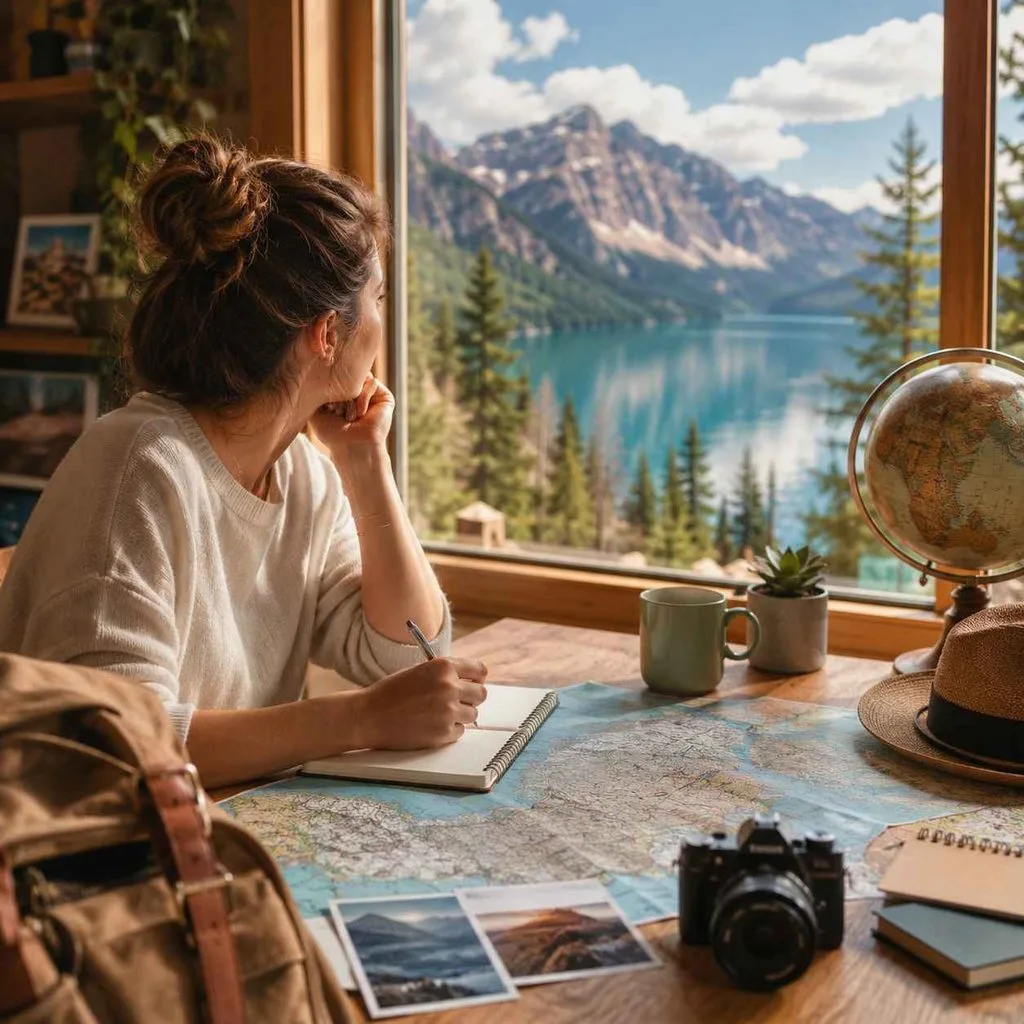
Before picking a destination, get honest about why you actually want this trip. Are you chasing rest, a personal challenge, a reset after a hard stretch, or simply the freedom to move at your own pace? That single answer shapes your budget, pace, and how social or solitary the trip becomes. Wanderful Company, run by a traveler with nineteen years of solo experience, treats this as the real starting point of any journey, well before booking a flight. Travelers who skip this step often end up with a scattered itinerary that satisfies no clear goal.
2. Take a Trial Run Close to Home First
If solo travel is new to you, resist starting with a three-week trip across three countries. A weekend in a nearby city, or even one solo day trip, teaches you far more about your comfort level, packing habits, and pace than research alone ever could. Treat it as a low-stakes rehearsal for the real thing. Notice what you packed but never used, how you handled a solo dinner, and whether you preferred a loose plan or a structured one. Those small lessons carry directly into a longer trip and save you from repeating avoidable mistakes.
3. Budget With Intention, Not Guesswork
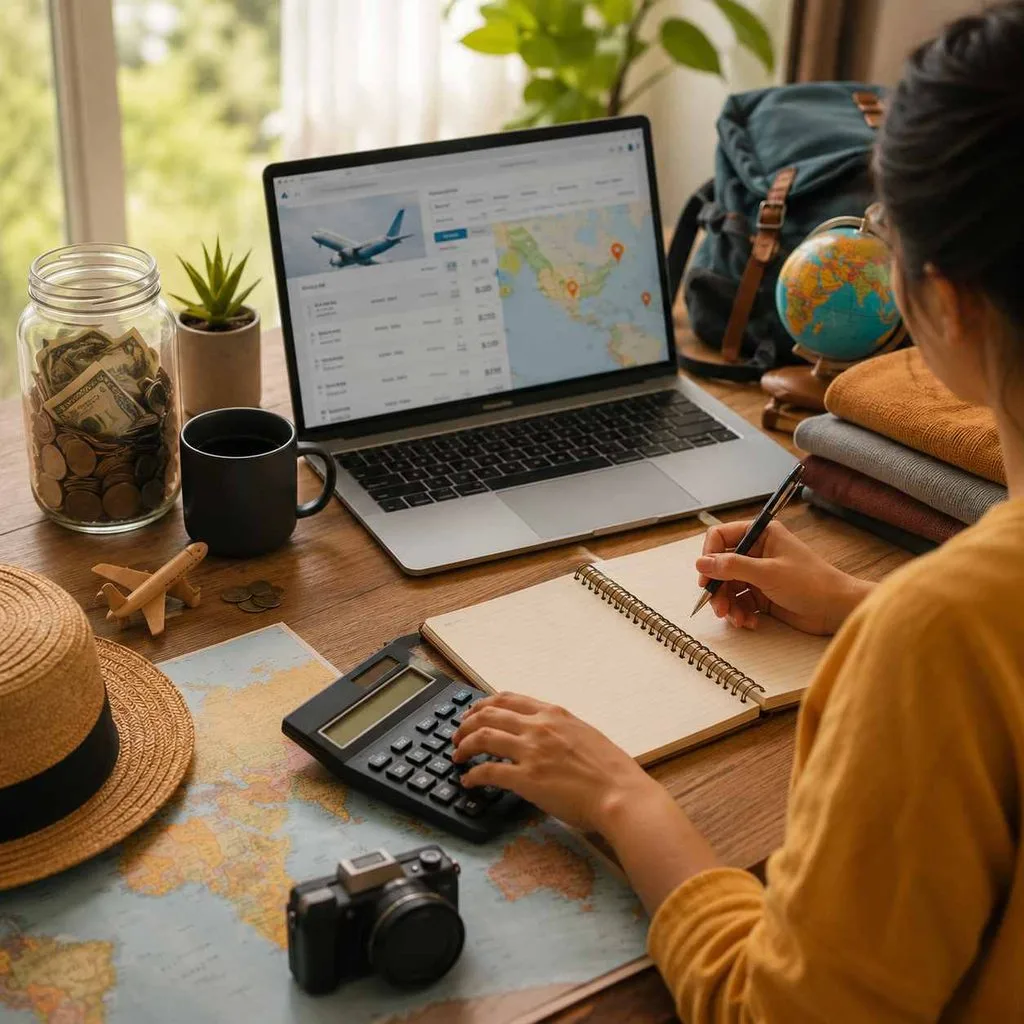
Solo travel usually costs more per person since nothing gets split with a partner. Rather than cutting corners once you have already arrived, build your trip fund deliberately beforehand. Redirect one recurring expense, like a subscription or daily coffee run, straight into a dedicated travel account. Set a loose deadline so the goal does not drift indefinitely, and track flight prices with fare alerts. Traveling during shoulder season also stretches your budget further, with lower prices and thinner crowds. Choosing hostels, home-shares, or guesthouses over hotels adds up to meaningful savings across a full trip.
4. Choose a Destination That Fits Your Comfort Level
A destination that looks stunning in photos is not automatically a good fit for a first solo trip. Look instead for reliable public transit, an established traveler community, and a genuine track record of safety. Cities like Lisbon, Tokyo, and Ljubljana consistently top solo-friendly lists for exactly these reasons, not because they photograph well, but because they are simple to navigate alone. Reading recent traveler reviews and checking official government travel advisories before booking gives you a clearer, more current picture than social media ever will, especially for destinations you have never visited before.
5. Register With a Government Safety Program
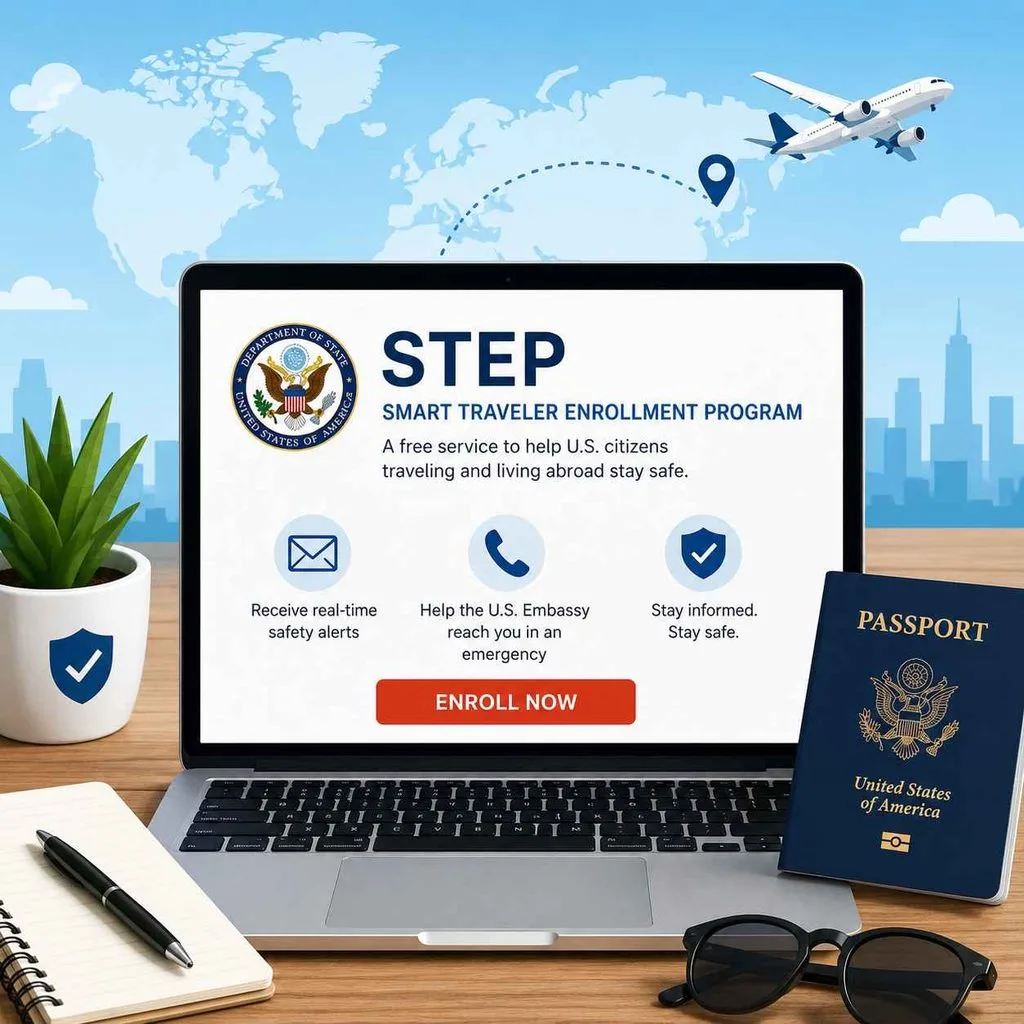
If you are a U.S. citizen, enroll in the Smart Traveler Enrollment Program (STEP), a free U.S. Department of State service that sends real-time safety alerts for your destination and lets the nearest embassy reach you in an emergency. Most other countries offer an equivalent through their own foreign affairs department, and it typically takes five minutes to complete. With no one else to lean on if plans suddenly change, this direct line to embassy alerts becomes far more valuable when you are traveling solo than it would be on a group trip.
6. Orient Yourself Within the First Few Hours
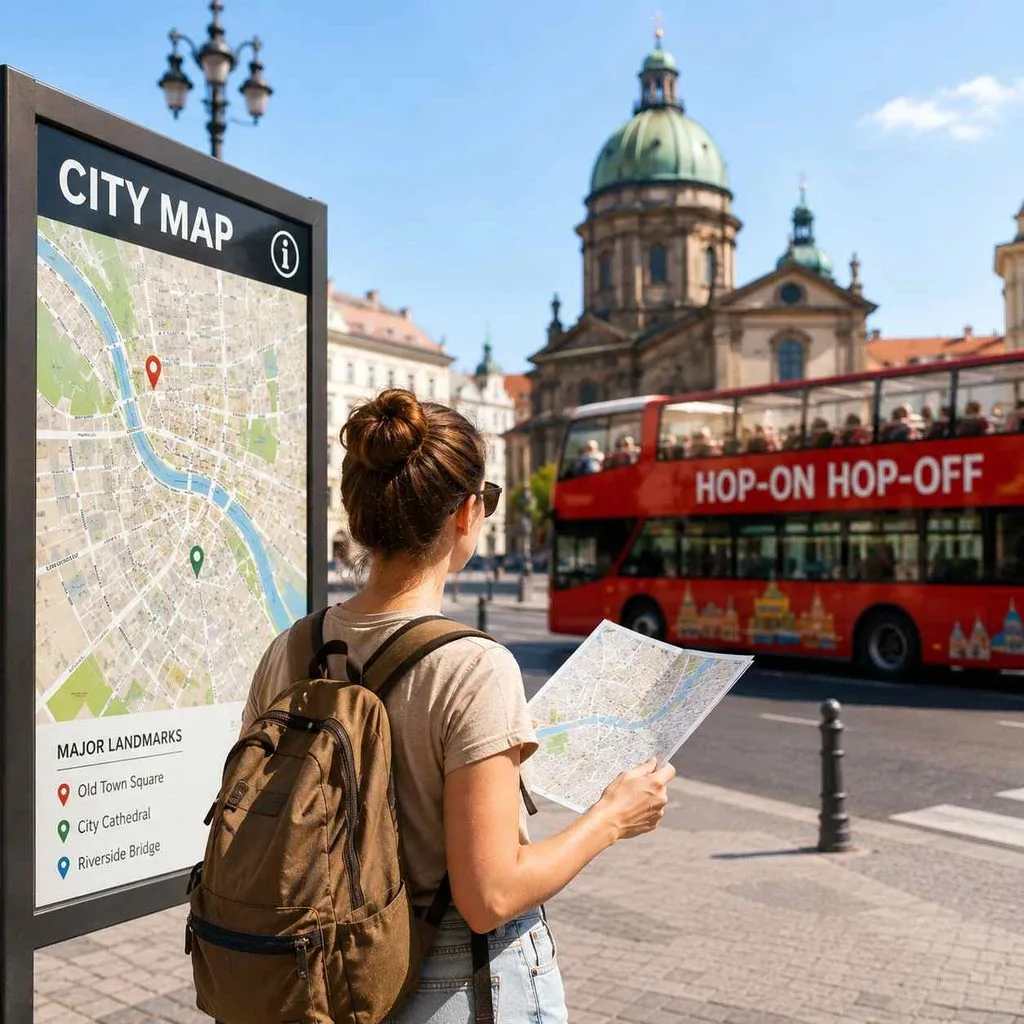
Arriving somewhere new alone can feel disorienting fast. Spend your first hours doing a hop-on-hop-off bus loop, joining a walking tour, or simply tracing your route using two or three major landmarks on a map. This single habit turns an unfamiliar city into a navigable one almost immediately, and it noticeably reduces first-day anxiety. Many experienced solo travelers consider it one of the most underused solo travel tips and tricks, since most people head straight to their first attraction instead of taking even thirty quiet minutes to get their bearings first.
7. Get Comfortable Eating Alone
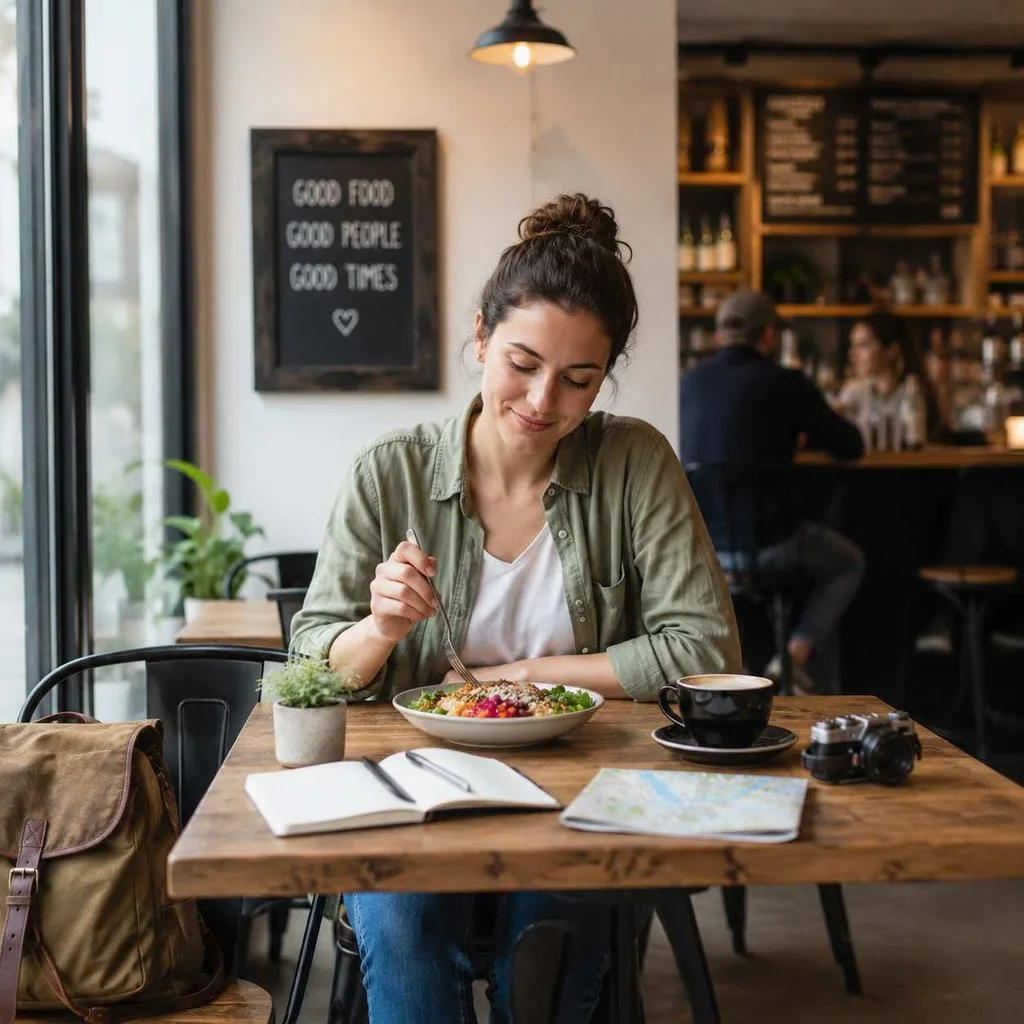
Solo dining trips up more first-timers than almost anything else on this list. If eating out alone feels awkward, ease into it before you leave home: grab a solo coffee at a local café, then a full meal during an off-peak hour. Once you are traveling, sit at the bar if that option exists, or choose spots with shared, communal tables. These settings turn a potentially lonely moment into a genuinely social one, and after the first attempt, most solo travelers find the anxiety fades far faster than they expected it to.
8. Split Your Cash and Documents
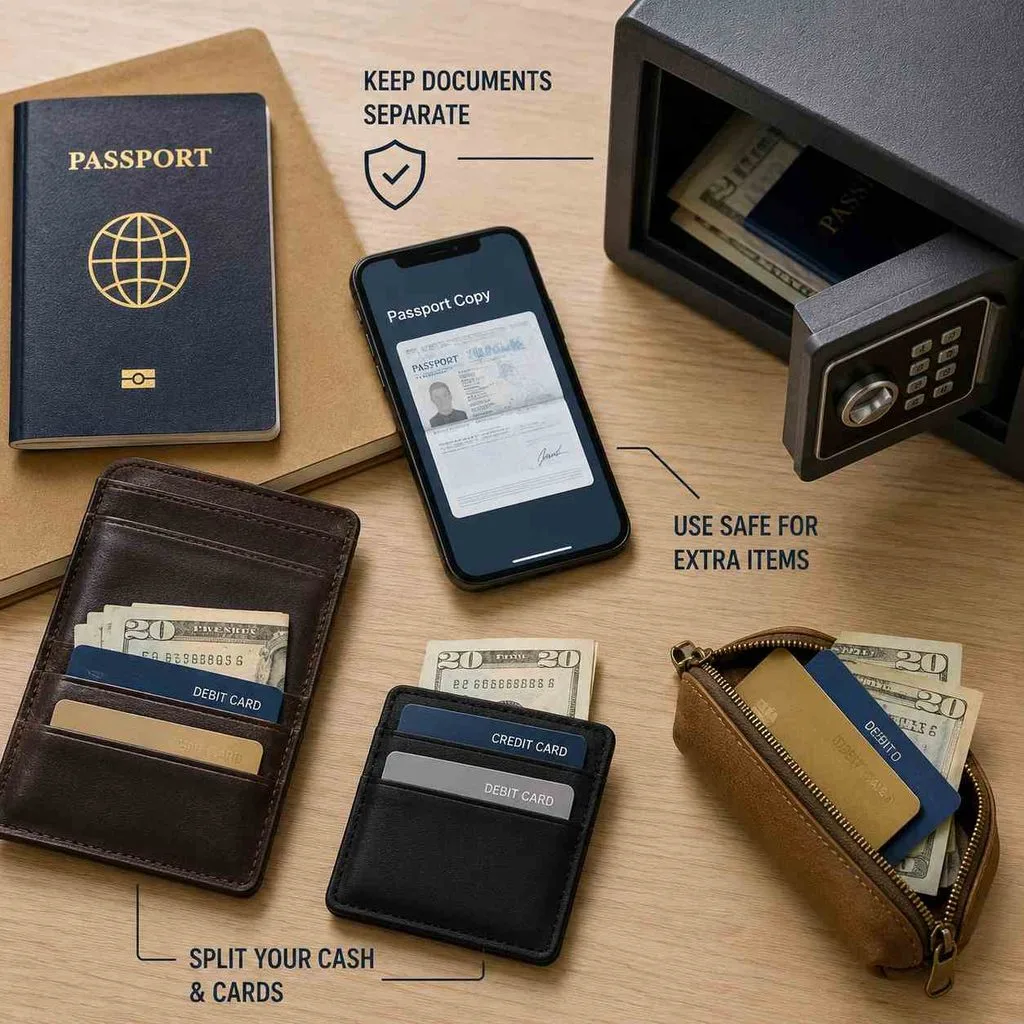
Keep your money and cards divided across two or three places instead of one single wallet, and store a digital and physical copy of your passport separately from the original. Use your accommodation’s safe for anything you do not need to carry that day, and avoid pulling out a visibly full wallet in public. This small habit limits how much a single lost bag, pickpocket, or mix-up at a border crossing can actually cost you, and it keeps one bad moment from derailing the rest of an otherwise good trip.
9. Build In a Slow, Restorative Stop
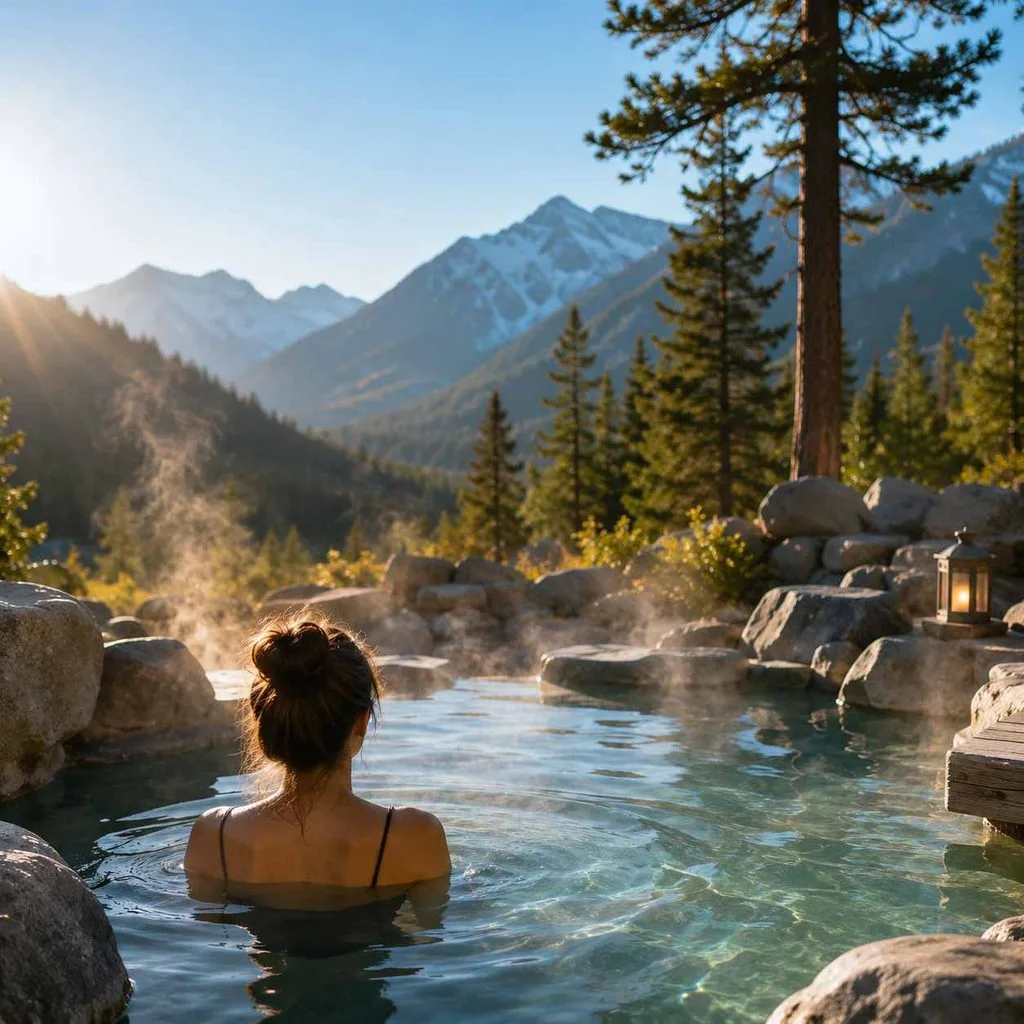
Not every day of a solo trip needs to be packed wall-to-wall. A slower stop, like soaking in a Natural hot spring, gives you a genuine reset and tends to be one of the easiest places to strike up conversation with fellow travelers sharing the same pool. If you are mapping a route with stops like this, CA Travel Times has destination guides worth checking before locking in your itinerary, especially if you want to pair long adventure days with something quieter and genuinely more restorative to break up the pace in between them.
10. Trust Your Gut, Every Time
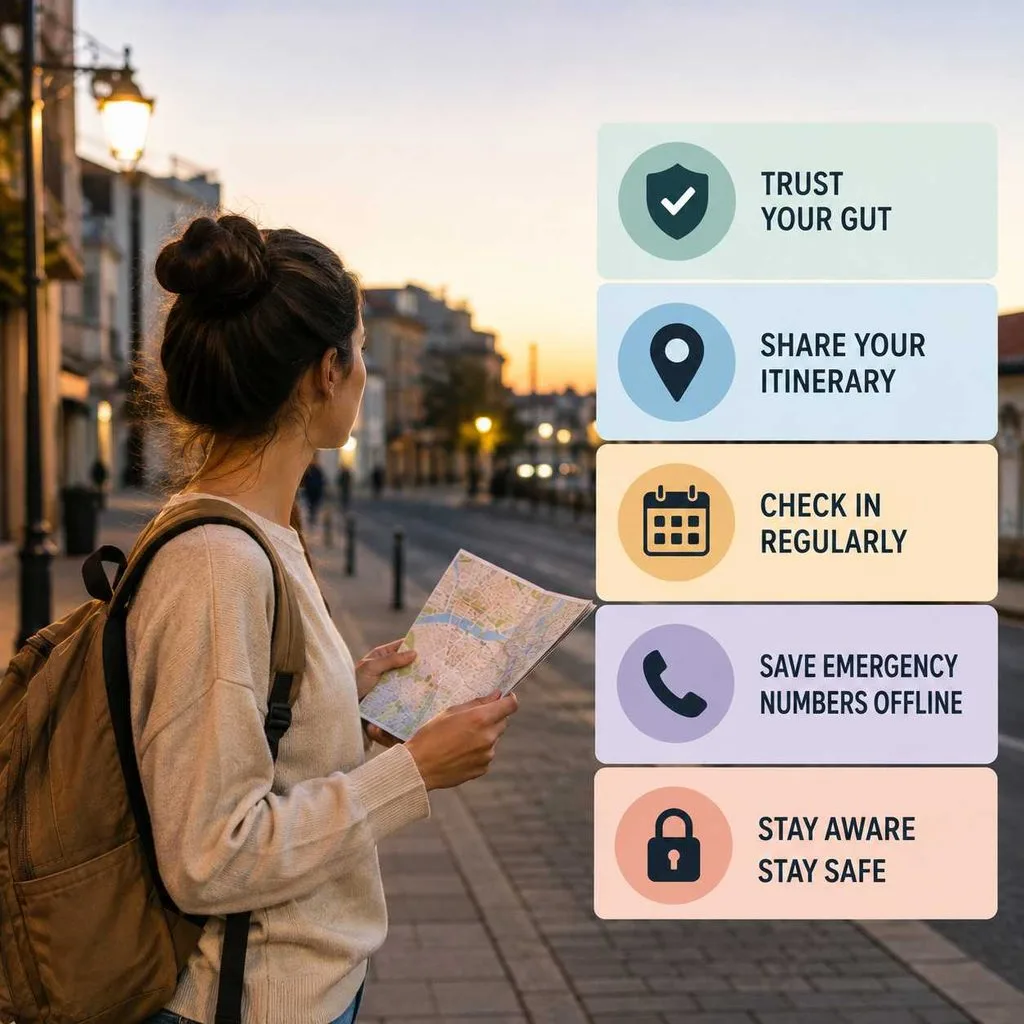
If a street, a ride, or a person does not feel right, leave, no explanation required. It is the single most repeated piece of advice among experienced solo travelers, because instinct almost always catches a bad situation before logic manages to. Pair that instinct with practical habits: share your itinerary with someone back home, check in periodically, and keep emergency numbers saved offline in case you lose signal. None of this requires paranoia, just the same situational awareness you would already use walking home alone at night in any city.
Final Thought Solo Travel Tips and Tricks
These solo travel tips and tricks will not remove every bit of uncertainty from the road, and honestly, they are not meant to. What they build instead is a foundation solid enough that the unexpected becomes part of the adventure, not a threat to it. Plan with real intention, stay loose enough to enjoy what you did not plan for, and keep a few trusted resources on hand for the details, including CA Travel Times for destination inspiration. You will likely come home already mapping the next trip before you finish unpacking the last one.
Frequently Solo Travel Tips and Tricks
What is the most important solo travel tip for beginners?
Start with a short trip close to home before going abroad. It builds real confidence in your packing, pacing, and comfort with being alone, without the pressure of a long international itinerary.
Is solo travel safe for women?
Yes, with preparation. Choose solo-friendly destinations, register with a government safety program, share your itinerary with someone at home, and trust your instincts immediately if a situation feels wrong.
How much does solo travel typically cost compared to traveling with others?
Solo travel usually costs more per person since nothing is split. Budgeting intentionally, choosing hostels or home-shares, and traveling in shoulder season can meaningfully close that cost gap.
How do Solo Travel Tips and Tricks meet people on the road?
Hostels, walking tours, cooking classes, and interest-based Meetup groups all create natural, low-pressure settings. Genuine curiosity and simple questions to locals often lead to the most memorable connections.
What should solo travelers always carry for safety?
Split cash and cards across separate places, a digital copy of your passport, emergency numbers saved offline, and a fully charged phone with your accommodation’s address written down.