The Traveler Hired the Wrong Tour Guide: How to Fix It Fast
Booking a guided tour is supposed to make travel easier someone else handles the logistics while you soak in the culture, the scenery, and the stories only a local can tell. But sometimes that plan goes sideways.
Within the first hour of a walking tour or a jungle trek, you realize something is off: the pacing feels wrong, the commentary is thin, and the itinerary you paid for isn’t the one you’re getting. This is exactly what happens when the traveler hired the wrong tour guide, and it’s far more common than most people expect.
The good news is that this situation, while frustrating, is almost always manageable. With a clear understanding of the warning signs, a calm response plan, and a smarter booking process next time, one disappointing guide doesn’t have to define your entire trip.
Why Guide Mismatches Happen So Often
Choosing a tour guide deserves the same scrutiny as picking a flight or a hotel, yet many travelers book guides last-minute or based on a single glowing review. A guide is your translator, historian, safety net, and storyteller all in one — so when the fit is wrong, it affects nearly every part of the day.
A few reasons this mismatch keeps happening:
- Online listings can be outdated. A guide’s profile may not reflect recent changes in their availability, specialty, or quality of service.
- Licensing isn’t always visible. In many regions, credential verification happens behind the scenes and isn’t shown clearly during online booking.
- Reviews can be thin or generic. A handful of vague five-star ratings doesn’t guarantee a guide who fits your travel style.
- Communication style varies. A guide who’s excellent for one traveler may feel mismatched to another simply because of pacing or personality.
Understanding these root causes is the first step toward avoiding the situation altogether — and toward reacting calmly when the traveler hired the wrong tour guide despite doing careful research.
Warning Signs You May Have Hired the Wrong Guide
Some red flags show up before you even meet your guide; others only become obvious once the tour is underway. Watching for both gives you the best chance to course-correct early.
Before the Tour Begins
- Vague or slow responses to pre-booking questions
- No proof of licensing or certification when asked
- Thin, generic, or suspiciously uniform online reviews
- Unclear pricing that doesn’t specify what’s included
During the Tour
- Surface-level answers to specific questions about local history or culture
- Frequent unscheduled stops at shops or vendors
- Poor time management that causes you to miss ticketed entries
- A rigid itinerary that ignores your stated preferences
A single red flag doesn’t always mean disaster, but a repeating pattern across several of these signs is a strong indicator that something needs to change — quickly.
How Language and Communication Gaps Show Up
Even guides with strong technical knowledge can fall short if communication breaks down. Language barriers, rushed explanations, or a guide who doesn’t check in with the group can leave travelers confused about safety instructions, schedules, or simply what they’re looking at.
The Real Cost When the Traveler Hired the Wrong Tour Guide
The consequences aren’t always dramatic, but they add up. Here’s what’s typically at stake:
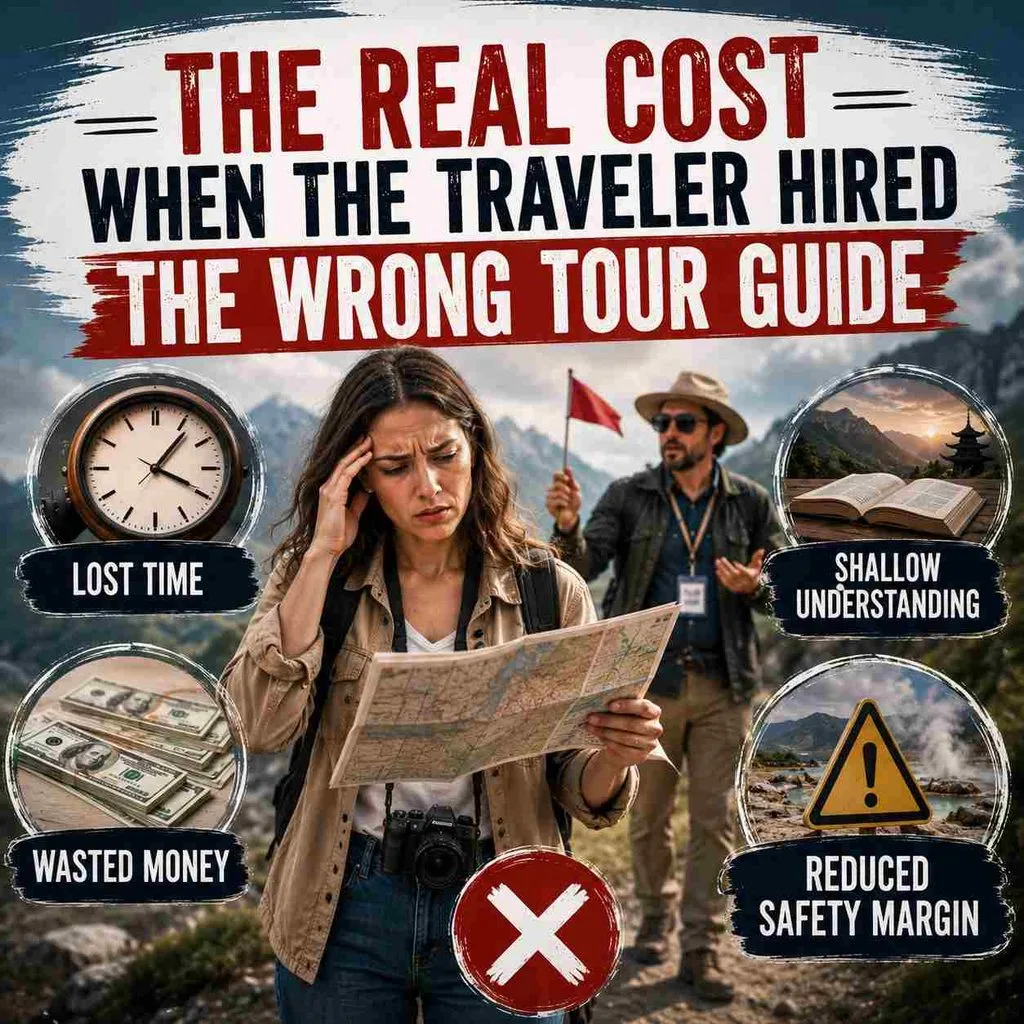
- Lost time: Missed entry windows, rushed stops, and disorganized routes eat into a limited vacation schedule.
- Wasted money: Commission-driven detours and unclear add-on fees can inflate the cost of a tour well beyond the quoted price.
- Shallow understanding of the destination: Instead of rich cultural context, travelers get a surface-level walkthrough that could have come from a guidebook.
- Reduced safety margin: In remote, wilderness, or geothermal environments, an inexperienced guide can put travelers at real physical risk.
That last point matters more than people realize. A guide leading a trek through unfamiliar terrain or near natural thermal features needs environment-specific knowledge, not just general tourism training.
If you’re researching soaking spots as part of your itinerary, it’s worth reading up on hot springs safety and etiquette in advance through a dedicated resource such as catraveltimes.com’s hot springs guide, rather than relying solely on your guide’s word.
What to Do If the Traveler Hired the Wrong Tour Guide Mid-Trip
If you realize partway through your trip that things aren’t going as planned, don’t panic — there’s a practical sequence for handling it.
Step 1: Document the Discrepancy
Note the times, locations, and specific ways the tour differs from what was promised. This record is useful whether you pursue a refund, a replacement guide, or simply want accurate details for a future review.
Step 2: Talk to the Guide First
A short, respectful conversation resolves more issues than people expect. Explain your priorities — pace, specific sites, or the depth of explanation you’re looking for — and give the guide a chance to adjust.
Step 3: Escalate to the Booking Platform
If the mismatch continues, contact the platform or agency directly while you’re still on the trip. Reputable platforms like Viator and GetYourGuide have dedicated support teams that can offer a replacement guide, partial refund, or other resolution.
Step 4: Have a Backup Plan Ready
- Ask your hotel concierge for a same-day alternative guide
- Switch to a self-guided audio tour for museums or landmark sites
- Use offline maps and translation apps to continue exploring independently
Step 5: Leave a Balanced, Factual Review
Once you’re home, a specific and constructive review helps future travelers avoid the same experience — and gives the guide or agency a clear picture of what to improve.
How to Avoid Hiring the Wrong Guide Next Time
Prevention is far easier than damage control. A more thorough booking process dramatically lowers the odds of a mismatched guide on a future trip.
Research Across Multiple Platforms
Cross-check reviews on TripAdvisor, Viator, GetYourGuide, and Google rather than relying on a single source. Consistent, detailed praise across several platforms is a far stronger signal than one glowing testimonial.
Verify Credentials Directly
Many destinations require official licensing for guides, particularly at major heritage or protected sites. When in doubt, check with the relevant national or regional tourism authority.
For U.S. destinations, the National Park Service maintains guidance on interpretive programs and authorized operators. If your trip includes a national park stop, catraveltimes.com’s national parks guide is a useful cross-check for what a properly credentialed guide should know.
Ask Specific Questions Before Booking
- How long have you been guiding in this specific area?
- Can you provide references from travelers with similar interests?
- What happens if a planned site is closed or inaccessible?
- Are entry fees, transport, and gratuities included in the quoted price?
A guide who answers these clearly and enthusiastically is almost always a safer bet.
Prioritize Personal Recommendations
Referrals from friends, hotel staff, or trusted travel-planning resources tend to outperform cold bookings. Sites like CA Travel Times regularly cover destination-specific planning tips, including how to vet local operators before committing to a booking — a useful cross-check alongside review platforms.
Set Expectations Before the Tour Starts
Share your pace preferences, physical considerations, and specific interests upfront. A guide who incorporates this information from the first conversation is signaling the kind of flexibility that prevents mismatches later.
Special Considerations for Nature and Hot Springs Tours

Natural attractions carry more risk than city walking tours. Terrain, weather, and water conditions can change quickly, and a guide without site-specific training may miss hazards a local expert would catch instantly.
This matters most for geothermal spots — hot springs often sit in remote areas with variable water temperatures and limited cell signal. Before booking, check whether the guide holds outdoor or wilderness-specific certification, not just general tourism credentials.
For verified visitor information, see the hot springs destination guide on catraveltimes.com, and cross-check safety context via the U.S. Department of State’s travel advisories.
Using Technology as a Safety Net
Even the best-planned trip benefits from a backup system. If course-correction with your guide isn’t possible, a few tools can keep the day salvageable:
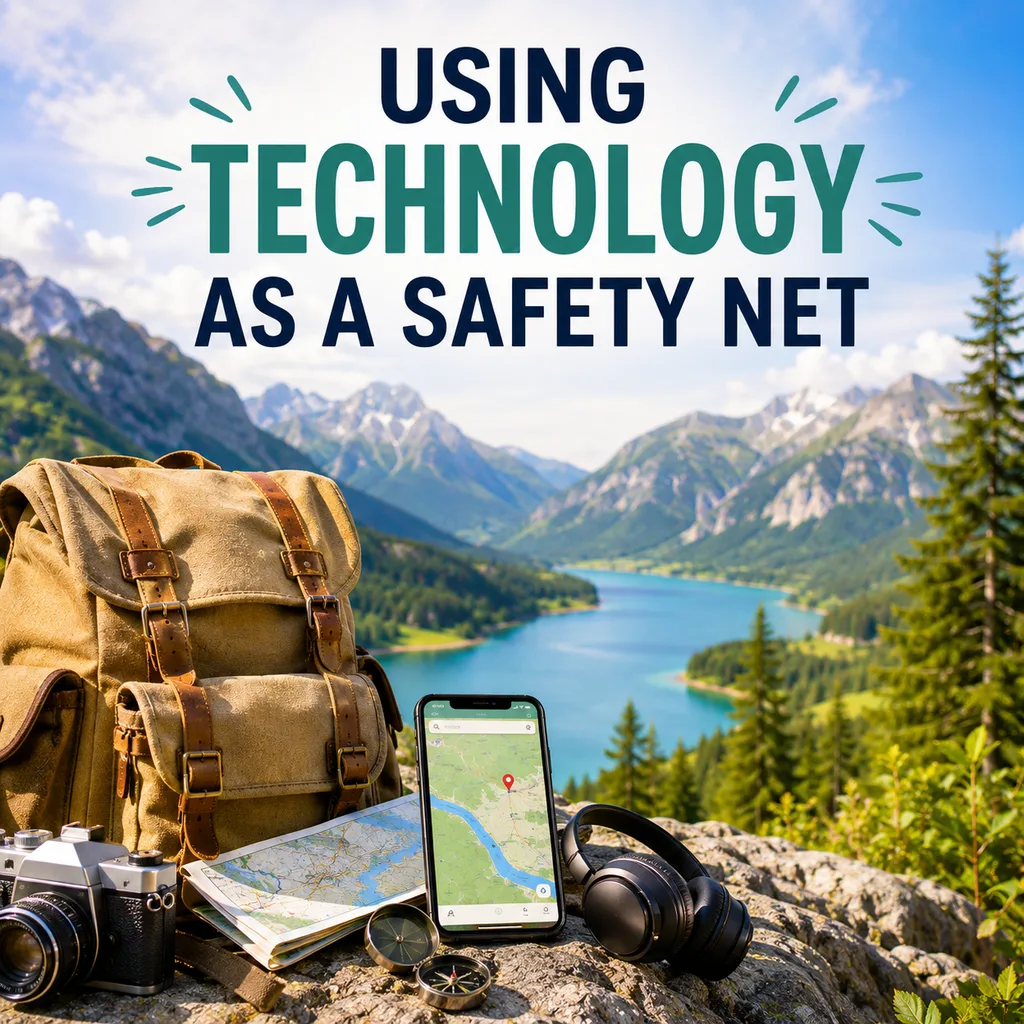
- Offline maps (Google Maps or Maps.me) for independent navigation
- Translation apps to bridge communication gaps with locals
- Audio guides from major museums and landmarks for self-paced exploration
- Travel community forums for real-time, firsthand recommendations from other travelers nearby
None of these fully replace a great human guide, but they give you the confidence to keep exploring on your own terms if the original plan falls through.
Final Thoughts
A disappointing guide doesn’t have to ruin an entire trip. Whether the traveler hired the wrong tour guide because of a rushed booking, unclear reviews, or simple bad luck, the situation is almost always recoverable with calm communication, a documented record, and a willingness to explore alternatives.
Just as importantly, it’s a lesson that pays off on every future trip: research thoroughly, verify credentials, ask pointed questions, and set expectations early. For more destination-specific planning tips and safety guidance, browse the full library of guides on catraveltimes.com before your next trip. Do that consistently, and finding a guide who genuinely elevates your travel experience becomes far more likely than not.
Frequently Asked Questions
What should I do first if I realize I’ve hired the wrong guide?
Address it directly and calmly. Most pacing, communication, or itinerary issues resolve with a short, respectful conversation before you need to escalate to the booking platform.
Can I get a refund if the guide doesn’t match what was advertised?
Often, yes. Contact the booking platform while still on the trip, share documented proof of the discrepancy, and reference their stated resolution or refund policy.
How do I know if a tour guide is properly licensed?
Ask for certification details directly. Where possible, verify them independently through the local or national tourism authority instead of relying only on the guide’s claims.
Is it worth paying more for a highly-rated private guide?
Usually, yes. A well-reviewed, licensed guide lowers the risk of a mismatch and typically delivers a richer, safer experience than the cheapest available option.
Where can I find more destination-specific travel guidance?
Sites like catraveltimes.com offer destination guides, including a dedicated hot springs section, to help you plan and vet guides ahead of time.